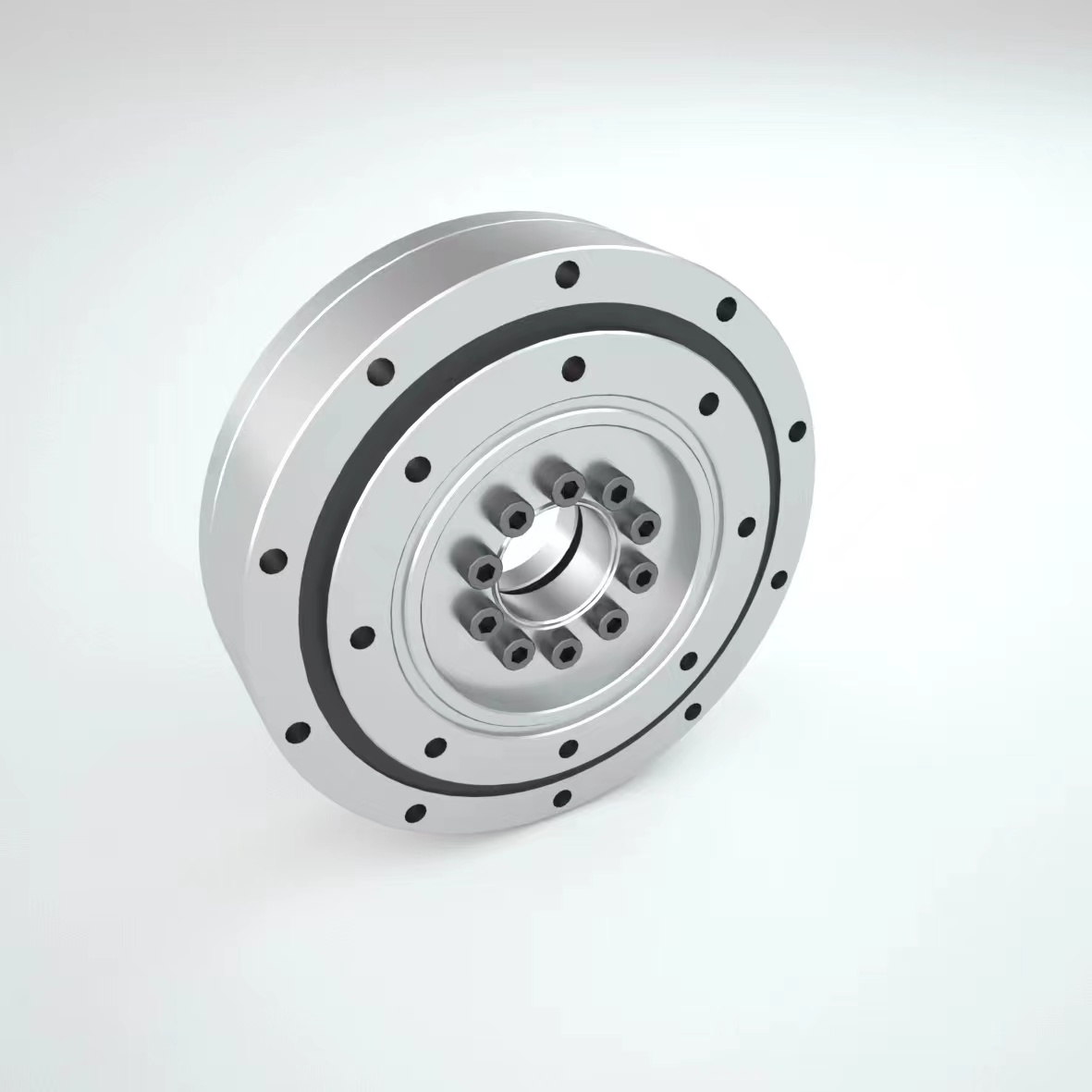
INNOTECH DRIVE High Torque Harmonic Drive Reducer Wave Generator
Zero-backlash wave generator actuator ideal for automated titanium chemical valve positioners and subsea flow controls.
Direct OEM/ODM components manufactured from high-purity titanium alloys, ensuring absolute galvanic compatibility, zero chloride pitting, and ultra-high torque retention in aggressive chemical valve manifolds.
Zero-backlash wave generator actuator ideal for automated titanium chemical valve positioners and subsea flow controls.
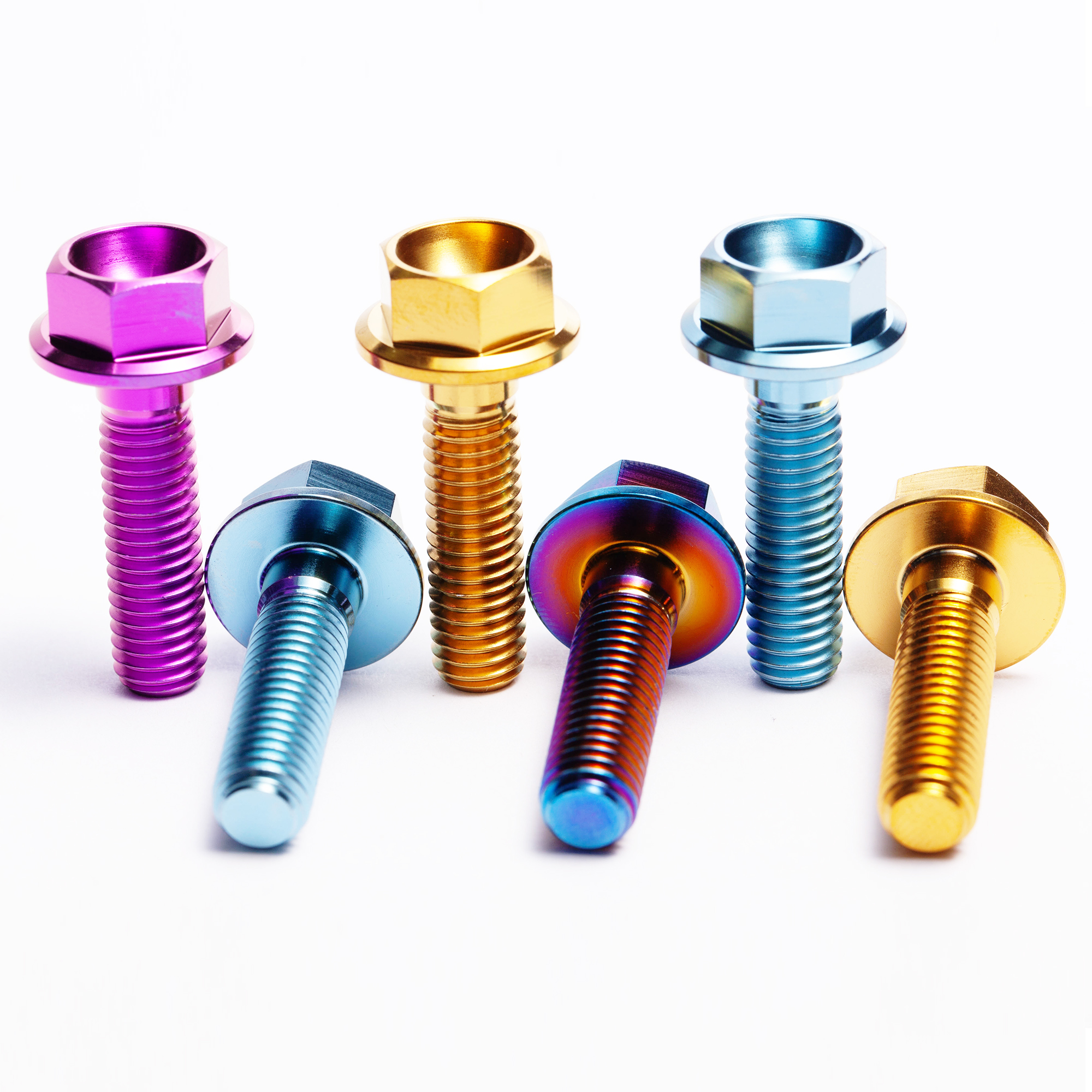
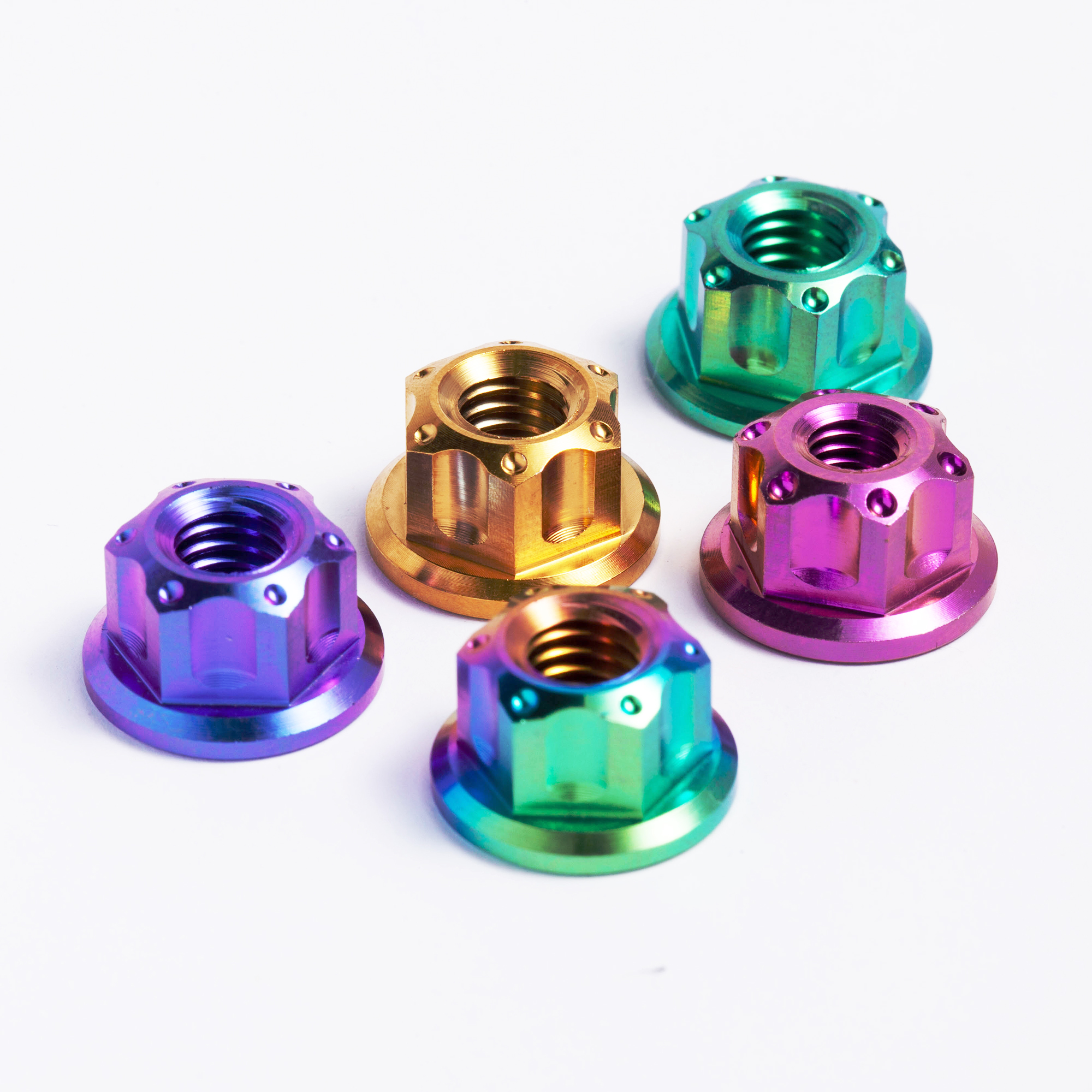
Integral flange distributes clamping pressure evenly over valve bonnet gaskets, preventing localized stress concentrations.
Engineered for aggressive petrochemical environments requiring color-coded lines and extreme tensile stability.
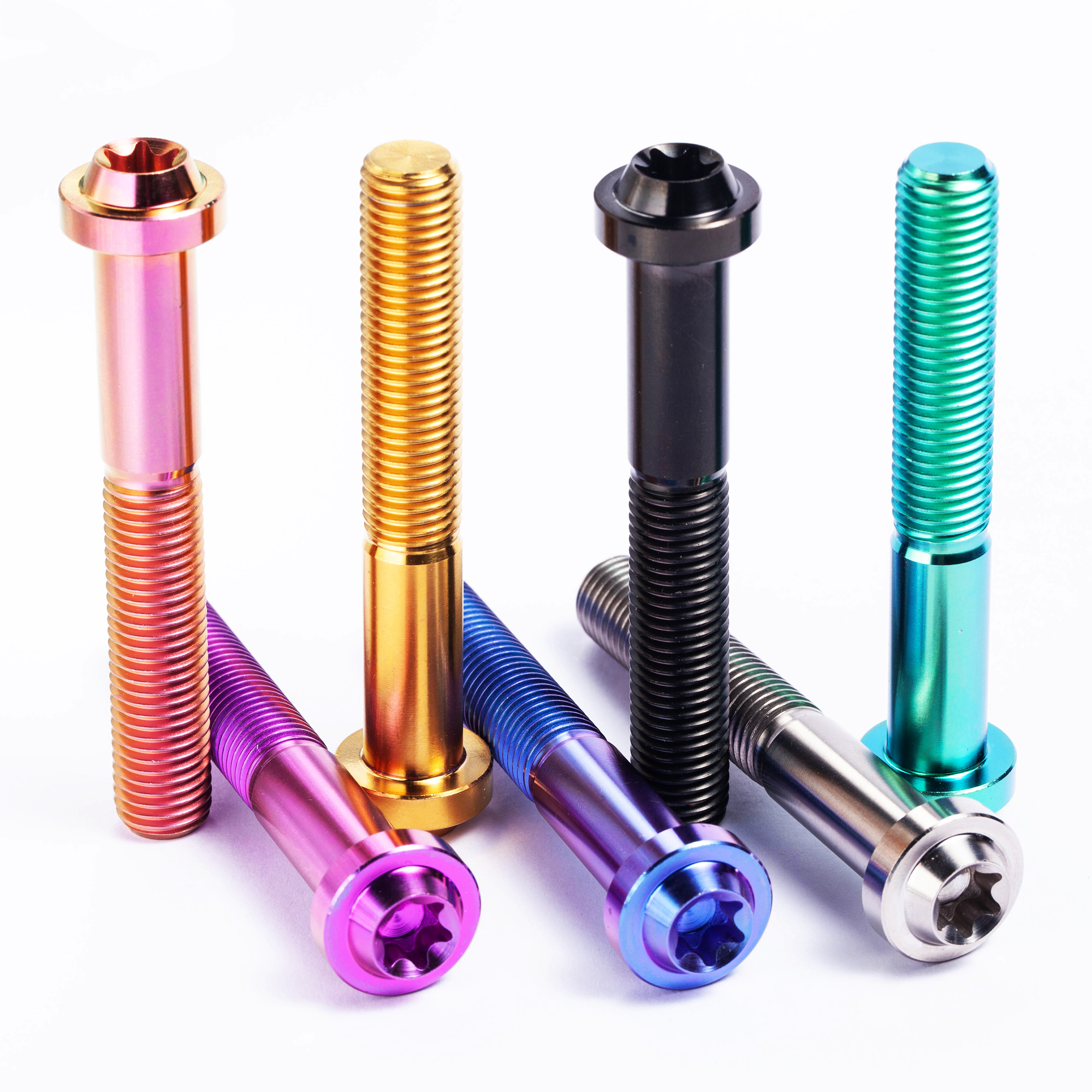
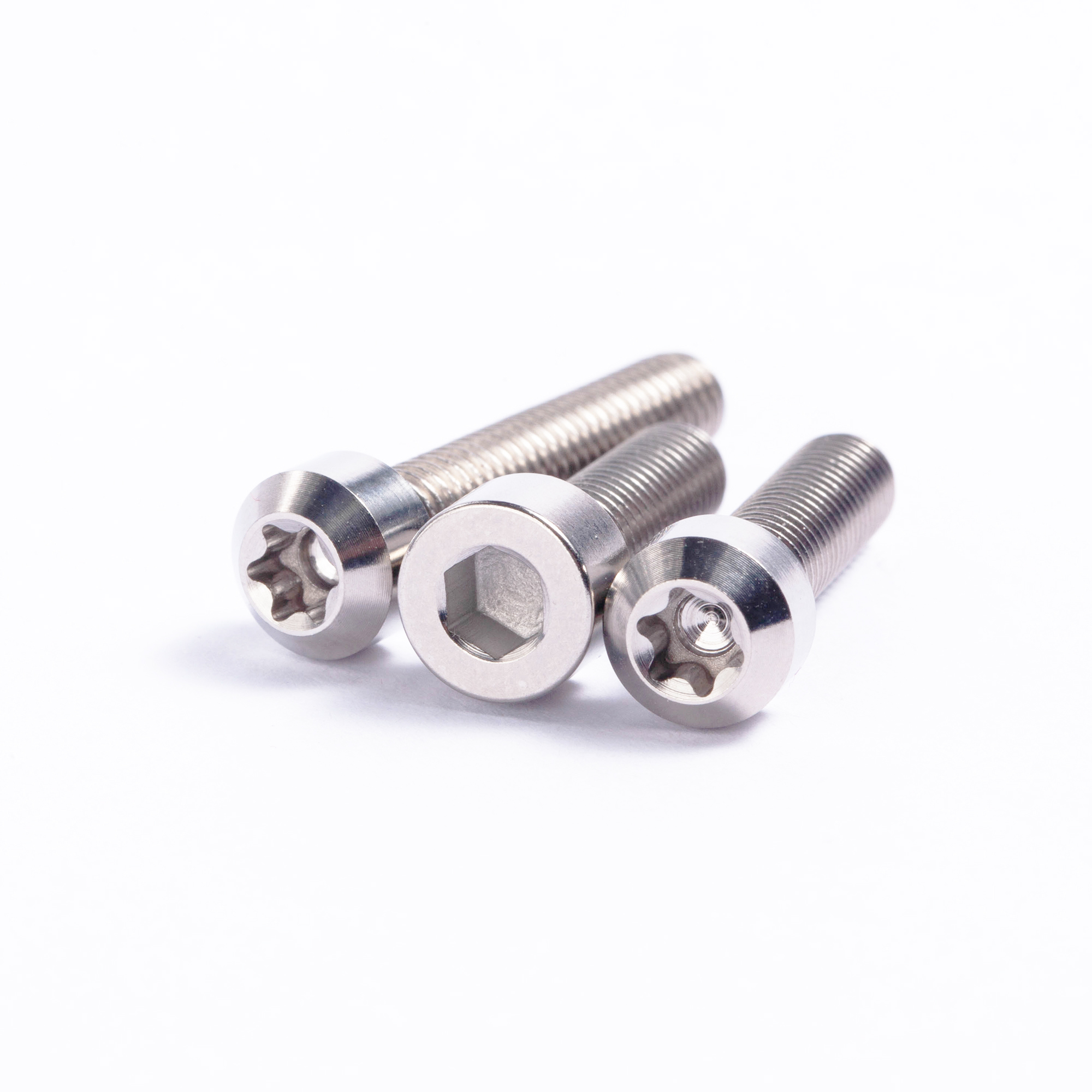
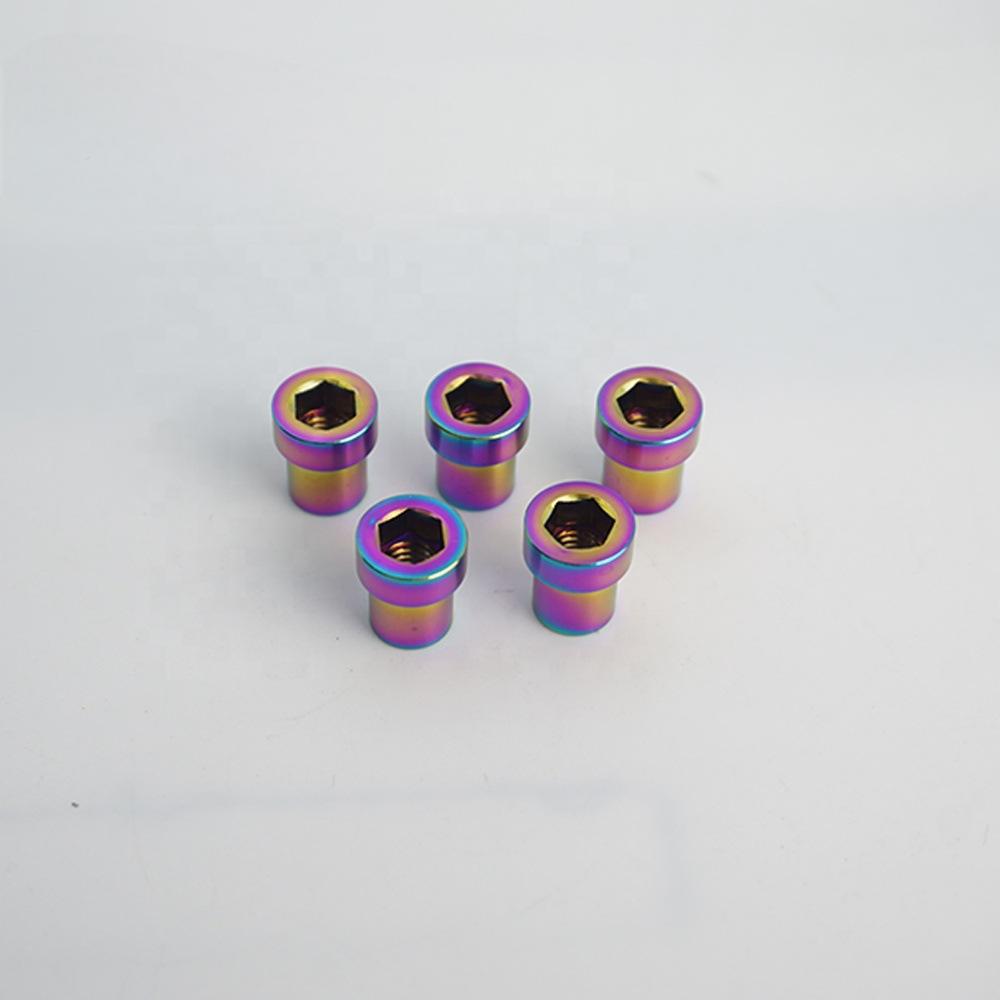
Internal hex socket profile allows recessed, flush-mount installation inside compact valve bodies and instrumentation flanges.
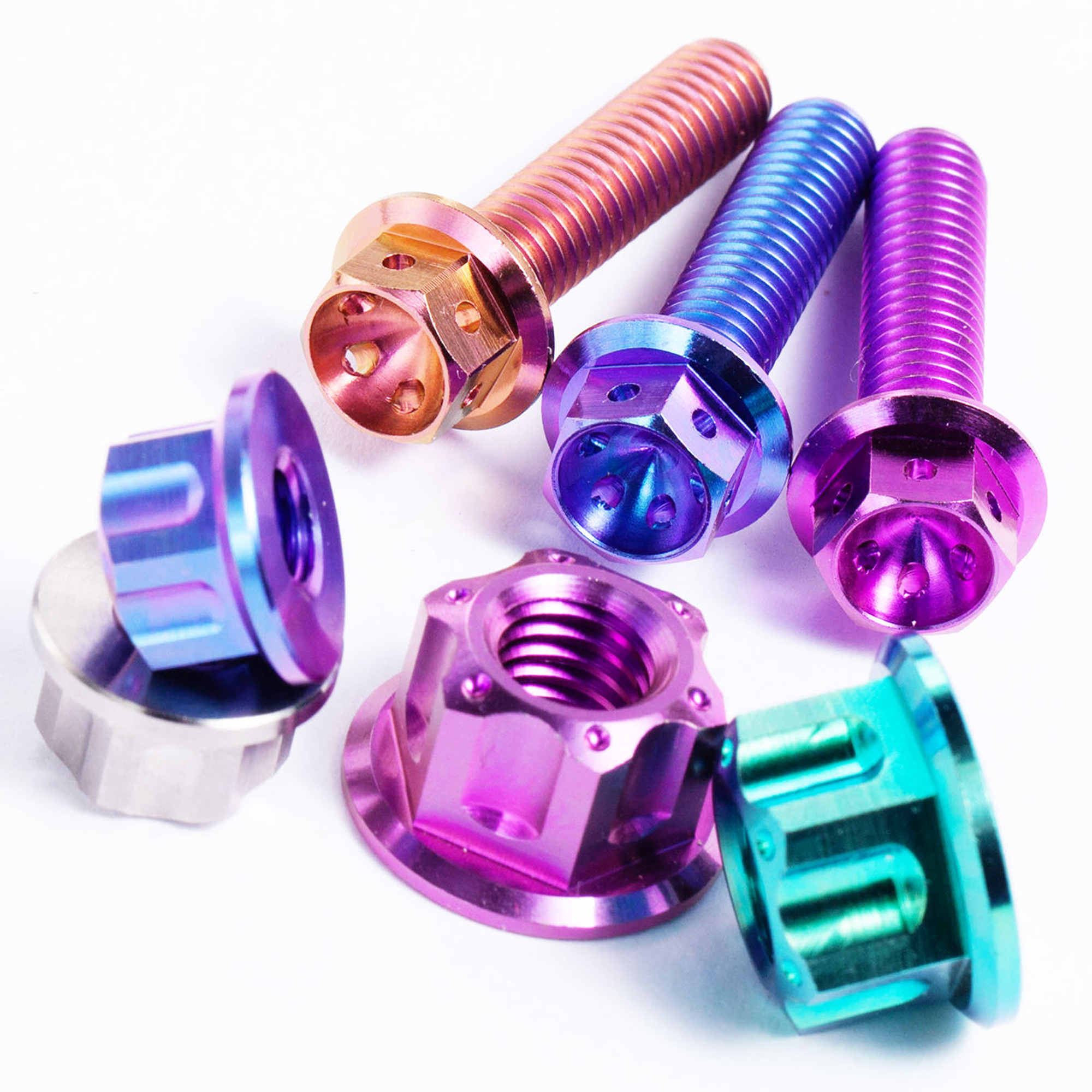
Deformed-thread lock design withstands severe pulse frequencies in high-pressure cycling industrial pumps and valves.
Micro-polished finish eliminating surface microcracks, optimizing dynamic shear fatigue life in cyclic valve stems.
Physical Vapor Deposition (PVD) titanium nitride coating for low surface friction and exceptional wear tolerance against galling.
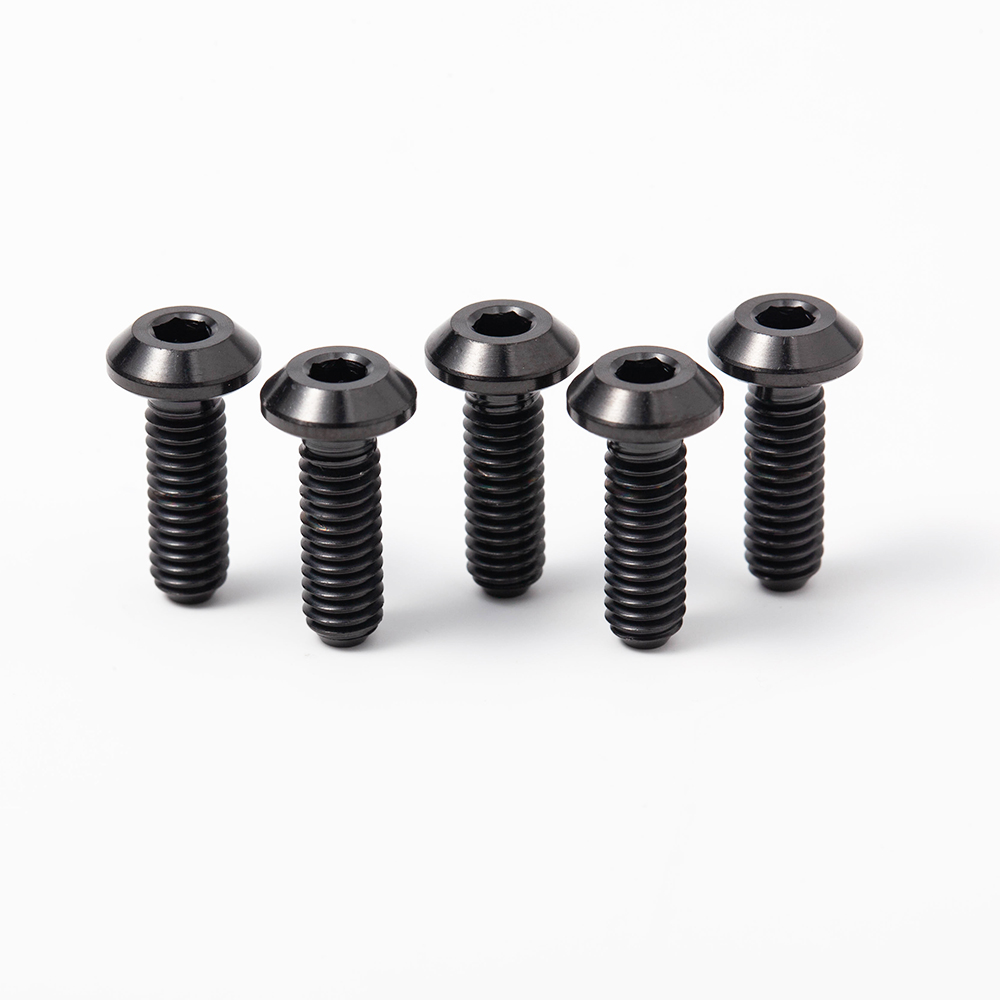
Zero-clearance countersunk profile suited for valve seat retention plates, seal housings, and cleanroom fluid containment systems.
Evaluating technical suitability, stress-corrosion mechanisms, and regulatory compliance for chemical-grade titanium ball, butterfly, check, and control valves across Denmark's premier robotics and life-science centers.
The Municipality of Odense, strategically situated on Funen between the Kattegat and Baltic Sea maritime environments, presents severe dual-vector corrosion challenges for process equipment. Chemical refineries, municipal wastewater conversion plants, and modern biopharmaceutical processing hubs around Lindø port operate under demanding conditions where standard austenitic stainless steels (such as AISI 316L and 904L) suffer rapid pitting and stress corrosion cracking (SCC) caused by warm chloride solutions, wet chlorine gases, and low-pH acid cycles.
Commercially Pure (CP) Titanium Grade 2 (UNS R50400) and Palladium-enhanced Grade 7 (UNS R52400) form an instantaneous, ceramic-grade rutile (TiO₂) passivation layer upon exposure to air or moisture. This inert oxide film heals instantaneously if scratched, imparting an order-of-magnitude leap in lifecycle reliability over standard Nickel-Chromium alloys in wet chlorine, nitric acid, and sodium hypochlorite services.
Odense is widely recognized as Europe’s capital of collaborative robotics (Cobots) and automated process technology. Local skid builders and mechanical system integrators developing mobile CIP (Clean-in-Place) units, specialized reagent dosing skids, and automated fermentation controls demand extremely light, compact, and high-strength valve manifolds.
By employing Ti-6Al-4V Grade 5 (UNS R56400) for structural valve bonnets, actuator tie rods, and high-torque stems, engineers achieve a yield strength exceeding 828 MPa while trimming 44% of the deadweight compared to structural steel. This weight optimization is essential for robotic arm end-effectors dispensing aggressive chemicals, automated dosing nozzles, and cleanroom gantry setups where high inertial mass limits robot cycle times and motor longevity.
Furthermore, our CNC tolerances machined to ±0.01 mm ensure bubble-tight Class VI shutoff compliance across high-cycle automated ball and globe valve assemblies operating in sterile and corrosive media.
| Alloy Grade | Tensile Strength (MPa) | Yield Strength (0.2%, MPa) | Target Chemical Media | Compliance Standard |
|---|---|---|---|---|
| Titanium Grade 2 (CP) | ≥ 345 | ≥ 275 | Wet chlorine, hypochlorites, seawater, organic acids | ASTM B348 / EN 10204 3.1 |
| Titanium Grade 5 (Ti-6Al-4V) | ≥ 895 | ≥ 828 | High-pressure actuators, valve stems, heavy flange bolting | ASTM B348 / ISO 9001 |
| Titanium Grade 7 (Ti-0.15Pd) | ≥ 345 | ≥ 275 | Dilute reducing acids (HCl, H₂SO₄) at elevated temps | ASME SB-348 / PED 2014/68/EU |
| 316L Stainless (Baseline) | ≥ 485 | ≥ 170 | Mild acids; susceptible to chloride pitting above 60°C | EN 10088-3 |
How Denmark's stringent ESG mandates, green hydrogen (Power-to-X) scale-ups, and pharmaceutical automation are reshaping technical procurement requirements.
As Denmark scales wind-powered electrolysis across the North Sea and Baltic pipelines, valves in seawater demineralization and high-purity water electrolysis must withstand aggressive corrosive chemistries without risk of metal ion leaching that would poison delicate PEM membranes.
The biopharmaceutical corridor in Syddanmark is standardizing on bio-inert Grade 2 and Grade 5 titanium valves for active pharmaceutical ingredient (API) synthesis, eradicating nickel leaching hazards common in low-molybdenum steels while providing complete compatibility with caustic CIP steaming.
Danish sustainability metrics penalize premature component replacements. Titanium's virtually indefinite operating lifespan in salt spray and chemical vapor atmospheres aligns with Scandinavian lifecycle asset cost (LCC) goals, lowering Total Cost of Ownership (TCO) by over 60% across a 20-year cycle.
Combining advanced multi-axis CNC turning and milling with verified chemical traceability, supporting European tier-1 contractors with high-integrity components.
Operating from our 1,000+ m² modernized facility in Jiaxing, China, all cutting, CNC turning, 5-axis milling, thread rolling, surface treatment, and packaging processes remain 100% in-house. This centralized control ensures complete batch consistency, eliminates subcontractor markups, and reduces turnaround times.
We manufacture in strict compliance with ISO 9001:2015, CE Marking, UKCA standards, RoHS, and EU REACH regulations. Every shipment for European buyers arrives with comprehensive material test certificates (MTC) following EN 10204 Type 3.1, confirming chemical composition and mechanical properties.
From native STEP or SolidWorks CAD files, our engineering team carries out rigorous Design for Manufacturability (DFM) reviews within 8 hours. Small pilot batches and qualification prototypes are delivered swiftly to support rapid system validation prior to production rollouts.
Answers to common queries regarding standards, import duties, galling prevention, and alloy selection for projects in Odense and across the EU.
Under the EU Pressure Equipment Directive (PED 2014/68/EU), pressurized valve bodies and structural bolting over specified pressure-volume thresholds require CE certification. Wexra Titanium supplies full compliance documentation, including EN 10204 3.1 material test certificates, hydrostatic test reports, and raw material mill traceability to satisfy Danish Arbejdstilsynet safety audits.
Titanium has a natural tendency to gall when bare male and female threads slide under high clamping forces. We mitigate this through cold-rolled threads (which yield a hard, ultra-smooth surface finish), physical vapor deposition (PVD) anti-friction coatings, specialized anodizing, and molybdenum disulfide or nickel-free food-grade anti-seize lubricants.
Specify Grade 7 (Ti-0.15Pd) when your media involves dilute reducing acids—such as hydrochloric acid (HCl) or sulfuric acid (H₂SO₄)—at elevated operating temperatures, or where crevice conditions exist beneath valve seats. For oxidizing environments like nitric acid, wet chlorine gas, or standard Baltic seawater, standard Grade 2 provides exceptional corrosion resistance at a lower raw material cost.
For priority prototypes or urgent plant shutdowns, express air courier delivery (via DHL, FedEx, or UPS to Billund or Copenhagen) takes approximately 4 to 6 business days. For volume manufacturing and commercial valve projects, consolidated air-freight or sea-freight via Hamburg and Aarhus typically arrives in 24 to 32 days, complete with EU customs declarations.
Yes. All titanium bar stock, forged billets, and rolled wire used in our manufacturing process are certified free from substances of very high concern (SVHC) under EU Regulation (EC) No 1907/2006 (REACH) and comply with the RoHS 3 Directive (EU 2015/863), ensuring total suitability for sensitive biopharma applications.
Yes. We specialize in build-to-print manufacturing from 2D drawings (PDF, DWG) and 3D CAD files (STEP, IGES). Our 5-axis CNC machining centers routinely handle complex internal fluid paths, high-precision o-ring grooves, and tight pitch threads to ±0.01 mm tolerance requirements.