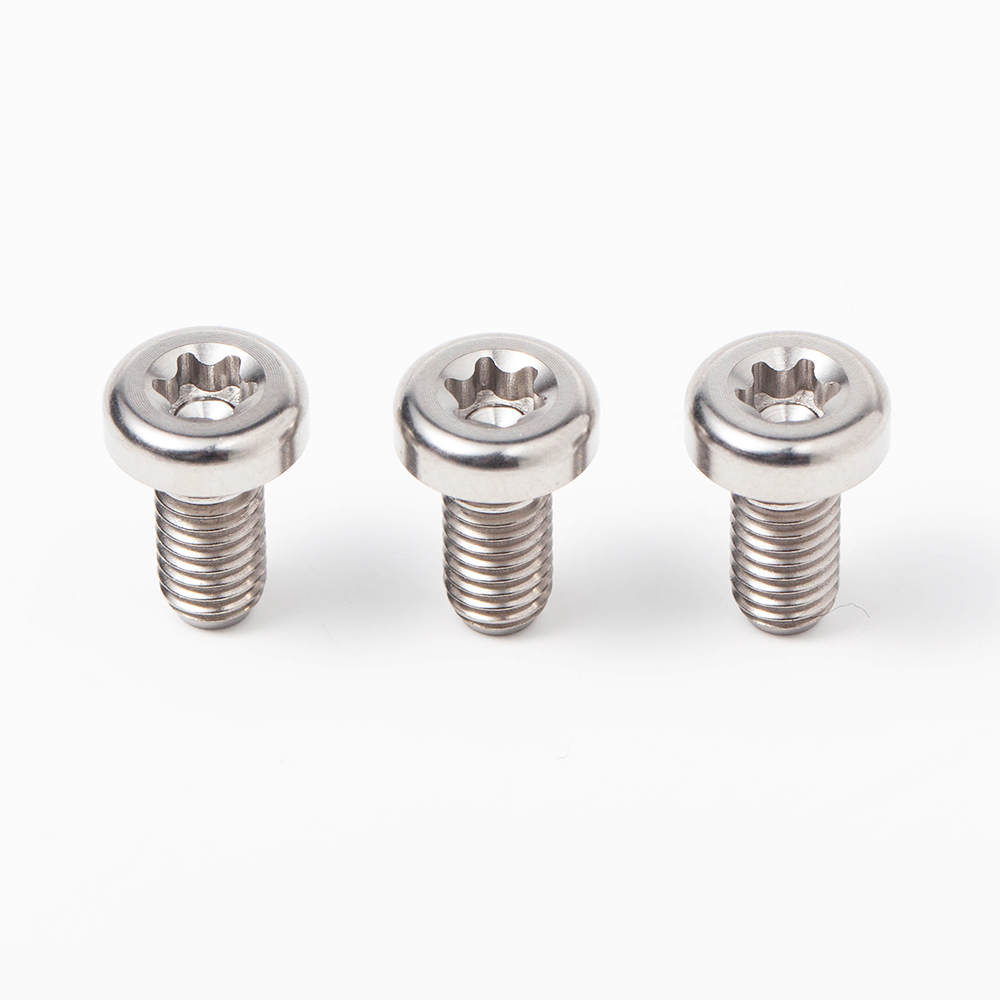
Engineering Catalog
Precision Titanium Fasteners & Flange Solutions for Finland
Precision CNC-turned and rolled-thread Grade 5 titanium flange nuts, hex bolts, and specialized hardware delivering up to 45% weight reduction and lifetime corrosion immunity.
Technical Whitepaper: Engineering Titanium Flange Fasteners for the Finnish Industrial Landscape
As industrial automation, maritime electrification, and high-performance engineering accelerate throughout Finland—from the shipyards of Turku and Rauma to the cleantech clusters in Helsinki, Tampere, and Oulu—fastener failure under cryogenic stress and cyclic corrosive fatigue has surfaced as an operational liability. Jiaxing Wexra Titanium Products Co., Ltd. supplies high-precision Grade 5 (Ti-6Al-4V) and Grade 2 commercial pure titanium flange nuts conforming to DIN 6923, ISO 4161, and custom OEM prints specifically formulated to eradicate cold-embrittlement and galvanic degradation.
Cryogenic Stability & Fracture Toughness in Finnish Winters
Conventional martensitic and alloy steels widely deployed in mechanical applications (such as Class 8.8 or 10.9 fasteners) undergo a severe ductile-to-brittle transition temperature (DBTT) when operating between -20°C and -50°C during Finnish sub-arctic winters. This phenomenon frequently results in brittle intergranular catastrophic fracture across heavy cargo vehicle chassis, forestry harvesters, and offshore loading towers. In sharp contrast, Wexra Grade 5 Titanium retains superior fracture toughness (KIC values > 75 MPa·m½) down to cryogenic temperatures (-196°C). Its close-packed hexagonal (alpha-beta) crystal lattice prevents shock-load cleavage failure, guaranteeing continuous clamp-load retention across outdoor Arctic mining equipment, wind power hub attachments, and utility installations.
Hydrodynamic Integrity and Baltic Sea Chloride Resistance
The brackish waters of the Gulf of Finland and Bothnian Sea present an aggressive environment where standard stainless steel (A2-70 / AISI 304) and even marine-grade A4-80 (AISI 316) suffer from localized pitting, crevice erosion, and stress corrosion cracking (SCC) beneath the nut bearing surface. Wexra titanium flange nuts leverage a chemically inert, instantaneous self-healing titanium dioxide (TiO2) passive film. When tightened in marine propulsion thrusters, autonomous subsea inspection sensors, or naval desalination manifolds, the integral wide-flange design disperses axial clamping pressure evenly over composite or aluminum mating surfaces, mitigating localized protective-layer mechanical shear while providing an absolute pitting resistance equivalent number (PREN) virtually impenetrable by chloride ions.
| Performance Characteristic | Wexra Titanium Gr5 (Ti-6Al-4V) | Stainless Steel A4-80 (AISI 316) | Alloy Steel Class 10.9 |
|---|---|---|---|
| Density (Weight Ratio) | 4.43 g/cm³ (~44% Lighter) | 8.00 g/cm³ | 7.85 g/cm³ |
| Minimum Tensile Strength | 895 - 950 MPa | 800 MPa | 1040 MPa |
| Yield Strength (0.2% Offset) | 828 MPa | 600 MPa | 940 MPa |
| Ductile-to-Brittle Transition | None (< -196°C Toughness) | Gradual decline (-40°C risk) | Severe Brittle Shift (-20°C) |
| Chloride Pitting (Baltic Sea) | Immune (Zero Pitting Rate) | Moderate Crevice Corrosion | Rapid Degradation / Rust |
Integrated Flange Design vs. Washer-Nut Assemblies
Traditional two-piece nut-and-washer configurations used in heavy vibration assemblies—such as Ponsse-type forestry harvesters and high-frequency vibratory mining screeners—introduce multiple micro-movement contact interfaces. Under cyclic lateral loading, washer displacement causes rapid loss of preload torque. Wexra DIN 6923 titanium flange nuts feature precision one-piece forging with cold-formed integral serrations or ground flat-bearing surfaces. This single-element geometry increases friction area, dampens harmonic resonances, and protects expensive lightweight alloy rims, motorcycle subframes, and carbon-fiber composite components from surface scoring during high-torque tightening cycles.
Finnish Industry Integrations
Tailored Deployment Across Finnish High-Tech Verticals
Engineered to resolve structural, thermal, and chemical stress vectors across Finland's primary mechanical and industrial manufacturing domains.
Arctic Heavy Forestry & Mining Machinery
Deployed in extreme Northern Ostrobothnia and Lapland forestry cutters and underground mining loaders. Prevents chassis bolt loosening from hydraulic shock loads and eliminates sub-zero embrittlement failures.
Baltic Marine Propulsion & Ice-Breakers
Integral component for cruise liner auxiliary power units, icebreaker steerable propulsion pods, and seabed telemetry housings in Helsinki and Turku shipyards, resisting continuous saltwater cavitation.
High-Performance Motorsport & Snowmobiles
Crucial for Rovaniemi and Arctic Circle snowmobile racing, custom electric hypercars, and Enduro rally suspension mounts where unsprung rotating mass reduction directly improves handling dynamics.
Emerging Trends
Finland's Strategic Shift Toward Titanium Fastening Solutions
Key drivers changing the procurement criteria of Nordic mechanical and procurement engineers through 2030.
Marine Decarbonization & Lightweighting
With Finnish maritime OEMs committed to hydrogen fuel-cell ferries and hybrid electric harbor vessels, shaving deadweight above the waterline requires high-strength titanium fasteners across battery packs and decks.
Circular Economy & Lifetime Fasteners
Finnish sustainability mandates encourage the adoption of indefinitely serviceable materials. Replacing rust-prone coated steel with reusable Grade 5 titanium eliminates continuous chemical maintenance cycles.
Additive Manufacturing Compatibility
As Finland's defense and aerospace ecosystems embrace 3D-printed titanium topology-optimized structures, matching them with identical-alloy Gr5 flange fasteners avoids galvanic coupling entirely.
Manufacturer Profile
Why Finnish Buyers Partner with Jiaxing Wexra Titanium
Direct manufacturer capabilities from Jiaxing, Zhejiang—combining raw material traceability, cold roll threading, and stringent ISO 9001:2015 quality control.
Full Chemical Traceability
EN 10204 3.1 Mill Test Certificates (MTC) supplied with every lot. Optical spectrometer composition analysis and tensile stress verification guaranteed.
Thread Rolling Technology
Unlike cut threads that tear the titanium grain structure, our rolled threads ensure continuous grain flow, enhancing fatigue strength by 30% under cyclical loading.
EU & Finnish Compliance
Fully compliant with EU RoHS and REACH environmental regulations. Transparent documentation simplifies Finnish customs entry at Vuosaari and Kotka ports.
Advanced Anodizing Finishes
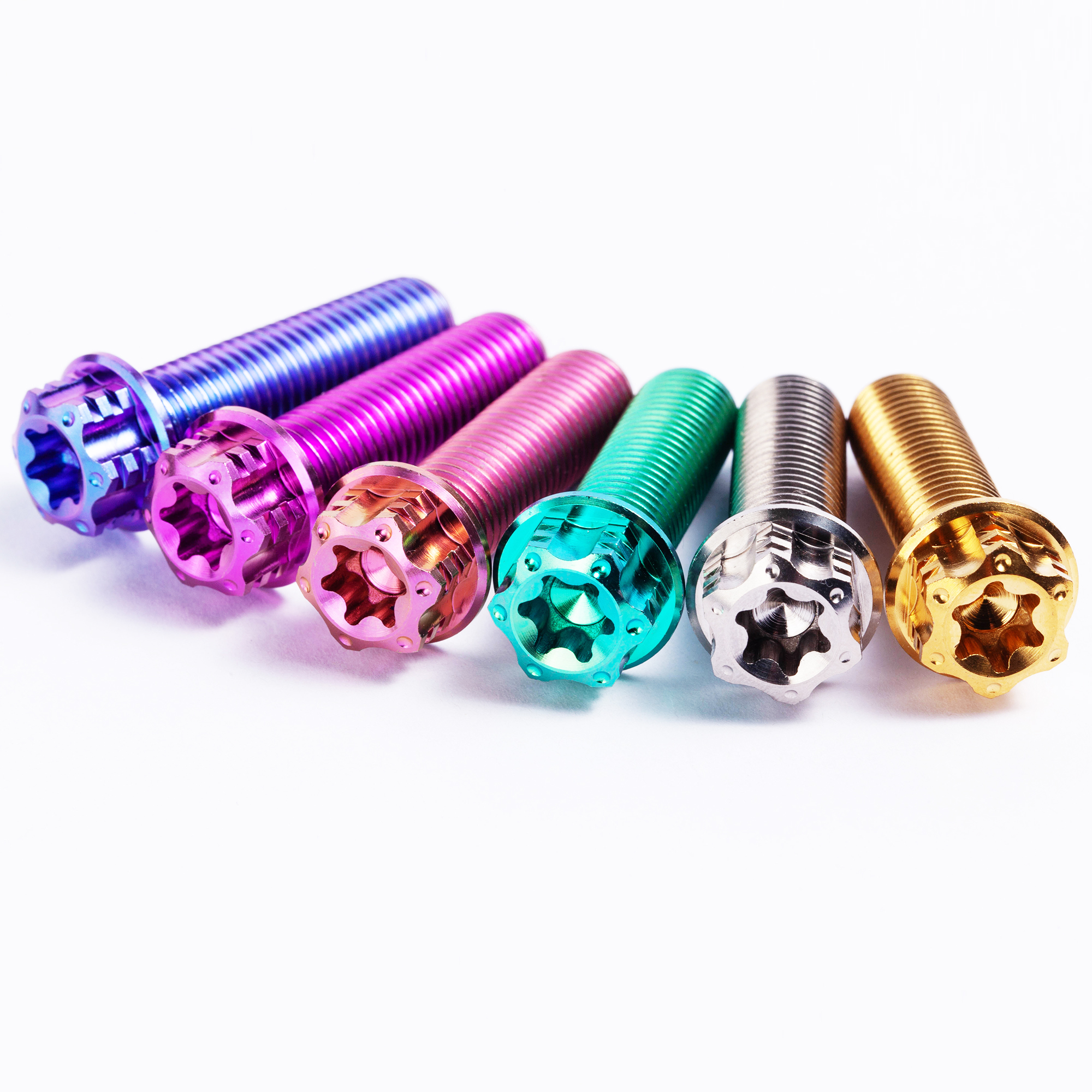
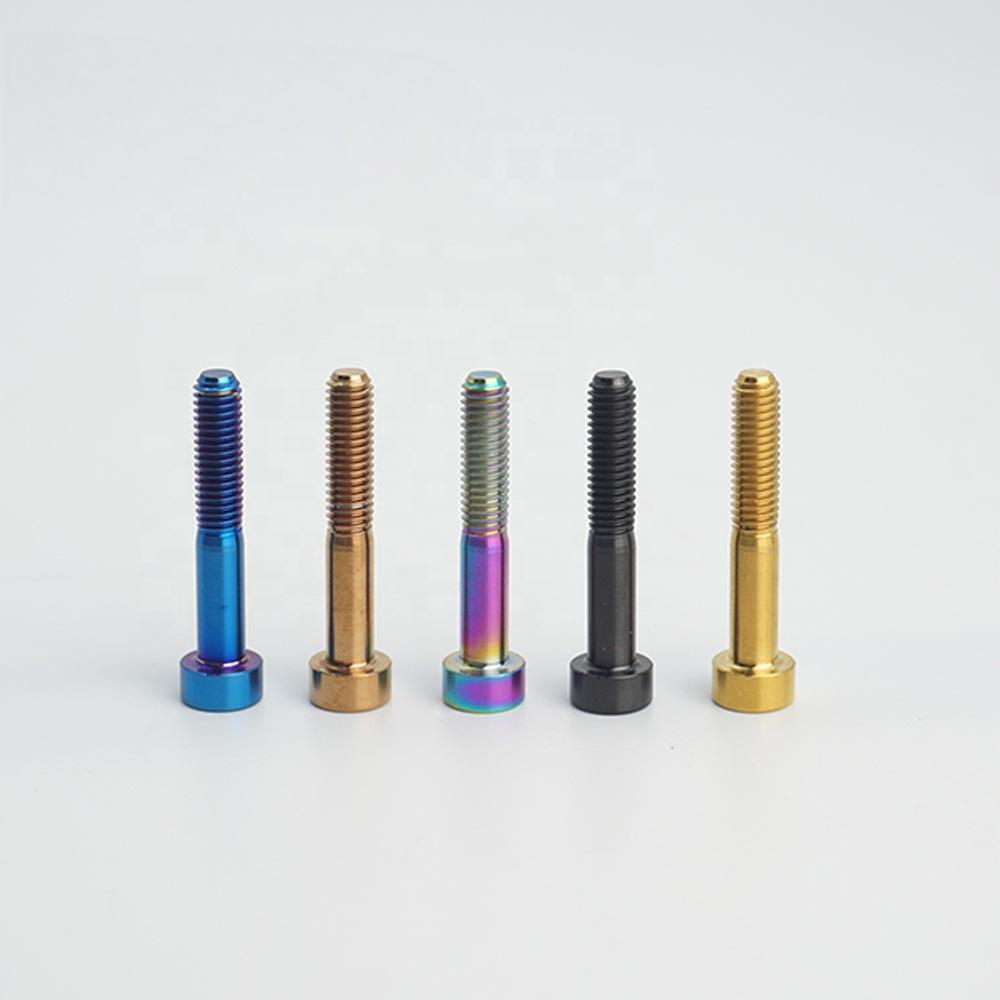
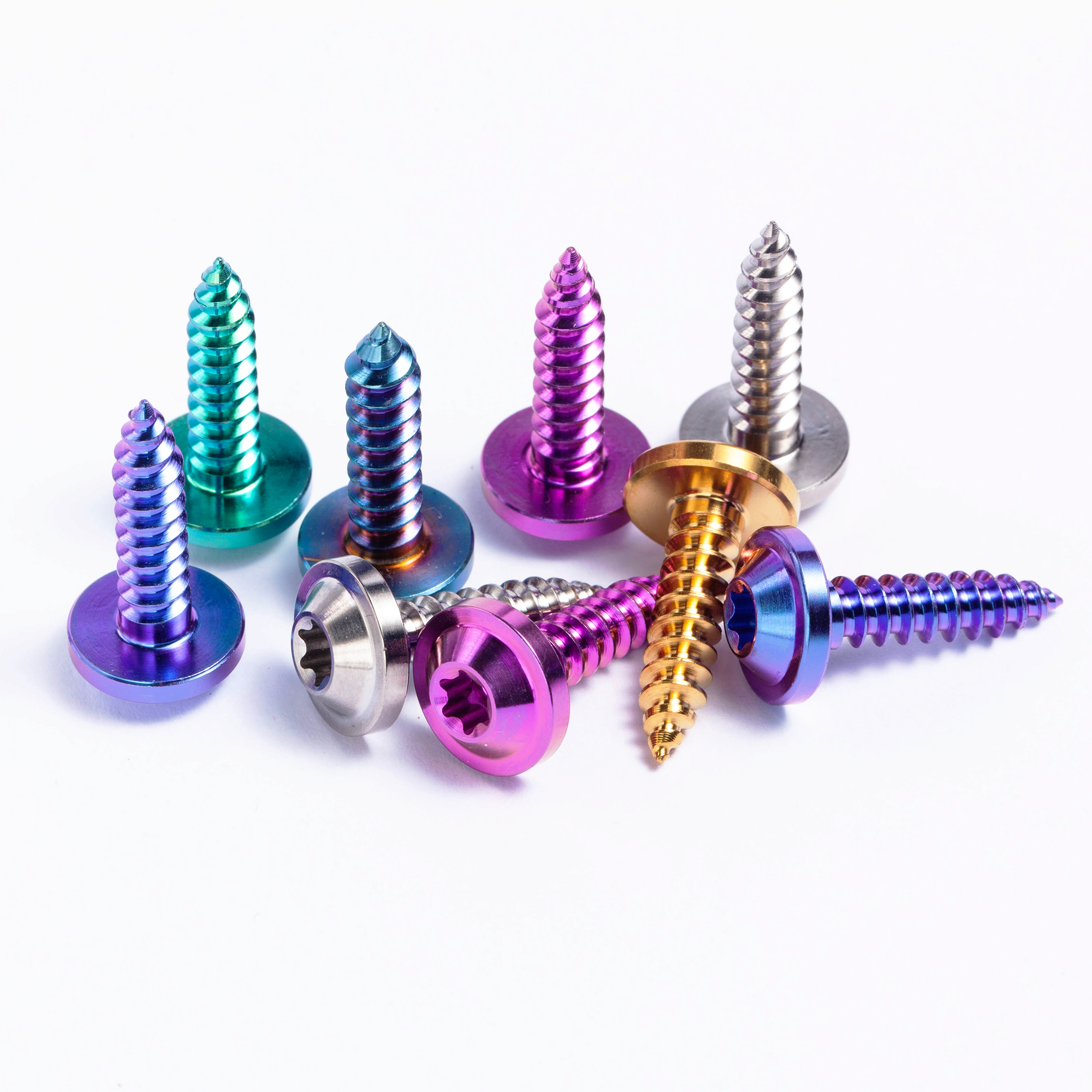
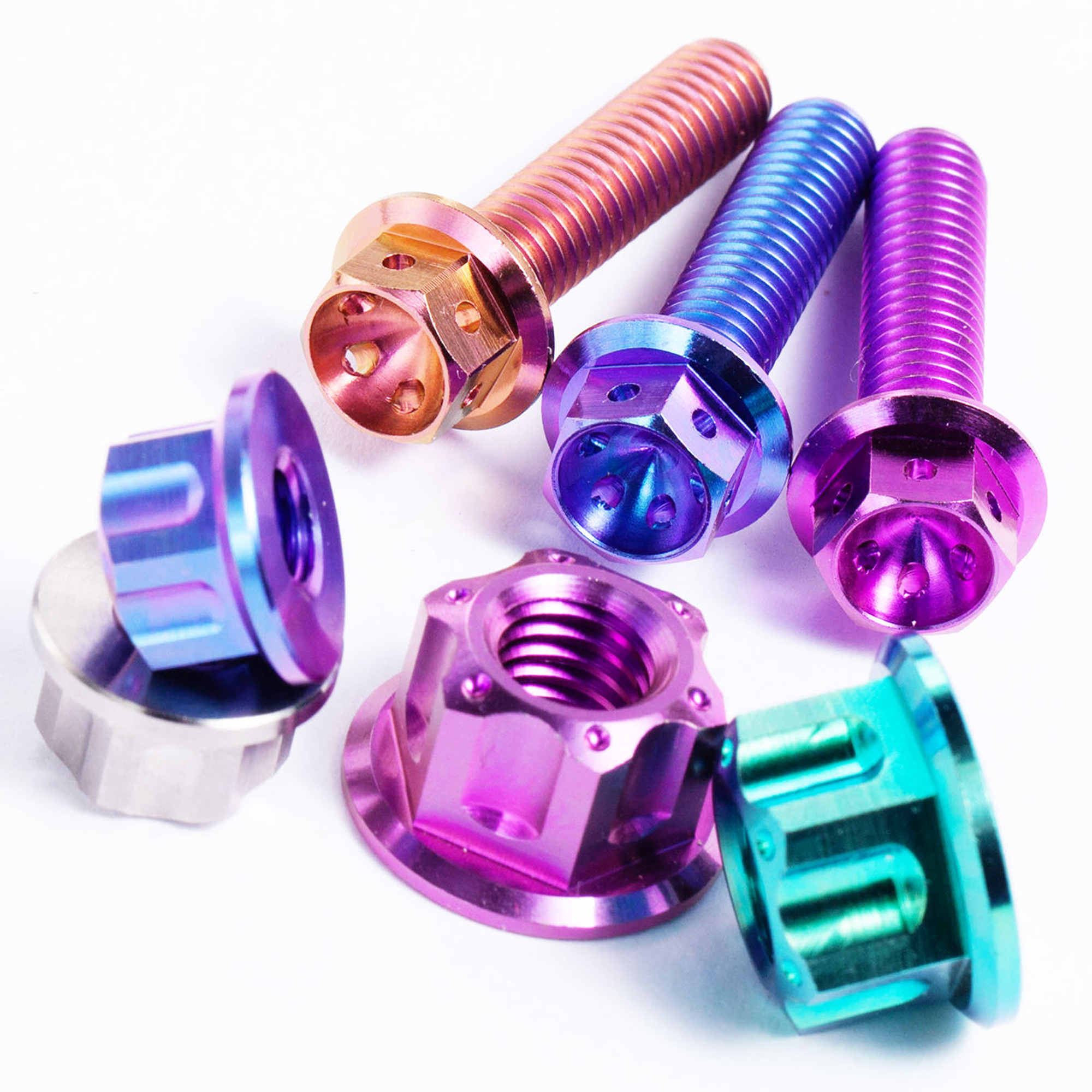
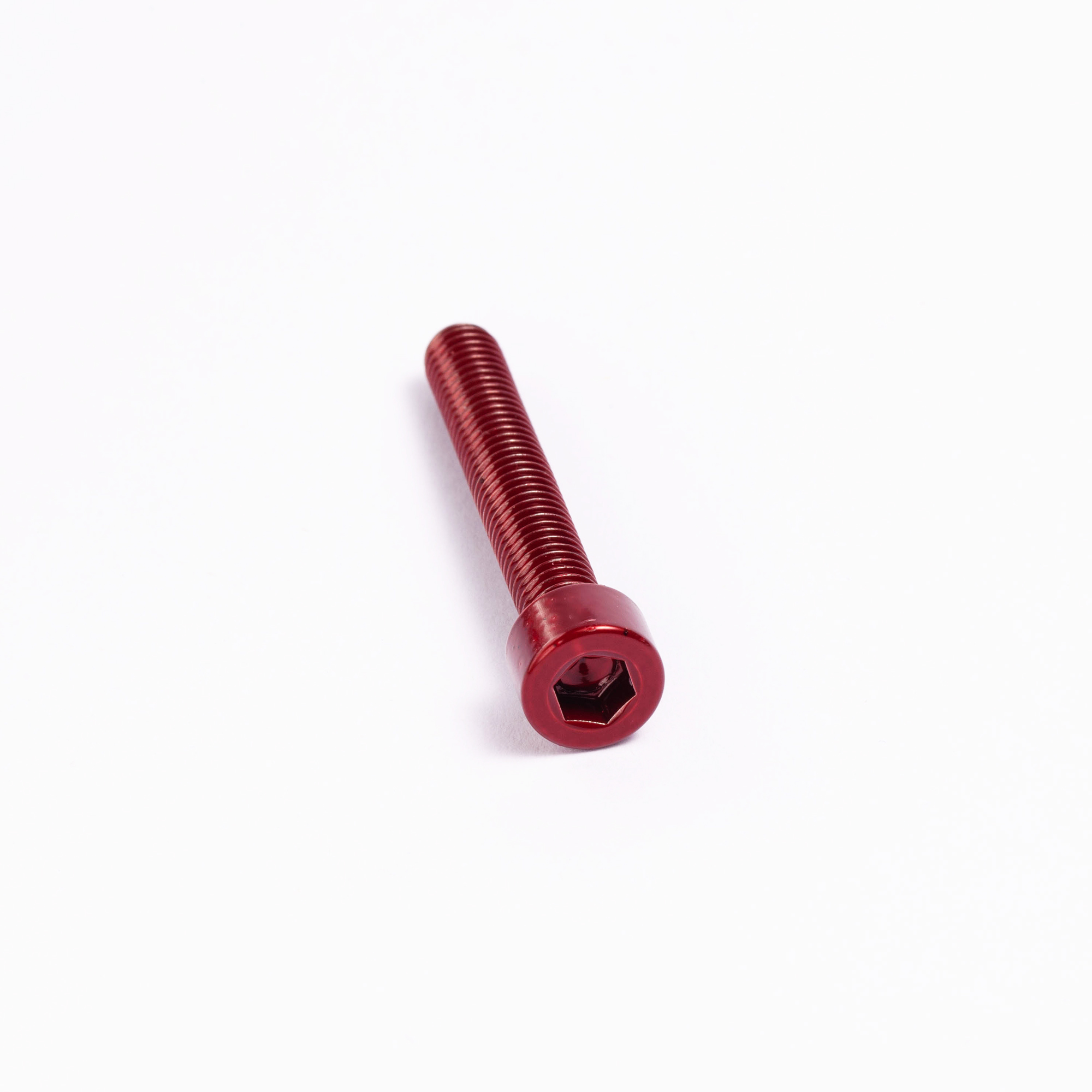
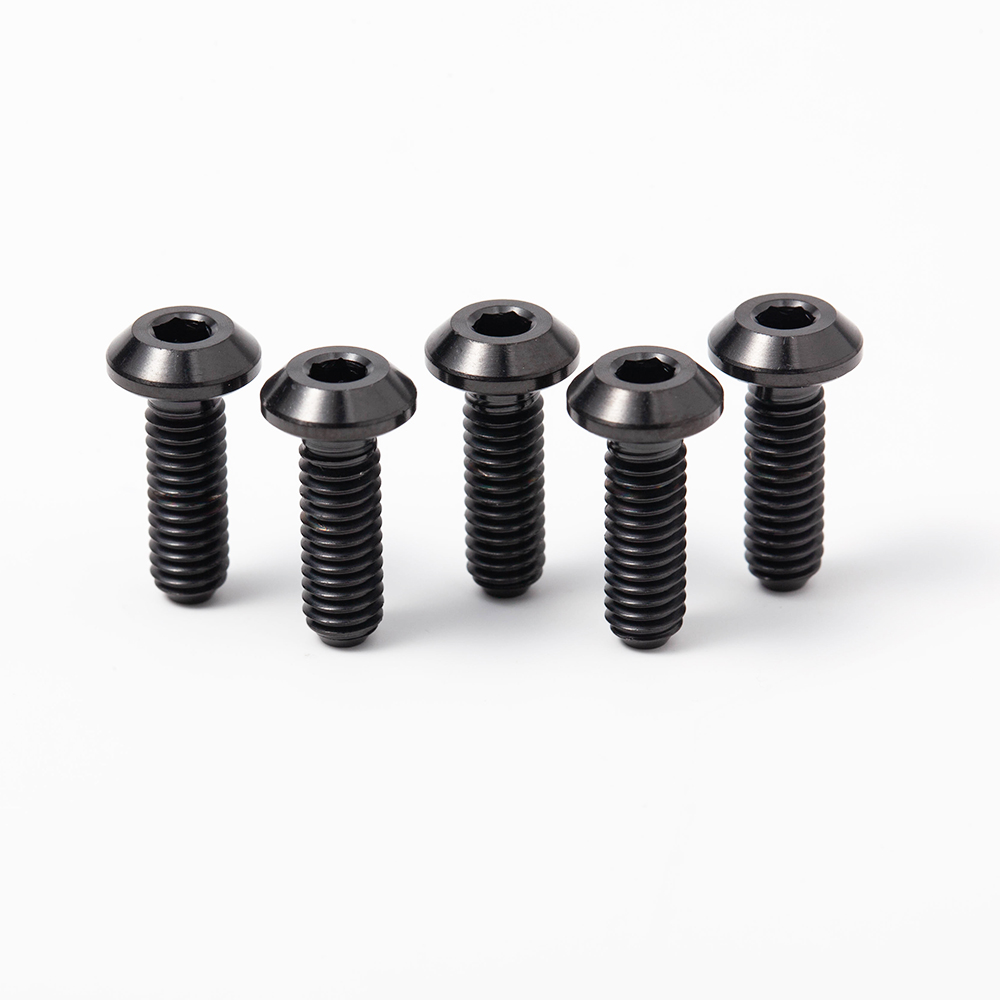
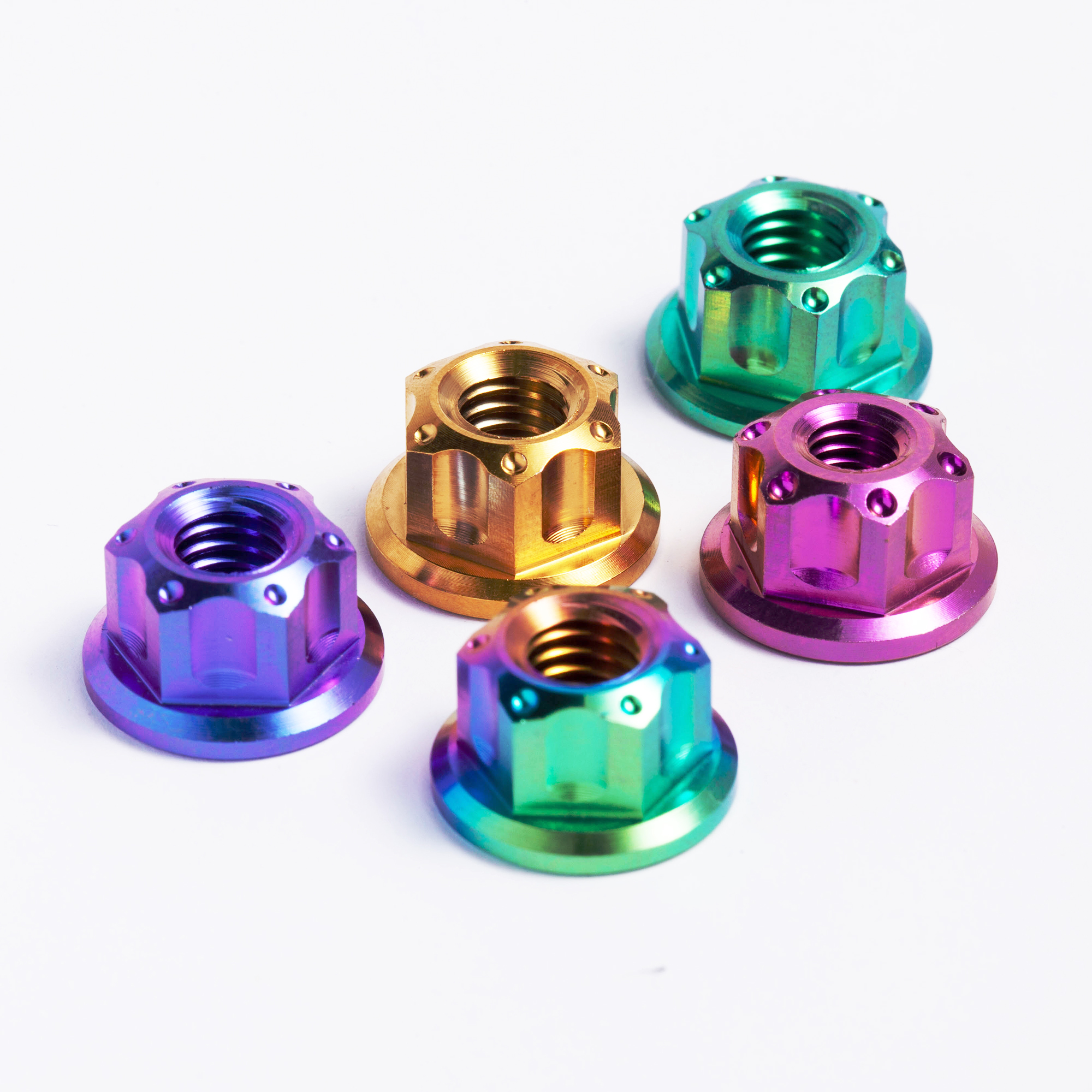
In-house electrochemical anodizing providing distinct coloration (Burnt Blue, Gold, Purple, Green, Black PVD) without altering thread pitch tolerances.
Procurement Guidance
Frequently Asked Questions for Finnish Hardware Importers
Direct technical answers addressing customs, corrosion, thread galling, and DIN standard conversions.
How do Wexra titanium flange nuts prevent thread galling when paired with titanium bolts?
Titanium alloys exhibit a high friction coefficient that can cause cold-welding (galling) if tightened dry under high preloads. For Finnish industrial applications, Wexra recommends utilizing an anti-seize paste formulated with molybdenum disulfide (MoS2) or copper/aluminum particles. Furthermore, Wexra offers specialized surface treatments including micro-arc oxidation (MAO) and low-friction PVD coatings that significantly suppress friction coefficients for dry or low-maintenance installations.
What is the lead time and standard shipping route to Finland (Helsinki / Tampere / Turku)?
Standard catalog items (DIN 6923 M5 to M12) ship from stock within 48 to 72 hours via air express (DHL/FedEx/UPS), reaching Finnish facilities in 4 to 7 business days. For volume manufacturing orders (over 10,000 units), scheduled consolidated sea freight to Port of Helsinki (Vuosaari) or rail transit through the Eurasian logistics corridor takes approximately 28 to 35 days, complete with automated customs cleared commercial invoices.
Can Wexra produce non-standard titanium flange nuts from custom Finnish technical drawings?
Yes. Operating an advanced CNC workshop equipped with 3-axis, 4-axis, and multi-spindle turning centers, Wexra executes custom OEM/ODM production based on STEP, DXF, or PDF blueprints. Whether you require extended flange diameters, fine pitch threads (e.g., M10x1.25, M12x1.5), castle locking slots, or safety wire holes, our engineering staff can review DFM parameters within 8 business hours.
Does the anodized surface layer on titanium fasteners scratch off easily in harsh winter grit?
Unlike paint or traditional powder coating, titanium anodizing is not an added topcoat; it is an electrochemically controlled microscopic growth of the natural titanium oxide (TiO2) film that refracts light at specific wavelengths. Because it integrates directly into the atomic structure of the fastener, it does not chip, flake, or peel under road salt, crushed granite grit, or extreme sub-zero exposure.
Can Grade 5 titanium flange nuts directly substitute for Grade 10.9 steel flange nuts?
Yes, in the vast majority of critical dynamic applications. Ti-6Al-4V Grade 5 offers an ultimate tensile strength of 895–950 MPa, closely approaching Class 10.9 steel (1040 MPa), while providing double the fatigue endurance limit and cutting weight by 44%. When designing the joint, our technical support engineers provide calibrated torque recommendations to achieve equivalent clamping tension without over-stretching the threads.