Specialized Titanium Micro Fasteners & CNC Assemblies
Certified Ti-6Al-4V (Grade 5) and Commercially Pure Grade 2 components engineered specifically for high-stress, corrosive, and weight-critical environments across Denmark and Northern Europe.
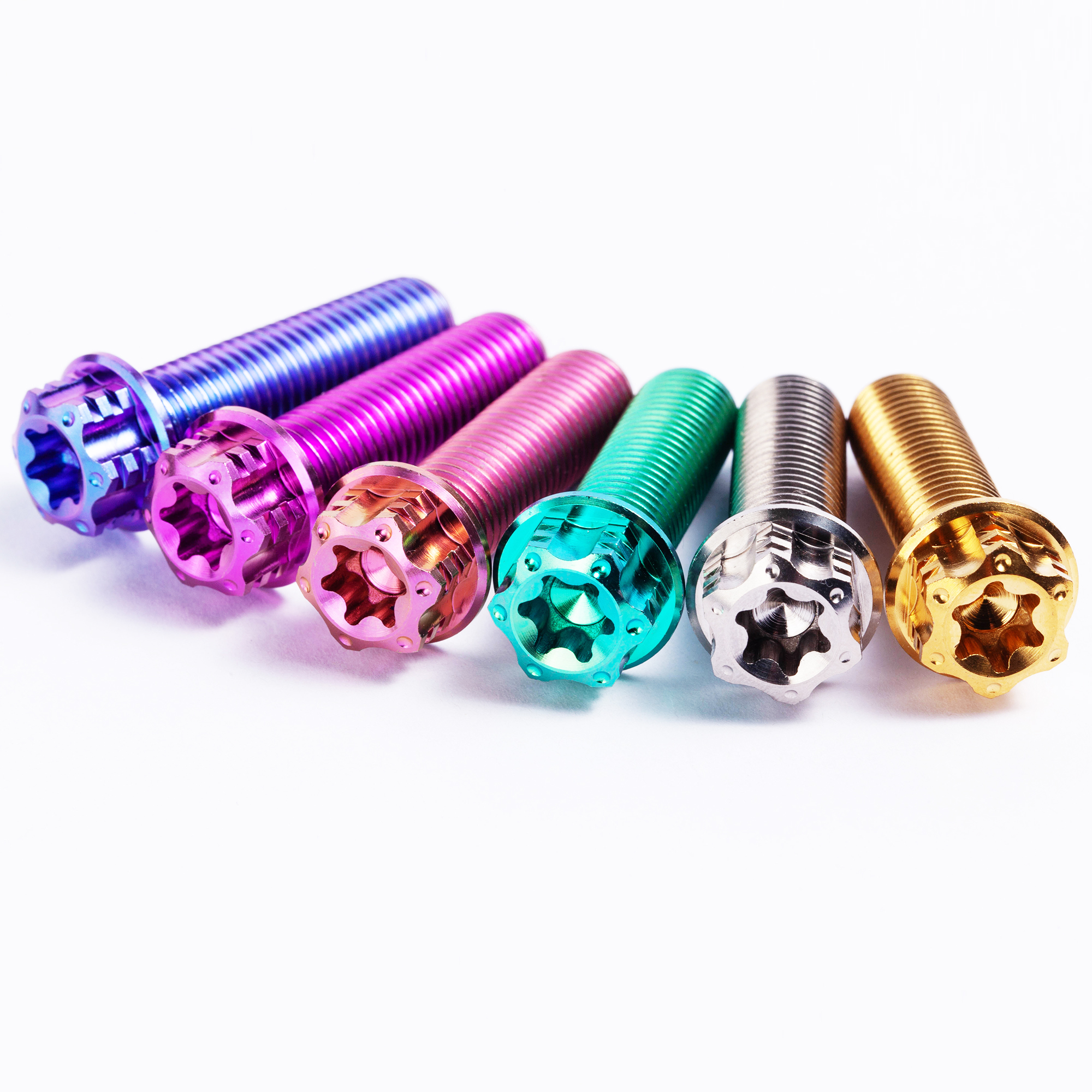
BST-TI ISO Certified Anodized Titanium Gr5 Flange Socket Bolts
M6/M10 Torx 12-point precision fasteners engineered to Class 10.9 structural load ratings for performance assemblies.
Explore Specifications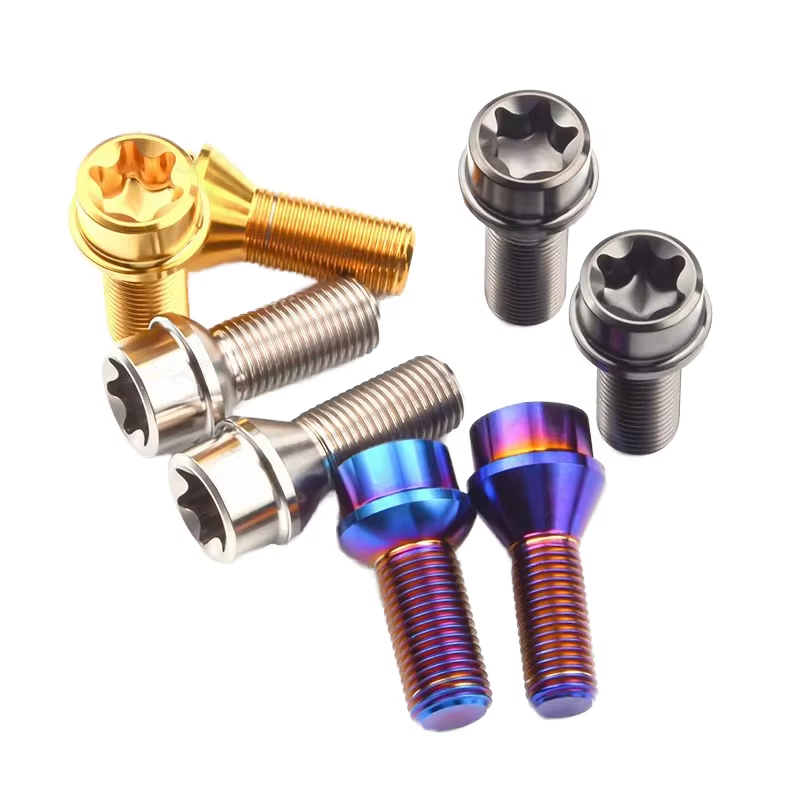
M6-M12 Titanium Gr5 Hex Head Flange Lug Bolts
Corrosion-proof multi-pitch flange lug bolts engineered with rolled micro-threads for motorsport and performance hubs.
Explore Specifications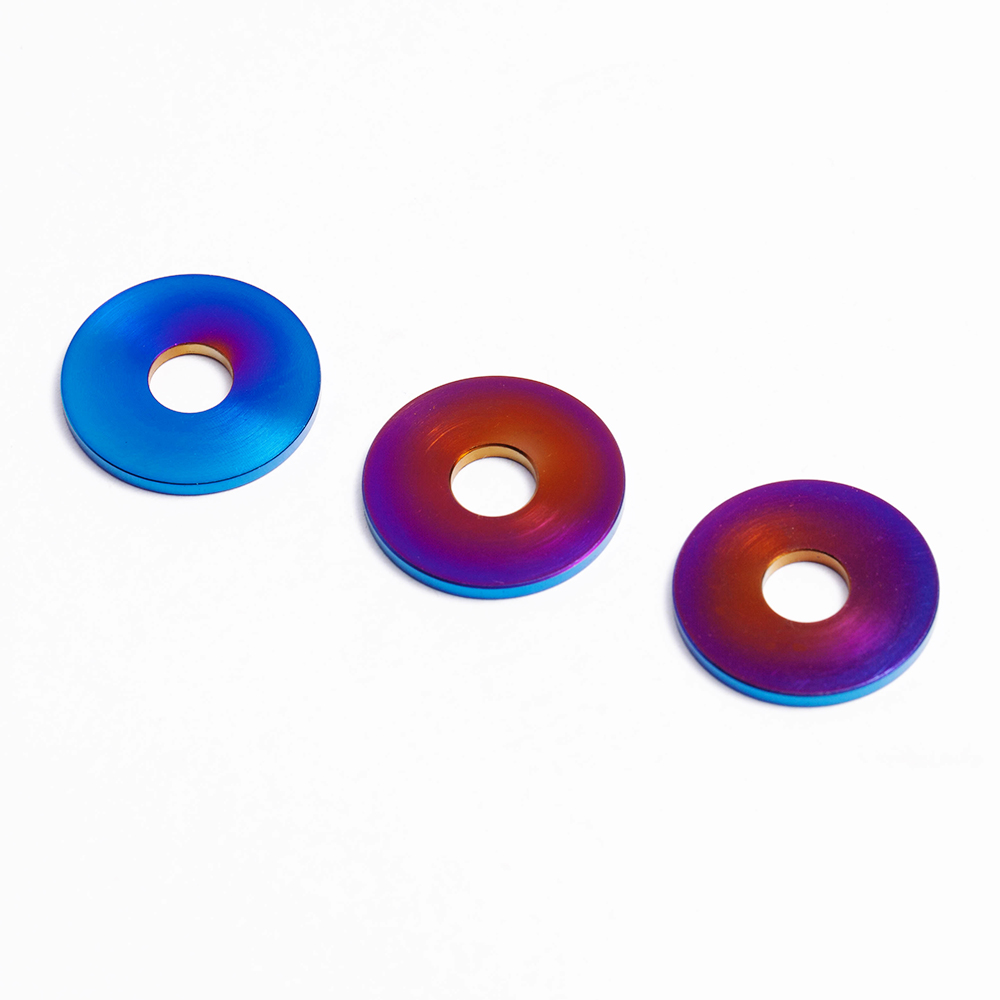
BST-TI Gr5 Titanium Burnt Blue Washer Spacers
High-precision 5mm thickness spacers finished with custom burnt-blue anodized protective micro-oxide barrier.
Explore Specifications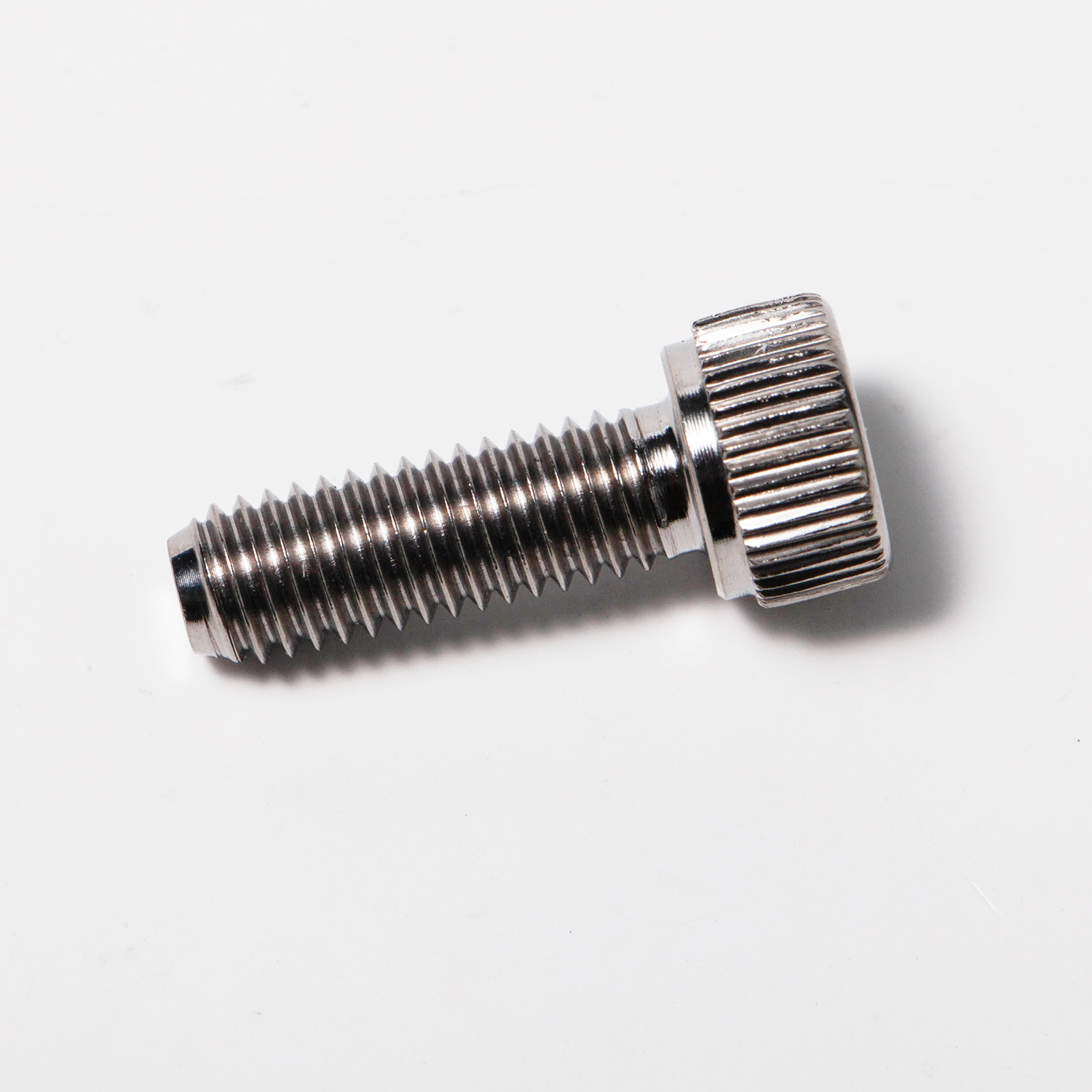
Titanium Alloy Hexagon Socket Head Cap Screws
Precision CNC-turned DIN 912 fasteners offering 44% weight reduction compared to standard steel hardware.
Explore Specifications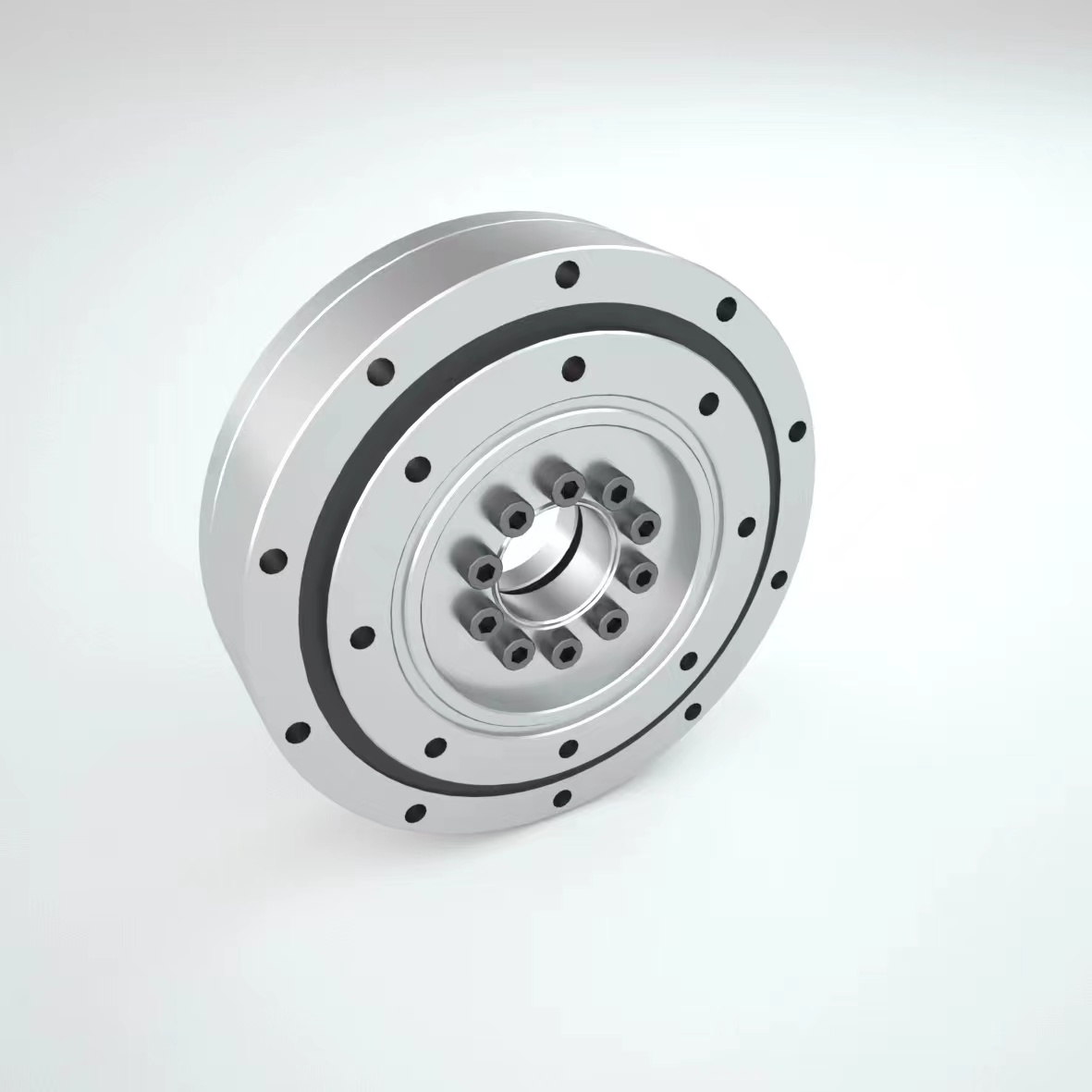
High Torque Harmonic Drive Reducer Wave Generator
Robotics-grade motion transmission components designed for zero-backlash precision robotic arms and cobots.
Explore Specifications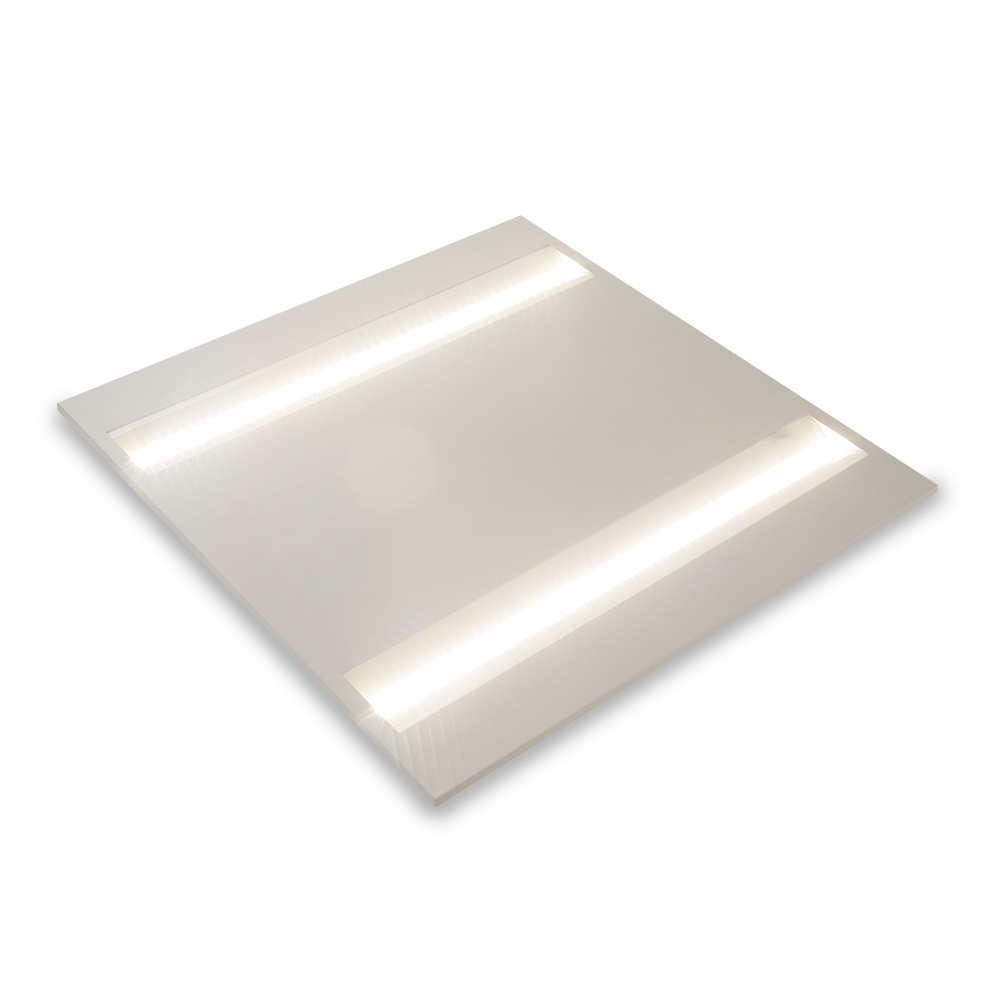
LENS 13 Architectural Fixture Optics & Fasteners
Architectural interior lighting fixtures integrating non-magnetic titanium micro retention hardware and high CRI.
Explore Specifications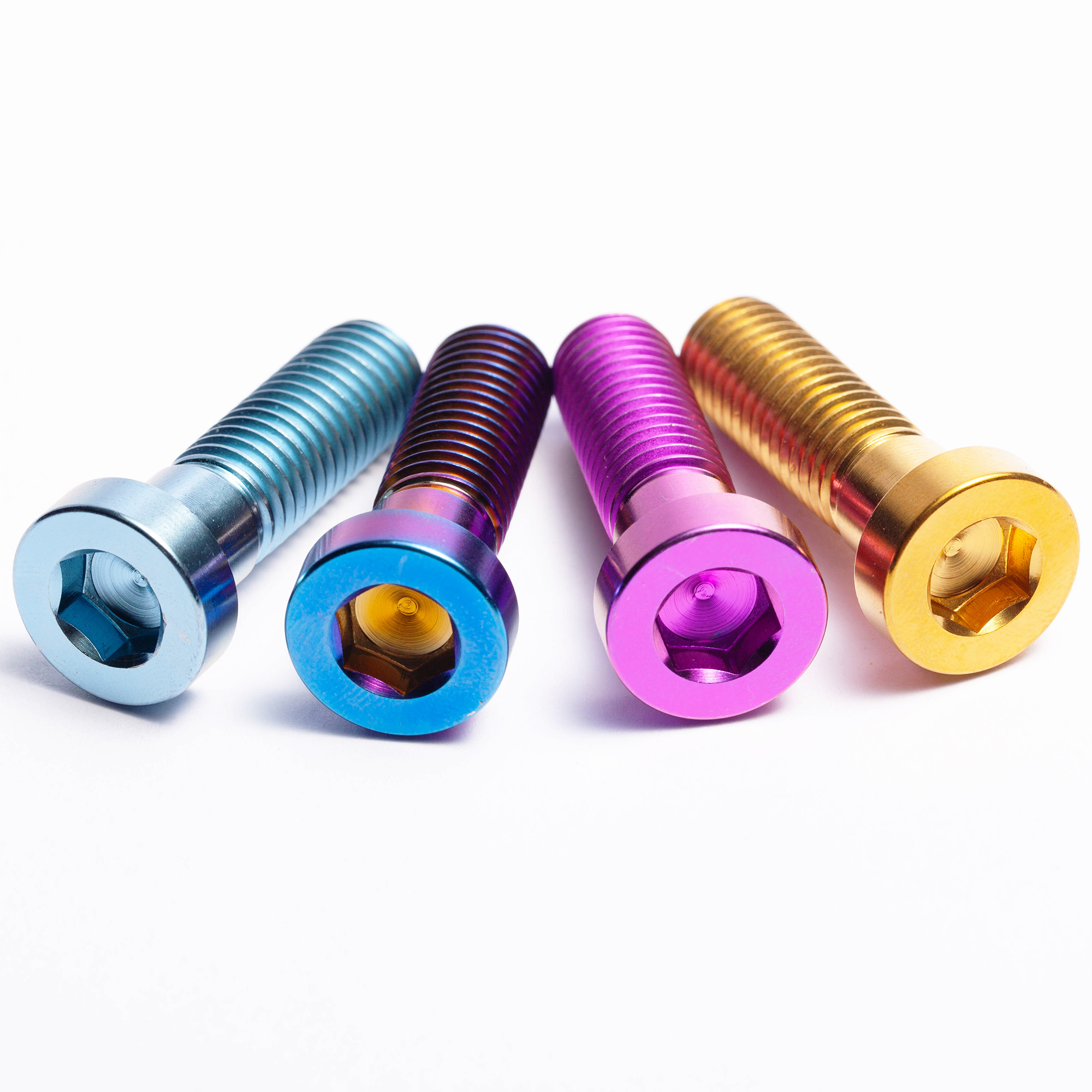
DIN 6912 Low Head Socket Cap Bolts
Low-profile head titanium socket bolts engineered specifically for compact robotics housings and aerospace clearance.
Explore Specifications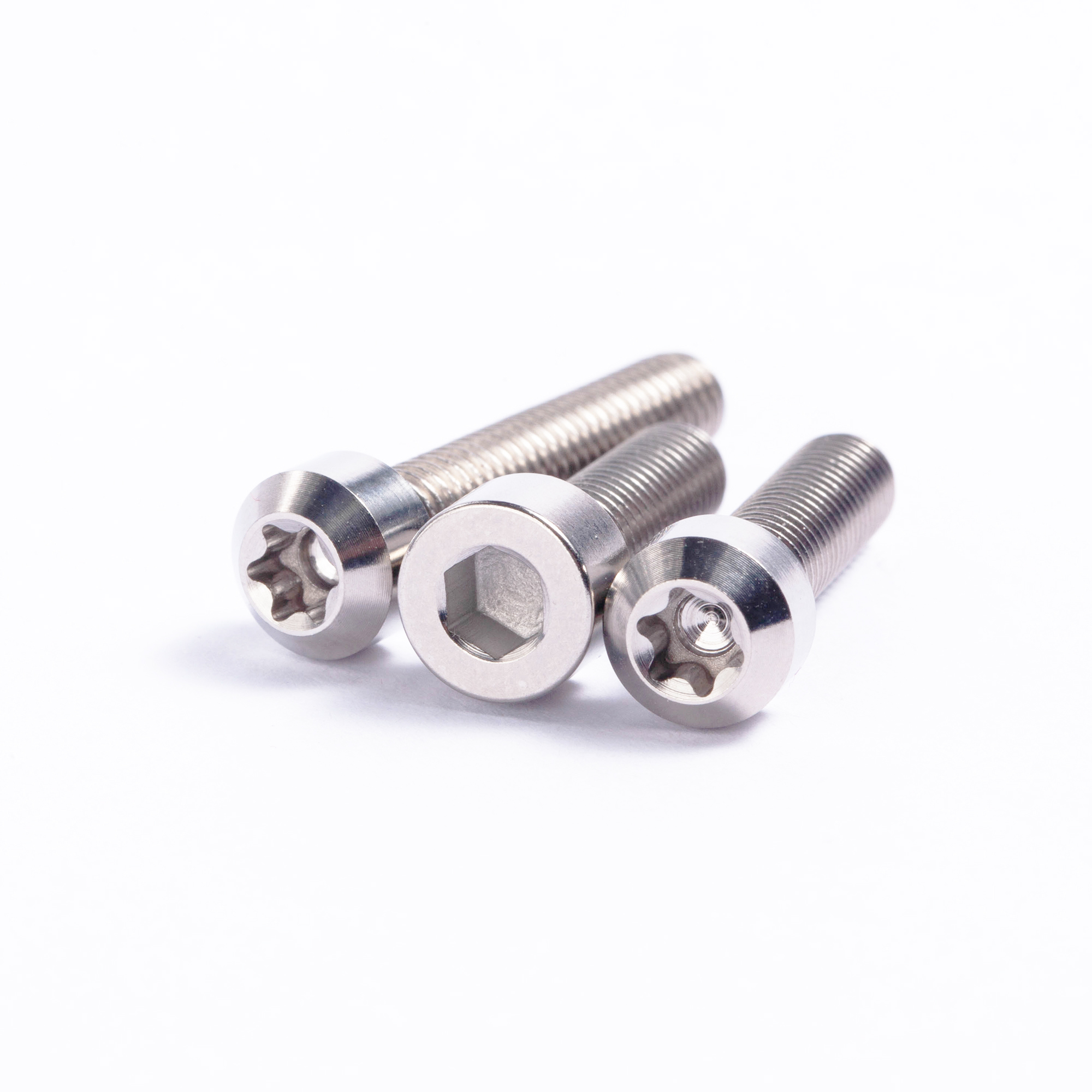
BST-TI Polished Gr5 Disc Brake Heng Bolts
High-tensile 12-point M5/M7/M8 rotor attachment hardware certified to withstand dynamic shear and cyclic thermal stress.
Explore SpecificationsLocalized Application Scenarios in Copenhagen & the Greater Capital Region (Hovedstaden)
Copenhagen stands as one of the world's most sophisticated epicenters for advanced industrial design, clean-tech, medtech innovation, and high-performance maritime engineering. From the Medicon Valley biomedical corridor stretching across the Øresund bridge to the high-tech automation clusters in Glostrup and Ballerup, precision engineering components face distinct operating environments. For Danish engineers and procurement heads, selecting titanium micro components is not merely a weight optimization strategy—it is a critical hedge against severe chloride marine corrosion and cyclic biomechanical fatigue.
Our titanium micro parts, fasteners, and micro-machined shafts provide direct technical advantages across three dominant Copenhagen industrial ecosystems:
Medicon Valley Medical & Diagnostic Micro-Systems
Surgical instruments, endoscopic robotic grippers, and fluidic micro-valves demand Grade 5 ELI (ASTM F136) or Grade 2 biocompatibility. Our CNC Swiss-lathe turning eliminates galvanic contamination and ensures passive titania layer formation (TiO2), vital for diagnostic sterility in Danish clinics.
Øresund Marine & Offshore Acoustic Instrumentation
Sensors, micro-buoys, and subsea acoustic transponders exposed to Baltic and North Sea brackish waters experience accelerated pitting in conventional 316L stainless steel. Wexra titanium Grade 5 micro fittings provide indefinite immunity to crevice corrosion up to elevated temperatures.
Urban Green-Mobility & Performance Cargo Platforms
As Copenhagen drives toward climate neutrality, ultra-lightweight cargo e-bikes and urban micro-mobility platforms require titanium linkages, harmonic reducers, and high-shear disc brake bolts (DIN 6912/DIN 912) capable of resisting winter de-icing salts without structural embrittlement.
Metallurgical Comparison: Why Copenhagen Engineers Transition from Stainless Steel to Titanium Alloys
Material failure in micro-mechanical assemblies typically originates at the micro-thread root due to stress concentration, galvanic degradation, or thread galling. When deploying fasteners smaller than M4 or specialized wave generator reducers, metallurgical purity directly governs fatigue life. The table below illustrates the empirical performance delta between commercially pure titanium, Grade 5 Ti-6Al-4V, and baseline European engineering alloys.
| Alloy Specification | Density (g/cm³) | Tensile Strength (MPa) | Yield Strength (MPa) | PREN (Pitting Resistance Index) | Non-Magnetic Property |
|---|---|---|---|---|---|
| Titanium Gr5 (Ti-6Al-4V / 3.7165) | 4.43 | 950 - 1050 | 880 - 920 | Immune (TiO2 Self-Passivating) | 100% Non-Magnetic (μr < 1.00005) |
| Titanium Gr2 (CP Pure / 3.7035) | 4.51 | 390 - 540 | 275 - 450 | Immune to ambient saltwater | 100% Non-Magnetic |
| Stainless Steel 316L (1.4404) | 7.98 | 520 - 680 | 220 - 300 | 23 - 25 (Susceptible to crevice pitting) | Permeable after cold deformation |
| High-Tensile Alloy Steel (Class 10.9) | 7.85 | 1040 | 940 | Zero (Requires galvanization/coating) | Strongly Ferromagnetic |
By specifying Wexra Ti-6Al-4V fasteners and micro components, Danish procurement teams achieve an immediate 44% mass reduction compared to steel hardware, combined with rolled (not cut) micro-threads that elevate cyclical fatigue threshold by over 32% under severe pre-tension.
Danish Industry Trends: The Shift Toward Lightweight, Sustainable Micro-Engineering
Three distinct structural market shifts are shaping procurement requirements in Copenhagen and the Nordic manufacturing region:
1. Stringent Decarbonization & Scope 3 Verification
Under Danish climate frameworks and EU ESG disclosure laws, original equipment manufacturers are required to assess component life-cycle longevity. Titanium micro parts eliminate the hazardous secondary chemical plating processes (such as cadmium, hexavalent chromium, or zinc-nickel coatings) needed to prevent steel hardware corrosion, enabling 100% recyclable, inert, cradle-to-cradle lifecycle performance.
2. Cobot Compactness & Zero-Backlash Transmission
With Denmark establishing itself as a global powerhouse in collaborative robotics (Cobots), mechanical space envelopes are contracting. Micro harmonic reducers and ultra-flat head fasteners (such as DIN 6912 socket cap bolts) must bear intense dynamic torque without head shear or rotational mass inertia, making Grade 5 titanium wave generators the preferred structural core.
3. Acoustic & MRI Non-Interference in Life Sciences
Next-generation diagnostic imaging equipment deployed in Danish university hospitals necessitates zero magnetic distortion. Our 100% pure titanium and Ti-6Al-4V fasteners deliver micro-tesla permeability, eliminating interference in high-field 3T and 7T magnetic resonance imaging (MRI) chambers.
Enterprise Competence: Jiaxing Wexra Titanium Products Co., Ltd.
Headquartered in the advanced manufacturing belt of Jiaxing, Zhejiang, China, Wexra Titanium operates as an integrated precision facility specializing exclusively in Grade 2 and Grade 5 (Ti-6Al-4V) titanium product lines. Unlike generalist machine shops handling mixed metals, our production bays, CNC Swiss lathes, 5-axis machining centers, and thread-rolling equipment are dedicated entirely to titanium alloys—preventing cross-contamination from iron or copper particles.
ISO 9001:2015 & European Regulatory Compliance
All operations strictly comply with ISO 9001:2015 quality frameworks. In full alignment with EU single-market trade mandates, our components carry complete CE marking, UKCA compliance, and RoHS/REACH compliance certifications, alongside registration under the German EPR packaging register.
Advanced Surface & Anodizing Chemistry
We provide in-house electrolytic anodizing (gold, burnt blue, cobalt, violet, and rainbow), micro-sandblasting, and optical diamond polishing. Our titanium anodizing builds an ultra-thin protective oxide layer that preserves micro-thread pitch tolerances without causing dimensional deviation.
Exhibitor at Premier European Trade Expos
With verified exports accounting for over 91% of total output across Germany, the UK, the United States, and Scandinavia, we regularly showcase our innovations at top European industry gatherings including EUROBIKE in Frankfurt, ensuring direct technical communication with European engineers.
Frequently Asked Questions by Danish Engineering & Procurement Teams
Q1: How do you guarantee the chemical composition and mill traceability for Danish medical or marine orders?
Every single batch of raw titanium bar or plate originates from certified melting facilities and undergoes ultrasonic flaw detection. We deliver EN 10204 3.1 Mill Test Certificates (MTC) detailing exact chemical composition (Fe, C, N, H, O content) and physical tensile/yield testing reports alongside dimensional CMM inspection data.
Q2: How do you prevent thread galling (cold welding) in micro titanium fasteners during robotic assembly?
Titanium naturally exhibits a higher coefficient of friction than steel. To prevent galling under automated high-speed torque, we produce rolled micro-threads with surface roughness down to Ra 0.4 μm. Furthermore, we can apply anti-galling surface treatments including micro-arc oxidation, MoS2 dry film lubrication, or custom anodizing to optimize thread engagement dynamics.
Q3: What are standard lead times and logistics routes from Jiaxing to Copenhagen Port or Copenhagen Airport (CPH)?
For urgent rapid prototyping and micro-batch trials (10 to 500 pcs), express air freight via DHL/FedEx reaches Copenhagen Airport (Kastrup) within 3 to 5 business days. For containerized volume production, sea shipments are routed via Ningbo or Shanghai Port directly to the Port of Copenhagen or Aarhus with a transit time of approximately 28 to 34 days, accompanied by complete EU customs clearance documentation.
Q4: Can you produce non-standard micro components directly from Danish industrial CAD models?
Yes. We regularly process direct CAD transfers (STEP, IGES, DXF, or native SolidWorks files) with machining tolerances down to ±0.005 mm on multi-axis Swiss-type automated lathes. Our engineers execute thorough Design for Manufacturability (DFM) reviews to identify opportunities for material weight reduction and tooling cost efficiency before cutting begins.