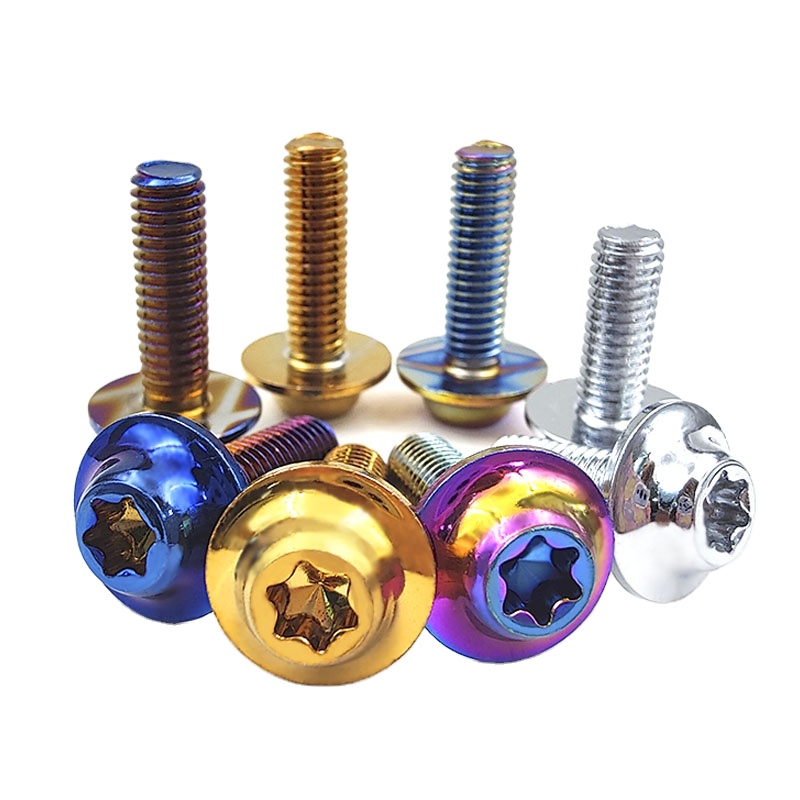
China Top Titanium Pipe Flange Manufacturers & Exporter serving the Linz Market
High-Performance Grade 2 & Grade 5 Titanium Piping Components Built to DIN EN 1092-1 & ASTM B381
AUSTRIA-CENTRIC INDUSTRIAL PROCUREMENT INITIATIVE
Streamlined B2B Engineering Supply to Upper Austria / Linz Industrial Cluster
Providing precision-machined titanium slip-on, weld neck, blind, and threaded pipe flanges alongside ISO/DIN-spec fastening elements. Full material traceability with EN 10204 3.1 certification.
Inquire NowEngineering Components & Specialized Hardware Inventory
Precision CNC-turned and rolled structural assemblies engineered for aggressive corrosion environments, thermal efficiency, and high strength-to-weight demands.
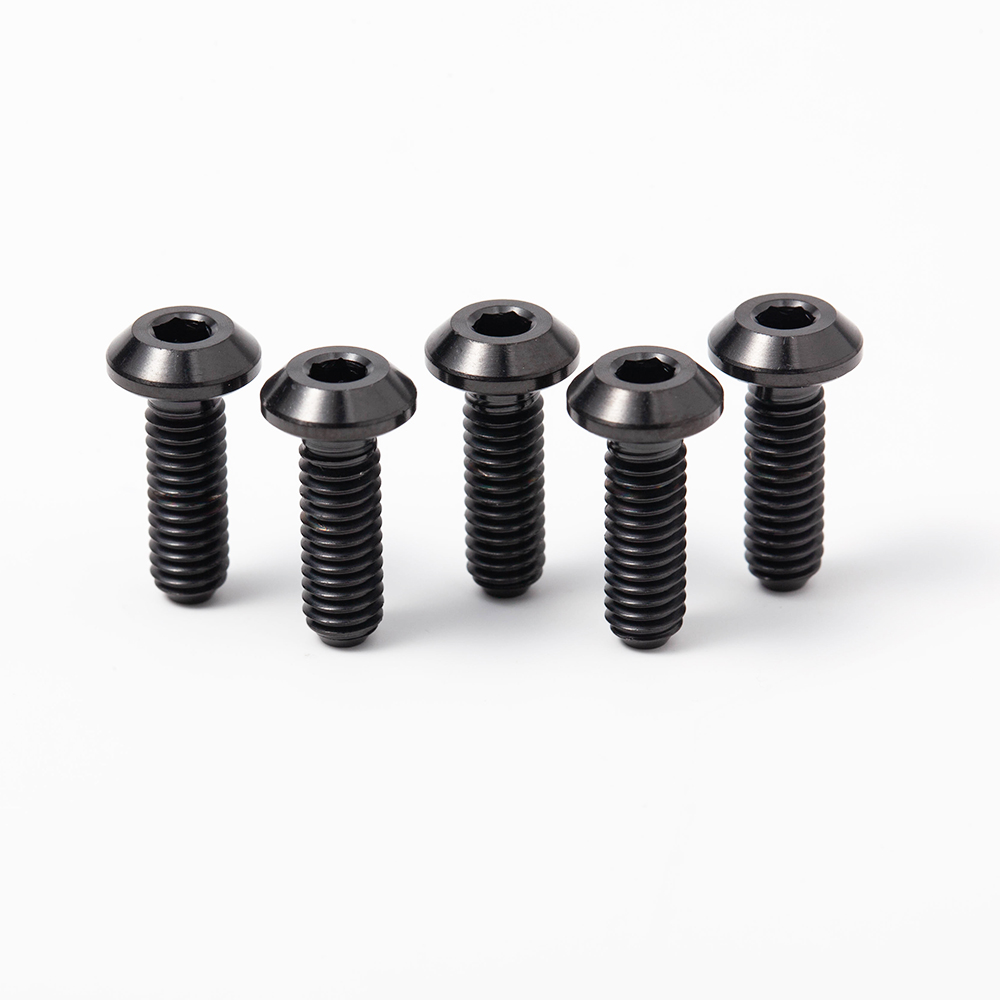
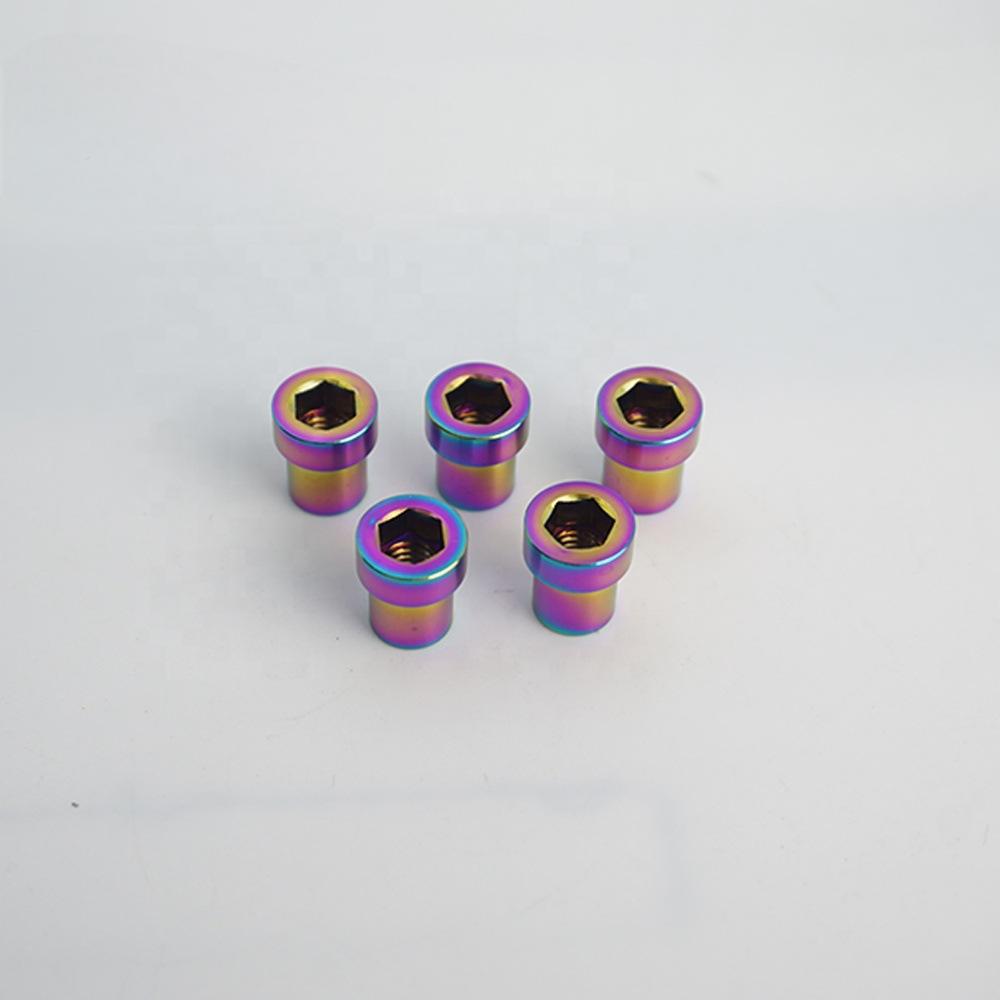
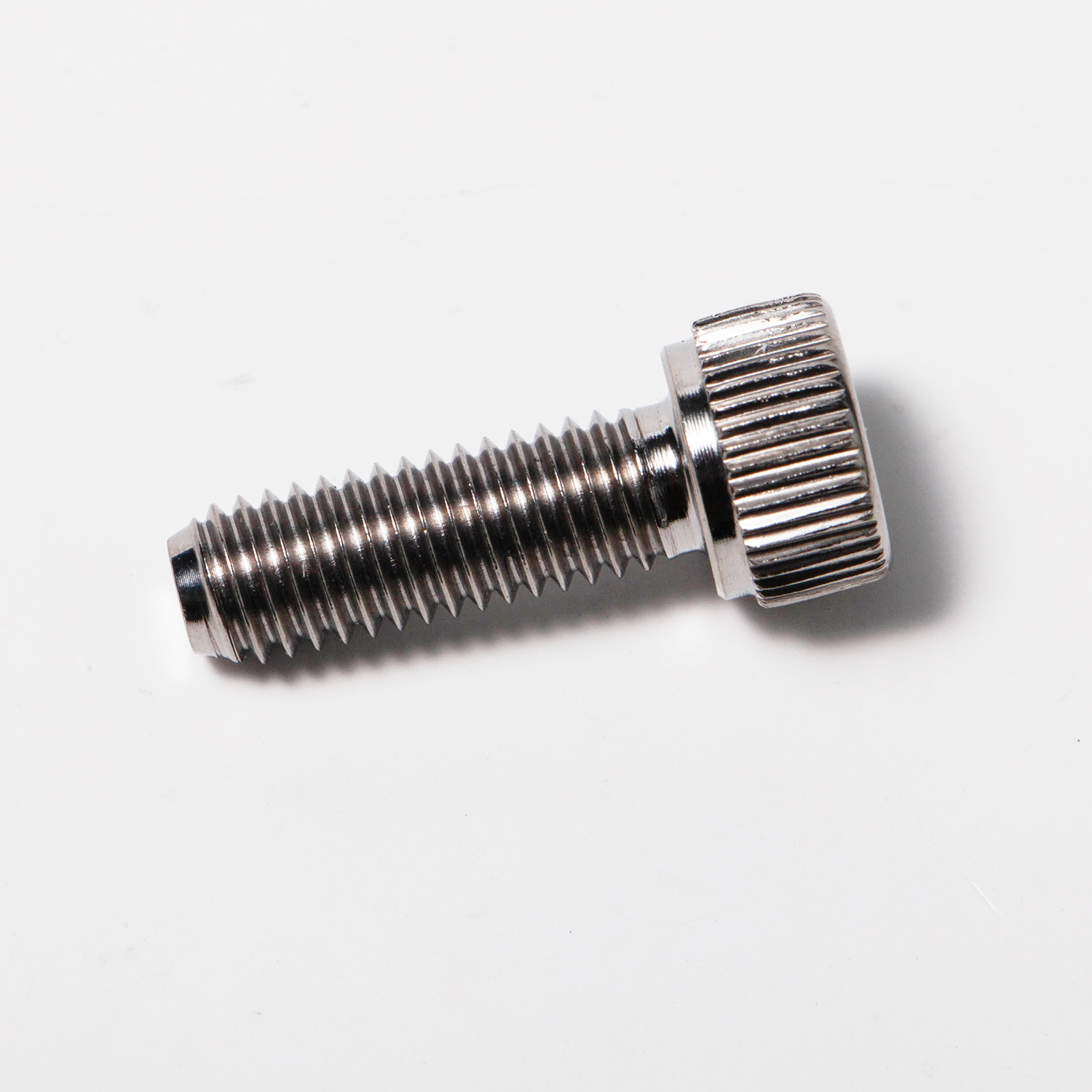
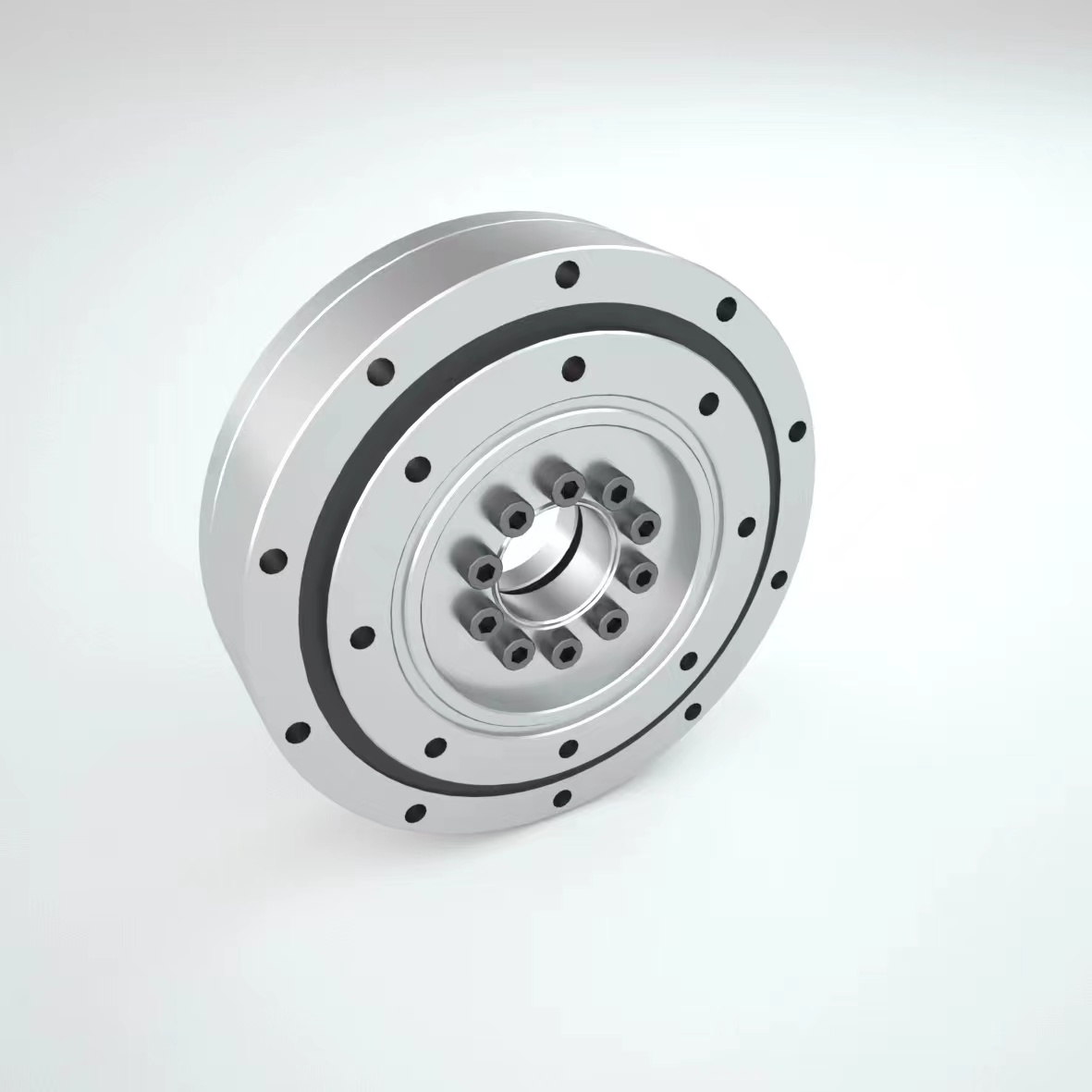
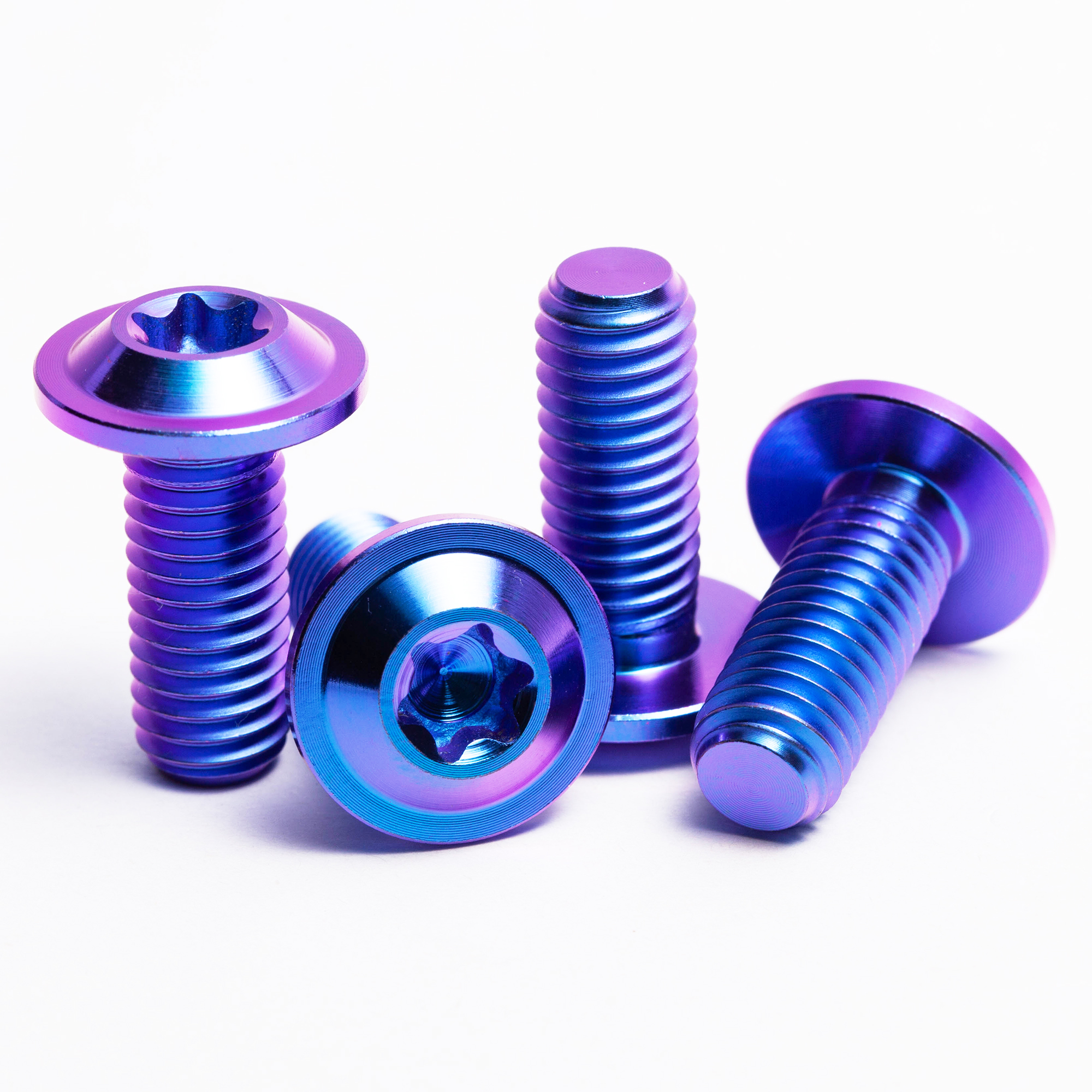
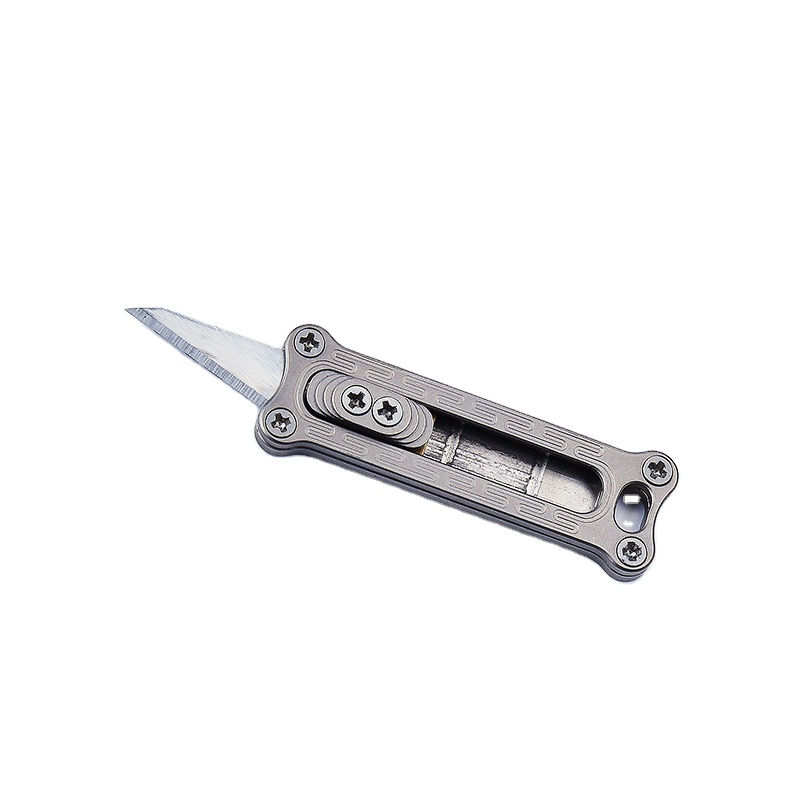
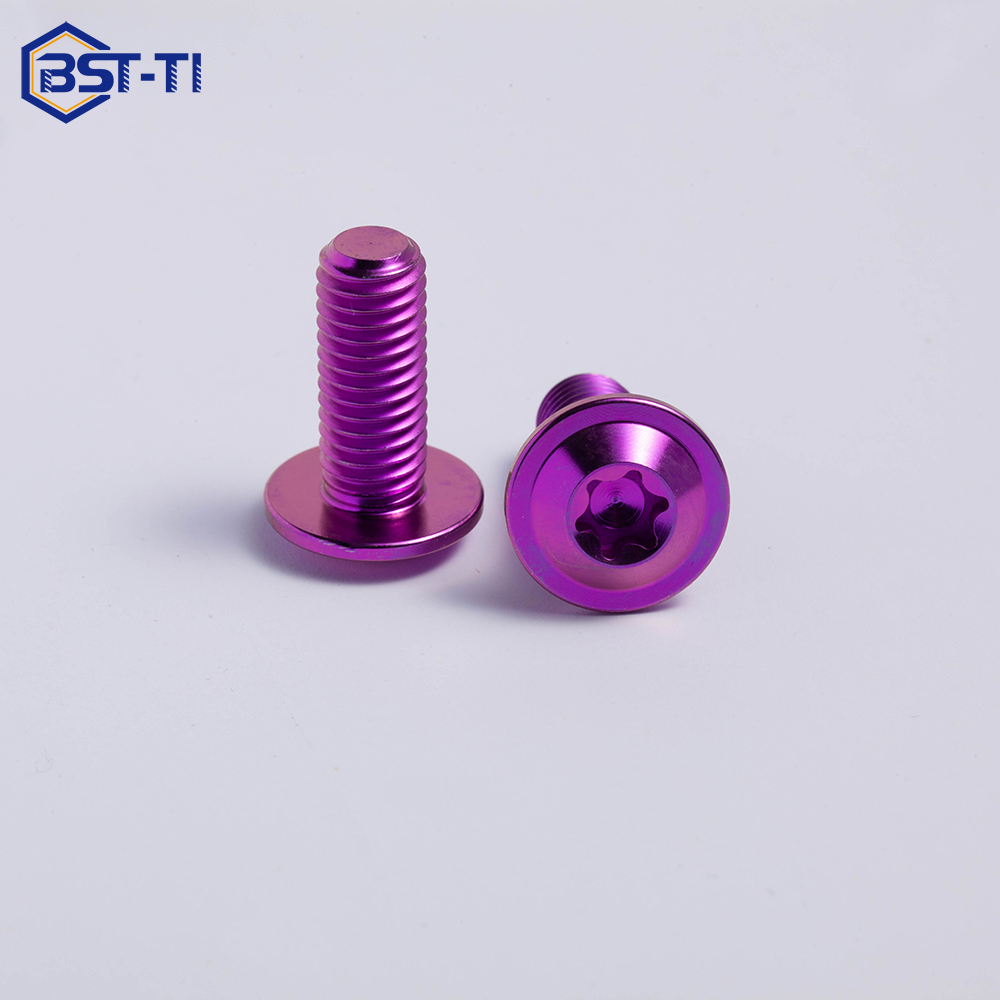
±0.01mm
CNC Machining Tolerance
895 MPa
Ti-6Al-4V Tensile Strength
100%
Traceable EN 10204 3.1
≤ 8h
Technical Engineering Quotation
The Linz Metallurgy & Chemical Basin: Transitioning to Advanced Titanium Flanges
As the industrial powerhouse of Upper Austria (Oberösterreich), the Linz region represents one of Central Europe's most densely organized hubs for high-value chemical processing, specialty steel production, continuous metallurgy, and mechanical engineering. Historically built upon high-alloy austenitic and duplex stainless steels, chemical plants situated along the Danube River and the industrial areas flanking voestalpine Straße are increasingly challenged by aggressive process conditions. The introduction of concentrated organic acids, high-temperature brine circuits, aggressive wet chlorine streams, and high-pressure catalytic cycles has exposed standard nickel-chromium alloys to severe localized pitting, crevice corrosion, and stress corrosion cracking (SCC).
To preserve process integrity and eliminate unscheduled downtimes, Linz-based plant engineering firms (Anlagenbau) and fluid systems operators are systematically turning to titanium pipe flanges manufactured from ASTM B381 Grade 2 (unalloyed commercially pure titanium) and Grade 5 (Ti-6Al-4V, Werkstoff 3.7165). Titanium instantly forms a tenacious, stable, and self-healing titanium dioxide (TiO2) rutile passivation layer when exposed to trace amounts of oxygen or moisture. This inert barrier makes titanium pipe connections utterly impervious to chloride-induced pitting, dynamic stress cracking, and industrial microbial corrosion—guaranteeing operational safety margins that exceed even super-duplex grades (such as 2507) at nearly half the deadweight (4.51 g/cm³ versus 7.90 g/cm³).
Mechanical & Thermodynamic Performance Benchmarks
| Material Standard | Yield Strength Rp0.2 (MPa) | Tensile Strength Rm (MPa) | Elastic Modulus (GPa) | Density (g/cm³) | Resistance to Wet Chlorine & Hot Brine |
|---|---|---|---|---|---|
| Titanium Grade 2 (ASTM B381 Gr. F-2) | ≥ 275 | ≥ 345 | 105 | 4.51 | Immune up to 100°C / Superior Passivation |
| Titanium Grade 5 (ASTM B381 Gr. F-5 / Ti-6Al-4V) | ≥ 828 | ≥ 895 | 114 | 4.43 | High Fatigue Threshold, Cryogenic to 400°C |
| Super Duplex 1.4410 (2507) | ≥ 550 | ≥ 750 | 200 | 7.80 | Critical Pitting Temperature > 50°C (Risk of SCC) |
| Austenitic Stainless 1.4571 (316Ti) | ≥ 220 | ≥ 520 | 195 | 8.00 | Vulnerable to Chlorides > 60°C (Pitting Risk) |
For project engineers operating under European Pressure Equipment Directive (PED 2014/68/EU), the specification of titanium flanges requires exacting structural adherence to EN 1092-1 Type 01 (plate slip-on), Type 05 (blind flanges), Type 11 (weld neck), and Type 02/33 (loose flanges with titanium press collars). Because titanium possesses an elastic modulus roughly half that of conventional structural steel (~105-114 GPa versus ~200 GPa), thermal elongation and bolt clamp-load relaxation under thermal cycling must be calculated precisely. Wexra Titanium integrates cold thread rolling and precision CNC face-machining to deliver exact flange gasket sealing surfaces (DIN EN 1092-1 Form B1/B2 concentric grooves with Ra 3.2 to 6.3 µm finish), preventing fugitive emissions and fluid leaks during severe cycling.
Local Application Scenarios in Linz & Upper Austria Industrial Sectors
How specialized chemical, heavy engineering, and green hydrogen projects integrate our high-precision titanium flanges and components.
⚙
Continuous Chemical & Fertilizer Processing
Installed across synthesis reactors, ammonia converters, and nitric acid absorption towers located in the Chemiepark Linz. Grade 2 titanium weld neck flanges effectively eliminate stress corrosion cracking typically induced by industrial cooling waters extracted from the Danube basin.
⚡
Green Hydrogen & Electrolysis Megaprojects
In alignment with Linz’s ongoing industrial decarbonization, high-pressure PEM and alkaline water electrolyzers demand high-conductivity, zero-leaching titanium blind and nozzle flanges to interface with anode diffusion layers without ionic catalyst contamination.
⚗
High-End Specialty Metallurgy Off-Gas Scrubbing
Linz’s world-renowned blast furnace, steelmaking, and pickling operations produce high-velocity acidic flue gases containing sulfurous anhydrides and chlorides. Grade 5 titanium blind and threaded flanges seal exhaust gas recirculation piping with maximum corrosion endurance.
Key Technical Procurement Trends Influencing Upper Austrian Engineering
The industrial architecture of Upper Austria is undergoing a profound structural metamorphosis. As central and regional policies accelerate net-zero milestones, plant operators in Linz are increasingly migrating from fossil-fueled thermal systems toward renewable electricity-driven, hydrogen-ready chemical infrastructure. This macroeconomic shift drives three critical sourcing trends for titanium piping components:
📈
Transition to Full Life-Cycle Costing (LCC)
Austrian procurement teams no longer prioritize initial procurement costs alone. Titanium's virtually indefinite operational service lifetime under aggressive environments reduces planned shutdown cycles, delivering substantial lifecycle savings compared to frequently replaced lined or duplex steels.
🛡
Mandatory Low-Loss Piping Interfaces
Under strict Austrian environmental and safety regulations (TA-Luft guidelines), zero-fugitive emission pipe joints are mandatory. This requires high-flatness flange sealing surfaces, custom concentric spiral serrations, and titanium-to-titanium fastener assemblies that maintain bolt tension under thermal shocks.
🌍
Stringent ESG & Traceability Compliance
Direct supply chain transparency has become non-negotiable for Austrian OEMs. Every single flange delivered to the Linz market must carry indelible laser markings corresponding with fully verified mill test certificates, chemical spectrography, and ISO 9001:2015 traceability down to the raw ingot batch.
Why European Engineers & Buyers Partner with Wexra Titanium
Direct Chinese manufacturing capabilities combined with Western quality management and technical communication standards.
🏗
Full In-House Process Ownership
Founded in 2018 with over 1,000+ m² of advanced CNC machining workshops in Jiaxing, Zhejiang, we govern every critical production step in-house: vacuum melting, precision billet forging, CNC high-speed turning, thread rolling, and finishing. No outsourced quality risks.
📋
Rigorous Quality & Compliance Systems
Certified under ISO 9001:2015, fully compliant with RoHS and REACH environmental directives, and registered with EPR Germany. We routinely provide EN 10204 3.1 Material Test Certificates (MTC), mechanical stress-strain curves, and ultrasonic flaw detection reports.
✈
Dedicated Export Architecture for Europe
With an international export ratio surpassing 91%, we maintain robust logistics corridors servicing Germany, Austria, and the UK. Our engineering sales team delivers technical responses within 8 hours, interpreting complex DIN, EN, ISO, and ASTM engineering drawings flawlessly.
Accelerate Your Project Timeline with Pre-Tested Titanium Hardware
From customized DIN EN 1092-1 titanium flanges to Grade 5 high-tensile connection studs, request our direct factory pricing and technical data packages.
Inquire NowFrequently Asked Questions for Austrian Engineering Procurement
Clear, technical explanations addressing material standards, galling prevention, pressure compliance, and export documentation.
▶ What is the primary operational distinction between ASTM B381 Grade 2 and Grade 5 flanges in plant engineering?
Grade 2 is commercially pure (CP) titanium offering exceptional general ductility (elongation ≥ 20%) and supreme corrosion resistance across oxidising chemicals, wet chlorine, nitric acid, and seawater environments up to 200°C. Grade 5 (Ti-6Al-4V) is a dual-phase alpha-beta alloy engineered for ultra-high mechanical stress (yield strength ≥ 828 MPa), making it ideal for high-pressure autoclaves, dynamic compressor flanges, or specialized aerospace and motorsport fluid lines requiring severe pressure limits and minimal weight.
▶ How does Wexra Titanium guarantee compliance with European Pressure Equipment Directive (PED 2014/68/EU)?
Every flange intended for European pressurized fluid circuits is manufactured strictly from certified ingot batches. We issue EN 10204 Type 3.1 inspection certificates documenting chemical composition analysis (O, N, C, H, Fe, and Ti balances) and verified room-temperature and elevated-temperature tensile, yield, and impact properties. Non-destructive testing (NDT), including 100% ultrasonic examination (UT) and liquid penetrant inspection (PT), is performed to verify internal metallurgical soundness.
▶ Can your factory manufacture titanium flanges to EN 1092-1 dimensional tolerances instead of ASME/ANSI B16.5?
Yes. While we routinely manufacture according to ASME/ANSI B16.5 (Classes 150 to 1500), our multi-axis CNC machines are specifically programmed for European standard DIN EN 1092-1 pressure ratings (PN6, PN10, PN16, PN25, PN40, up to PN100). We manufacture Type 01 flat slip-on, Type 02 loose plate, Type 05 blind, and Type 11 weld-neck flanges, providing customized bolt-hole pitch circles, Form B1/B2 raised faces, and O-ring tongue-and-groove profiles according to client specifications.
▶ What measures prevent thread galling during installation of titanium studs and flange assemblies?
Due to titanium's thin natural oxide film, contact surfaces subjected to dry friction under high clamping torque can exhibit galling. Wexra resolves this by offering precision thread rolling (producing smooth root radii and work-hardened surfaces), specialized physical vapor deposition (PVD) anti-friction coatings, micro-arc oxidation, and dedicated titanium anodizing. Furthermore, we provide Austrian installation crews with technical torque guidelines and recommend nickel-free high-temperature molybdenum disulfide (MoS2) paste.
▶ What are the typical delivery timelines and logistics modalities from your Jiaxing facility to Linz, Austria?
Standard prototype or rapid-batch flange orders are dispatched via air courier (DHL/FedEx/TNT) directly arriving at Linz Airport (LNZ) or Vienna International Airport (VIE) within 4 to 7 business days following QA release. For larger industrial container shipments, maritime transport arrives via European maritime terminals (Rotterdam or Hamburg) connected via direct inland rail or road freight directly to the customer’s warehouse in Upper Austria within 28 to 35 calendar days.
▶ Can you machine customized titanium geometries directly from proprietary CAD / STEP files?
Absolutely. Our engineering department uses advanced CAD/CAM software suites capable of directly rendering STEP, IGES, DXF, and DWG 3D/2D files. We evaluate Design for Manufacturability (DFM), verifying tool paths, wall thickness integrity, and stress relief requirements before starting machine spindle operations. Small batch prototypes for validation can be produced within 5 to 10 working days.
Partner with an Established Global Titanium Manufacturer
Secure dependable supply, certified quality, and immediate technical alignment for all your industrial piping and fastener requirements serving the Linz metropolitan market.
Inquire Now