Featured Titanium Hardware & Precision Components
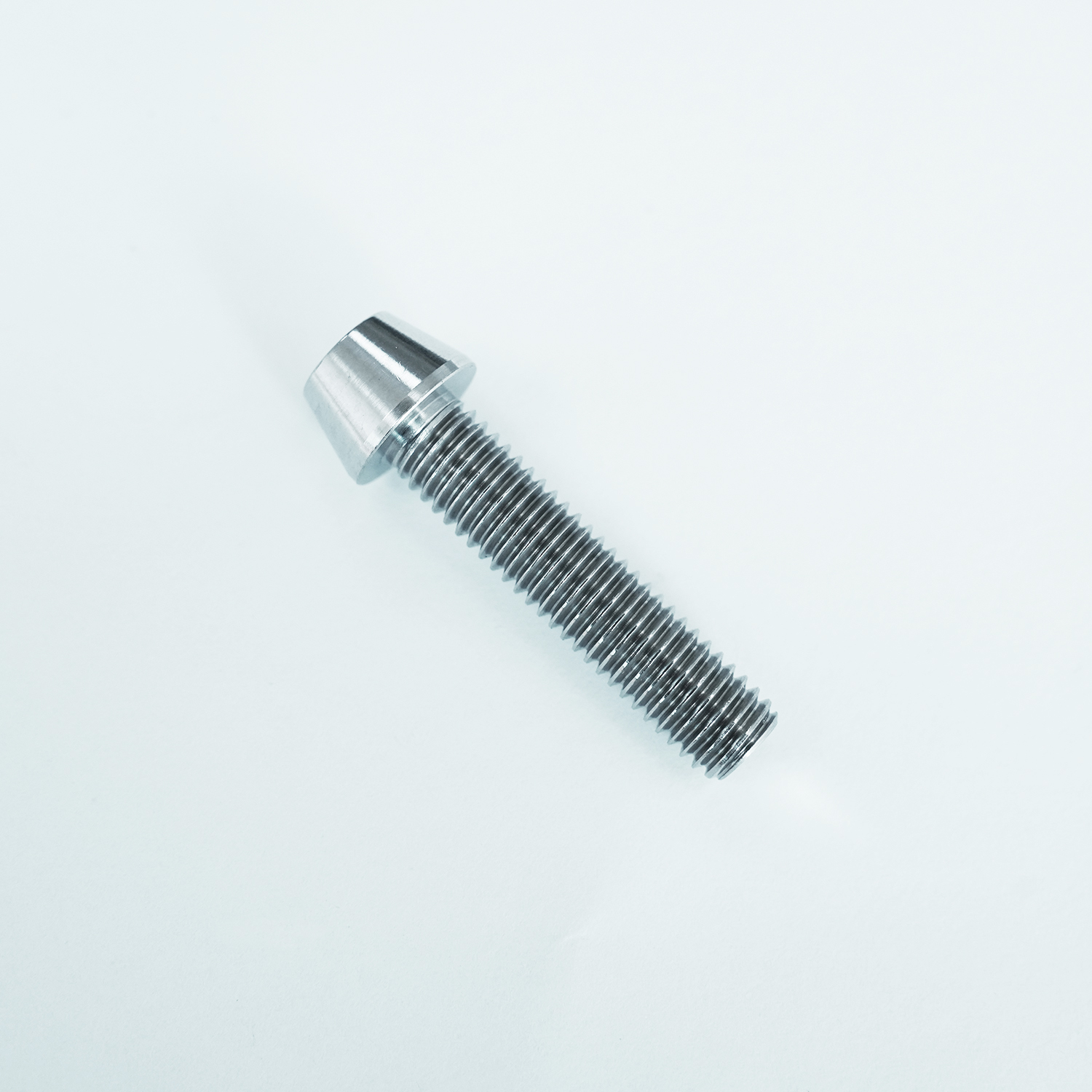
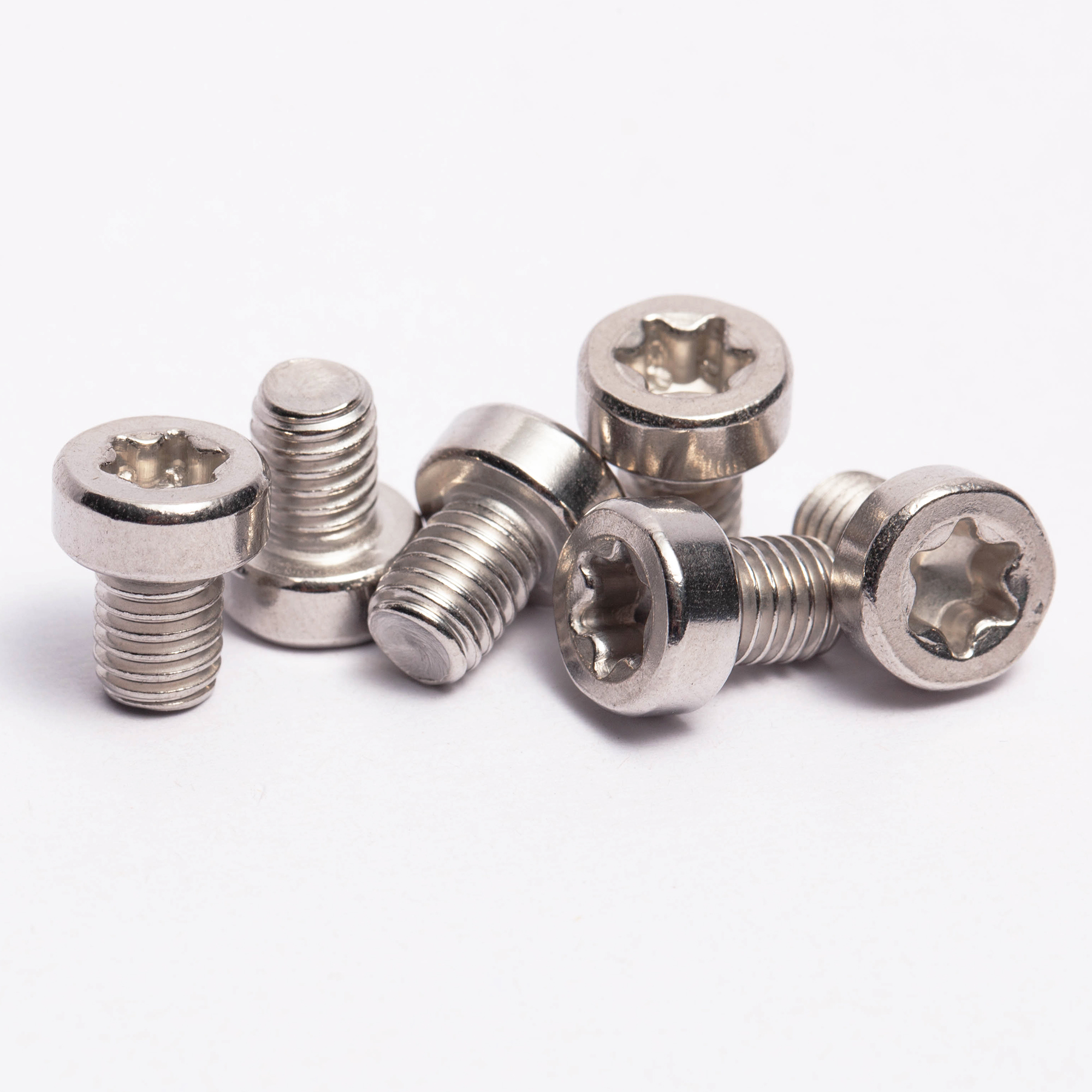
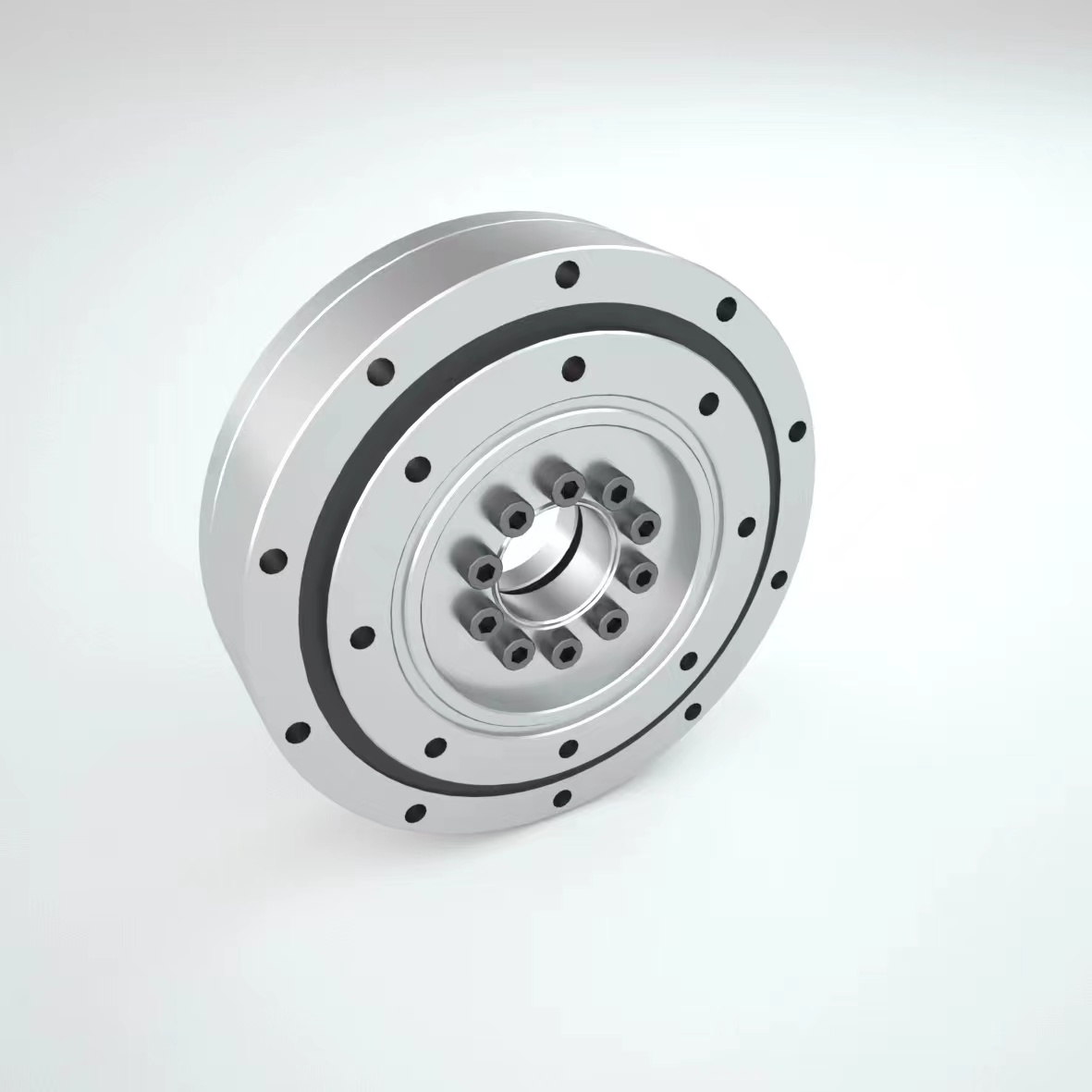
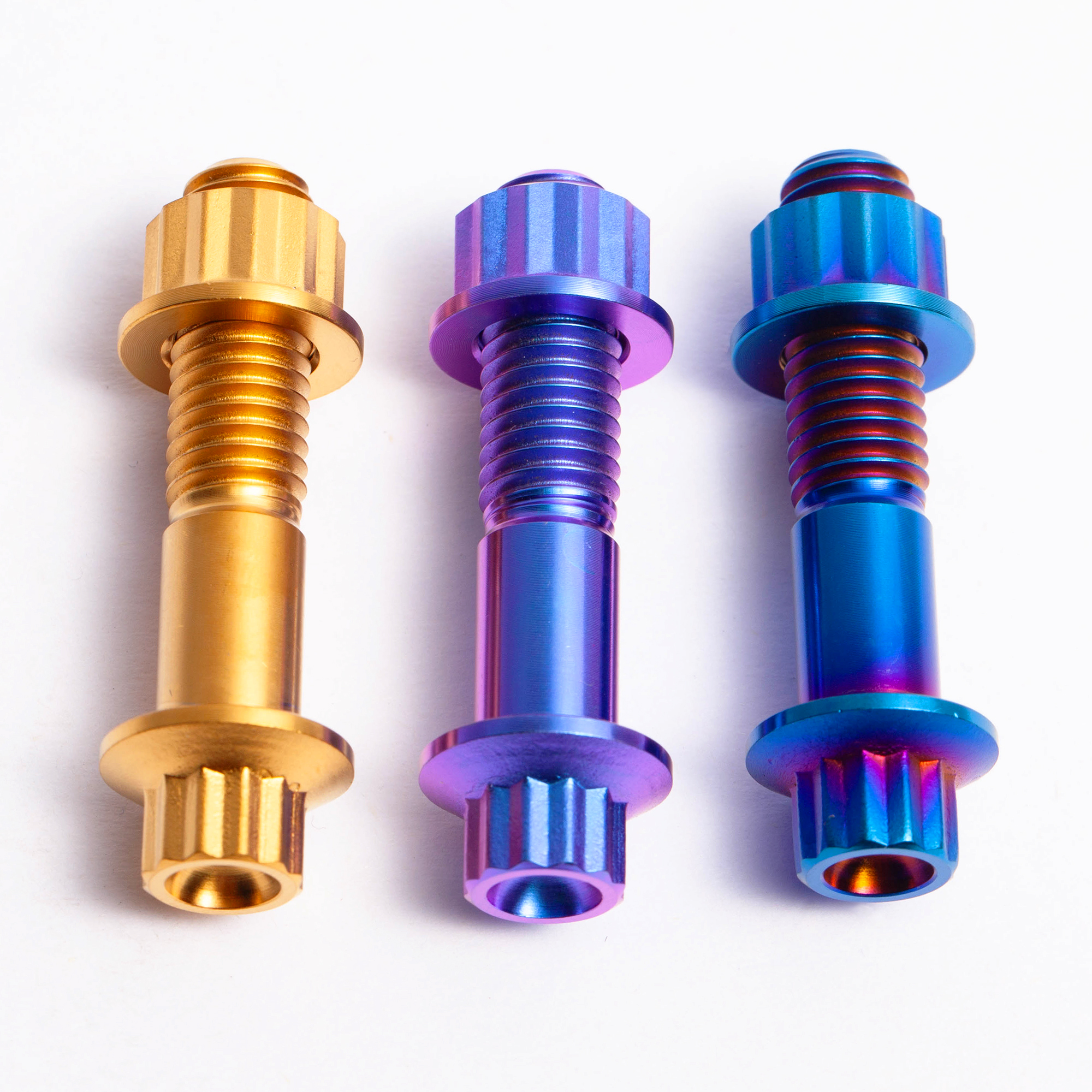
Engineered alongside our premier titanium plate rolling mills, Wexra & BSTTI deliver industrial standard fasteners, high-torque robotic reducers, and bespoke titanium motorsport solutions across the Iberian Peninsula.
Titanium Plate Grades, Chemical Purity & Mechanical Profiles
Understanding the metallurgical variances between Commercially Pure (CP) grades and Alpha-Beta alloys is imperative for engineers in Coimbra specifying materials for fatigue resistance, orthopedic inertness, and chemical stability.
| Alloy Grade | UNS / Standard | Yield Strength (Rp0.2 MPa) | Tensile Strength (Rm MPa) | Elongation (%) | Primary Industrial Application in Portugal |
|---|---|---|---|---|---|
| Grade 1 (CP Ti) | UNS R50250 / ASTM B265 | 170 – 240 | ≥ 240 | ≥ 24 | Deep drawing plates, marine desalination, chemical plate-fin heat exchangers. |
| Grade 2 (CP Ti) | UNS R50400 / ASTM B265 | 275 – 450 | ≥ 345 | ≥ 20 | Pulp & paper bleaching vats (Figueira da Foz), marine piping, chemical storage. |
| Grade 5 (Ti-6Al-4V) | UNS R56400 / AMS 4911 | ≥ 828 | ≥ 895 | ≥ 10 | Robotic structural linkages, automotive suspension brackets, aerospace frames. |
| Grade 5 ELI (Gr23) | UNS R56401 / ASTM F136 | ≥ 795 | ≥ 860 | ≥ 10 | Biomedical orthopedic plates, bone fixators, surgical cutting guides (IPN clusters). |
| Grade 7 (Ti-0.15Pd) | UNS R52400 / ASTM B265 | ≥ 275 | ≥ 345 | ≥ 20 | High-temperature acidic media, electrochemical electrodes, aggressive chlorides. |
| Grade 9 (Ti-3Al-2.5V) | UNS R56320 / ASTM B265 | ≥ 483 | ≥ 620 | ≥ 15 | High-end bicycle frame gussets, hydraulic line tubing, lightweight marine foils. |
Microstructural Uniformity & Cold Rolling
Our mill employs vacuum consumable arc remelting (VAR) up to three heats to prevent interstitial gas segregation (O, N, H, C). Cold rolling passes with multi-stage vacuum annealing yield uniform equiaxed alpha grain structures (ASTM Grade 7 or finer), mitigating directional anisotropic failure in stamped sheet components.
Surface Passivation & Pickling Standards
Every titanium plate undergoes precision chemical descaling in an environmentally regulated HF-HNO3 acid pickling line, followed by continuous ultrasonic cleaning. This produces a silver-bright, defect-free surface finish with Ra ≤ 0.8 μm, free of alpha-case contamination that could otherwise compromise fatigue endurance.
Dimensional Tolerance & Custom Sizing Capability
We supply plates ranging in thickness from ultra-thin 0.5 mm foils up to 100 mm heavy armor blocks, width up to 2500 mm, and lengths exceeding 6000 mm. Utilizing CNC waterjet cutting, fiber laser profiling, and diamond wire sawing, plates can be delivered net-shape with tolerance down to ±0.1 mm, dramatically reducing machining allowances for Coimbra workshops.
Localization Scenarios: Deploying Titanium Plates Across Coimbra's Strategic Sectors
Coimbra represents a vital intellectual and manufacturing corridor in Central Portugal, linking foundational research at the Universidade de Coimbra with industrial parks throughout Pedrulha, Eiras, and neighboring Cantanhede (Biocant Park).
Biomedical Devices & Orthopedic Instrumentation
Coimbra is nationally distinguished for medical innovation centered around the Centro Hospitalar e Universitário de Coimbra (CHUC) and the Instituto Pedro Nunes (IPN). Our ASTM F136 Grade 23 Ti-6Al-4V ELI plates serve local precision CNC facilities milling custom cranial mesh, maxillofacial fixation systems, bone plates, and surgical retraction implements where supreme biocompatibility and low Young's modulus (~110 GPa) are strictly mandatory.
Precision Robotics & Autonomous Mechatronics
Collaborating with mechatronics research spin-offs in Coimbra, we supply high-tensile Gr5 plate blanks for robot end-effectors, harmonic drive mounting bases, and drone airframes. The combination of lightweight strength and zero magnetism ensures inertial sensors and inductive position encoders operate without ferromagnetic interference in automated logistics systems.
Coastal Chemical & Pulp/Paper Processing
Positioned along the Mondego river valley and directly servicing industrial facilities extending westward to Figueira da Foz, our ASTM B265 Grade 2 titanium plates are widely utilized in pulp bleaching towers, chlorine dioxide scrubbers, and sea-water cooled heat exchangers that rapidly destroy 316L stainless steel due to pitting and crevice corrosion.
Motorsport & High-Performance Two-Wheeler R&D
Central Portugal's passion for endurance motorsport, downhill biking, and electric motorbikes drives demand for bespoke Grade 5 titanium subframe gussets, laser-cut brake disc cores, and exhaust flange adapters. Our plates withstand operational temperatures up to 450°C without structural degradation or oxidation flaking.
Renewable Ocean Energy & Marine Structures
As offshore wind and wave energy testbeds expand off the Portuguese coast, research bodies in Coimbra prototype submerged structural connectors, cathodic protection anode backplates, and submerged instrumentation housings. Titanium exhibits absolute immunity to ambient seawater corrosion at zero corrosion rate (0.000 mm/year).
Academic Materials Science & Prototyping Labs
The Department of Mechanical Engineering (DEM) at Universidade de Coimbra regularly demands certified low-defect plate coupons for finite element analysis (FEA) validation, high-cycle fatigue benchmarks, and advanced additive manufacturing substrate plates (DED/SLM builds).
Industrial Evolution: Future Demand Vectors for Titanium in Portugal
Portugal's ongoing National Energy and Climate Plan (PNEC 2030) and the revitalization of high-tier metallurgy are radically shifting material selection from traditional nickel-chromium steels to advanced titanium metallurgy.
Green Hydrogen Electrolyzer Bipolar Plates
With major green hydrogen hubs establishing along the Portuguese Atlantic basin (Sines, Figueira, Aveiro), PEM (Proton Exchange Membrane) electrolyzers require micro-machined and platinum-coated Grade 1 and Grade 2 titanium thin plates (0.8 mm – 1.5 mm). Titanium provides indispensable resistance to hydrogen embrittlement and acidic anodic oxidation under continuous electrolysis cycles.
Transition to Near-Net-Shape Additive Hybridization
Coimbra engineering workshops are progressively bridging subtractive 5-axis CNC machining with hybrid Wire Arc Additive Manufacturing (WAAM). Utilizing thick ASTM B265 Grade 5 plates as durable structural build bases allows local manufacturers to print complex aerostructures with lower buy-to-fly ratios, significantly optimizing raw material costs.
Strict EU Carbon Border Adjustment & Traceability Compliance
European purchasers must now account for Scope 3 emissions under EU carbon auditing framework. Wexra utilizes energy-efficient vacuum induction melting techniques and closed-loop titanium scrap recycling loops, reducing embedded carbon while maintaining 100% material traceability from sponge titanium to final plate certification (EN 10204 3.1).
Jiaxing Wexra Titanium: Global Production Authority & Engineering Edge
Since 2018, Jiaxing Wexra Titanium Products Co., Ltd. has established an integrated manufacturing ecosystem encompassing titanium sponge melting, precision plate rolling, laser profile cutting, and high-tolerance 5-axis CNC machining.
ISO 9001:2015 & Full Compliance
Our operations comply with stringent ISO 9001:2015 QA systems, backed by RoHS, REACH, CE, and UKCA compliance certificates. Each plate shipment contains original mill test certificates (MTC) stating chemical analysis and mechanical testing.
End-to-End Processing Under One Roof
From slab ingot cogging, hot roughing, cold finishing, to in-house vacuum stress relieving, we minimize third-party markups and control internal microstructure, preventing laminated micro-cracks or surface inclusions.
Custom CNC & Anodizing Capabilities
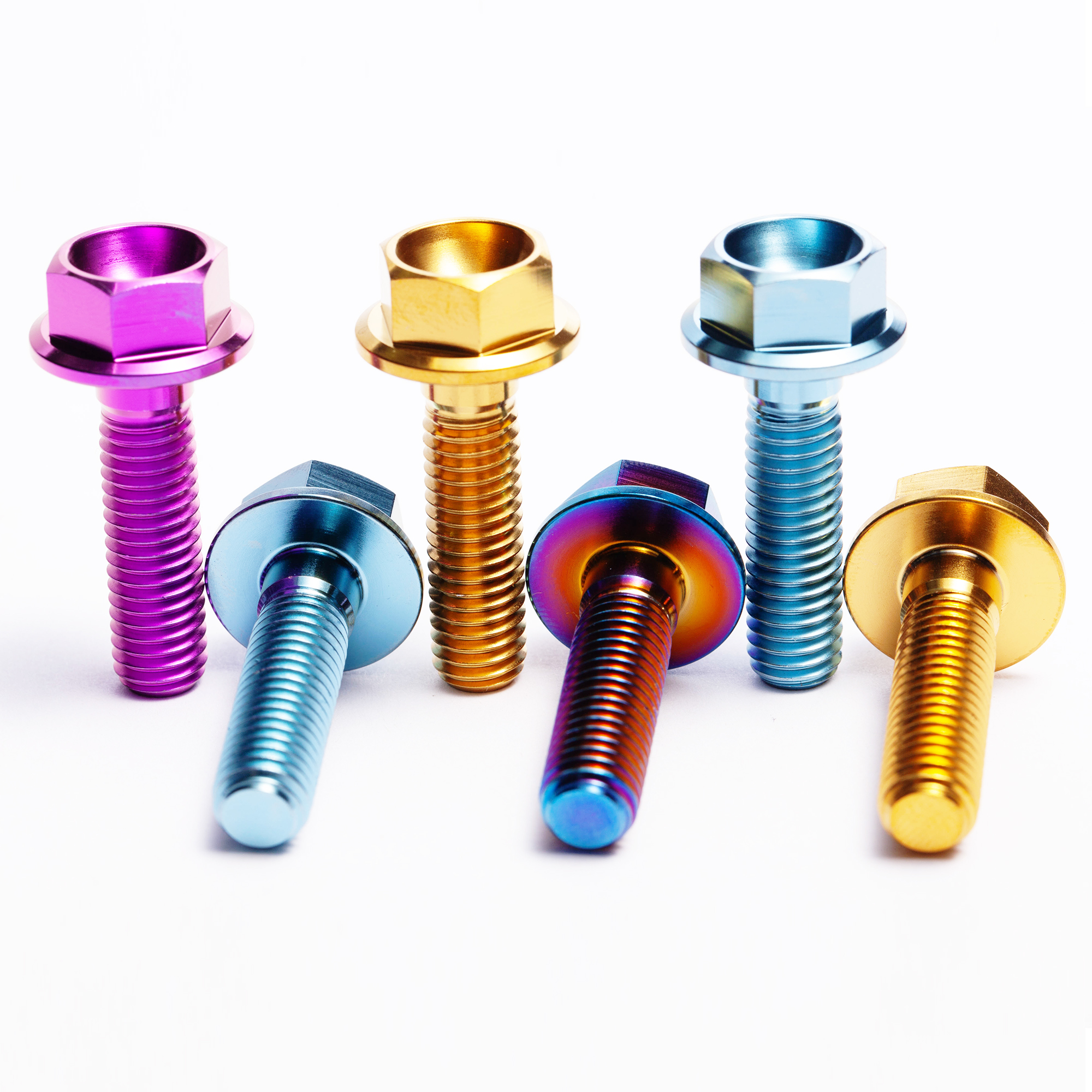
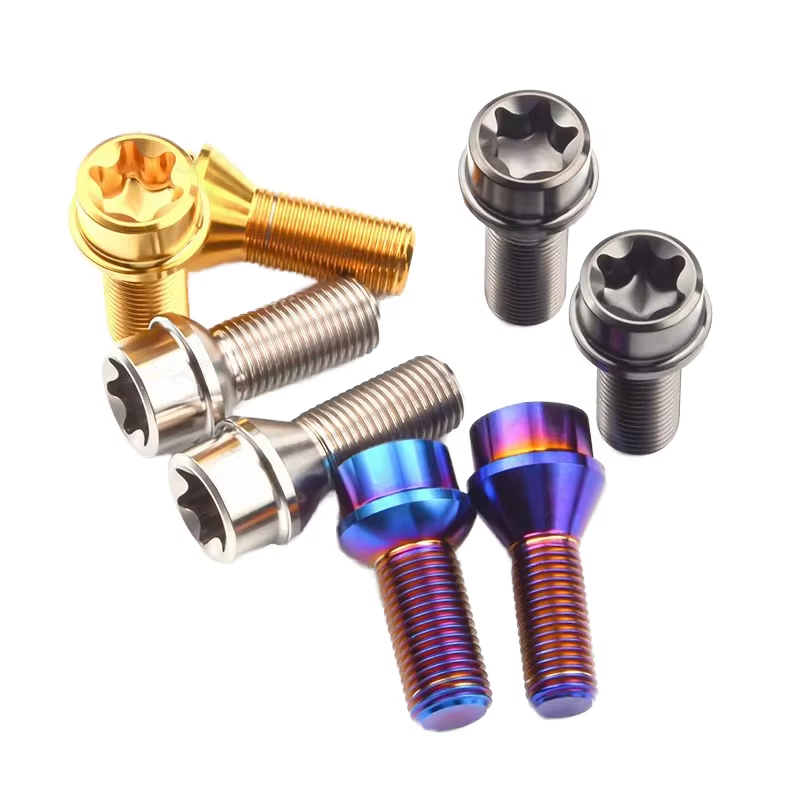
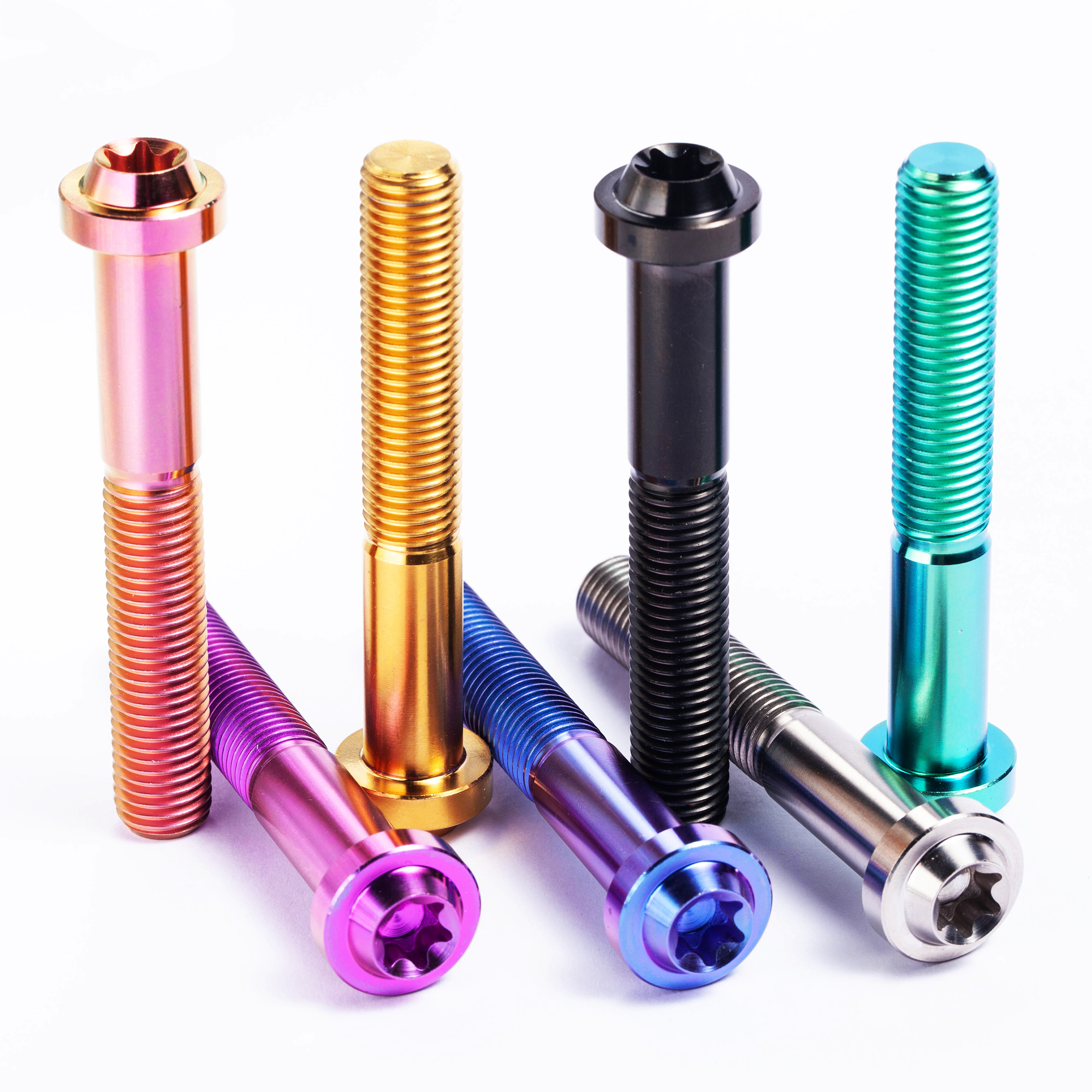
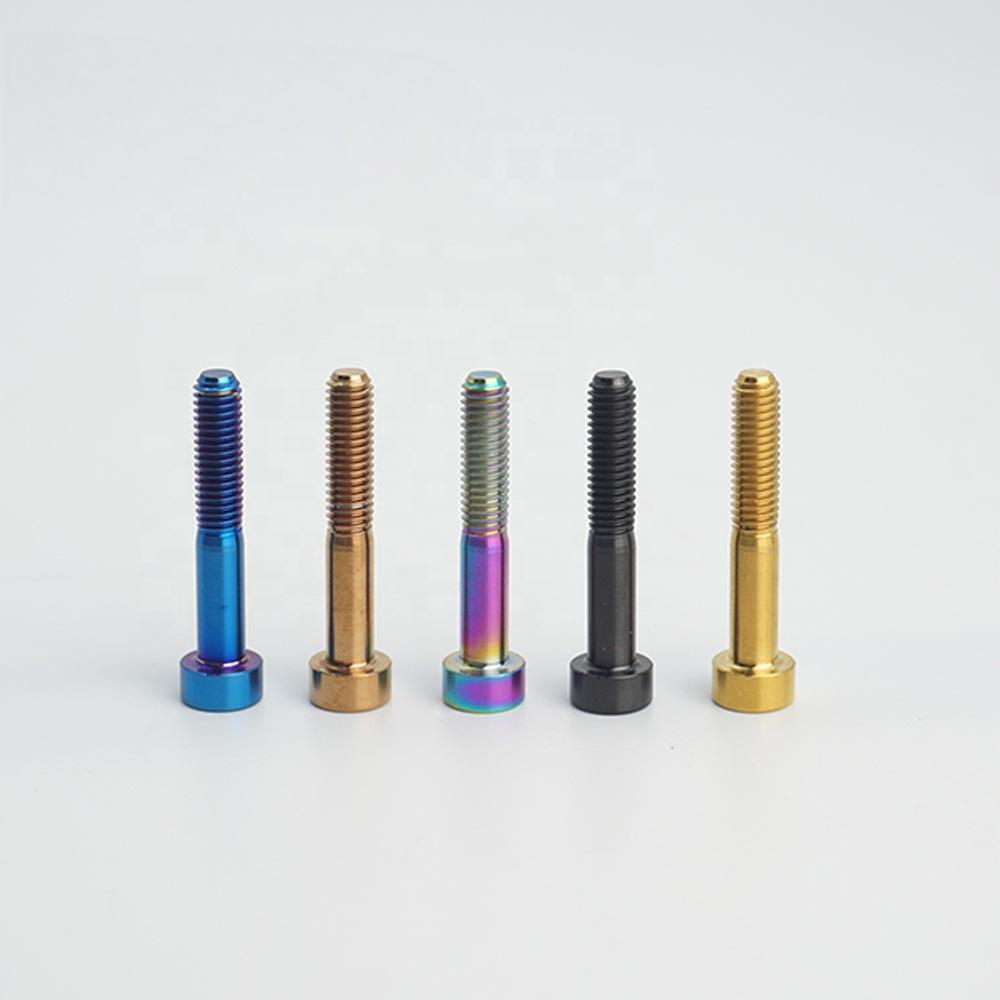
Beyond raw plates, we offer finish machining including thread rolling, precision waterjet blanking, PVD rainbow/burnt titanium coatings, and Type II anodization to prevent galling on threaded assemblies.
Seamless EU Logistics to Coimbra
We provide full DDP (Delivered Duty Paid) shipping options straight to Coimbra's industrial zones (iParque, Pedrulha) or Lisbon/Leixões maritime hubs, clearing EU customs without logistical bottlenecks for our Portuguese partners.
Frequently Asked Questions by Purchasing Teams in Portugal
Technical, regulatory, and logistics answers for procurement officers, lead metallurgists, and machine shop superintendents across the Coimbra region.
What is the standard lead time for custom-cut titanium plates shipped to Coimbra?
For stock items (ASTM B265 Grade 2 and Grade 5 plates in gauges from 1.0 mm to 25 mm), processing and waterjet blanking takes 3 to 5 business days. Air express shipments (DHL/FedEx freight) to Porto (OPO) or Lisbon (LIS) arrive in Coimbra within 5 to 7 transit days. Consolidated maritime container shipments to Leixões port take approximately 28 to 35 days.
Can you provide EN 10204 Type 3.1 Mill Test Certificates with chemical composition and Charpy V-notch data?
Yes. Every batch of titanium plate supplied to the Portuguese market comes accompanied by an authentic EN 10204 3.1 inspection certificate. This includes specific spectrometer melt chemistry (C, O, N, H, Fe, Al, V content), longitudinal/transverse tensile testing (Rp0.2, Rm, Elongation), bend tests, and ultrasonic flaw detection according to AMS 2631 or ASTM E114 standards.
How does Wexra help prevent tool wear and chatter when machining your Gr5 plates in Coimbra machine shops?
Because Ti-6Al-4V exhibits low thermal conductivity (6.7 W/m·K), cutting temperatures localize on the cutting tool edge. We supply plates that are fully stress-relieved (annealed at 700°C – 750°C in vacuum furnaces) to guarantee zero internal warpage during asymmetric pocketing. Our engineering advisory desk provides Portuguese machinists with recommended cutting speeds (Vc 40–60 m/min for carbide), high-pressure coolant strategies, and positive rake milling parameters.
Is Commercially Pure Grade 2 or Ti-6Al-4V Grade 5 better suited for marine equipment near Aveiro and Figueira da Foz?
If your application involves static fluid handling, heat exchanger plates, ballast water piping, or marine chemical processing where zero corrosion in warm chlorinated brine is required, Grade 2 is preferred due to superior uniform passivity and formability. If the part serves as a structural component, foil mast, or high-stress mechanical pivot subjected to cyclic dynamic loads, Grade 5 is essential for its 895 MPa tensile threshold.
Do you support prototype small-batch orders for university research labs and IPN incubators?
Absolutely. We accommodate academic laboratories and technology startup incubators across Coimbra requiring single-piece custom blanks, specialized coupon sizes for tensile specimen testing, or experimental thin foils with no prohibitive minimum order quantity (MOQ).
What surface finishing options are available for plate components?
We supply plates in cold-rolled annealed state, pickling matte finish, mirror-polished (up to 800 grit), sandblasted with glass bead/aluminum oxide, or colored anodized (gold, violet, dark blue, cyan, rainbow). For threaded components or mating surfaces, we offer anti-galling PVD coatings.
Fabrication & Machining Best Practices for Titanium Plates
Achieve maximum throughput and maintain surface integrity with our verified manufacturing parameters developed across thousands of hours of titanium CNC processing.
Waterjet vs. Fiber Laser Cutting
When cutting plates over 3 mm thickness intended for fatigue-critical structural brackets, abrasive waterjet cutting is strongly recommended over standard plasma or unassisted laser. Waterjet generates zero Heat-Affected Zone (HAZ), eliminating microstructural phase transitions or oxygen absorption along cut edges that can trigger early cracking under cyclic loads.
Inert Gas Shielding in TIG Welding
When welding Grade 2 or Grade 5 plates, ensure secondary trailing shields and back-purging with ultra-pure argon (99.999%). Titanium greedily absorbs atmospheric oxygen and nitrogen above 400°C, turning welds silver-white (acceptable), straw-yellow (minor embrittlement), or blue/grey (rejectable brittle matrix requiring complete removal).
Anti-Galling Fastening Protocols
Titanium fasteners mating into tapped titanium plates must always be assembled using anti-seize pastes (molybdenum disulfide or nickel-based lubricants) or specified with dry-film lubricants. Titanium's tenacious passive oxide film tends to gall and friction-weld under dry assembly torque. Follow our reduced torque specification tables for safe preload establishment.
Partner with China's Foremost Titanium Plate Specialist
Whether you require standard ASTM B265 Grade 2 sheets for marine vats, certified Ti-6Al-4V ELI plates for biomedical development, or customized CNC-machined titanium hardware for immediate deployment in Coimbra, our engineering team is ready to review your CAD files and bill of materials.