Grade 10.9 Equivalent
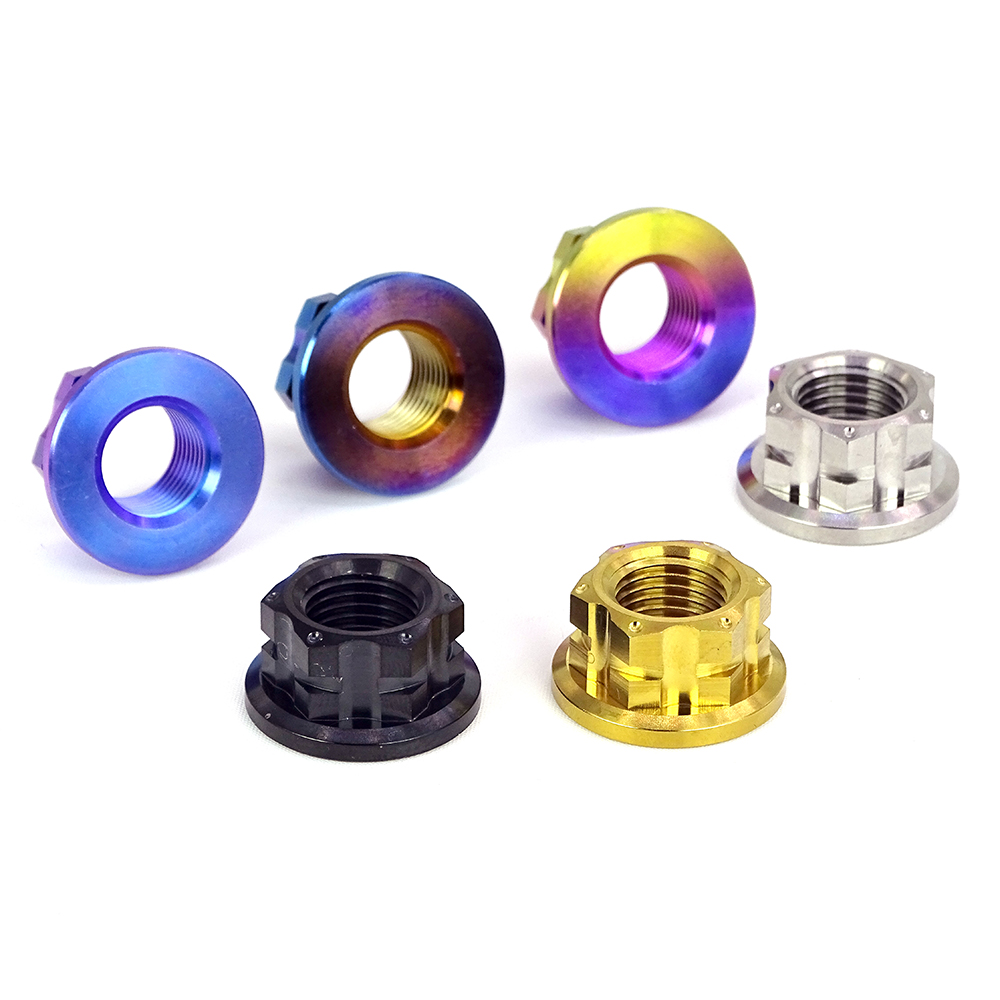
Direct export configurations engineered to ISO 9001:2015 tolerances, utilizing aerospace-grade Ti-6Al-4V (Grade 5) and Commercially Pure (Grade 2) stock. Ready for deployment across Greater Lisbon industrial networks.
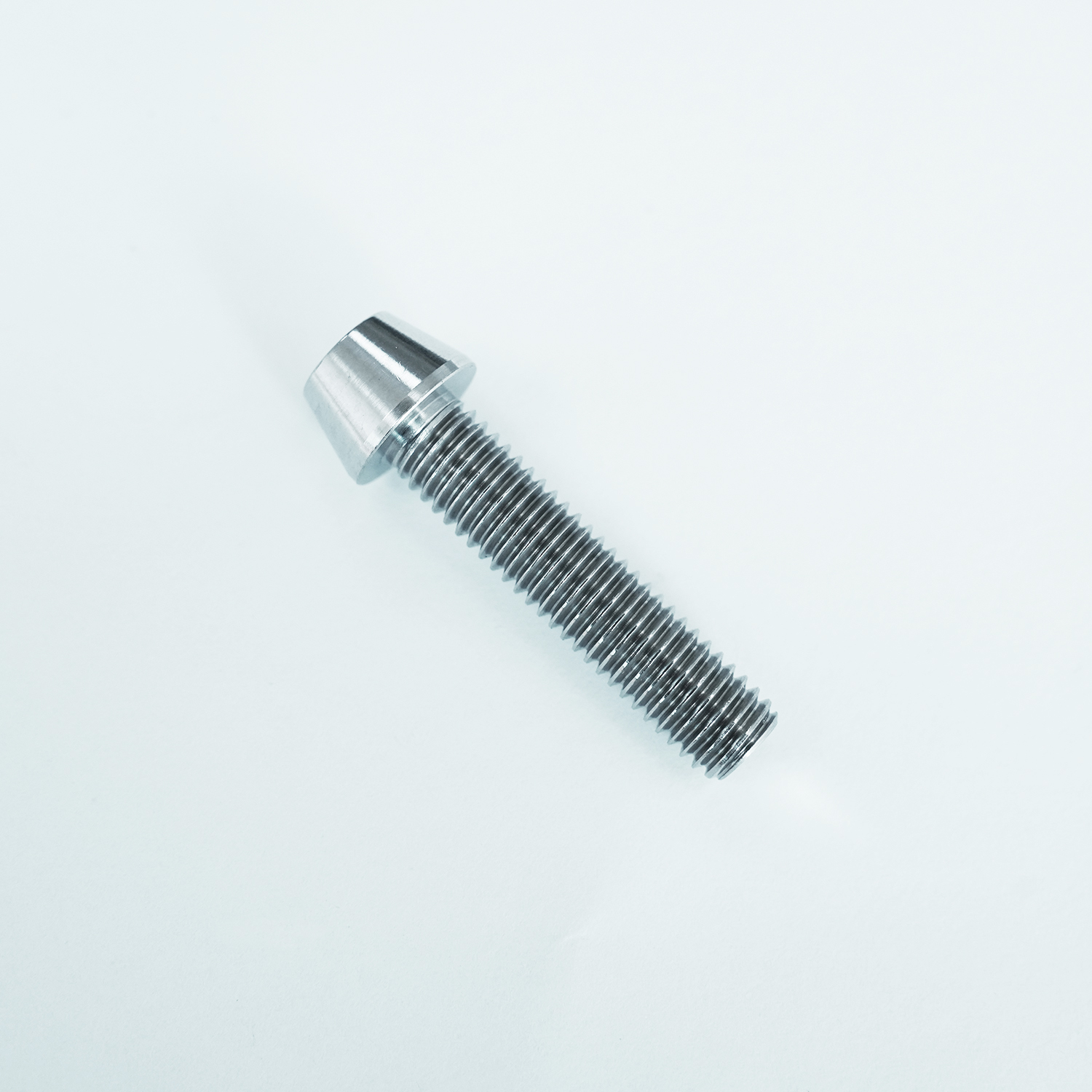
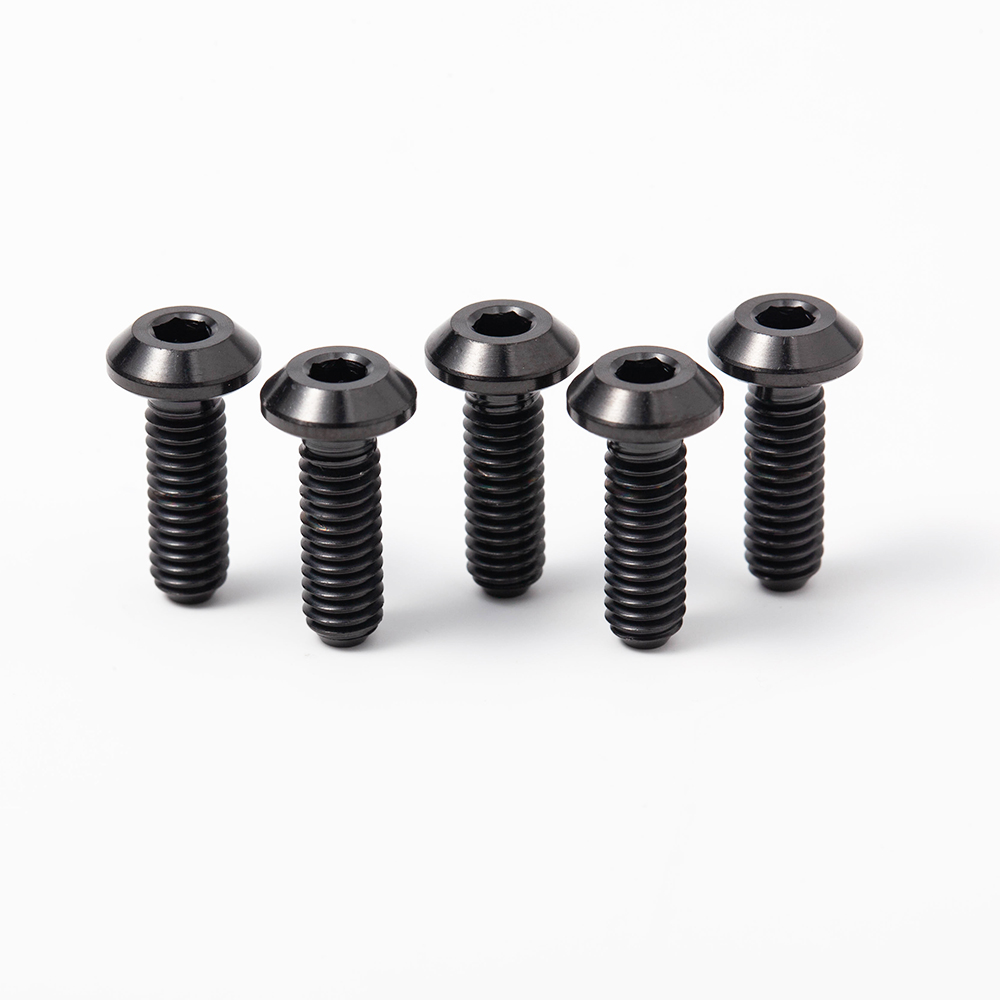
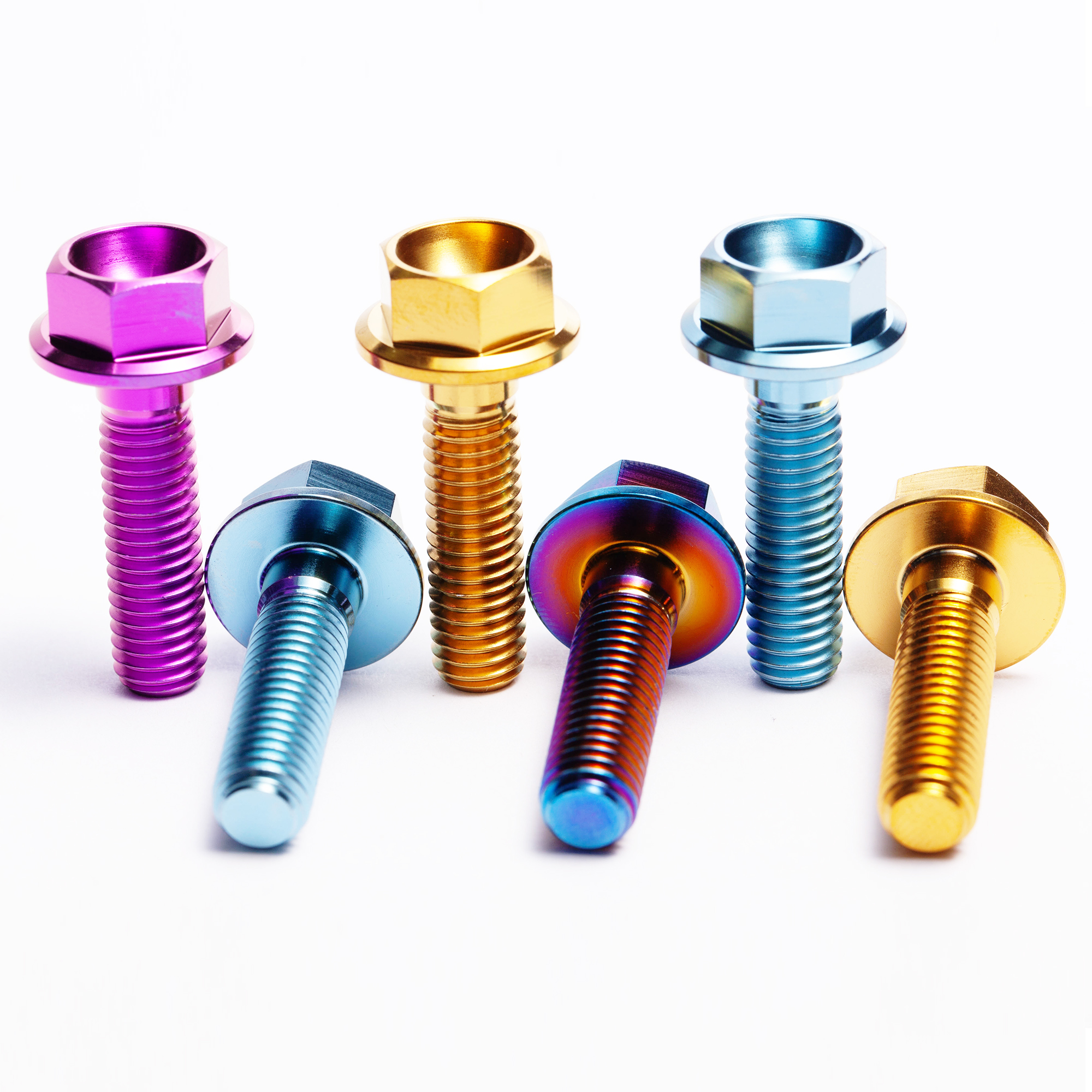
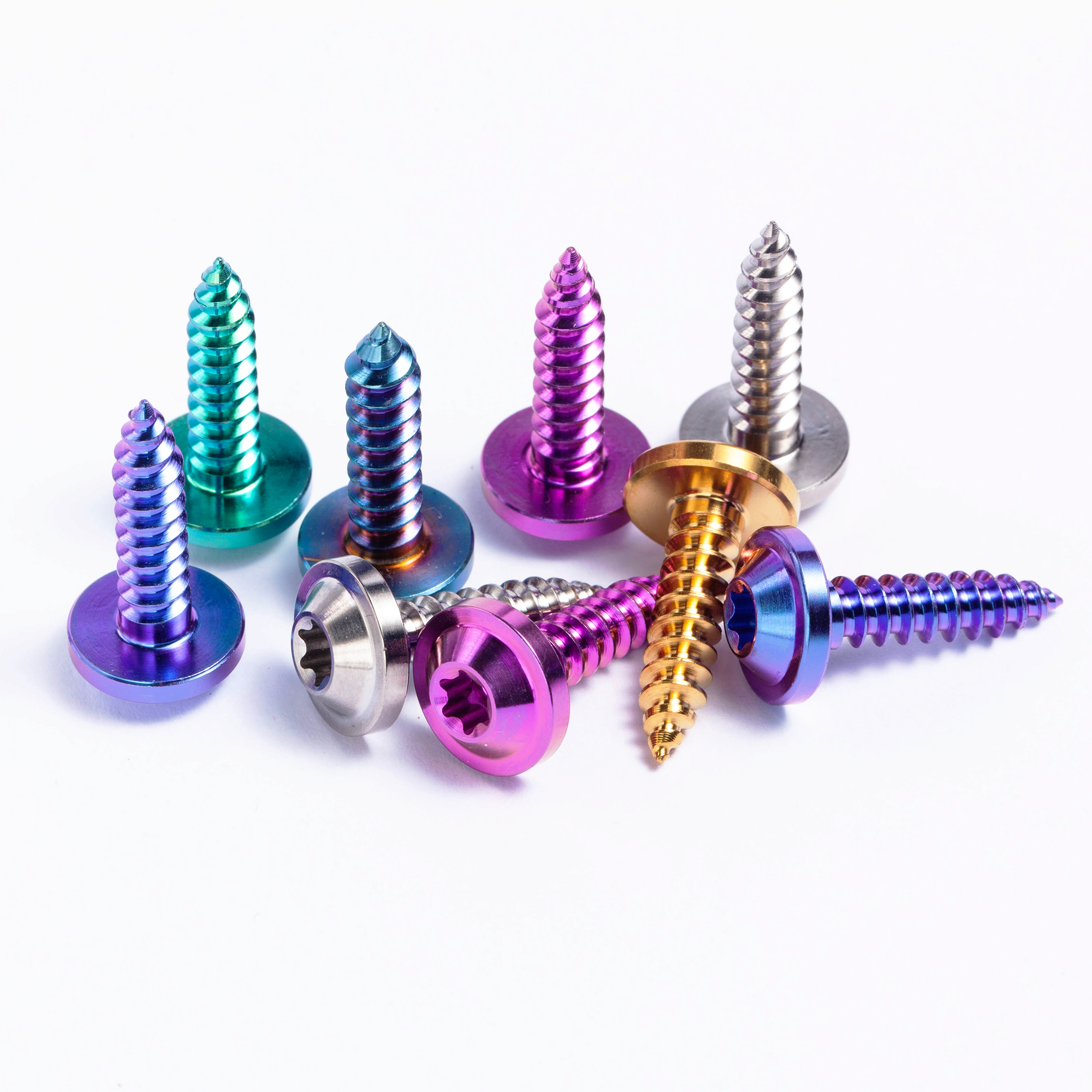
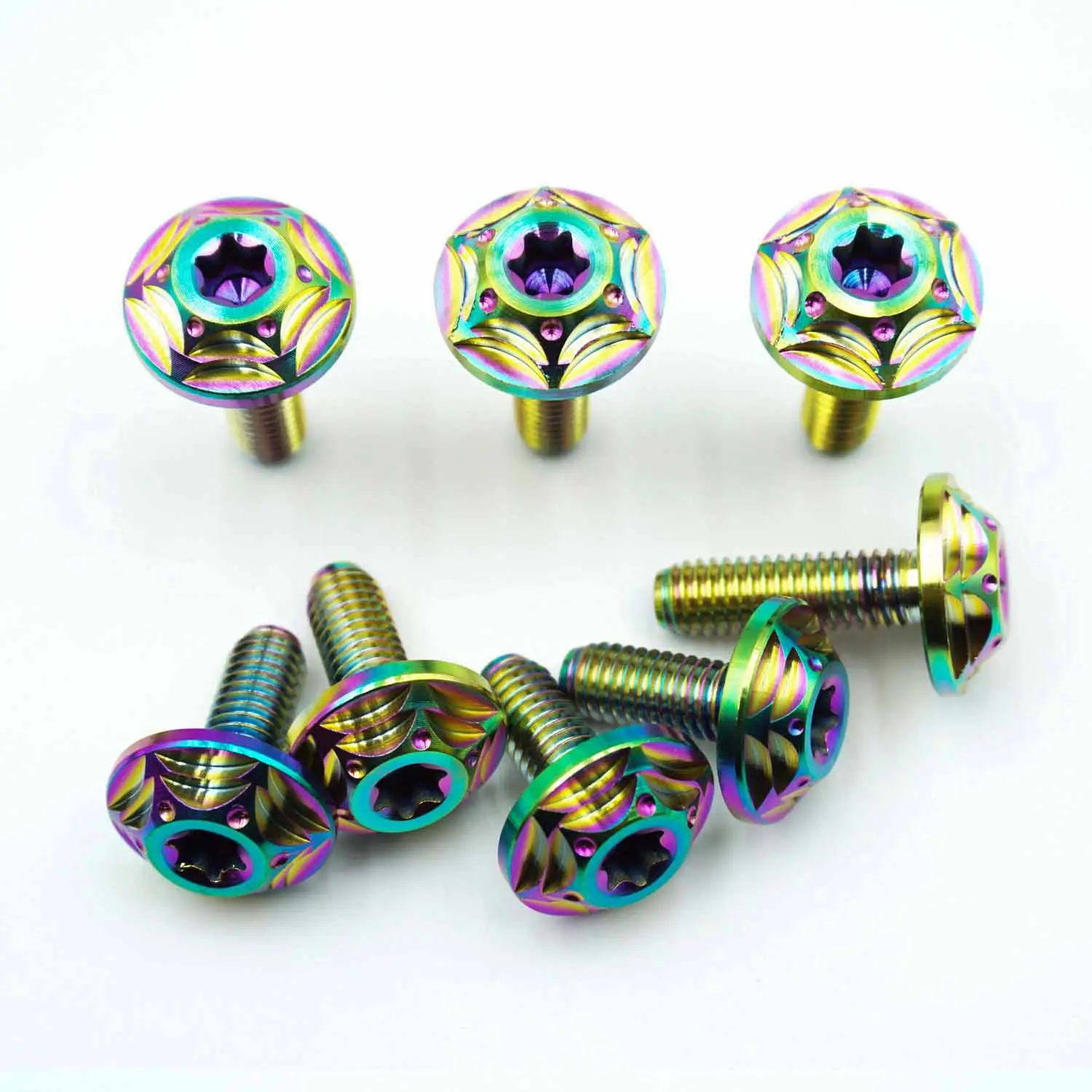
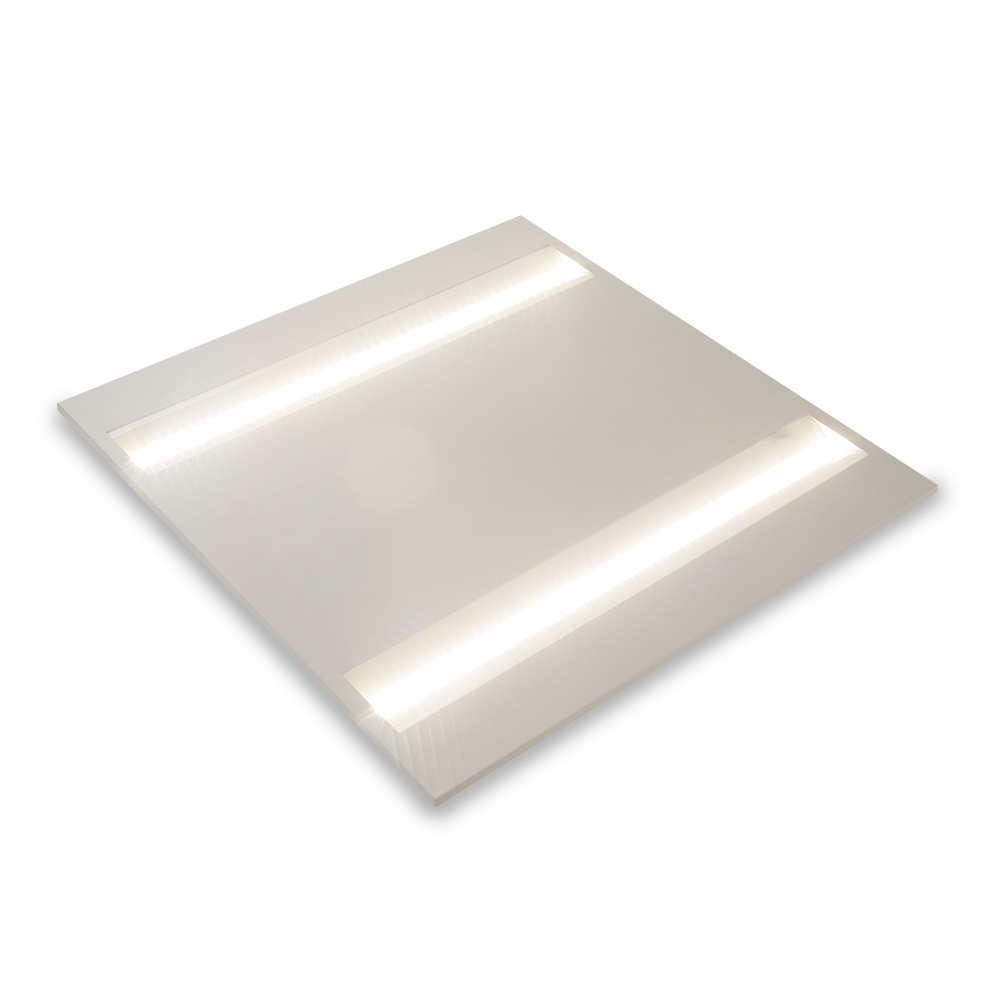
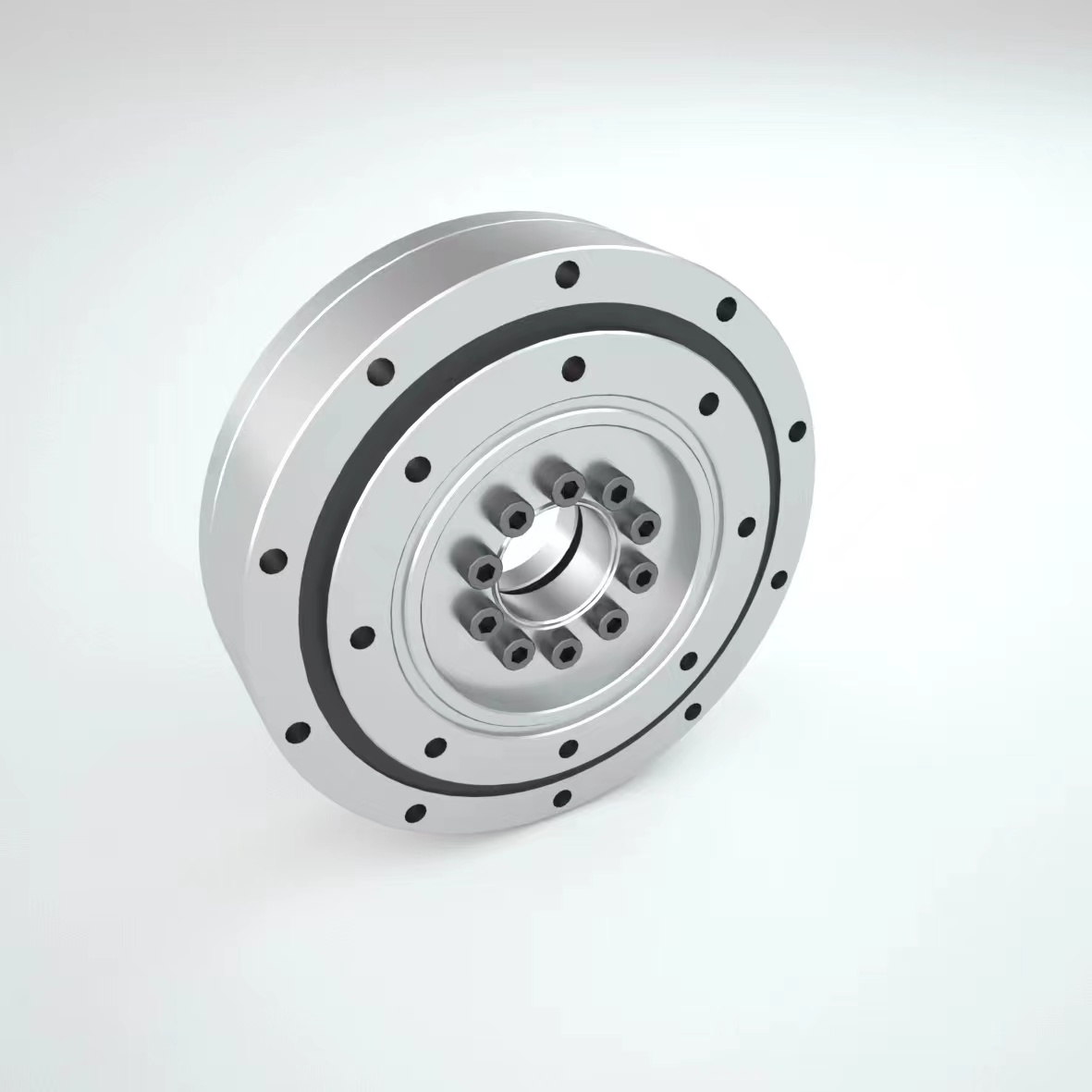
As Portugal accelerates its re-industrialization agenda through Indústria 4.0, the Lisbon Metropolitan Area has consolidated its status as a high-technology nerve center bridging aerospace, ocean robotics, offshore renewable installations, and clean micro-mobility. The geographic axis extending from the Tagus Estuary (Lisboa-Setúbal) to the aerospace manufacturing pole of Alverca and Évora requires structural materials capable of enduring harsh Atlantic maritime atmospheres while meeting rigorous lightweighting thresholds.
Historically, industrial procurement across the Iberian Peninsula relied on high-grade austenitic stainless steels (such as AISI 316L and 904L) or aeronautical 7000-series aluminum. However, both structural choices present intrinsic operational trade-offs: stainless steel inflicts prohibitive mass penalties on dynamic and floating assemblies, whereas high-strength aluminum remains exceptionally vulnerable to galvanic attack and localized pitting when exposed to salt-mist environments. Custom OEM titanium machining bridges this gap by offering a density of 4.43 g/cm³ paired with an inherent, self-healing rutile (TiO₂) passivation layer that renders the component chemically inert in marine immersion and saline atmospheres.
Jiaxing Wexra Titanium Products Co., Ltd. serves as a specialized Tier-1 and Tier-2 OEM machining partner and exporter for Portuguese engineering firms, procurement houses, and industrial laboratories. By combining high-precision multi-axis CNC turning and milling centers, hot-forging capabilities, and comprehensive European compliance (CE, RoHS, REACH), Wexra ensures Lisbon-based enterprises secure high-volume serial production with tolerances matching the most demanding European aerospace and naval standards.
Grade 5 (Ti-6Al-4V) achieves tensile strengths exceeding 895–1000 MPa while delivering a 44% mass reduction compared to Class 10.9 structural steels, reducing rotational inertia and parasitic weight.
Titanium exhibits near-zero corrosion rates in seawater, chloride-laden splash zones, and offshore splash platforms, mitigating micro-crevice cracking that causes catastrophic failure in standard marine hardware.
The high elasticity threshold and low thermal expansion coefficient of titanium allow custom OEM parts to survive millions of load cycles in high-torque harmonic drives, surgical gear, and powertrain hubs.
Machining titanium requires deep metallurgical competence. Unlike free-cutting steels or brass, titanium is a poor thermal conductor (thermal conductivity of ~7.2 W/m·K for Ti-6Al-4V versus ~50 W/m·K for mild steel). During high-velocity CNC milling or turning operations, frictional heat cannot dissipate through the chip; instead, it concentrates directly on the cutting tool edge. Without precise chip-load management, high-pressure through-spindle coolant, and specialized carbide tool geometries, rapid thermal degradation and catastrophic tool galling occur.
At Wexra, our CNC production floors in Jiaxing utilize dedicated multi-axis machining centers equipped with high-pressure internal cooling systems (70+ bar) directed straight to the cutting shear plane. We implement rigid spindle clamping, specialized TiAlN/AlCrN physical vapor deposition (PVD) micro-coatings, and controlled low-RPM, high-feed cutting regimes. For structural bolts and threaded rods, we avoid cut threads wherever structural integrity is paramount; instead, we deploy cold and warm thread rolling. Thread rolling redistributes the material's grain boundaries along unbroken, contoured streamlines, improving tensile fatigue thresholds by up to 35% compared to conventionally cut fasteners.
| Material Designation | Density (g/cm³) | Yield Strength (MPa) | Tensile Strength (MPa) | Elastic Modulus (GPa) | Marine Corrosion Resistance | Typical Lisbon Application Domain |
|---|---|---|---|---|---|---|
| Titanium Gr5 (Ti-6Al-4V) | 4.43 | 828 | 895 - 1050 | 114 | Total Immunity | Brake calipers, aerospace gimbals, subsea AUV hulls |
| Titanium Gr2 (CP-Ti) | 4.51 | 275 | 345 - 450 | 103 | Total Immunity | Chemical heat exchangers, marine sensors, architectural |
| Stainless Steel 316L | 8.00 | 220 | 520 | 193 | Moderate / Pitting Risk | Commercial port hardware, general maritime fittings |
| Alloy Steel Class 10.9 | 7.85 | 940 | 1040 | 205 | Requires Plating / Rusts | Automotive engine brackets, industrial machinery |
| Aluminum 7075-T6 | 2.81 | 503 | 572 | 72 | Severe Galvanic Risk | Aerospace brackets, short-term dry racing components |
*Note: Tensile metrics derived in accordance with ASTM B348, ASTM F136, and ISO 898-1 standards. All raw titanium ingots undergo chemical spectrometer verification and ultrasonic inspection prior to production processing.
Precision titanium hardware is not a generic commodity; its value proposition is directly realized in mission-critical environments where component failure compromises capital assets or human safety. In Lisbon and the surrounding industrial corridors, Wexra’s custom OEM parts address five vital sectors:
The Port of Lisbon and oceanographic research clusters connected to the Tagus River estuary lead Europe in marine technology (Blue Economy). Subsea Autonomous Underwater Vehicles (AUVs), acoustic sonar transponders, and oceanographic monitoring buoys operate under hydrostatic pressures reaching hundreds of bars. Wexra manufactures custom non-magnetic Grade 5 titanium sensor housings, subsea end-caps, and pressure-resistant flange fasteners that withstand decades of seawater immersion without chloride stress-corrosion cracking or biological fouling deterioration.
Portugal’s aerospace tier infrastructure, centered around OGMA (Indústria Aeronáutica de Portugal) in Alverca do Ribatejo and the aeronautics cluster in Évora, requires flight-critical structural brackets, engine nacelle hardware, and control linkage fasteners. Wexra provides CNC-machined titanium parts with dimensional tolerances of ±0.01 mm, verified on optical coordinate measuring machines (CMM). Our hardware satisfies stringent weight-optimization programs for commercial civil aviation modifications and defense airframe structures.
With Portugal positioning itself as an international vanguard in offshore floating wind (WindFloat Atlantic) and wave energy pilot arrays along the Atlantic shelf, mechanical joints face continuous dynamic cyclic fatigue. Wexra’s rolled-thread Grade 5 titanium stud bolts, heavy hex nuts, and mooring sensor housings eliminate the severe crevice corrosion that plagues standard marine alloys, drastically cutting offshore maintenance vessel dispatch costs across a 25-year operational lifecycle.
Portugal is Europe’s largest bicycle manufacturer and an emerging hub for performance electric mobility. From racing motorcycles competing at the Autódromo do Estoril to premium electric bicycles and racing yachts, unsprung mass reduction directly determines dynamics and power efficiency. Wexra supplies custom hollow-stem bolts, brake disc bolts, titanium sprocket fasteners, and harmonic gear components that shave vital grams while withstanding extreme torsional stress.
Purchasing managers and lead design engineers across Lisbon’s industrial sectors face changing regulatory, commercial, and technical requirements. Analyzing the evolving procurement landscape reveals several primary drivers:
Historically, procurement departments favored marine-grade 316 stainless hardware due to lower initial purchase prices. However, in naval, offshore renewable, and port-side infrastructure, the recurring costs of regular bolt replacement, passivation inspections, galvanic isolation maintenance, and corrosion-induced system downtime far outweigh the initial capital outlay. Portuguese industrial enterprises are increasingly adopting full Life-Cycle Costing, selecting custom titanium components that offer decades of maintenance-free service life.
Under European Union directives enforced rigorously by the Portuguese Environment Agency (APA) and the European Chemicals Agency (ECHA), fasteners and surface coatings must be completely free of toxic elements such as hexavalent chromium (Cr6+), lead, and cadmium plating. Wexra’s physical vapor deposition (PVD) finishes and electrochemical Type II and Type III anodizing processes produce vibrant functional colors and hardened surface barriers through structural titanium oxide growth, without employing hazardous bath chemistries, ensuring immediate compliance with REACH and RoHS standards.
Modern engineering operations in Lisbon cannot tolerate multi-quarter manufacturing lead times. Wexra pairs its high-capacity Asian CNC machine base with express air-cargo direct corridors straight to Humberto Delgado Airport (LIS) and ocean freight routing through the Port of Lisbon. This hybrid capability guarantees that custom-machined prototyping batches can arrive in Portugal within 7–10 days of CAD freeze, followed by scaled serial mass deliveries under scheduled Just-In-Time (JIT) releases.
Founded in 2018 in Jiaxing, Zhejiang—the advanced industrial manufacturing heartland of the Yangtze River Delta—Jiaxing Wexra Titanium Products Co., Ltd. is a dedicated precision manufacturer focused exclusively on titanium and exotic titanium alloy solutions. We manage the entire component lifespan in-house: from certified vacuum arc remelted (VAR) billet selection to 5-axis CNC machining, hot forging, high-speed thread rolling, and automated laser quality metrology.
Housing high-speed machining centers, multi-axis sliding-head Swiss lathes, wire EDM, and dedicated surface polishing equipment operating under strict contamination-control protocols.
Every delivery batch is accompanied by comprehensive Material Test Certificates (EN 10204 3.1 MTC), chemical spectrographic analysis, hardness reports, and full dimensional inspection sheets.
Over 91% of our gross output is directly exported to demanding quality-sensitive markets including Germany, the UK, the United States, and Canada, backed by multilingual engineering support.
Titanium fasteners and custom CNC components leaving our plant undergo systematic verification checkpoints. Threads are tested using calibrated go/no-go ring and plug gauges; dynamic critical bolts are subject to optical profile projection and micro-hardness testing across the core and thread root. Surface roughness down to Ra 0.4 µm is standard for fluid seals and dynamic hydraulic pistons. Our factory operates strictly under the ISO 9001:2015 quality management system, holding international CE Marking, UKCA compliance, and full EPR verification.
Direct technical and commercial answers addressing common engineering queries regarding international freight, customs clearance, metallurgical suitability, and assembly techniques.
Whether you require race-spec Ti-6Al-4V fasteners for automotive platforms, custom sensor housings for subsea Atlantic instrumentation, or high-precision harmonic drive components for robotics lines, our technical team is prepared to analyze your CAD models and provide competitive OEM quotes.