Engineered Titanium Fasteners & Kinematic Assemblies
High-grade custom titanium components designed for extreme environments, mechanical durability, and weight-sensitive engineering in Poland's high-tech manufacturing base.
Technical Whitepaper: Integrating Anodized Titanium in the Łódź Voivodeship Industrial Ecosystem
The city of Łódź, historically renowned as the textile center of Poland, has undergone a fundamental structural transformation over the past two decades. Today, the Łódź Special Economic Zone (Łódzka Specjalna Strefa Ekonomiczna - ŁSSE), together with clusters in nearby Stryków and Piotrków Trybunalski, anchors Central Europe's advanced mechatronics, logistics automation, medical equipment fabrication, and electro-mobility manufacturing corridors. As mechanical assemblies deployed by local contractors operate under increasingly stringent thermal, chemical, and mass-reduction constraints, the integration of precision CNC-machined Grade 5 (Ti-6Al-4V) and Grade 2 anodized titanium components has transitioned from an exotic alternative to an engineering imperative.
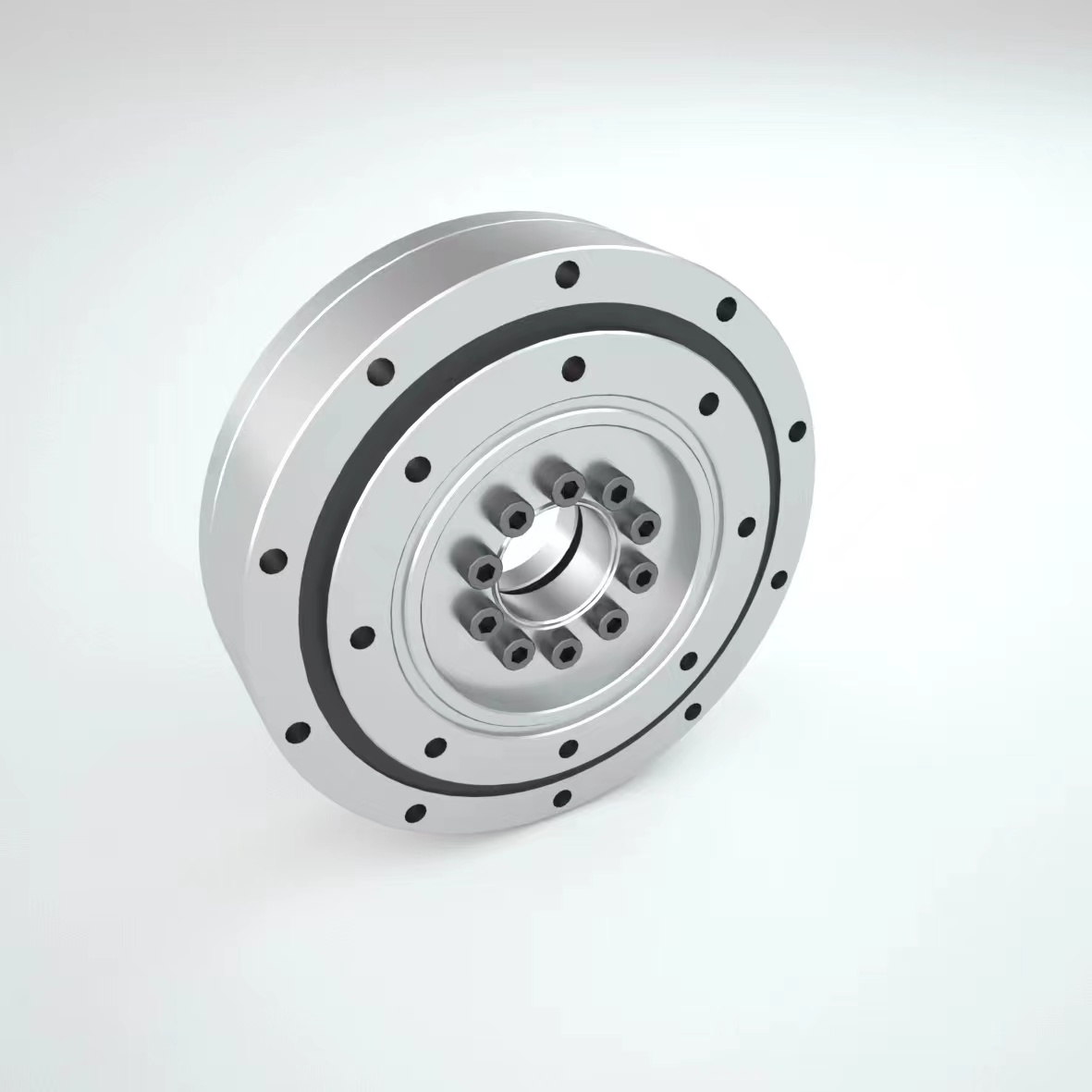
Unlike standard stainless steels (such as 1.4301 / AISI 304 or 1.4404 / AISI 316L) or anodized aircraft-grade aluminums (EN AW-7075), titanium alloys resolve the classical engineering tradeoff between density and mechanical strength. Grade 5 titanium offers a nominal tensile yield strength exceeding 830 MPa while maintaining a density of merely 4.43 g/cm³. For dynamic automated machinery in Łódź distribution hubs and robotic arms operating high-cycle sorting assemblies, substituting rotating and reciprocating structural bolts with titanium delivers a 44% mass reduction compared to alloy steel Class 10.9 fasteners. This directly translates to lower kinematic inertia, reduced motor drive sizing, diminished wear on harmonic drive gearboxes, and accelerated machine cycle times.
| Alloy / Standard | Yield Strength (MPa) | Density (g/cm³) | Specific Strength (kN·m/kg) | Oxidation & Corrosion Behavior |
|---|---|---|---|---|
| Titanium Grade 5 (Ti-6Al-4V) | 830 - 895 | 4.43 | 190 - 202 | Self-healing TiO₂ passivation; immune to chlorides & atmospheric road salt. |
| Titanium Grade 2 (CP-Ti) | 275 - 345 | 4.51 | 61 - 76 | Exceptional resistance to acidic textile dyes, nitric solutions, and organic compounds. |
| Structural Steel 10.9 (ISO 898-1) | 940 - 1040 | 7.85 | 120 - 132 | Vulnerable to galvanic attack and hydrogen embrittlement; requires zinc flakes. |
| Aluminium 7075-T6 | 480 - 505 | 2.81 | 170 - 180 | Susceptible to stress-corrosion cracking; anodized layers prone to mechanical shear. |
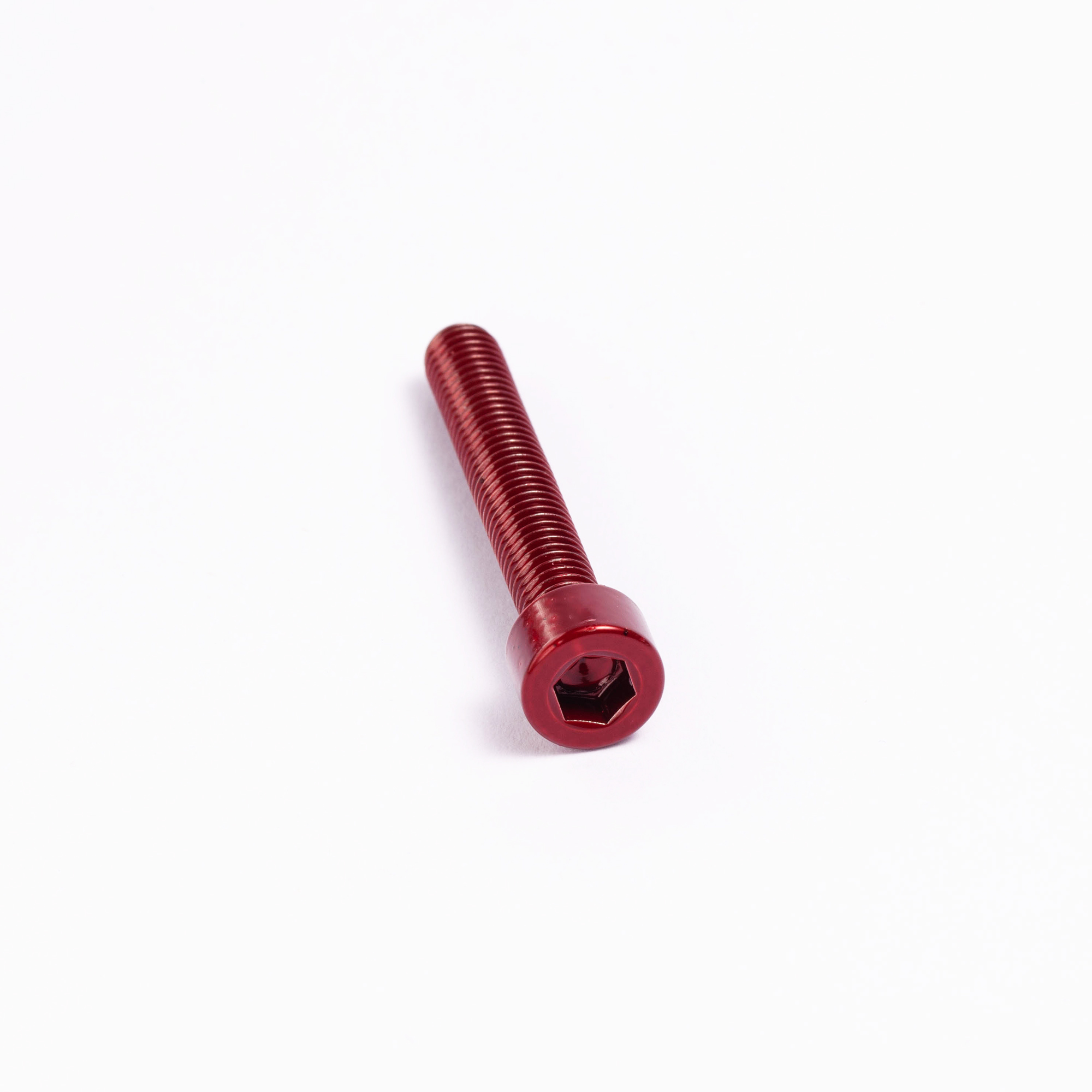
In addition to structural performance, the electrolytic anodization process executed in our cleanrooms enhances surface functionalization without altering base geometric thread profiles. Titanium anodizing operates via controlled interference-layer oxidation rather than chemical additive plating. By modulating direct current voltage across an aqueous electrolyte, we precisely generate an amorphous titanium dioxide (TiO₂) film ranging from 15 nm to 200 nm. Because this layer is non-dimensional in relation to standard DIN/ISO metric thread classes (such as 6g/6H tolerances), precision fitment in M3 to M16 tapped housings remains unaltered while providing galvanic isolation against carbon composite and aluminum galvanic corrosion cells.
Targeted Application Scenarios in the Łódź Corridor
Engineered specifically to satisfy technical compliance across Central Poland's high-growth industrial clusters.
Automated Logistics & Intralogistics
With Stryków and Łódź acting as the central transit crossway for Central and Eastern Europe, autonomous guided vehicles (AGVs) and high-speed conveyor lines demand low-mass, wear-resistant kinematic linkages. Our custom harmonic drive flexsplines and lightweight Gr5 chassis fasteners reduce power draw and mechanical fatigue under 24/7 continuous duty cycles.
Medical Instruments & Bio-Engineering
Capitalizing on the academic strength of the Medical University of Łódź and adjacent diagnostic instrument manufacturing, our Grade 2 commercially pure and Grade 5 ELI (Extra Low Interstitial) titanium turned parts guarantee complete biocompatibility, non-magnetic properties for MRI operating environments, and high autoclave sterilization survival.
Specialized Textile Chemical Machining
Modernized non-woven textile processing, chemical dyeing, and technical synthetic fiber facilities throughout the wider Łódź district encounter severe chemical aggression. Grade 2 titanium nozzles, acid-resistant manifolds, and double-stud fasteners withstand acidic wash solutions and chloride-rich bleaching atmospheres that rapidly degrade standard austenitic stainless steels.
Key Procurement Trends in Łódź & the Polish Market
How procurement departments and design bureaus across Poland are evolving their hardware sourcing.
Shift Toward Supply Chain Traceability
Polish tier-1 and tier-2 engineering vendors increasingly mandate comprehensive metallurgical provenance. In accordance with EN 10204 3.1 certification, procurement managers require physical mill test certificates (MTC) detailing complete optical emission spectrometry and ultimate tensile tests to guard against downgraded raw material ingress.
Decarbonization & Lightweighting
Under European Green Deal frameworks, industrial transport manufacturers and consumer EV producers in Poland are actively replacing steel hardware with titanium fasteners. Shedding rotating unsprung mass on electric motors, drivetrains, and chassis systems directly enhances efficiency benchmarks without sacrificing structural safety margins.
Expansion of Custom Aftermarket Engineering
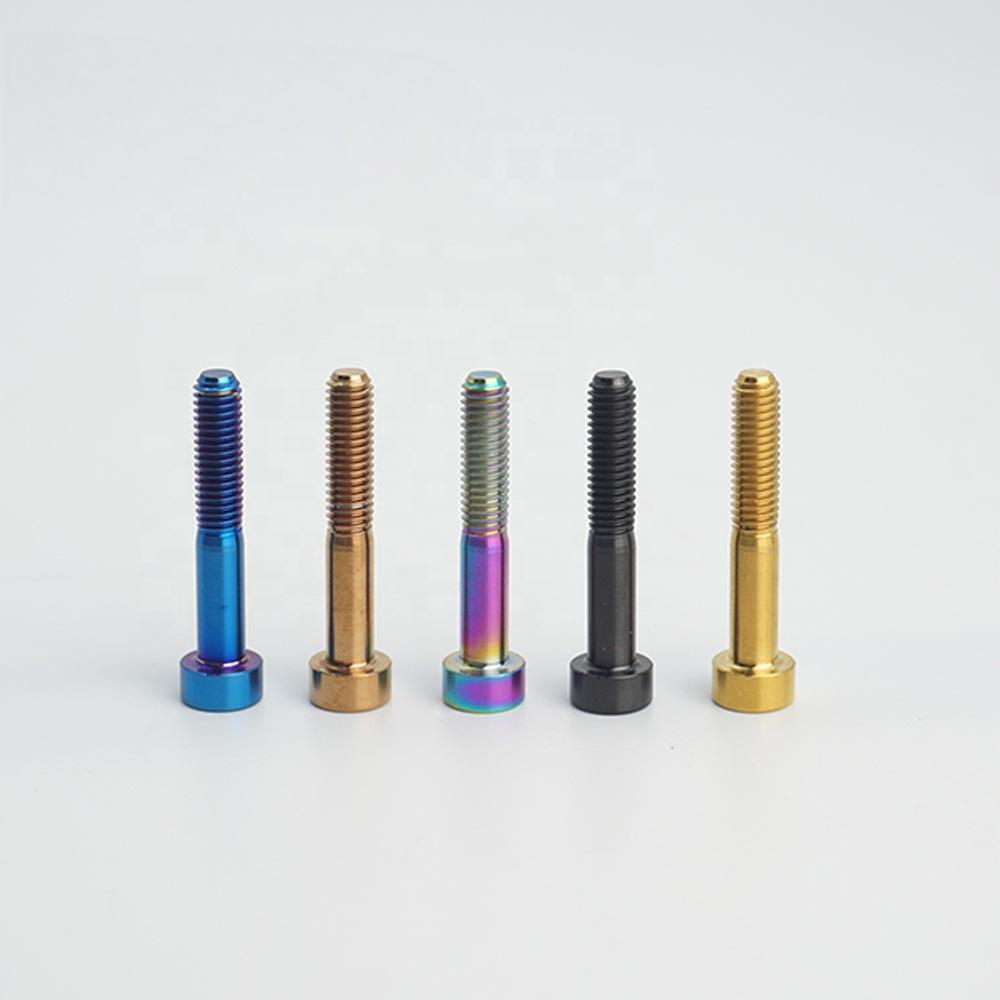
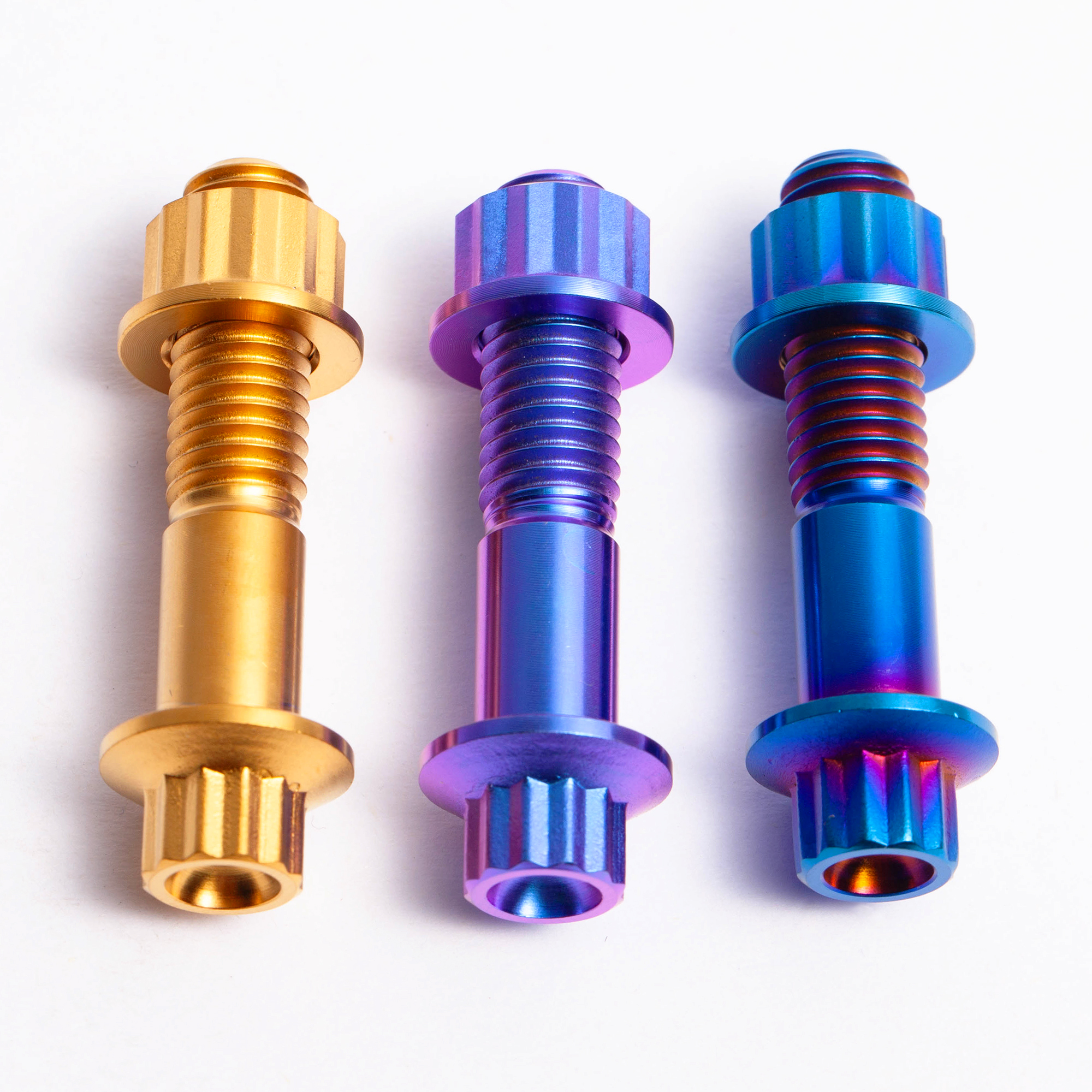
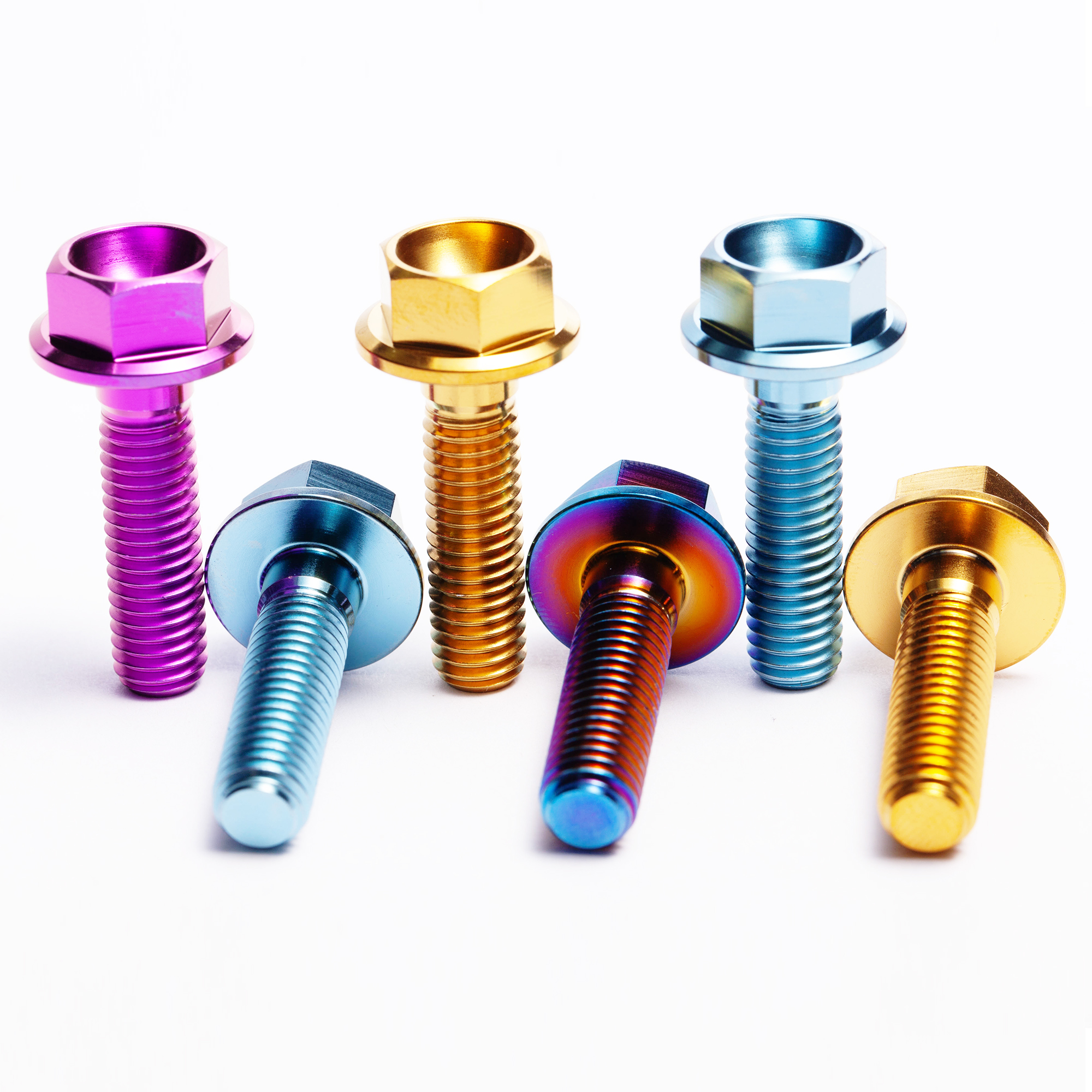
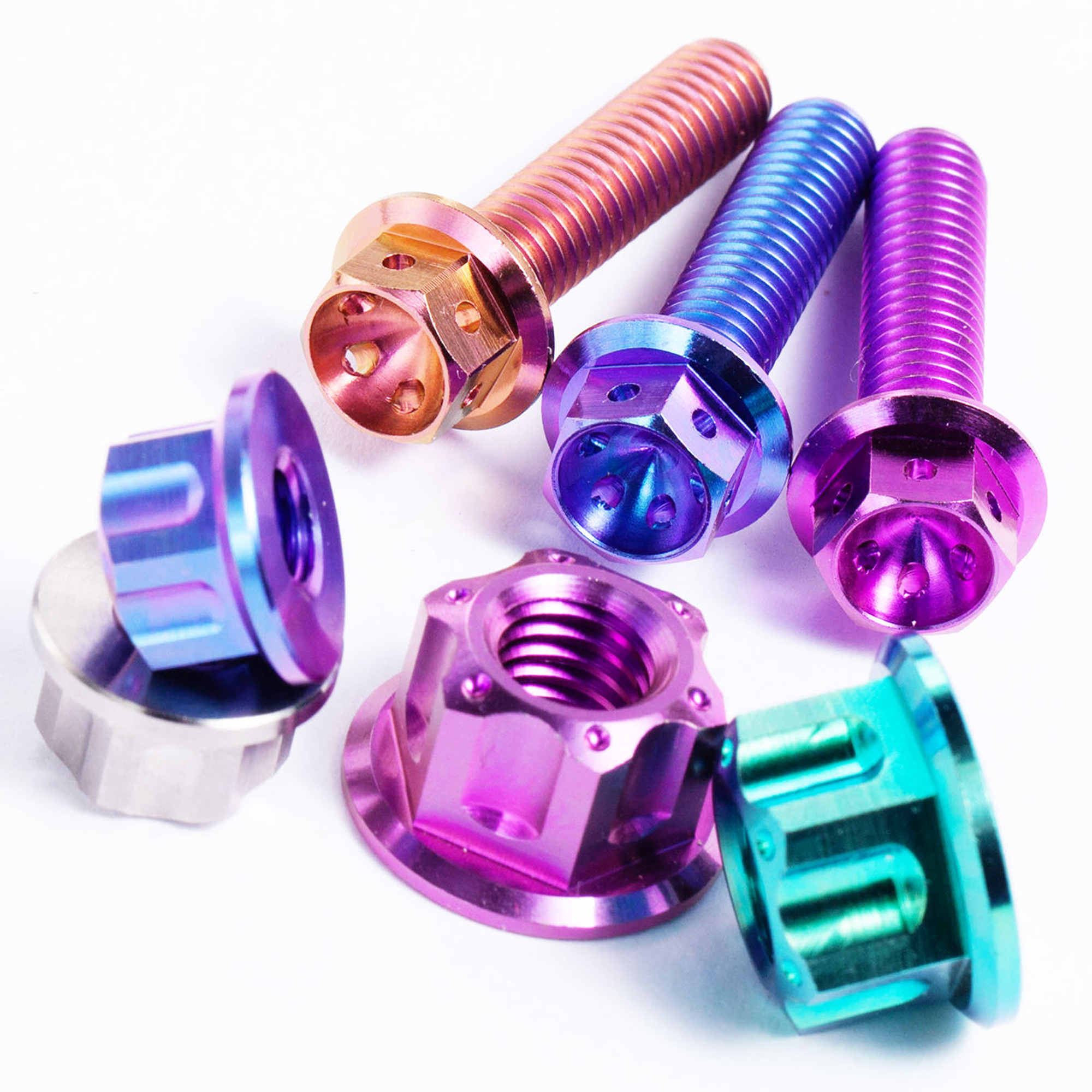
The Polish motorsport, performance motorcycle, and competitive bicycle sector (gravel and downhill MTB) is expanding rapidly across Central Poland. Demand has moved beyond standard silver hardware to custom-anodized violet, burnt blue, and PVD black fasteners featuring integrated flange designs and rolled threads for maximum fatigue life.
Why Polish Engineering Teams Partner With Wexra Titanium
Factory-direct technical support, dedicated CNC production floors, and rigorous quality systems.
Precision In-House Machining
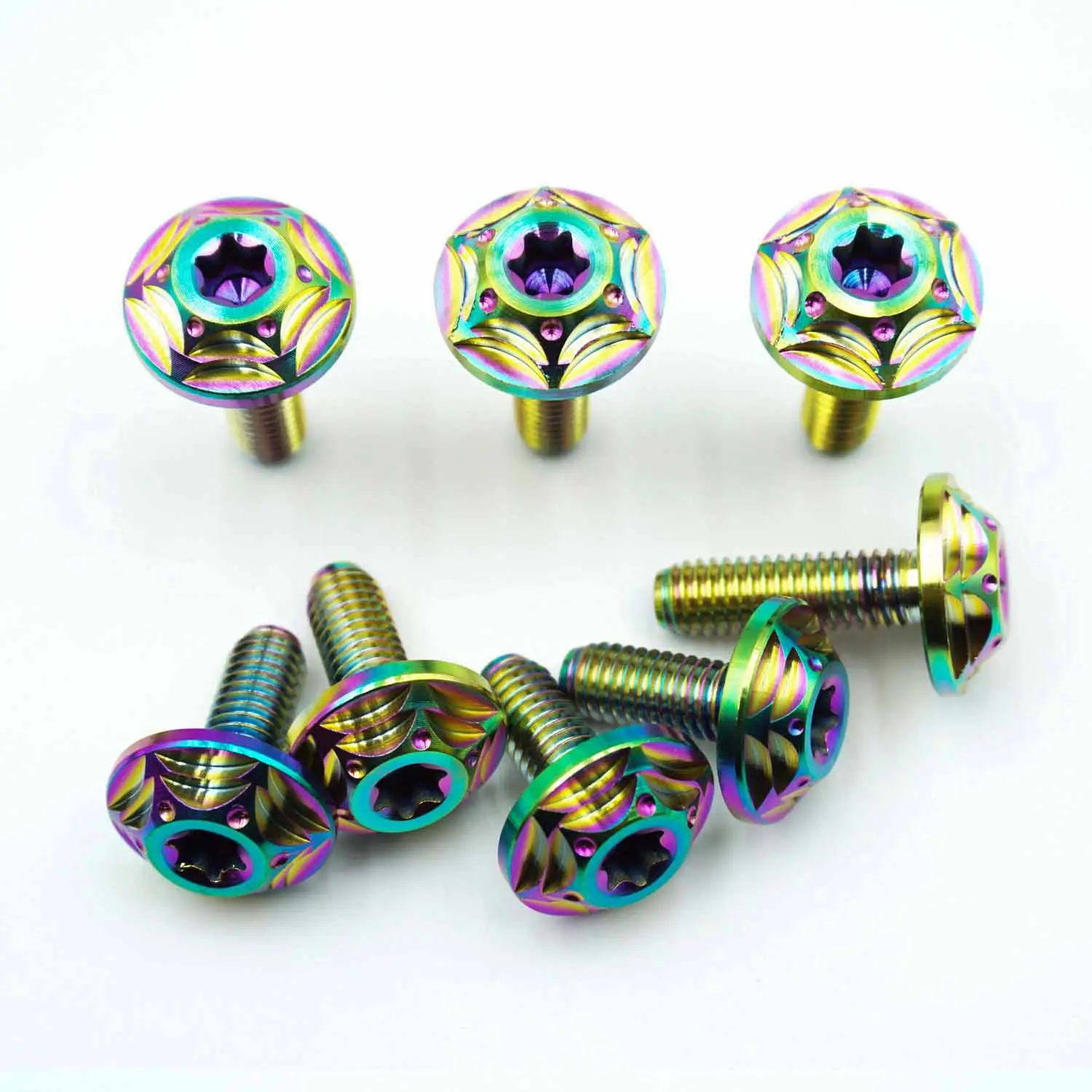
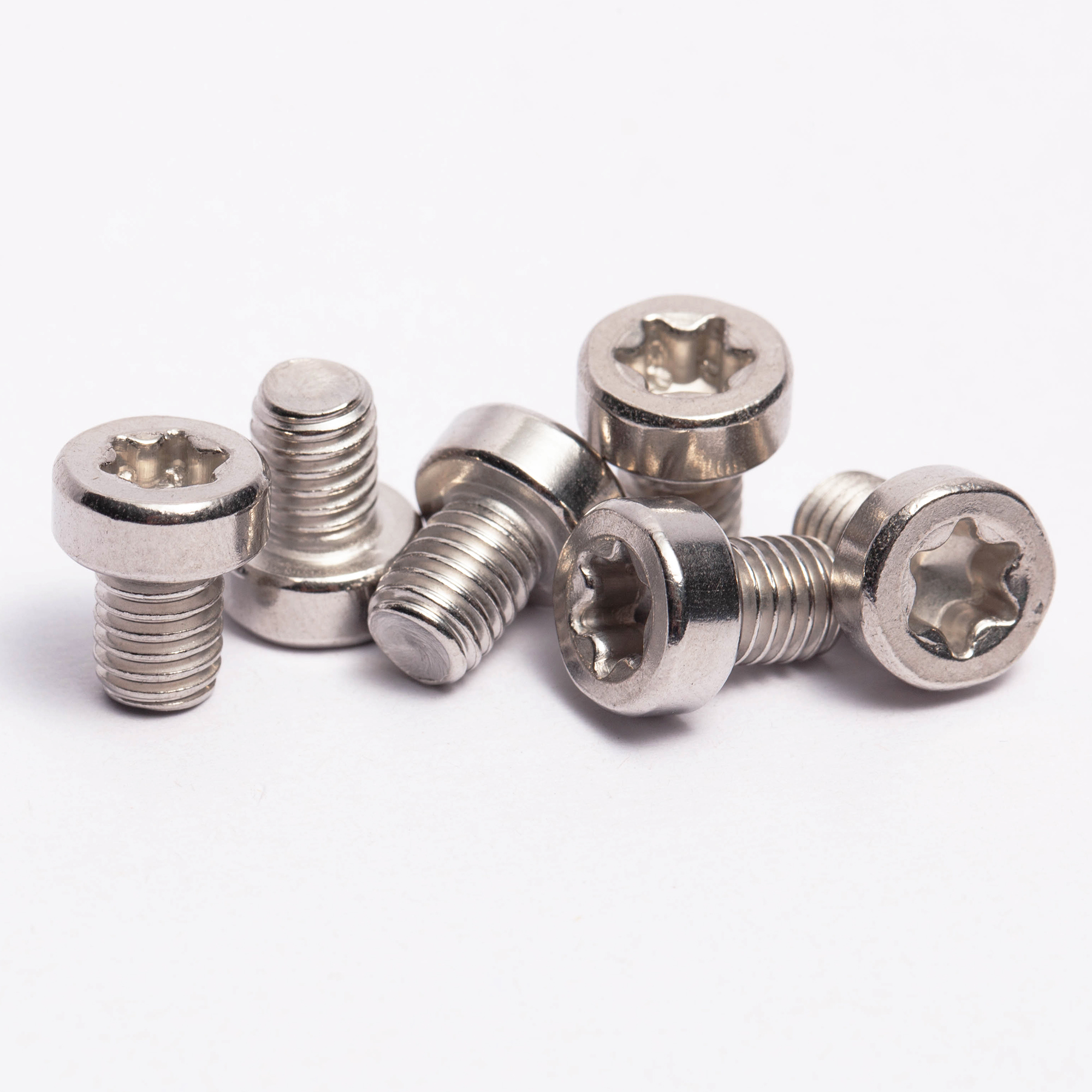
Equipped with modern multi-axis CNC lathe-milling complexes and automatic thread-rolling units, we sustain micron tolerances (±0.01mm) on intricate internal drives, Torx heads, and custom hollow-core weight-reduction bolts.
Advanced Anodizing Cleanrooms
Our voltage-stabilized chemical anodizing baths yield spectrum-calibrated optical tones (gold, violet, ice blue, emerald, and rainbow) and functional Type II hard coats with high batch-to-batch repeatability and thermal resilience.
EU-Aligned Compliance Protocols
All outbound shipments comply strictly with EU RoHS Directive 2011/65/EU and REACH (EC 1907/2006) chemical safety regulations. Full documentation packages accompany customs-cleared cargo into the European Union without administrative friction.
Rapid Air Freight to Central Poland
Benefiting from integrated express logistics corridors connecting direct hubs to Warsaw Chopin Airport (WAW) and Łódź Władysław Reymont Airport (LCJ), urgent pre-series sample batches reach your inspection bench in 5 to 7 business days.
Frequently Asked Questions: Łódź Procurement & Engineering
Technical answers addressing customs clearance, metallurgical standards, design rules, and minimum order commitments.
How are customs duties and import documentation handled for deliveries into Poland (EU)?
We provide full export support tailored to European Union regulations. All shipments to Łódź include commercial invoices with correct Harmonized System (HS) codes (typically HS 8108.90 for titanium articles or HS 7318 for threaded fasteners), packaging lists, and certificates of origin. When required by your customs broker or forwarder, we can facilitate DDP (Delivered Duty Paid) door-to-door delivery or ship via DAP to your designated logistics center in Stryków or Łódź.
Does anodizing affect the dimensional tolerance of high-precision metric threads?
No. Unlike aluminum anodizing—which builds an aluminum oxide coating that significantly expands surface thickness—titanium anodizing is an electrolytic conversion process that grows a microscopic interference oxide film (TiO₂) ranging from 15 to 200 nanometers. This dimensional change is virtually negligible and easily fits well within standard ISO 965-2 6g external and 6H internal metric thread tolerances, guaranteeing that fasteners assemble smoothly without post-tap re-threading.
Can you manufacture titanium parts from proprietary CAD models or physical samples?
Yes. Our engineering division operates advanced CAD/CAM software accepting STEP, IGES, DXF, and native SolidWorks files. If technical drawings are unavailable, our metrology laboratory can reverse-engineer physical components using coordinate measuring machines (CMM) and optical profile projectors, returning complete 2D production drawings and tolerance analyses for your engineering approval prior to machining.
What metallurgical testing records are provided to verify Grade 5 (Ti-6Al-4V) authenticity?
Every production lot is traced directly to its raw vacuum-arc remelted (VAR) titanium bar lot. Upon request, we furnish an EN 10204 3.1 inspection certificate comprising exact chemical composition testing (verifying aluminum content between 5.5-6.75% and vanadium between 3.5-4.5%) as well as mechanical property validation (tensile strength, yield strength, and elongation percentage).
How does Wexra prevent thread galling on titanium fasteners under high clamp preloads?
Thread galling (cold welding) is an inherent material property of titanium when exposed to extreme friction under load. We mitigate this through two proven manufacturing methodologies: first, by cold-rolling threads whenever possible to induce surface work-hardening and superior root radii; second, by offering specialized anti-galling PVD coatings or advising on application-specific molybdenum disulfide and copper-free anti-seize lubricants calibrated to local assembly torque specifications.
Accelerate Your Titanium Sourcing for the Łódź Market
Connect directly with our senior application engineering team. Submit your 2D/3D component drawings or project requirements for comprehensive DFM feedback, metallurgical grade selection, and factory-direct volume pricing within 8 hours.