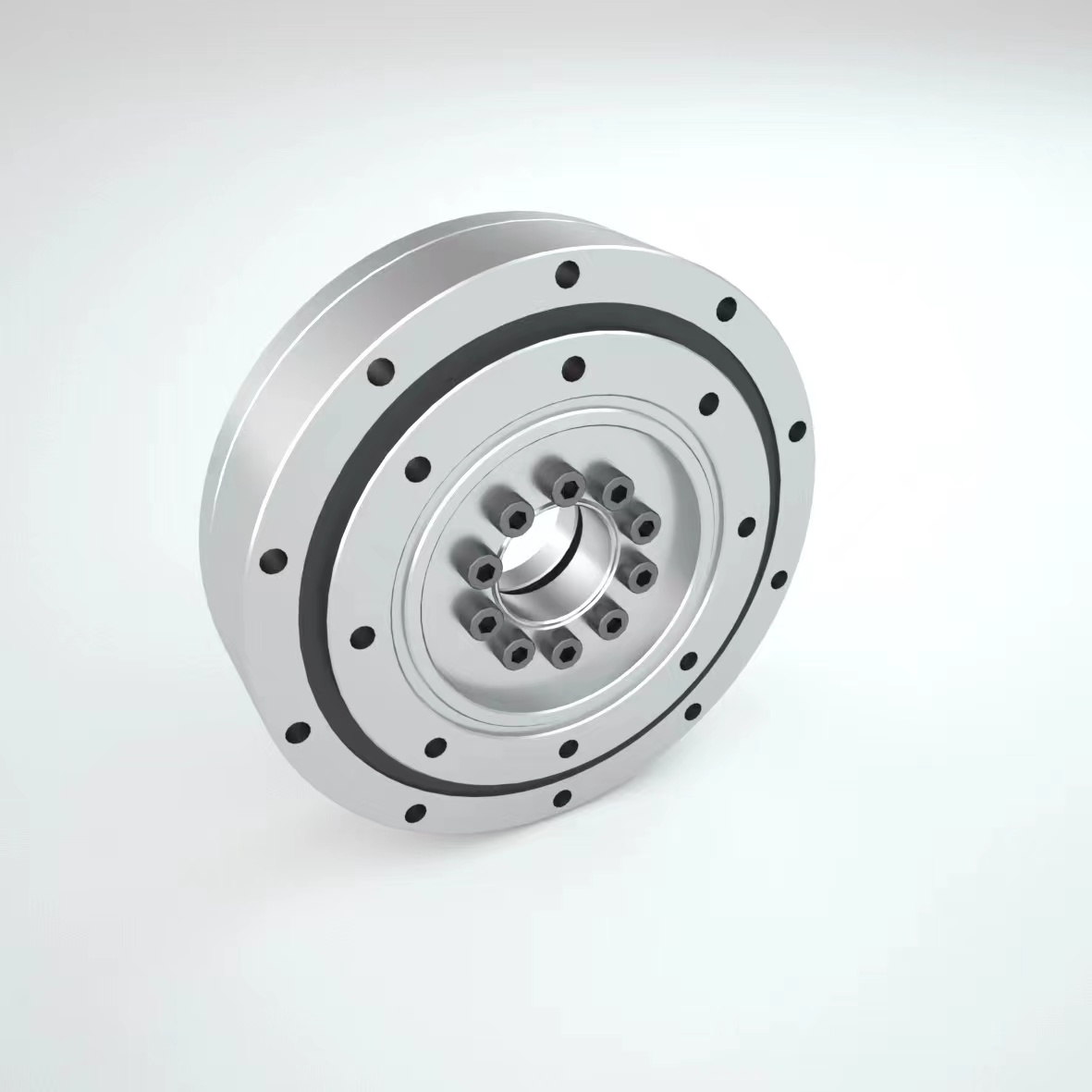
±0.01 mm
Ultra-Tight CNC Machining Tolerance
895+ MPa
Minimum Tensile Strength (Grade 5)
ISO 9001
Certified Quality System & MTC 3.1 Traceability
≤ 8 Hours
Rapid Engineering DFM Feedback
Featured Precision Components
Engineered Fasteners, Motion Drives & Custom Titanium Assemblies
From seamless structural tubing and harmonic motion drive gears to high-strength aerospace-grade titanium hardware, explore our core manufacturing capabilities deployed globally.
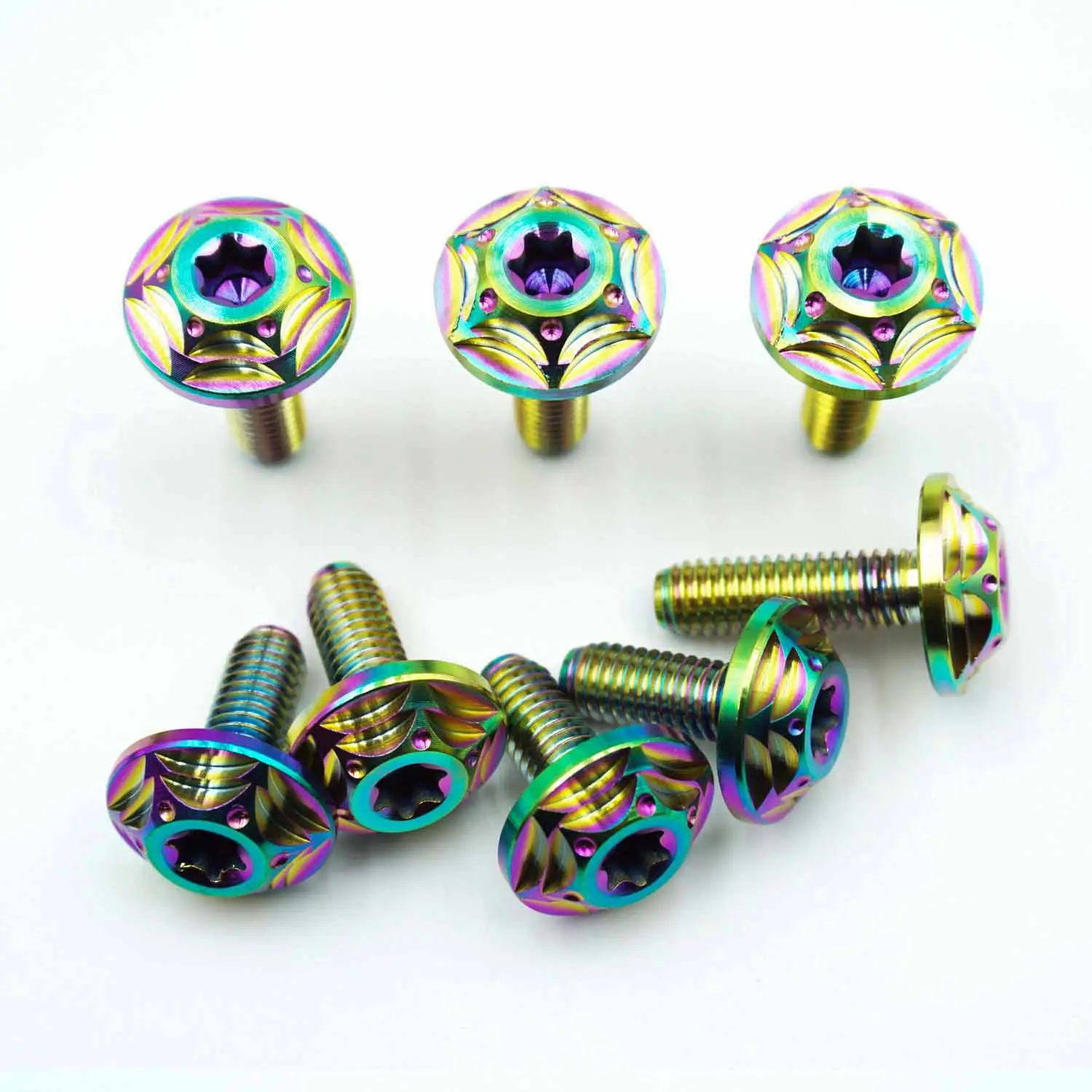
BST-TI M6 M8 M10 Socket Head Titanium License Plate Screws Colorful Industrial Grade Plain Finish Customized Sizes
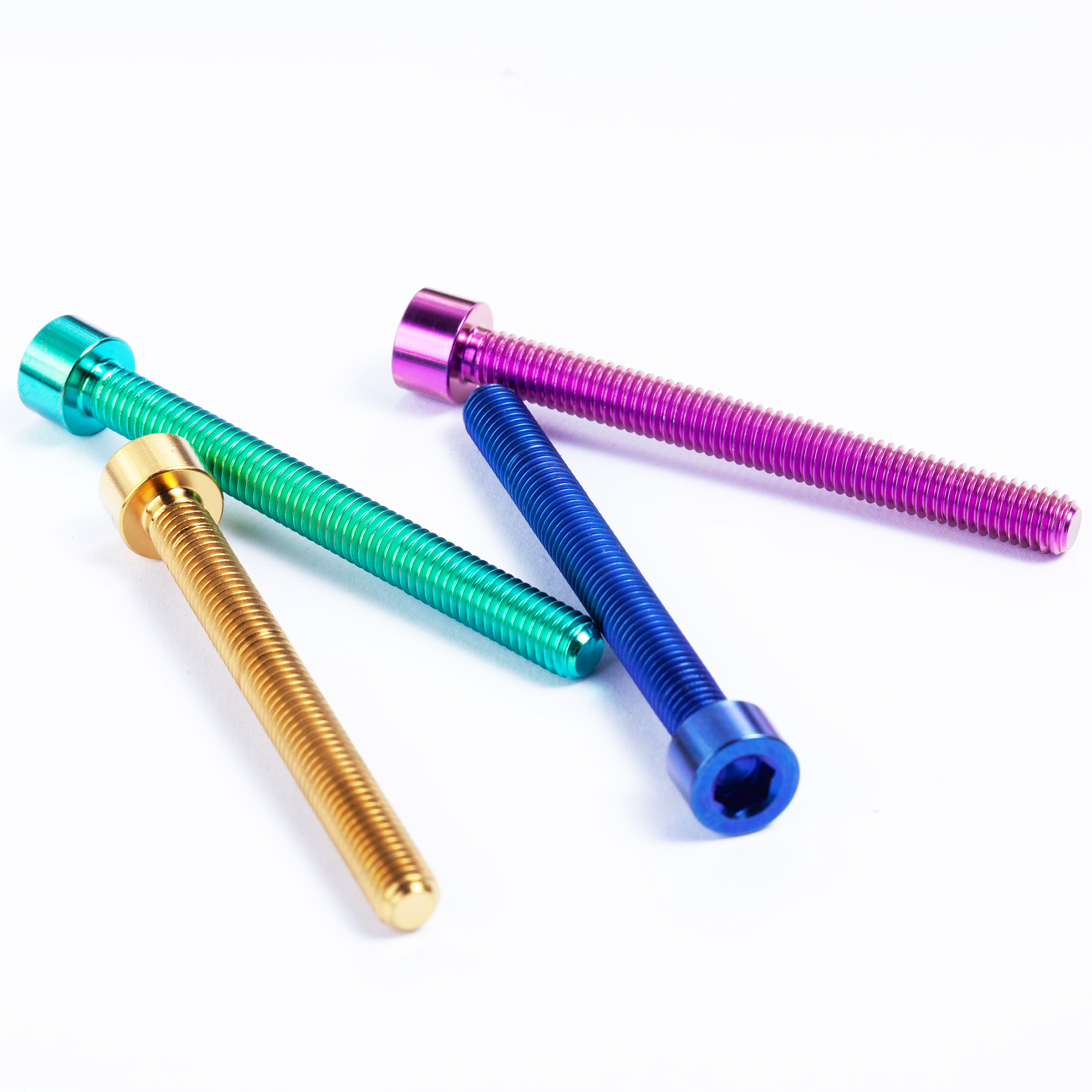
Hex Head Rotor Headset DIN Standard Gr5 Bolts Set Button Head Titanium Alloy Bike Fixing Screws Cycling Parts
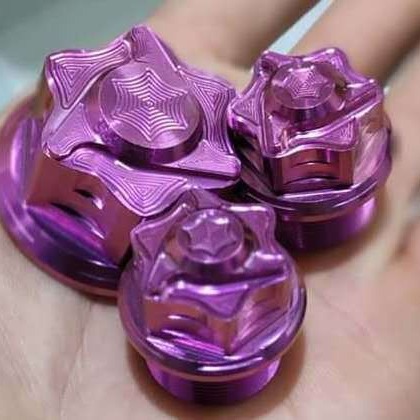
[Manufacturer Supply] Grade 10.9 M24/M22 Titanium Alloy Motorcycle Oil Cap Screw Finish None for SONIC150/Raider 150 Made China
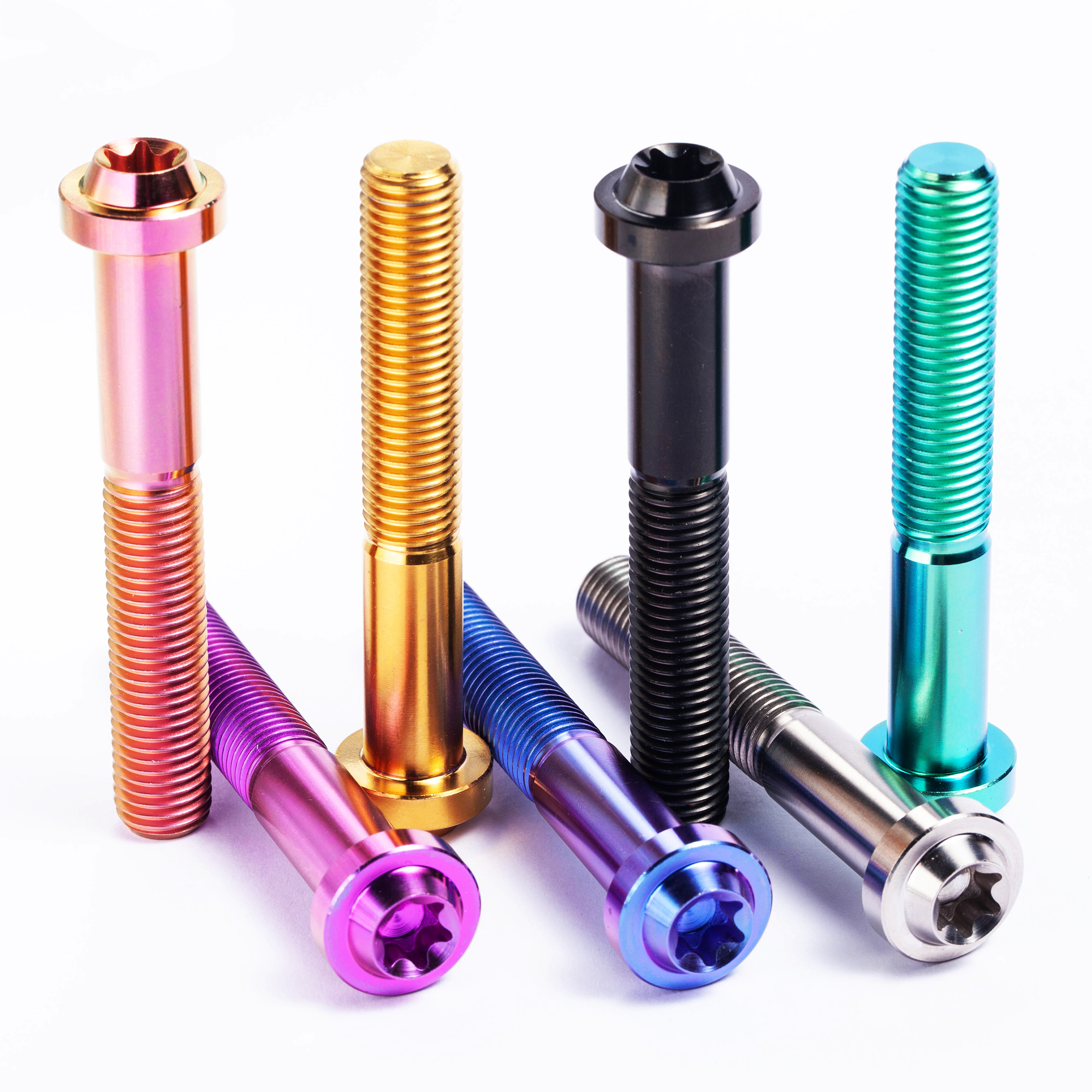
DIN912 Metric Bolts M2 M3 M4 M5 M6 M8 Grade 9 Titanium Alloy Zinc Plated Hex Head Motorcycle Industrial Standard Fasteners
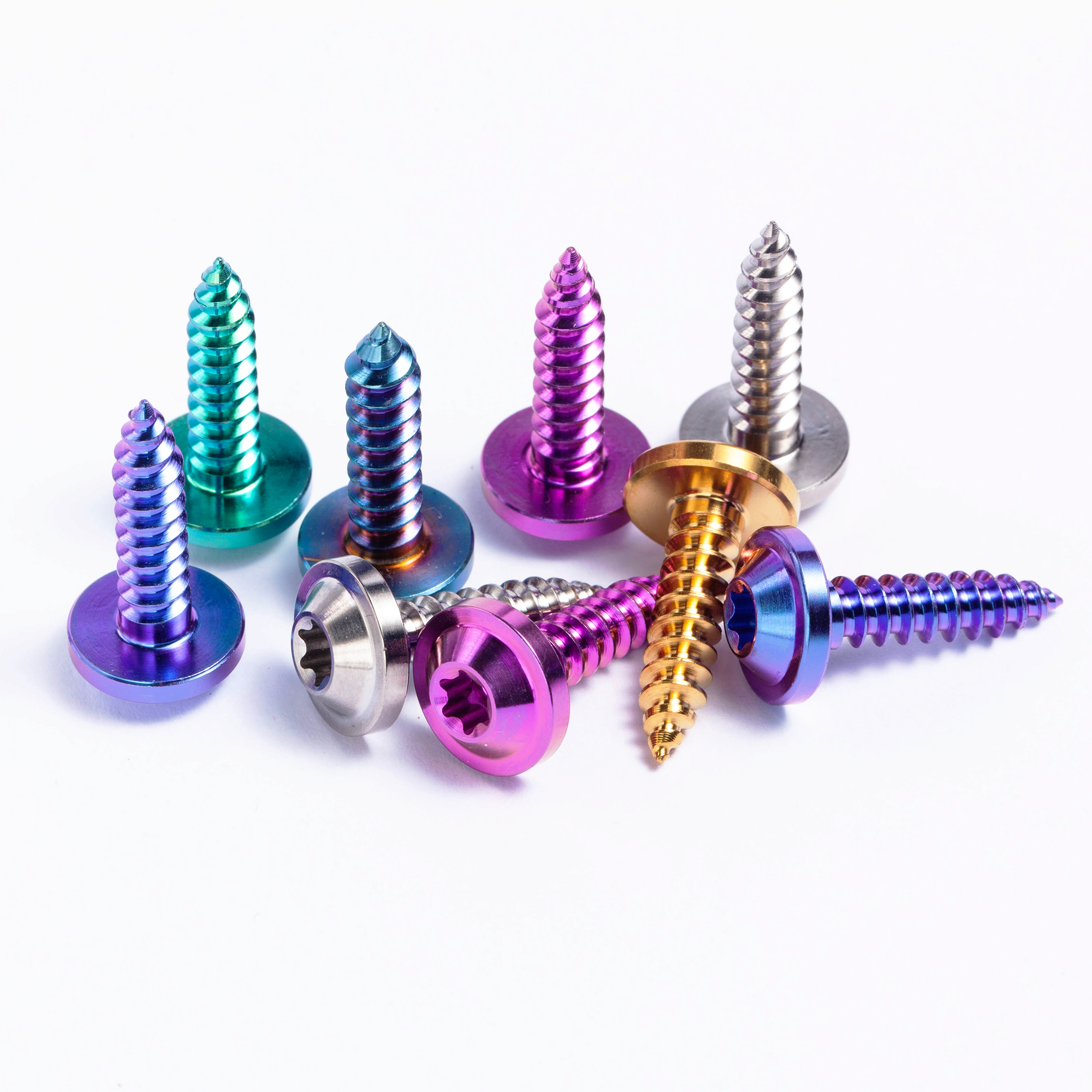
BSTTI TMJ Free Shipping M1.25 UNC Thread Class 10 Polished Titanium Flat Head Bolts Air Filter Body Cover Self-Tapping Screw
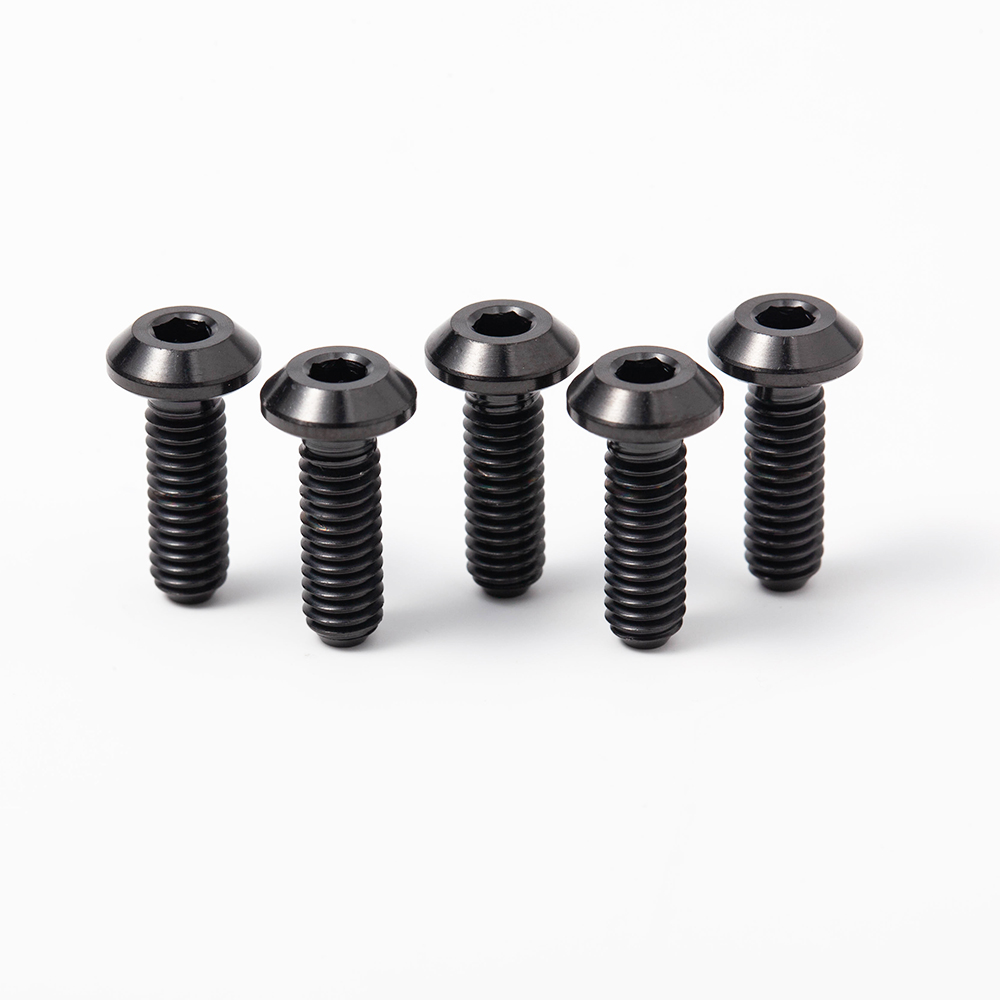
Bike Hanger Bolt Allen BST-TI GR5 Titanium Oval Head Black Colorful DIN Metric Standard Thread
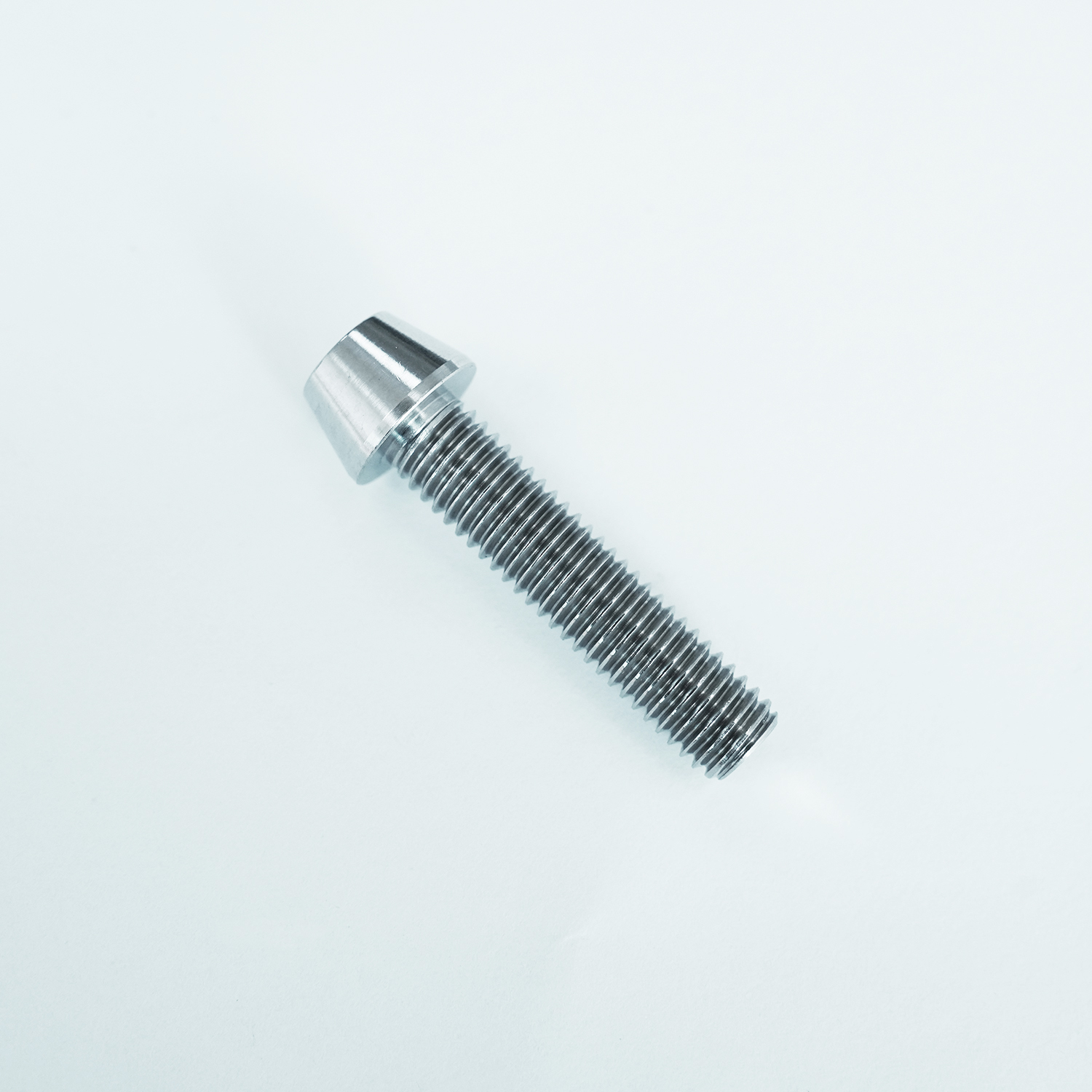
BST_TI Titanium Alloy Class 10 Anodized Finish Countersunk Head Bolts with UNF Thread for Bicycle Sprocket M8*25
Technical Whitepaper & Regional Integration
Strategic Titanium Alloy Solutions for Gwangju’s Advanced Industrial Cluster
As South Korea continues to aggressively transition its industrial infrastructure toward carbon-neutral mobility, intelligent autonomous systems, and advanced optoelectronics, the metropolitan city of Gwangju has established itself as an indispensable technological engine. Known historically for its prominent automotive assembly lines and optical communication industries, modern Gwangju is rapidly morphing into a national epicenter for Artificial Intelligence (AI) data hubs, robotic assembly development, and next-generation electric mobility architectures. In this demanding engineering landscape, the structural parameters dictated by conventional stainless steels and heavy alloy steels are encountering fundamental physical limits. This whitepaper analyzes the metallurgical necessity of custom OEM/ODM titanium alloy tubing and components within Gwangju’s premier high-tech ecosystems.
Localized Application Scenarios Across Gwangju Industrial Zones
Modern procurement specialists and structural systems engineers across Gwangju's key industrial nodes—such as the Bitgreen National Industrial Complex, the Hanam Innovation Cluster, and the Gwangju R&D Special Zone (Cheomdan District)—require tailored metallurgical profiles to solve precise operating bottlenecks:
1. Next-Generation Mobility & Battery Thermal Enclosures (Bitgreen Industrial Complex): Within the emerging eco-friendly commercial vehicle and EV plants centered in the Bitgreen sector, overall chassis and battery-housing lightweighting directly correlates with driving range and battery energy density targets. Seamless Grade 5 (Ti-6Al-4V) tubing and cold-drawn thin-walled Grade 9 (Ti-3Al-2.5V) tubes provide a structural density of approximately 4.43 g/cm³—roughly 56% that of structural steel—while delivering yield strengths surpassing 830 MPa. In active coolant distribution conduits, hydrogen transport lines, and protective tubular subframes surrounding high-voltage lithium battery packs, titanium's exceptional resistance to electrochemical galvanic corrosion ensures absolute system integrity without the peeling or maintenance liabilities of standard anti-corrosion barrier coatings.
2. Precision Optics, Photonics & Laser Alignment Systems (Cheomdan Industrial Complex): Gwangju represents South Korea’s premier photonics and optical communications capital. Within Cheomdan’s high-precision cleanrooms, laser-cutting modules, fiber optic transceiver mountings, and optical measurement devices require internal structural supports that demonstrate extreme dimensional stability under variable thermal loading. Titanium exhibits a significantly lower coefficient of thermal expansion (CTE of ~8.6 × 10⁻⁶/K) compared to aluminum alloys (~23 × 10⁻⁶/K), preventing micro-radian focal shifts or beam misalignment in laser-based semiconductor inspection tools during sustained thermal operation.
3. Advanced Industrial Robotics & Collaborative Actuation (Hanam Industrial Complex): The automated manufacturing centers throughout Hanam increasingly deploy robotic multi-axis arms and cobots equipped with high-torque harmonic drive reducers and lightweight tubular skeletal links. When dynamic robotic arms rapidly accelerate and decelerate, lower inertia directly translates into higher positional accuracy, reduced cyclic strain on gear sets, and lower motor wattage draw. By utilizing custom cold-formed titanium alloy tubing for structural arm links coupled with our precision CNC-machined harmonic wave generators and Grade 5 fixing bolts, equipment designers achieve unmatched stiffness-to-weight ratios and outstanding fatigue life cycles.
Metallurgical Comparison: Engineering Material Trade-Offs
When transitioning load-bearing tubular systems or precision fluid-conveyance lines from conventional metals to advanced titanium, engineering teams must evaluate physical, mechanical, and galvanic characteristics. Below is an engineering comparison matrix validating titanium's functional advantages:
| Alloy Grade / Specification | Density (g/cm³) | Yield Strength (MPa) | Tensile Strength (MPa) | Elastic Modulus (GPa) | Corrosion & Atmospheric Resistance |
|---|---|---|---|---|---|
| Titanium Grade 5 (Ti-6Al-4V) | 4.43 | 828 | 895 – 1000 | 114 | Impervious to saltwater, chlorides, and atmospheric aging |
| Titanium Grade 9 (Ti-3Al-2.5V) | 4.48 | 585 | 690 | 105 | Excellent cold-forming ductility and hydraulic pressure resilience |
| Titanium Grade 2 (CP Titanium) | 4.51 | 275 | 345 – 450 | 103 | Supreme chemical process corrosion barrier; high thermal ductility |
| Austenitic Stainless (AISI 304 / 316L) | 7.93 – 8.00 | 205 – 290 | 515 – 620 | 193 | Moderate; vulnerable to stress corrosion cracking & pit corrosion |
| Aerospace Aluminum (Al 7075-T6) | 2.81 | 503 | 572 | 71.7 | Poor corrosion profile; susceptible to galvanic degradation |
Future Trends: The Decarbonization and AI Wave in Honam Manufacturing
Moving into the second half of this decade, South Korea’s National AI Computing Center initiative based in Gwangju is creating a secondary industrial surge: automated data center cooling infrastructure, cryogenic process loops, and hydrogen fuel-cell mobility testbeds. These high-density compute nodes generate unprecedented thermal flux, necessitating localized closed-loop liquid cooling systems. Titanium seamless tubing is rapidly replacing copper and stainless configurations due to its complete chemical neutrality in deionized water, preventing particulate contamination and dielectric fluid degradation.
Simultaneously, the city's automotive supply chain is heavily pivoting from traditional internal combustion components toward Autonomous Driving Systems (ADS) and Urban Air Mobility (UAM) aerial platforms. In eVTOL (electric vertical take-off and landing) prototypes under development in South Korea, structural weight is the primary design bottleneck. Tubular titanium space-frame chassis components, hydraulic pressure routing lines, and motor-mount structural links machined to tolerances within ±0.01 mm provide the critical weight reductions required to reach commercial flight-range certifications.
Core Manufacturing Strengths
Engineered for Global Tier-1 Reliability and Turnkey Export
By controlling the entire process from certified vacuum-melted raw billet verification to multi-axis CNC machining, EDM cutting, and surface finishing, we deliver verifiable quality on every consignment.
ISO 9001:2015 Traceability
Complete traceability from certified titanium sponge to final packed batch. Every shipment can be accompanied by an EN 10204 3.1 Mill Test Certificate (MTC), mechanical testing logs, and chemical composition breakdown.
CNC Precision & Thread Rolling
In-house 4-axis and 5-axis CNC machining centers paired with hydraulic thread rolling machines create fatigue-resistant, work-hardened male threads that eliminate micro-cracking under heavy cyclic loading.
Advanced Surface Treatments
Expertise in micro-arc oxidation, bead-blasting, chemical polishing, and controlled electrical anodizing (gold, blue, purple, bronze). Crucially, our anodized oxide layer creates zero thread-pitch interference.
OEM/ODM Rapid DFM Review
Our bilingual design engineering team analyzes incoming STEP, IGES, or 2D CAD drawings within 8 hours, offering immediate Design-for-Manufacturability suggestions that optimize material yield and lower cycle costs.
Direct Logistics to Gwangju Hubs
Standardized export packaging preventing transit impingement. Streamlined air and maritime logistics connecting directly to Gwangju Airport freight depots or through Incheon and Busan sea ports with zero import delays.
RoHS, REACH & Global Compliance
Full environmental compliance meeting Korean and European trade safety benchmarks. All products are verified free of prohibited SVHC substances and certified under strict toxicological standards.
Procurement Guidelines
Frequently Asked Questions by Gwangju Sourcing Engineers
Direct technical answers addressing lead times, thread galling mitigation, international quality standards, and custom tube profiling.
What titanium tubing grades are recommended for robotic arm skeletal frames in Gwangju?
For dynamic robotic arms, Grade 9 (Ti-3Al-2.5V, CWSR condition) or Grade 5 (Ti-6Al-4V) seamless tubing is strongly favored. Grade 9 provides an optimal balance of high tensile yield strength (>585 MPa) and cold-drawing formability, permitting lighter structural wall thicknesses than standard industrial steel without introducing excessive flex under load.
How does your facility solve titanium thread galling during automated assembly?
Titanium alloys naturally form an adhesive oxide skin that can induce cold-welding or thread seizing (galling) under high torque. We utilize cold thread-rolling (producing burnished, uniform root profiles) coupled with specialized anti-friction micro-coatings, molybdenum disulfide dry film lubricants, or precision micro-arc oxidation treatments upon buyer request.
What documentation is delivered with custom OEM titanium tube consignments?
Every delivery includes a standard EN 10204 Type 3.1 Mill Test Certificate indicating complete spectroscopic chemical analysis (identifying intersitials like O, N, C, H, and Fe) as well as mechanical elongation, yield, and tensile tests. Dimensional CMM inspection sheets and RoHS/REACH compliance letters are attached as standard operating procedure.
Can you support custom outer diameter (OD) and wall thickness (WT) drawing tolerances?
Yes. We specialize in custom precision cold-rolling and pilgering. We routinely deliver outer diameters ranging from 1.0 mm up to 114 mm, with wall thicknesses down to 0.25 mm. Outside diameter tolerances can be held to ±0.03 mm or better for precision slide-fit or interference-fit housing sleeves.
What is the typical shipping transit time for prototypes and production runs to Gwangju?
Urgent pilot runs and CNC samples are expedited via direct express air freight (DHL/FedEx/SF Express) clearing customs at Incheon/Gwangju within 2 to 4 working days. Volume manufacturing runs are dispatched via ocean freight through Busan port, typically arriving within 7 to 10 days of shipping release.
Do anodized colors on titanium components fade or alter outer dimensions?
Titanium anodization is an electro-chemical passivation process that increases the natural transparent titanium oxide (TiO₂) layer; it contains no organic dyes or secondary pigments. The perceived color is produced by optical light interference (refraction). Because this oxide thickness is measured in nanometers, it causes virtually zero change to dimensional tolerances.
Accelerate Your Engineering Project in Gwangju
Whether you require prototype seamless titanium alloy tubing, custom CNC milled housings, or high-tensile Gr5 fasteners, our engineering staff is standing by to evaluate your manufacturing prints.