Precision Medical Hardware & Clinical Actuation Solutions
Precision CNC-turned and milled titanium components manufactured under ISO 9001:2015 controls, specifically adapted for trauma stabilization, orthopedic reconstructive surgery, and clinical emergency tooling.
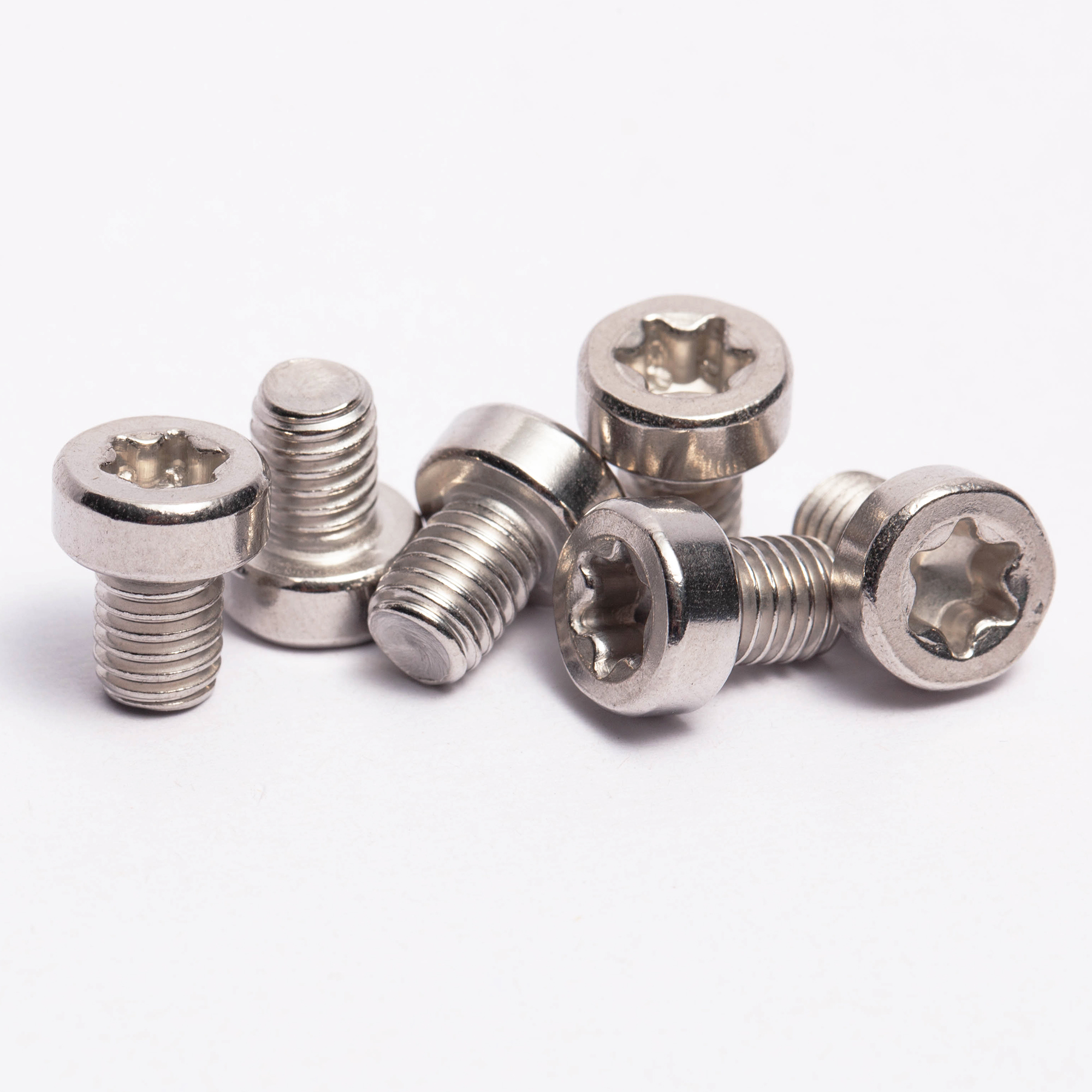
BSTTI Customized Violet Step Torx Head ISO Certified Titanium Gr5 Anodization UNF Thread Model Mc-10 Premium Quality Bolts
Precision-stepped Torx drive titanium alloy bolts featuring medical anodization. Ideal for orthopedic multi-angle locking plate systems and variable-angle bone reconstruction.
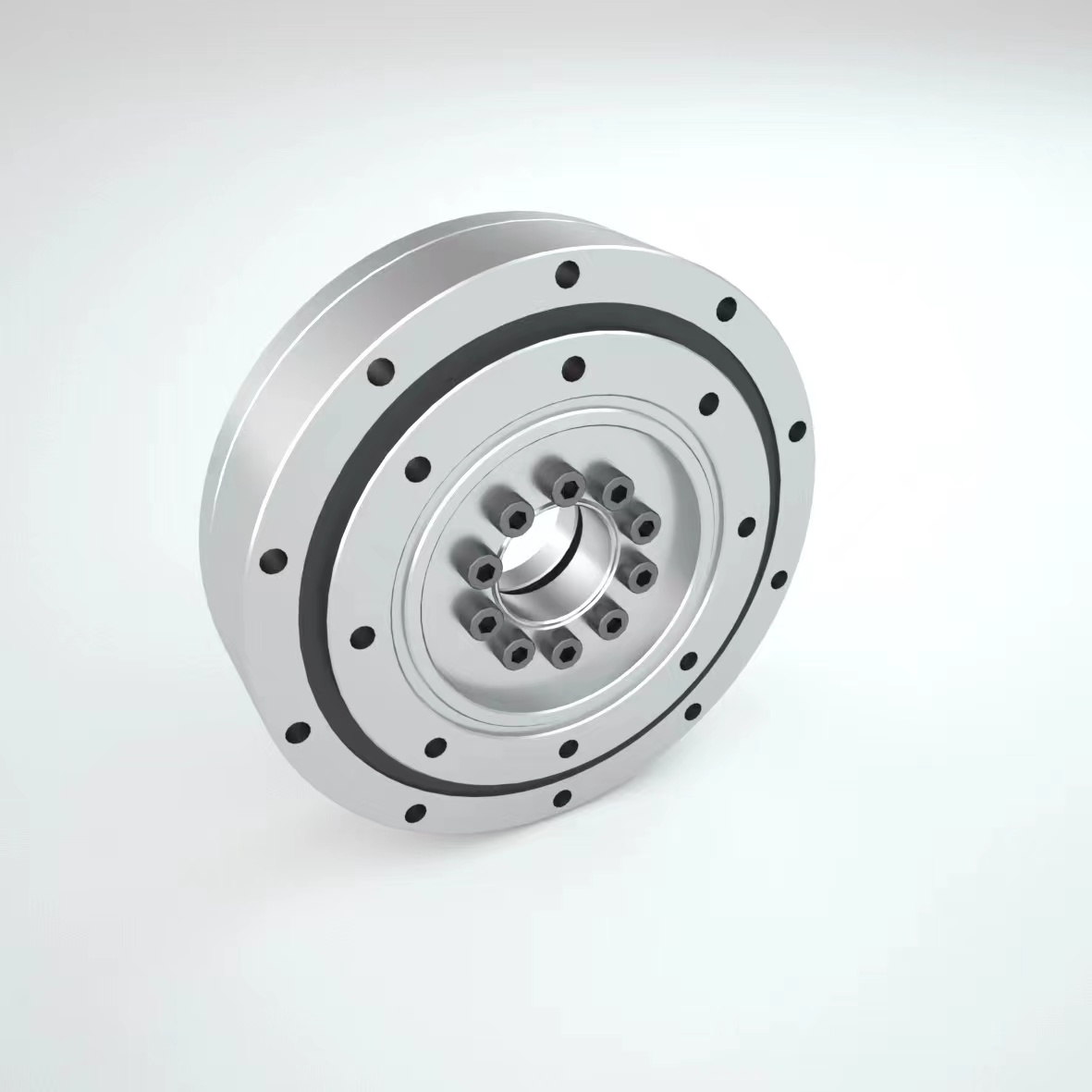
INNOTECH DRIVE High Torque Harmonic Drive Reducer Wave Generator Industrial Machinery Motor Application Robotics & Aerospace ODM
Zero-backlash harmonic drive wave generator offering ultra-high torque transmission for surgical robotic arms, automated bone drilling, and orthopedic micro-actuators.
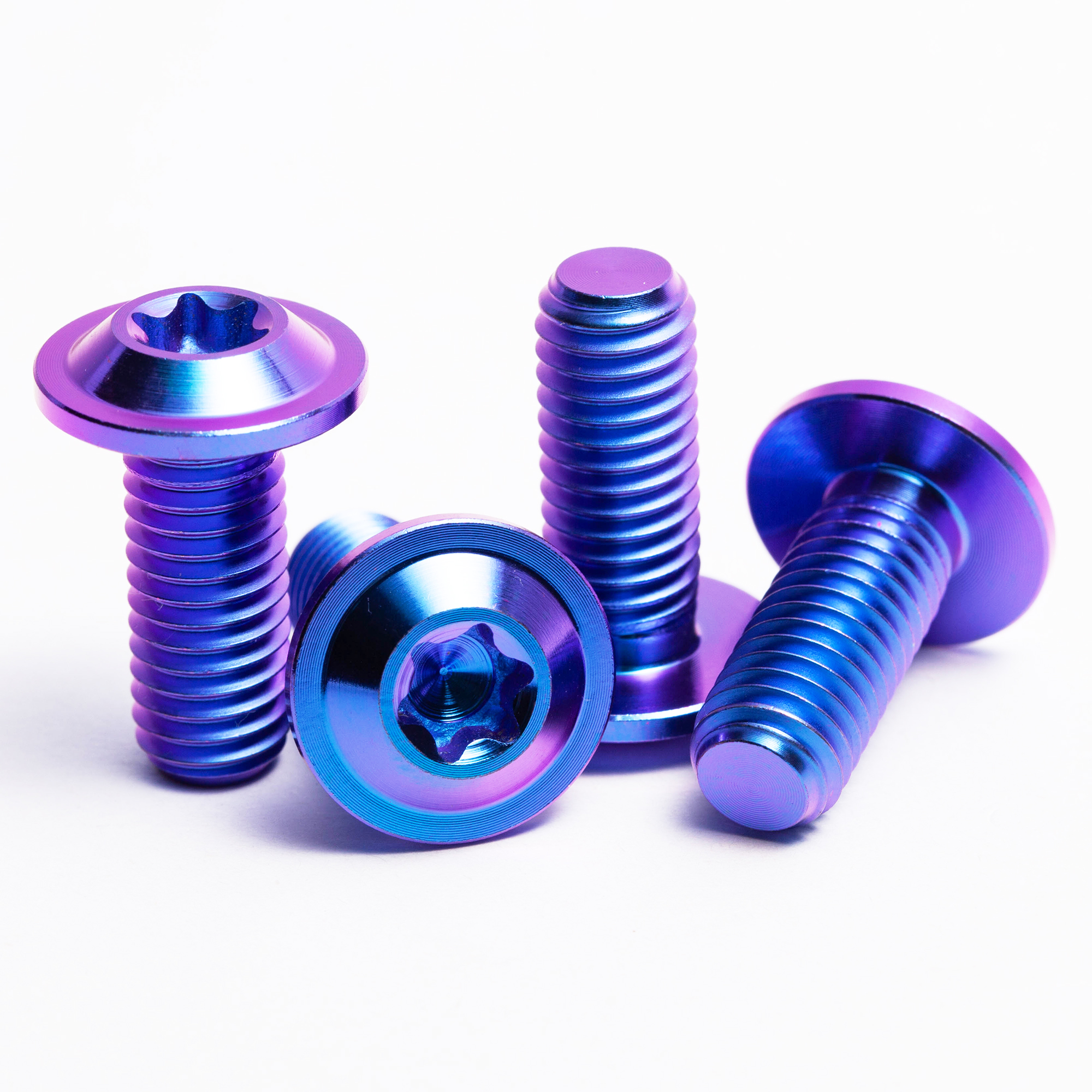
Customized Titanium Disc Head Bolts M6/M8/M10 Gr5 DIN6921 Motorcycle Screws
Flanged disc head low-profile titanium fasteners with broad surface area clamping, engineered to minimize soft-tissue impingement in external fixators and trauma rings.
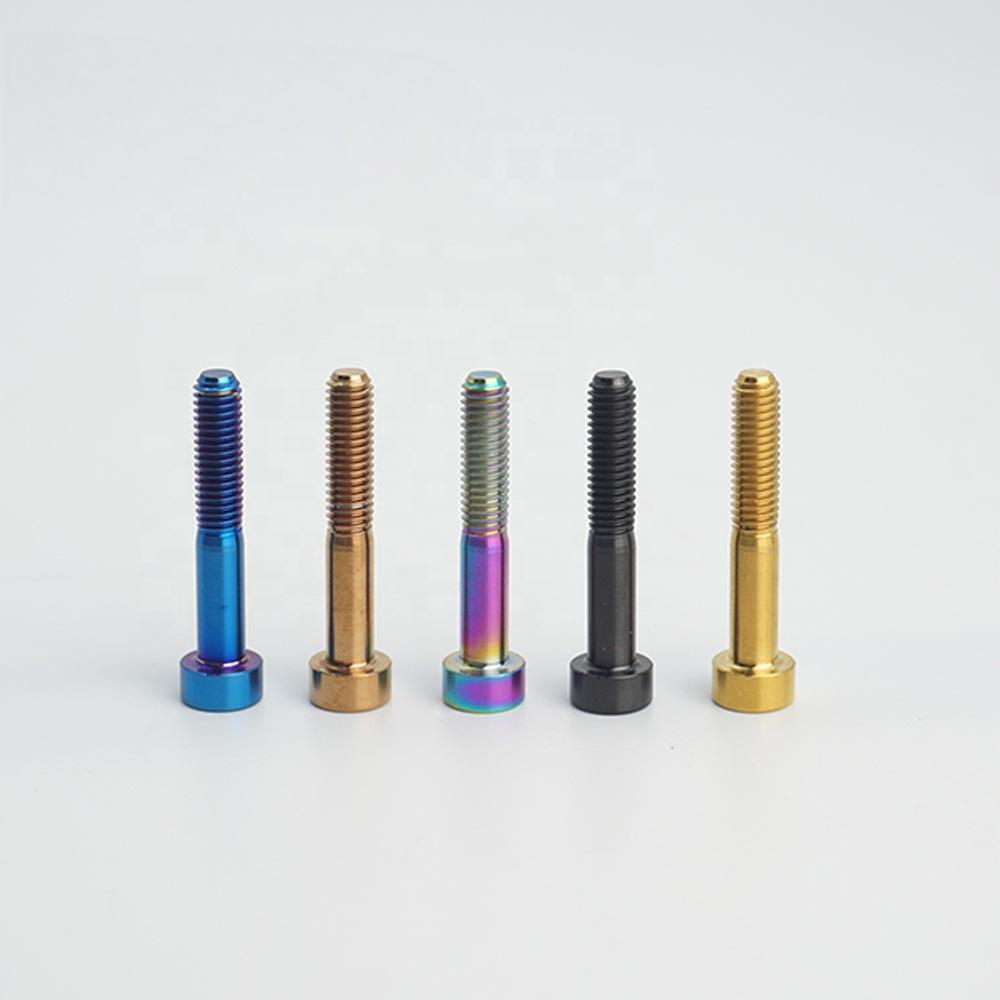
Titanium CNC Bolts Hex Button Head Black Oxide Finish Rustproof Lightweight Class 6 UNC Thread M5 M6 Screws MTB Road Bike Metric
Non-reflective surface treated Grade 5 button head screws. Designed with precision UNC/Metric threads to deliver corrosion-free tension retention in clinical hardware.
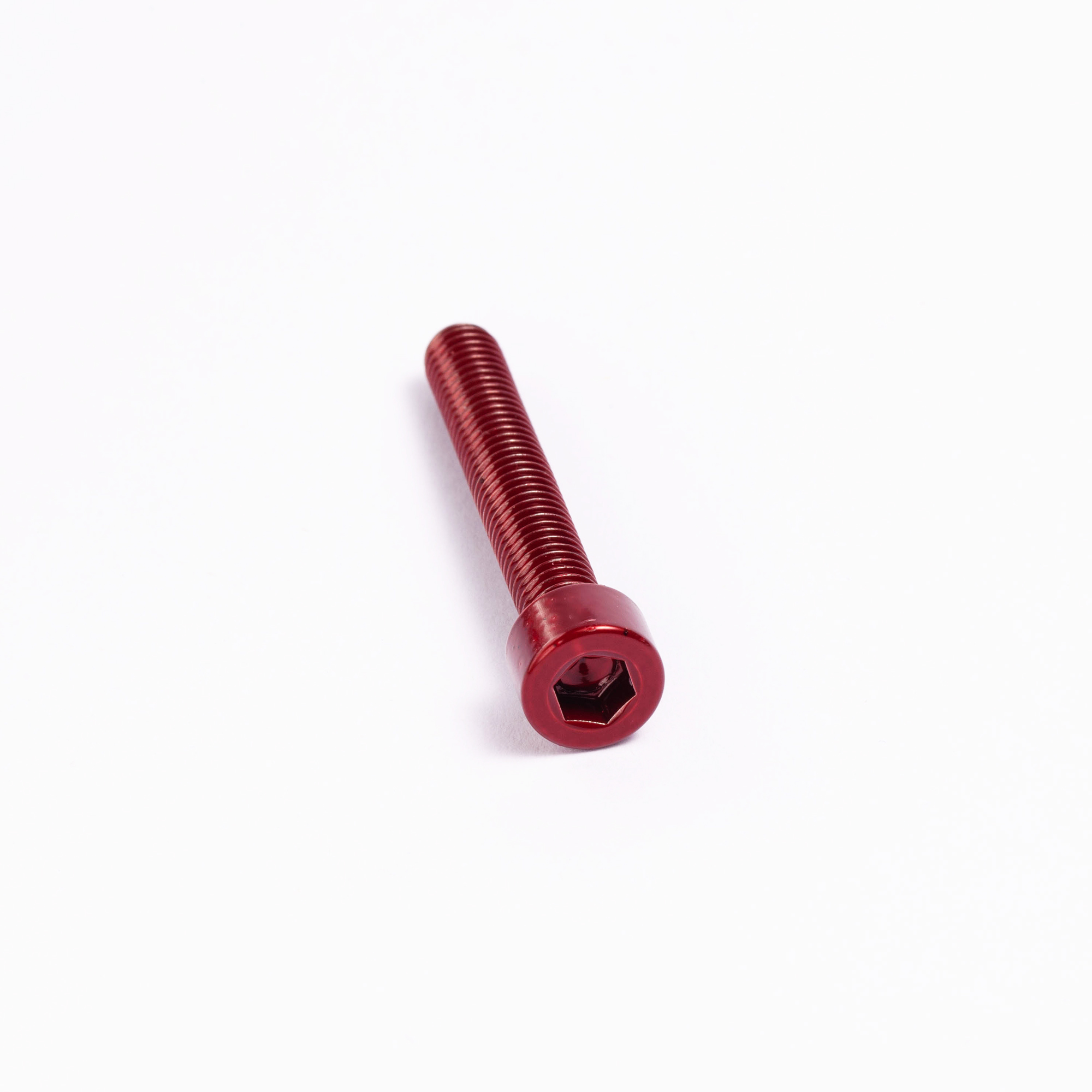
High Quality BST-TI Titanium Alloy Red Cylindrical Head Hexagon Socket Bolts Plain Finish Hot Selling Motorcycle/Bicycle Brake
Type II anodized high-tensile cylindrical titanium socket bolts. Provides rapid surgical sizing recognition in modular emergency trauma fixation trays and splints.
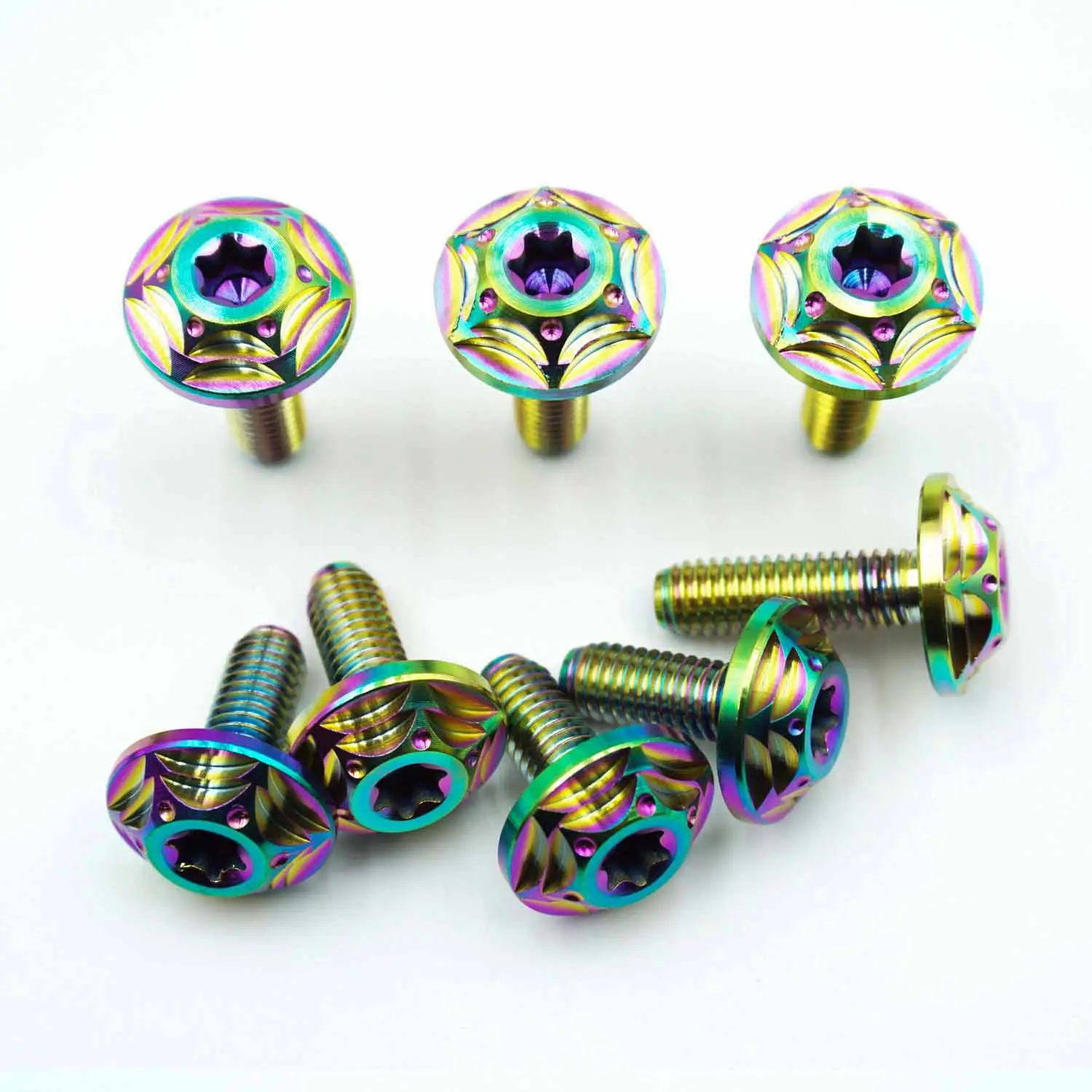
BST-TI M6 M8 M10 Socket Head Titanium License Plate Screws Colorful Industrial Grade Plain Finish Customized Sizes
Heavy-duty socket head titanium anchor bolts featuring rolled micro-threads that resist fatigue under cyclic physiological loading, suitable for spinal cage & rod bracing.
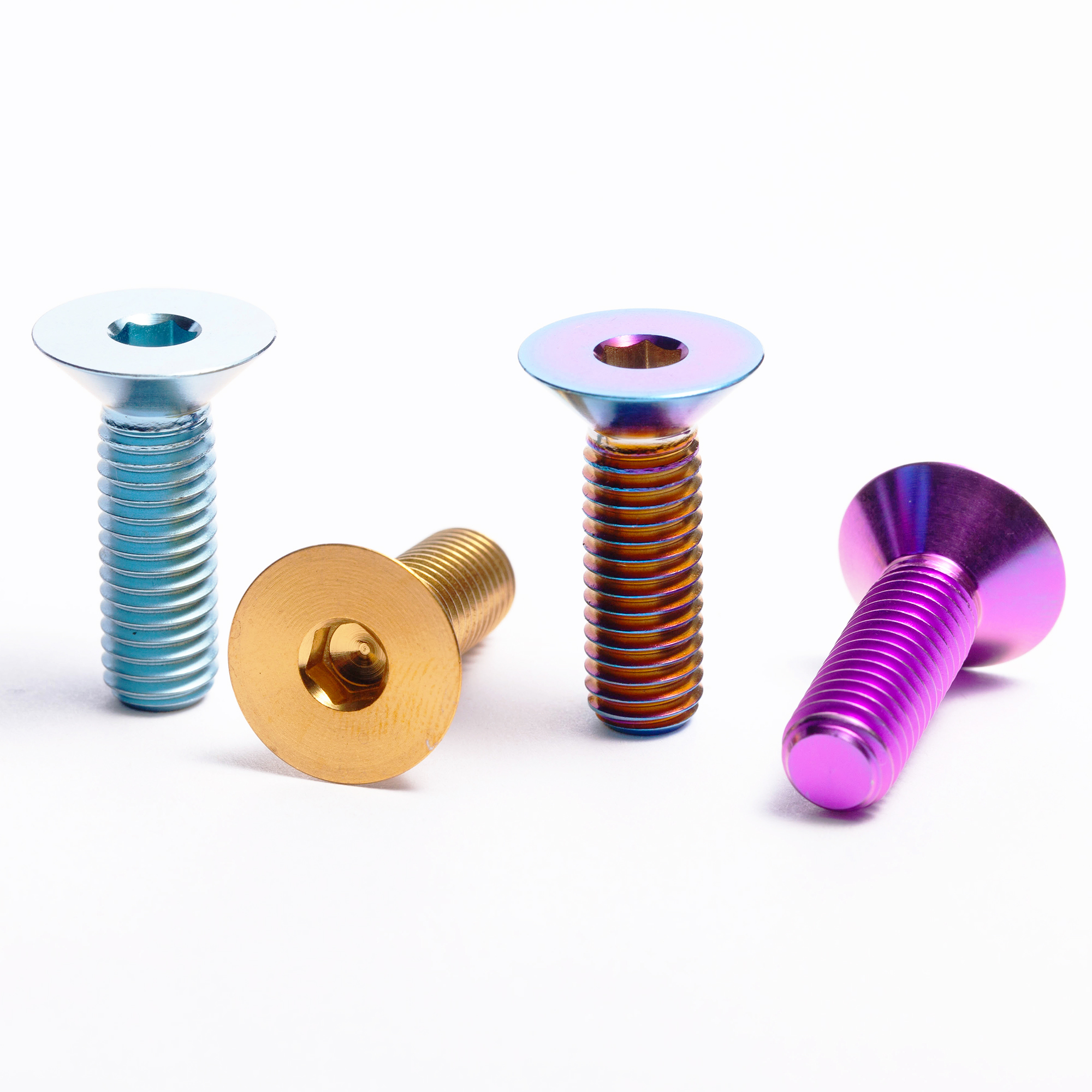
GR5 Titanium Alloy Hex/Torx Bicycle Allen Bolts Customized Sizes Raw Corrosion Resistant & Durable BSTTI Brand
Precision raw titanium alloy hex/Torx fasteners delivering 895 MPa tensile strength and complete non-magnetic bio-inertness for orthopedic bone anchor integration.
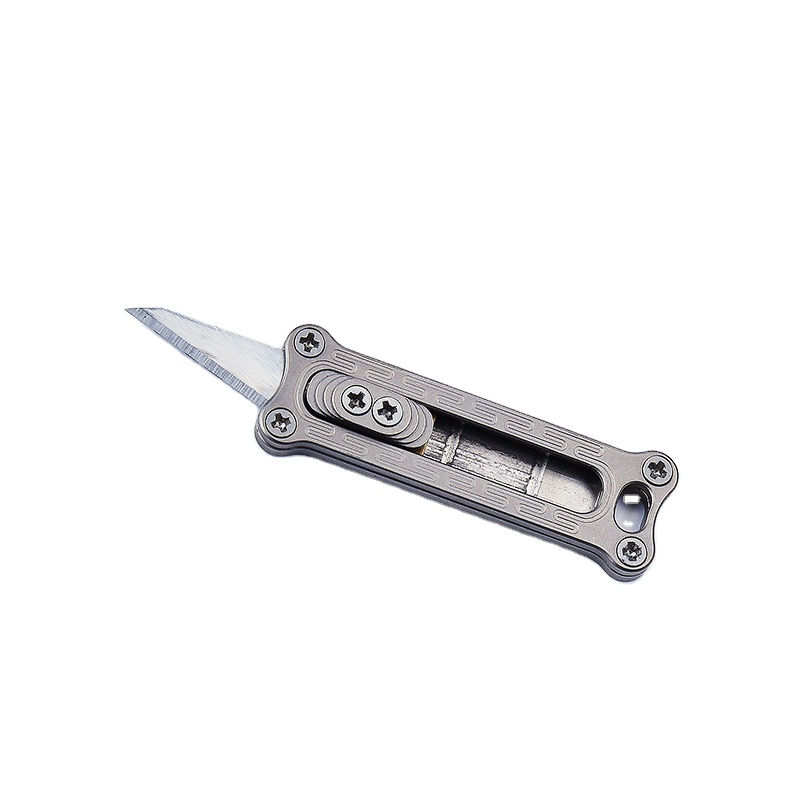
BST-TI Titanium Alloy EDC Pocket Knife Stainless Steel Lightweight Multi-functional Push-pull Window-breaking Quick-release DIY
Corrosion-proof titanium alloy trauma utility handle and surgical prep blade holder with quick-release lock, built for field hospitals and disaster response logistics.
Engineering Whitepaper: Metallurgical Selection Criteria for Tropicalized Surgical Osteosynthesis
In modern trauma orthopedics, the material interface between metallic internal fixation devices and living human cortical bone dictates patient recovery velocity, osteointegration viability, and long-term implant survival. For surgical centers operating in Gonaïves and the greater Artibonite Department of Haiti, procuring surgical implants requires an uncompromising evaluation of biomaterial performance under challenging environmental and logistical parameters.
Traditional 316LVM surgical stainless steel presents an elastic modulus of approximately 200 to 210 GPa—nearly seven to ten times stiffer than human diaphyseal cortical bone (10–30 GPa). This severe mechanical mismatch triggers the well-documented phenomenon of stress shielding: because the rigid steel plate absorbs physiological loads during ambulation, the underlying bone is deprived of vital mechanical stimulation (governed by Wolff’s Law), resulting in localized osteopenia, delayed callus maturation, and elevated risks of secondary refracture upon plate extraction.
Furthermore, medical titanium spontaneously creates a persistent, chemically inert titanium dioxide (TiO2) passivation film within nanoseconds of atmospheric contact. Unlike cobalt-chromium or martensitic steel formulations, this passive ceramic-like monolayer provides total bio-inertness against body fluids containing aggressive chloride ions, preventing metallosis, systemic toxic ion leakage, and soft tissue irritation. For clinicians in coastal and tropical climates such as Gonaïves—where maritime salinity and ambient humidity accelerate electrochemical galvanic corrosion in suboptimal storage conditions—titanium implants guarantee unconditional shelf stability and autoclave lifecycle resilience.
| Biomaterial Standard | Density (g/cm³) | Yield Strength (MPa) | Tensile Strength (MPa) | Elastic Modulus (GPa) | Corrosion Resistance | Biocompatibility Index |
|---|---|---|---|---|---|---|
| Ti-6Al-4V ELI (ASTM F136) | 4.43 | ≥ 795 | ≥ 895 | 110 | Immune (TiO₂ Native Film) | Superior / Bio-Inert |
| CP Titanium Gr2 (ASTM F67) | 4.51 | ≥ 275 | ≥ 345 | 105 | Immune (Deep Seawater/Fluids) | Optimal Osseointegration |
| Stainless Steel 316LVM (ASTM F138) | 7.95 | ≥ 690 | ≥ 860 | 205 | Moderate (Pitting Susceptible) | Acceptable (Ni Leaching Risk) |
| CoCrMo Alloy (ASTM F75) | 8.30 | ≥ 500 | ≥ 950 | 230 | High | Moderate (Ion Release Risk) |
*Data verified against ASTM International standard specifications for medical implant manufacturing. Certified Mill Test Certificates (MTC EN 10204 3.1) are dispatched with every Wexra OEM/ODM consignment.
Clinical Application Scenarios Across Gonaïves & Artibonite
Addressing the specific orthopedic emergency burdens, logistical constraints, and surgical challenges encountered by hospitals and mobile clinics throughout Northern Haiti.
High-Energy Road Trauma Along Route Nationale 1
Gonaïves represents the primary highway intersection connecting Port-au-Prince, Saint-Marc, and Cap-Haïtien. Severe traffic accidents involving motorcycles and public transit generate complex comminuted diaphyseal fractures. Our high-tensile Gr5 dynamic compression plates (DCP) and intramedullary interlocking nails deliver rigid anatomical reconstruction capable of withstanding premature weight-bearing.
External Modular Fixation in Disaster & Humanitarian Zones
In post-flood and disaster recovery environments where acute soft-tissue infection risks preclude immediate internal plating, Wexra titanium disc-head bolts and low-profile clamping pins anchor external bridging frames. Titanium’s 45% weight advantage over steel dramatically improves patient comfort and mobility in field medical outposts.
Autoclave Stability in Decentralized Hospital Sterilization
At facilities like Hôpital La Providence and decentralized community dispensaries, surgical hardware must undergo continuous steam autoclave sterilization cycles under variable water purities. Our titanium implants resist thermal stress cracking, oxide degradation, and pitting, preserving thread engagement and drive integrity over repeated sterilization cycles.
Strategic Sourcing Trends in the Haitian Medical Procurement Sector
The medical supply architecture serving Gonaïves and the Caribbean basin is undergoing a decisive paradigm shift. Historically dependent on sporadic humanitarian donations and high-cost intermediaries operating out of Florida or Western Europe, regional hospital administrators, orthopedic surgical chiefs, and international NGO procurement directors are moving toward direct-from-manufacturer OEM/ODM partnerships.
1. Disintermediation to Optimize Limited Healthcare Budgets: Purchasing departments in Gonaïves face severe foreign exchange constraints. Sourcing directly from verified Chinese manufacturers like Jiaxing Wexra Titanium eliminates two to three tiers of distributor markup. This enables hospitals to acquire certified ASTM F136 titanium locking plates at prices comparable to legacy stainless steel, democratizing access to modern surgical care.
2. Standardization of Modular Trauma Trays: Rather than accumulating disparate screws with incompatible driver heads (Phillips, cruciate, square, and hex), clinics in the Artibonite valley are establishing standardized Torx (Star-drive) surgical sets. Wexra’s color-anodized step Torx screws ensure that a single driver set operates smoothly across variable plate profiles, decreasing operating room time and mitigating surgical complications.
3. Diversified Freight Corridors Bypassing Capital Bottlenecks: Due to security dynamics affecting Port-au-Prince transit corridors, international consignments for Gonaïves are increasingly routed via northern maritime entry points at the Port of Cap-Haïtien or prioritized DHL Express air corridors. Wexra Titanium coordinates precision export packaging, tamper-proof vacuum sealing, and transparent customs documentation tailored for swift customs release.
Jiaxing Wexra Titanium Products Co., Ltd.
Founded in 2018 in Jiaxing, Zhejiang, Wexra Titanium has established itself as an authoritative manufacturer dedicated exclusively to titanium and titanium alloy processing. Operating out of a modernized facility exceeding 1,000 square meters, our engineering division integrates advanced 5-axis Swiss-type CNC automatic lathes, high-precision machining centers, and automated surface treatment lines.
We bridge industrial manufacturing accuracy with medical-grade demands. Every implant blank, cannulated bolt, and reconstructive plate begins with certified Grade 5 (Ti-6Al-4V) and Grade 2 raw materials. Our technical team works directly from CAD/CAM blueprints, STP/IGS 3D models, or surgical physical samples, providing comprehensive DFM (Design for Manufacturability) analysis prior to production.
ISO 9001:2015 Certified
Documented QA workflow from raw bar to final cleanroom packCE & UKCA Documented
Compliant with European and British regulatory safety benchmarksRoHS & REACH Bio-Safe
Zero hazardous chemical residues; medical ultrasonic passivationFrequently Asked Questions for Sourcing in Gonaïves
Clear, direct technical answers addressing regulatory compliance, custom prototyping, freight transit, and surgical compatibility.