Featured Precision Titanium Components for Bergen Maritime & Industrial Operations
Manufactured strictly from certified Ti-6Al-4V Grade 5 and commercially pure titanium, engineered with precision thread-rolling, anti-galling geometry, and durable anodized barrier passivation.
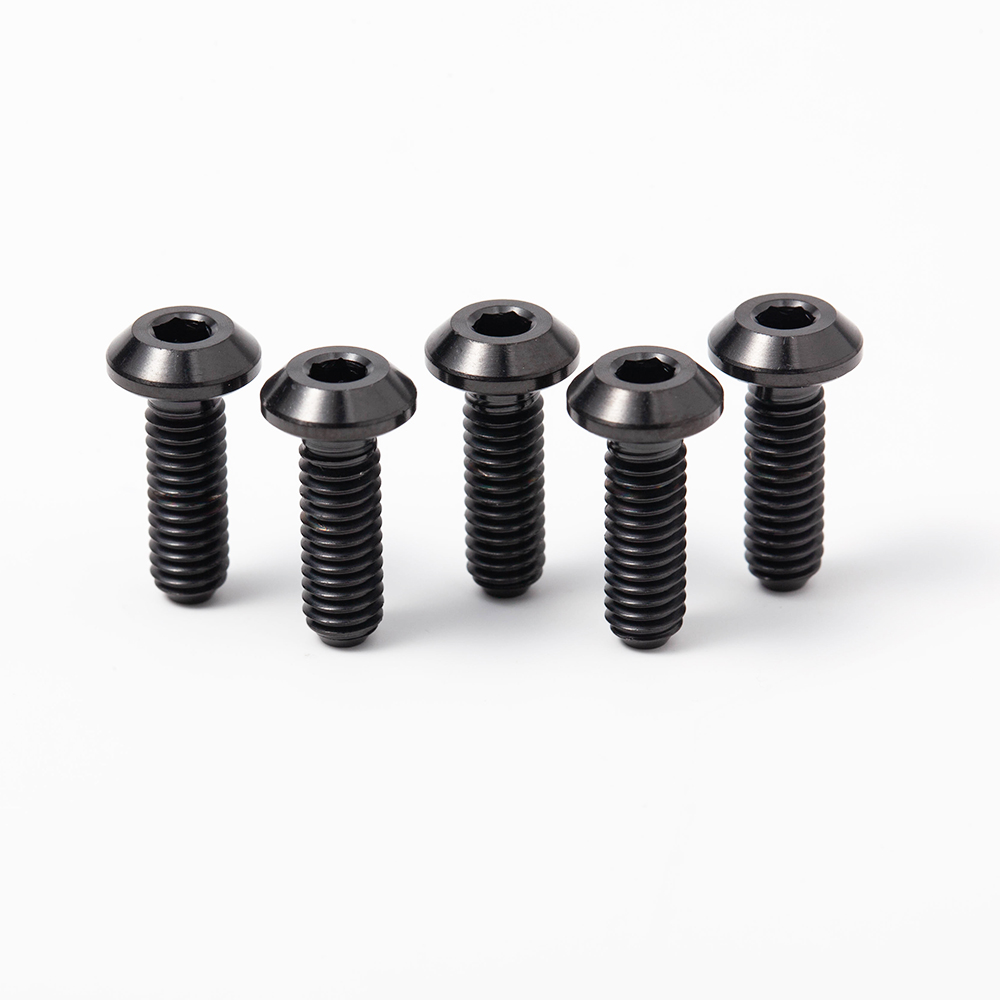
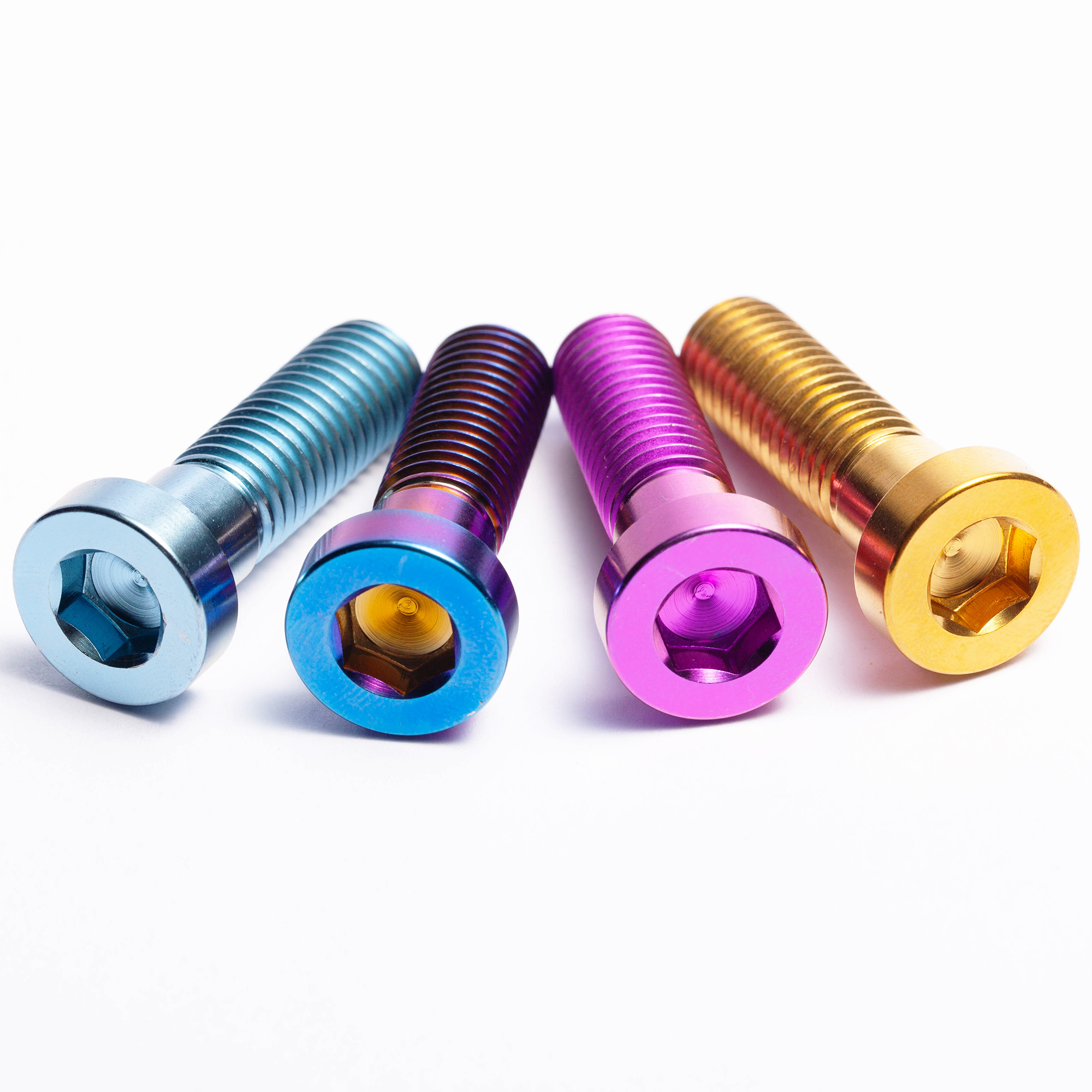
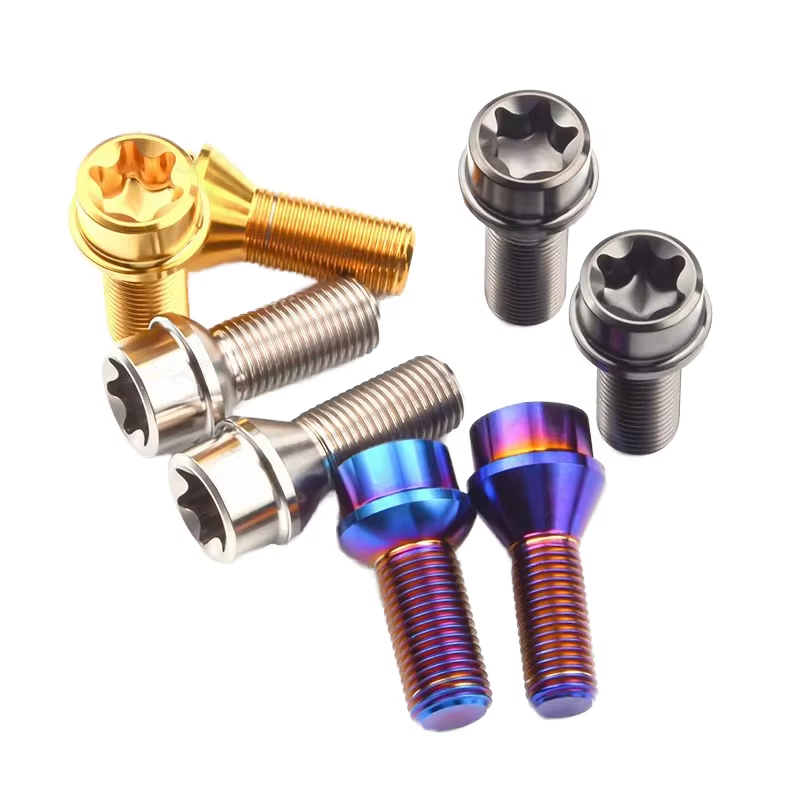
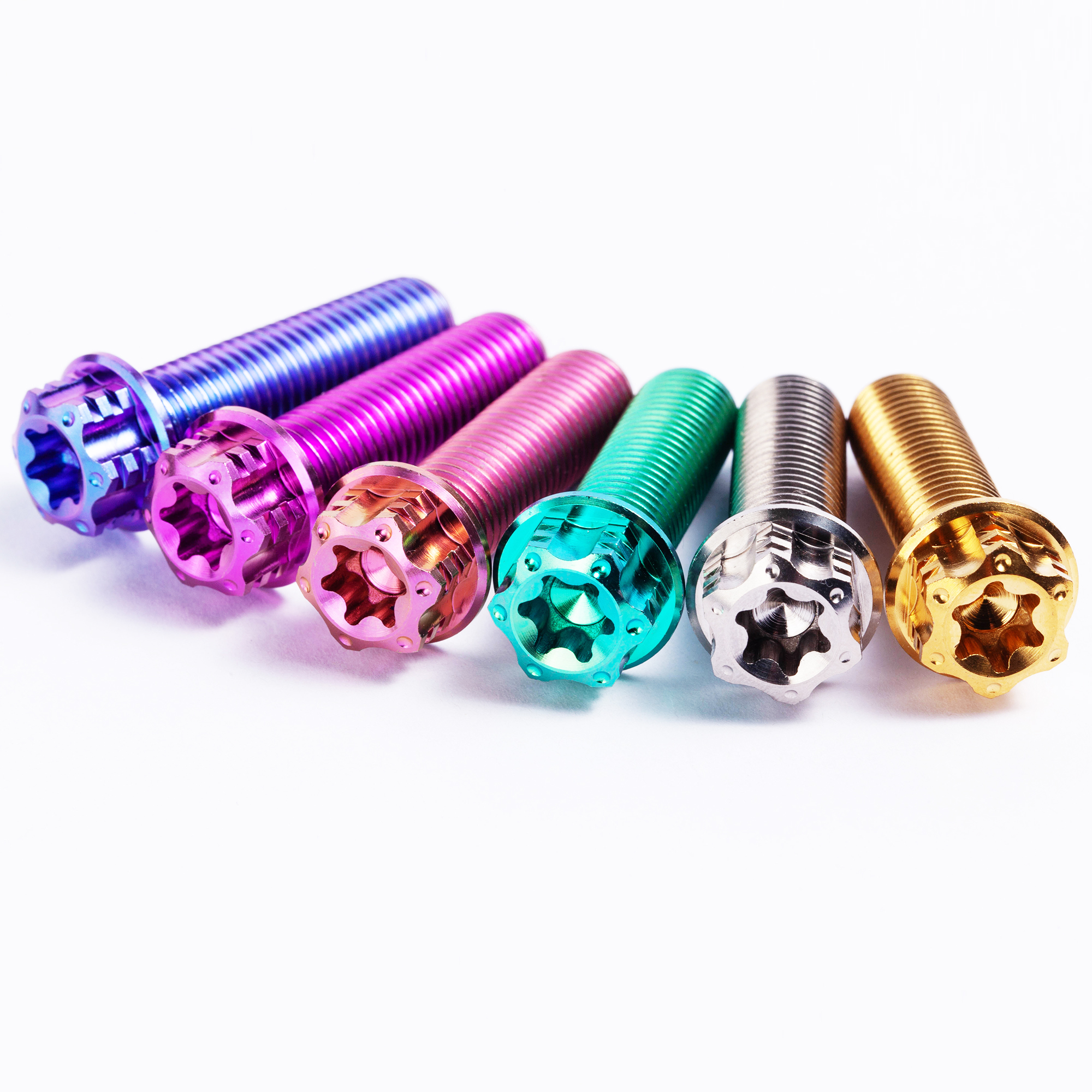
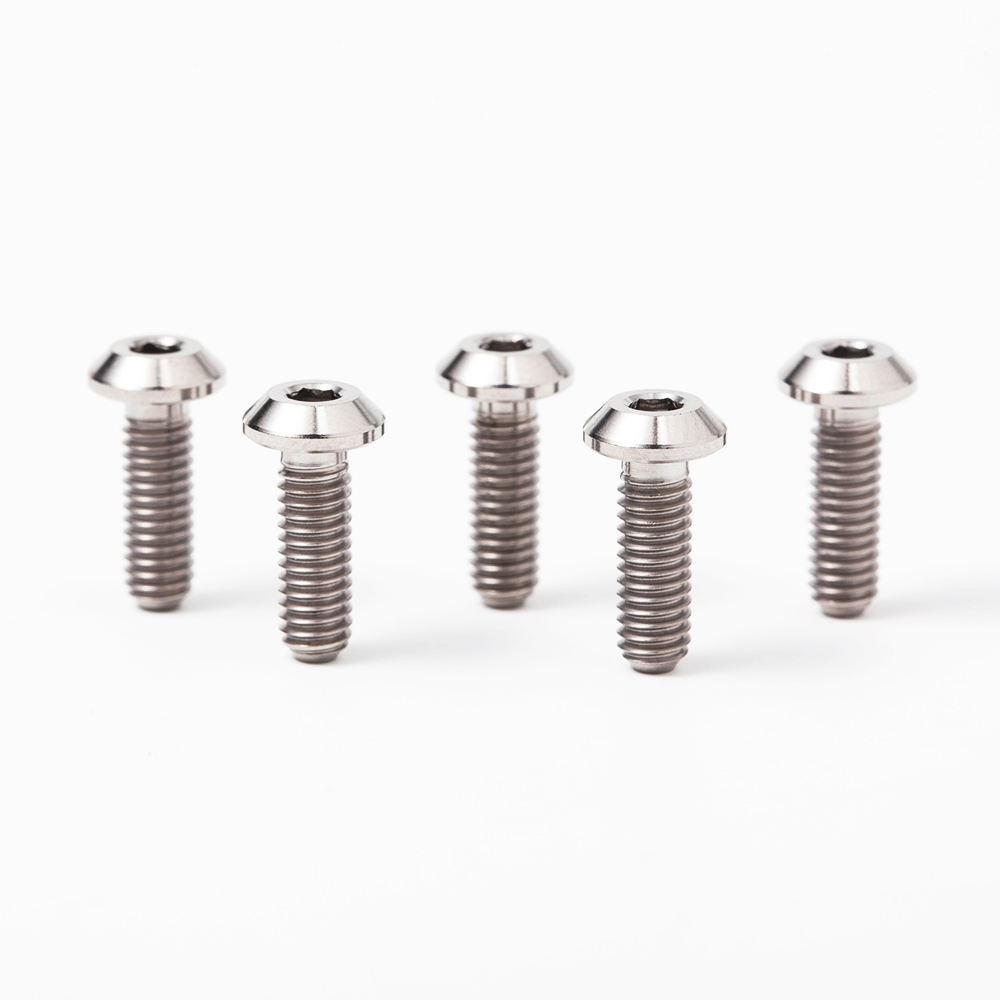
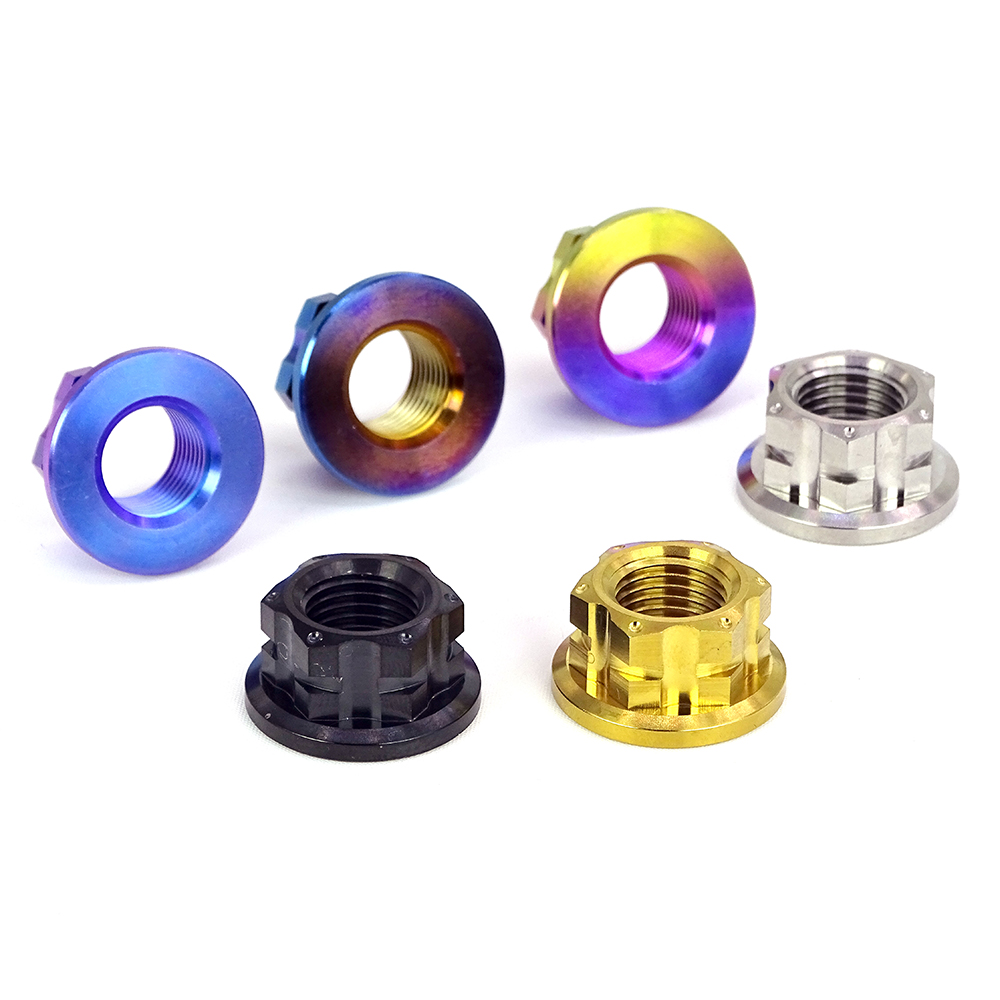
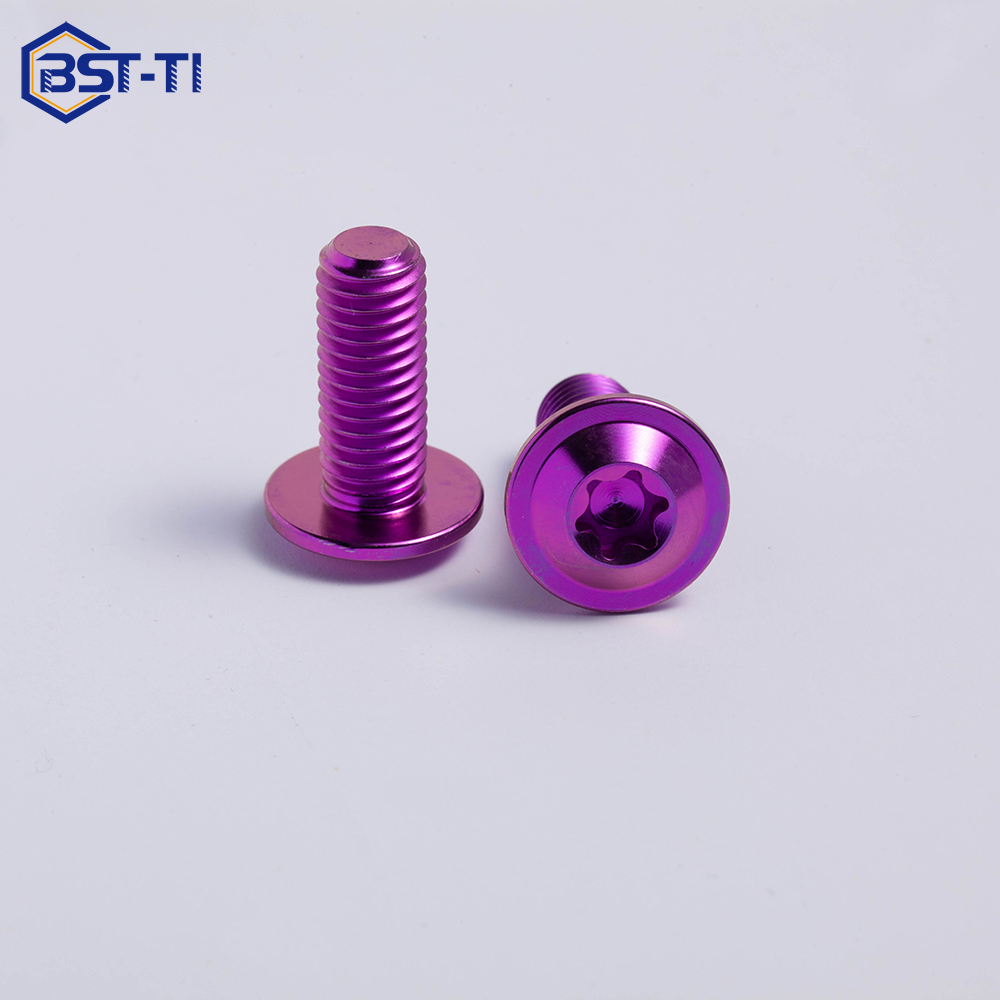
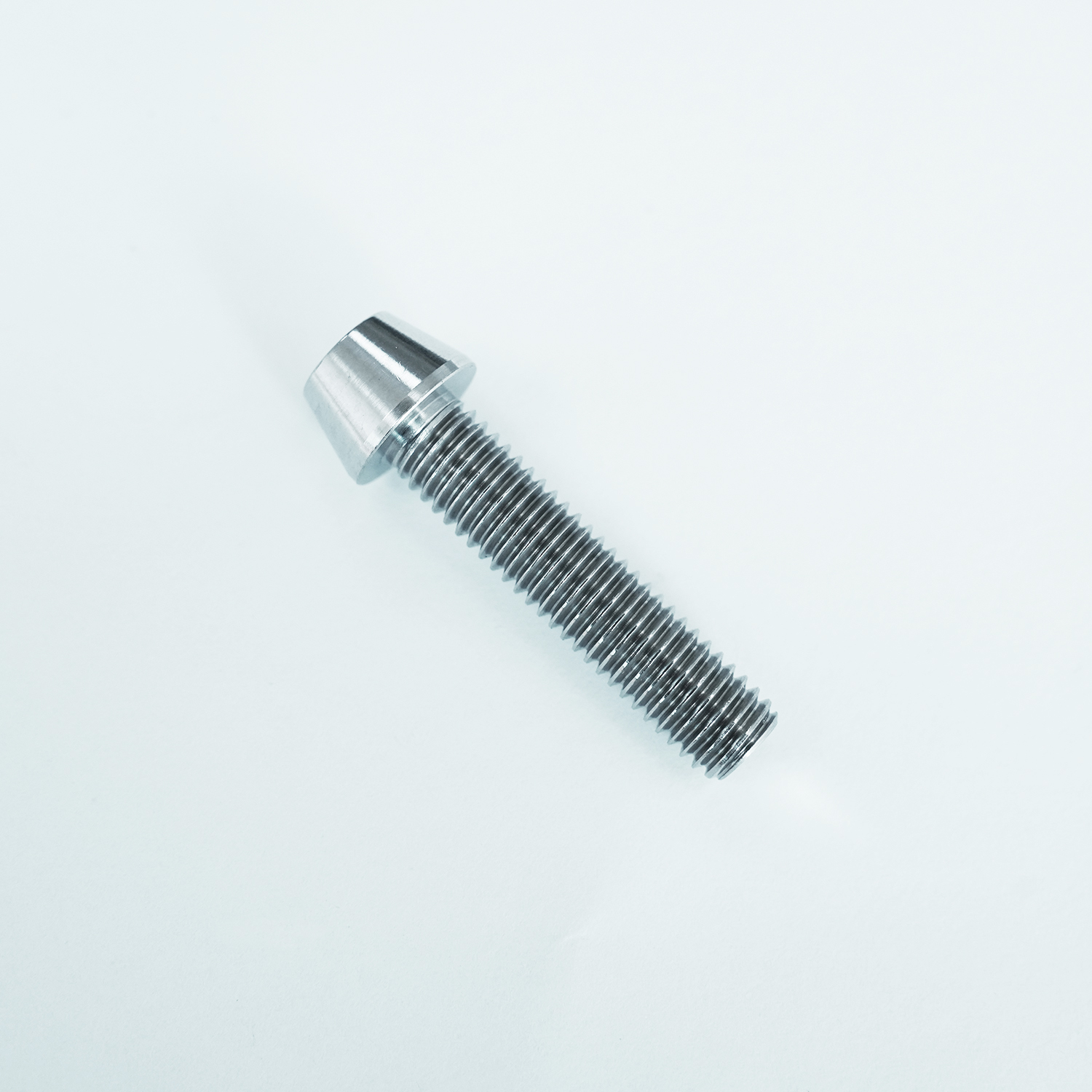
Engineering Titanium for Bergen's Maritime, Subsea & Clean-Tech Sectors
Bergen serves as Norway’s flagship hub for subsea ocean technology, naval repair yards, offshore wind, and aquaculture. Wexra Titanium delivers critical high-spec hardware tailored for North Sea environments.
Subsea Robotics & ROV/AUV Tooling
Bergen's subsea technology corridor (Ågotnes, Coast Center Base, and OneSubsea corridors) requires structural hardware capable of withstanding hydrostatic pressures exceeding 300 bar in deep oceanic trenches.
Our Grade 5 (Ti-6Al-4V) components supply crucial strength-to-weight ratios for neutrally buoyant subsea exploration vehicles, acoustic transponder bodies, sensor housings, and robotic manipulators.
Aquaculture & Coastal Wellboats
The fjord systems around Vestland host extensive salmonoid aquaculture installations where standard 316L stainless steel repeatedly succumbs to pitting and crevice corrosion under ozone or hydrogen peroxide dosing.
We supply commercially pure Grade 2 and modified Gr5 fasteners for wellboat circulation impellers, automated feeding manifolds, and underwater camera ballast fixtures completely impervious to biofouling agents.
Offshore Wind & Hydrogen Infrastructure
With Norway pioneering floating offshore wind (e.g., Hywind Tampen) and green hydrogen pilot plants around Mongstad, structural components face harsh splash-zone exposure and galvanic coupling risks.
Our 5-axis CNC machined titanium load pins, vibration dampening studs, and rolled-thread flange bolts yield infinite fatigue life under continuous cyclic North Sea wave dynamics without requiring sacrificial anodes.
Material Performance Comparison: Subsea North Sea Deployment
A clear analytical breakdown to support marine engineering consultancies and procurement officers in Bergen evaluating life-cycle cost (LCC) against conventional marine metals.
| Alloy Specification | Yield Strength (MPa) | Density (g/cm³) | PREN Value | Resistance to Marine Chlorides | Cavitation / Biofouling Immunity |
|---|---|---|---|---|---|
| Titanium Grade 5 (Ti-6Al-4V) | 828 – 910 | 4.43 | Immune (TiO2 passive film) | Zero corrosion across -5°C to +120°C seawater | Exceptional (Hydrodynamic stability) |
| Titanium Grade 2 (CP 50) | 275 – 380 | 4.51 | Immune (Oxide reformation) | Unsurpassed in high-chlorite/chemical treatments | High resistance to chemical fouling |
| Super Duplex Steel (UNS S32750) | 550 | 7.80 | 42 – 45 | Susceptible to crevice corrosion under deposits | Moderate; subject to bio-growth micro-cracking |
| Marine Stainless (AISI 316L) | 220 | 8.00 | 23 – 25 | High risk of stress corrosion cracking (SCC) | Requires regular biocide scrubbing and inspection |
Emerging Titanium Procurement Trends Across Bergen & Western Norway
How modernization, carbon taxes, and electrification are reshaping mechanical component sourcing in the Vestland manufacturing ecosystem.
1. Transition from Preventative Replacement to Zero-Maintenance Metallurgy
Offshore operating rates in Bergen's shipyards make subsea retrieval extremely costly. Vessel operators and subsea contractors are shifting away from 254 SMO and duplex alloys that demand planned 36-month replacements.
By engineering with Grade 5 titanium, offshore operations extend maintenance drydock intervals to over 10+ years. The initial capital expense is offset within the first operational cycle, making Wexra Titanium's CNC custom parts standard in critical Norwegian specs.
2. Electric Propulsion & Autonomous Vessel Lightweighting
Bergen leads international green shipping via zero-emission electric catamarans and automated short-sea cargo designs. In these craft, propulsion efficiency correlates directly with deadweight tonnage.
Every kilogram eliminated translates to increased battery range. Wexra's lightweight titanium shaft couplers, rudder mountings, and specialized bracket assemblies strip 44% of unladen component weight while boosting dynamic tensile headroom.
Why Bergen Engineers & Buyers Partner with Wexra Titanium
Combining precision CNC machining facilities, aerospace-tier material traceability, and dedicated export logistics tuned to Northern Europe's high standards.
Sub-Micron Multi-Axis CNC Turning & Milling
Our workshop houses high-precision CNC multi-axis turning and vertical machining centers capable of maintaining tolerances within ±0.01 mm across complicated concentric, stepped, and thread-profile geometries.
Unlike standard machine shops where titanium work-hardens or chatters, our custom tooling paths ensure chatter-free surfaces, excellent Ra micro-finishes, and rolled threads that deliver 30% higher shear resistance than cut threads.
ISO 9001:2015 Traceability & Material Pedigree
Every batch of titanium bar, wire, or forged blank originates exclusively from audited vacuum-arc remelted (VAR) supply sources. Full EN 10204 3.1 Mill Test Certificates accompany all consignments.
Chemical composition analysis, yield and tensile testing, RoHS/REACH declarations, and coordinate measuring machine (CMM) dimensional reports provide absolute assurance for high-risk offshore installations.
Agile OEM/ODM Prototyping to Volume Run
Whether you require a one-off titanium acoustic lens prototype for a University of Bergen marine research project or recurring monthly shipments of 50,000 hex-flange fasteners, we cater to all order volumes.
We review your STEP, IGES, or 2D CAD files for Design for Manufacturability (DFM), suggesting optimal alloy selection and surface passivation to avoid galvanic corrosion in multi-metal assemblies.
Frequently Asked Questions by Bergen & Nordic Buyers
Clear answers addressing technical properties, galvanic prevention, documentation, and shipping for procurement managers in Western Norway.
Titanium has almost identical electrochemical potential to carbon fiber, eliminating galvanic corrosion that destroys aluminum or standard steel bolts in composite hulls. When mating titanium bolts to aluminum housings, we recommend our specialized insulating sleeves or micro-arc barrier anodization to isolate dissimilar metals.
Under our ISO 9001:2015 management system, we provide comprehensive EN 10204 Type 3.1 Inspection Certificates with heat numbers, chemical composition spectroscopy, tensile strength, yield properties, hardness ratings, and CMM dimensional inspection protocols.
Titanium naturally forms an oxide layer that can cause friction welding (galling) when driven at high speeds under dry conditions. We recommend anti-seize pastes (such as nickel- or copper-based marine compounds) or opting for our factory-applied lubricious coatings and precision-rolled thread surfaces.
For rush prototypes and urgent vessel maintenance spares, air express courier delivery (DHL/FedEx/UPS) to Bergen Airport Flesland (BGO) takes 4 to 6 business days. Regular production volume consignments are shipped via air freight or consolidated ocean freight directly into the Port of Bergen.