Featured Titanium & Precision Sintered Assemblies
Bridging additive free-form complex manufacturing with rigid CNC finishing tolerances. Compatible with rigorous Japanese Industrial Standards (JIS).
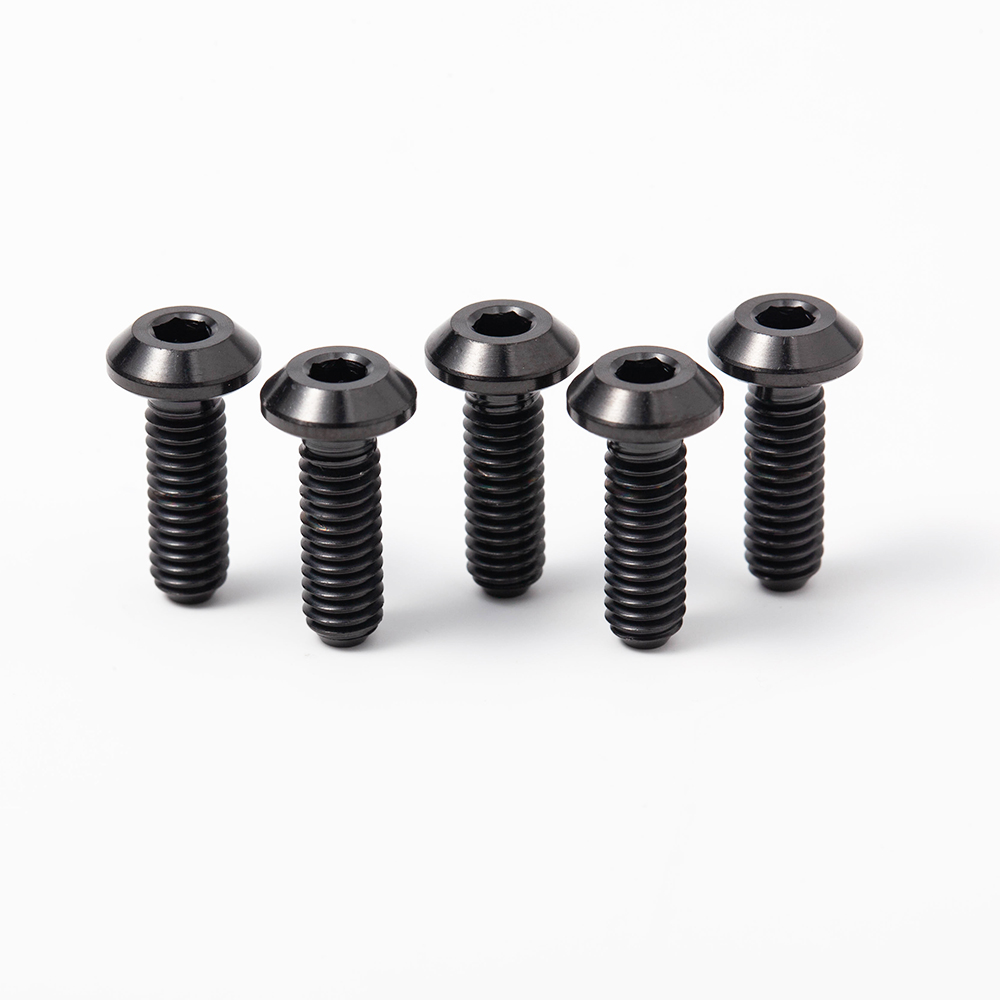
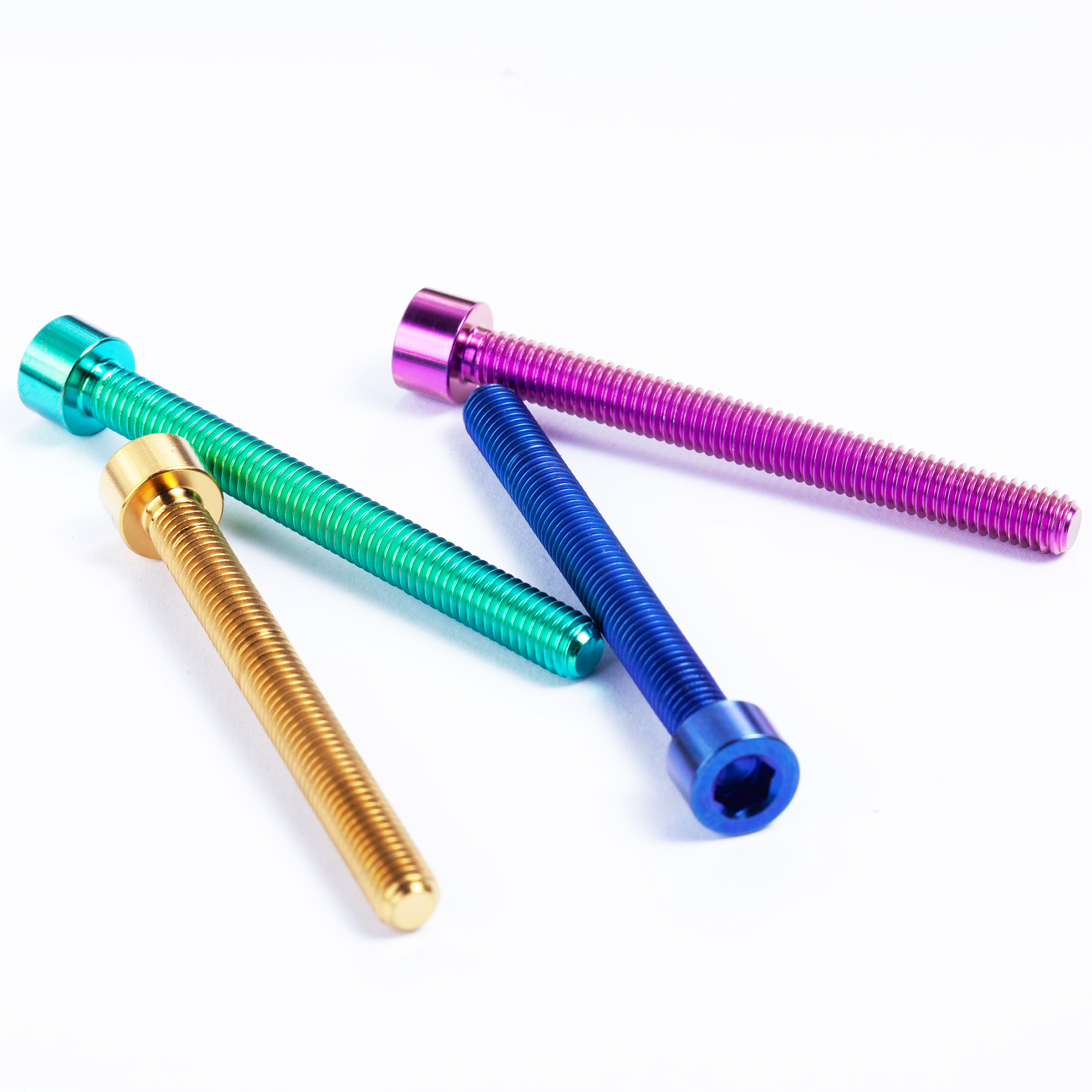
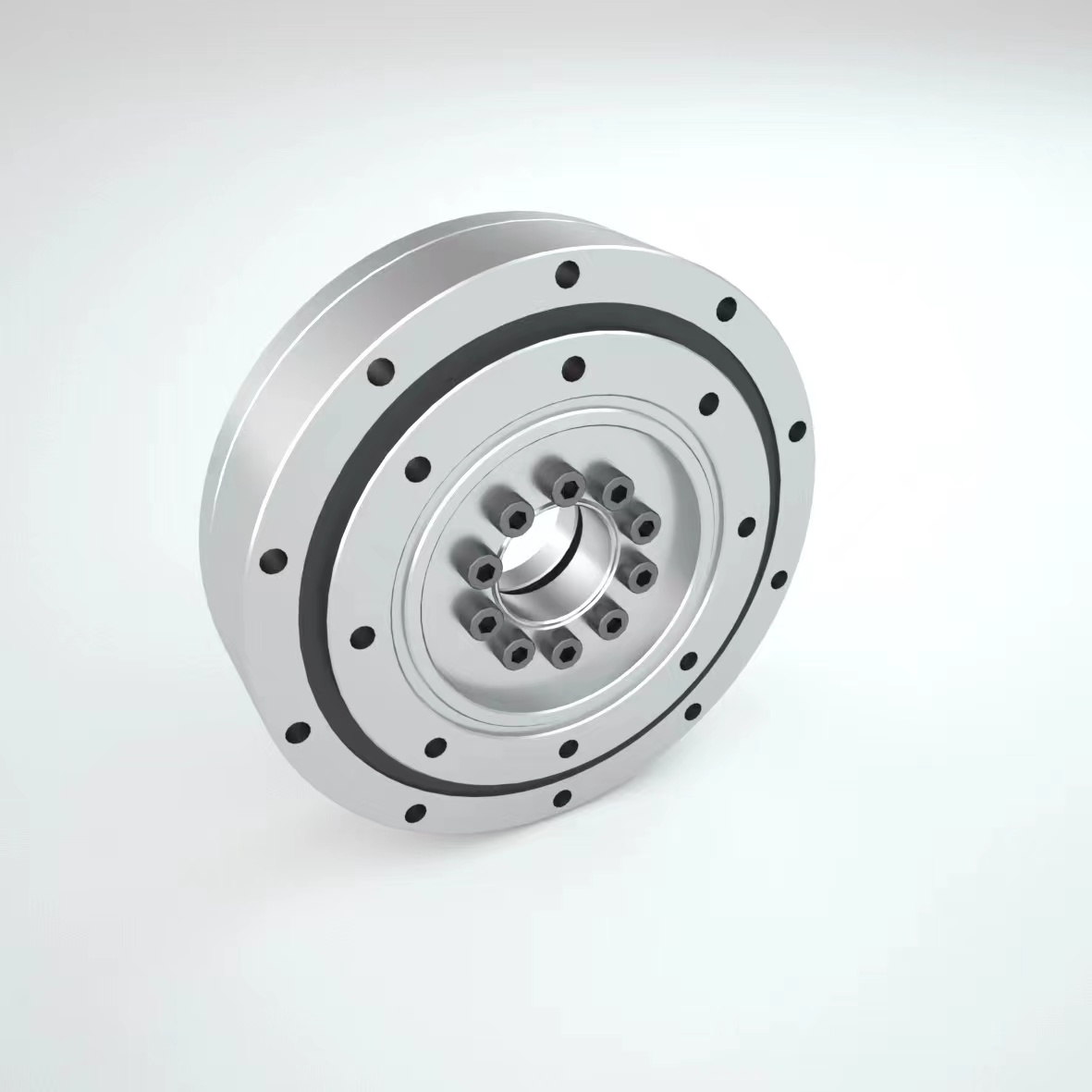
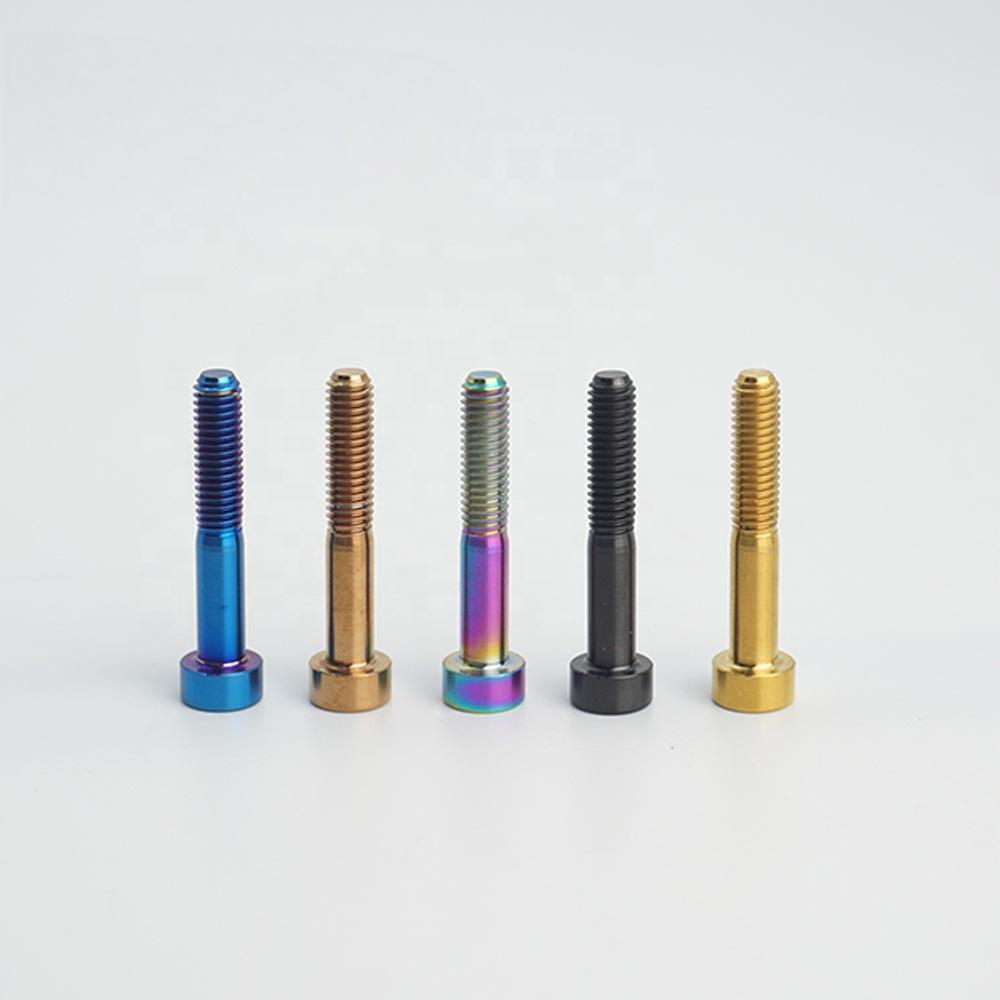
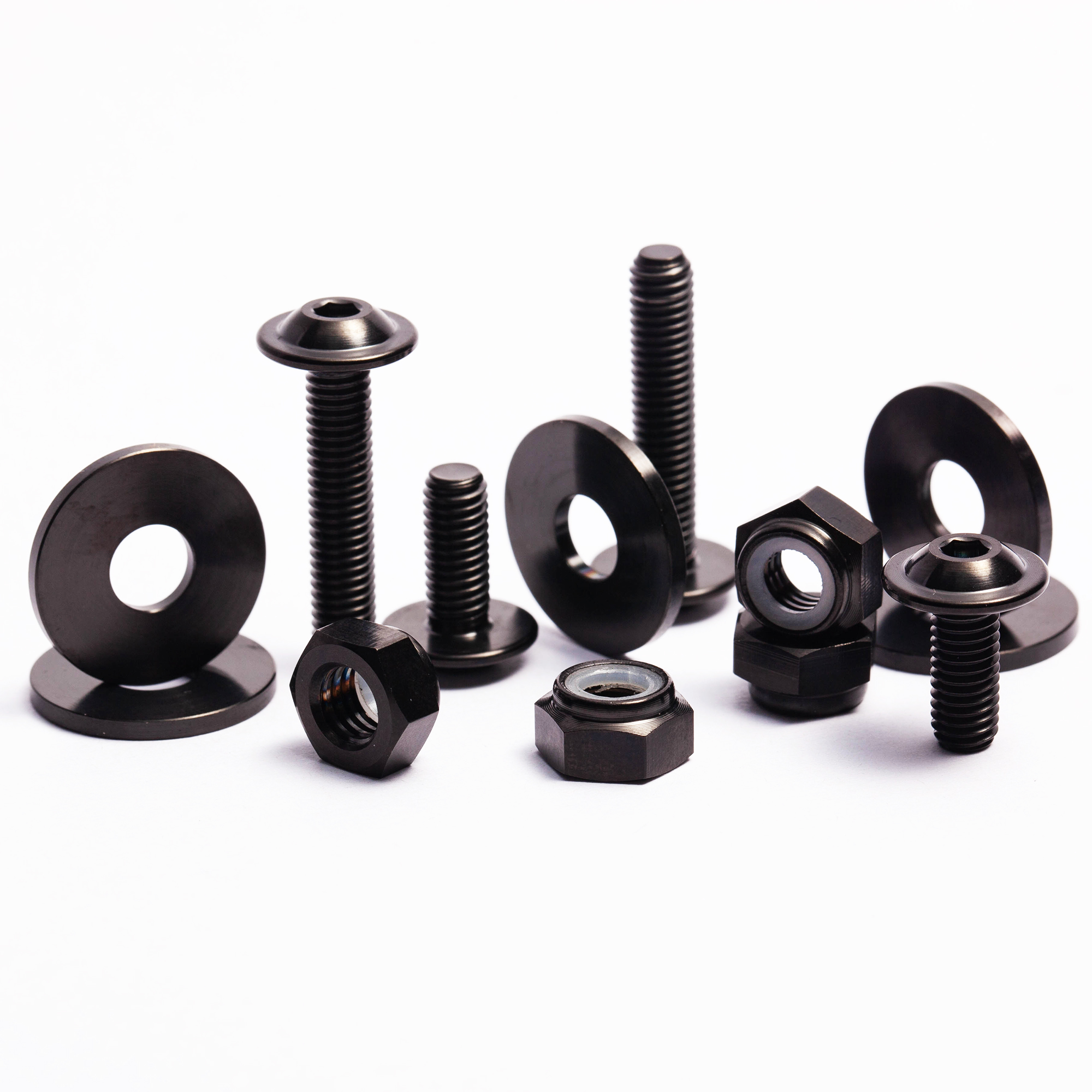
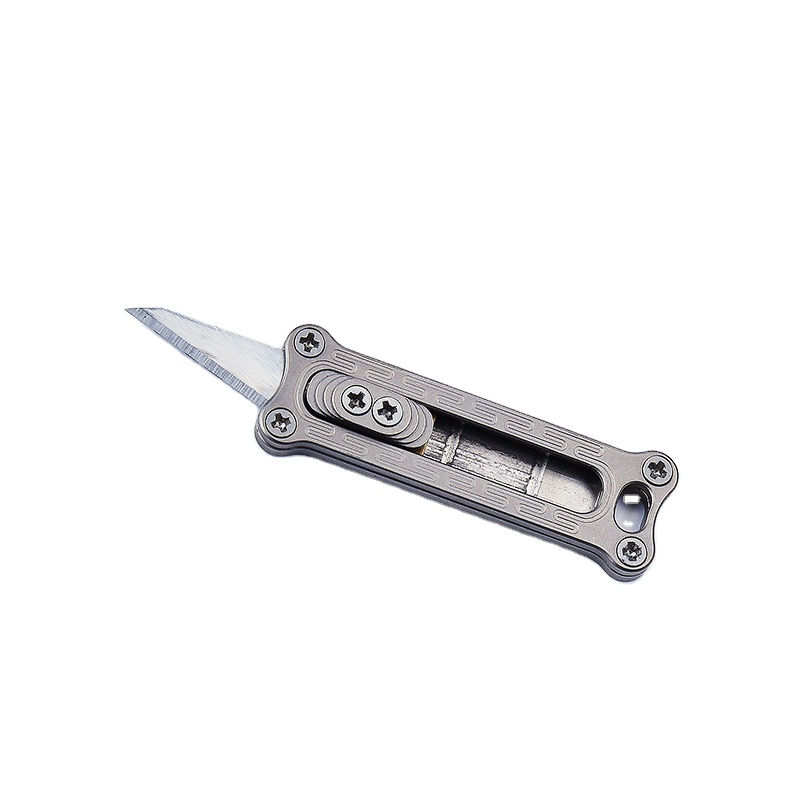
Titanium Additive Manufacturing in Osaka's Industrial Ecosystem
How selective laser melting (SLM) and electron beam powder bed fusion (E-PBF) are rewriting procurement economics across Higashiosaka and Sakai.
Higashiosaka Precision Subcontracting
Higashiosaka represents Japan’s premier monozukuri dense cluster. Traditional 5-axis subtractive milling faces tool-wear bottlenecks when machining titanium alloys. Our additive titanium preforms eliminate up to 75% of raw material swarf, enabling local finishing machine shops to achieve record throughput.
Kansai Biomedical Innovation Belt
Anchored around northern Osaka’s bio-incubators and medical faculties, the demand for patient-matched spinal cages, acetabular cups, and maxillofacial plates with interconnected trabecular lattices requires ASTM F136 ELI (Extra Low Interstitial) Ti-6Al-4V powder processing under ultra-pure Argon environments.
Osaka Bay Marine & Offshore Machinery
Submersible robotic nodes and offshore energy equipment traversing Osaka Bay encounter extreme galvanic corrosion. Commercially pure Grade 2 and dual-phase Grade 5 titanium provide native passivation layers that resist chloride ion attacks better than super duplex steels, vastly extending replacement cycles.
Mechanical Properties: As-Printed vs. Post-HIP Heat Treatment
Engineering data comparing raw additive microstructure with Hot Isostatic Pressed (HIP) titanium components produced for Osaka original equipment manufacturers.
| Property Parameter | Wrought Ti-6Al-4V (ASTM B348) | DMLS As-Built (Ti-6Al-4V) | DMLS + HIP Treated (Vacuum Annealed) | JIS H 4600 Matching Spec |
|---|---|---|---|---|
| Tensile Strength (Rm) | 895 - 930 MPa | 1,050 - 1,120 MPa | 960 - 1,020 MPa | Class 60 / Gr 5 Compatible |
| Yield Strength (Rp 0.2) | 828 MPa | 880 - 950 MPa | 860 - 890 MPa | Meets > 825 MPa Threshold |
| Elongation at Break (A5) | 10 - 14% | 6 - 8% | 13 - 16% | Surpasses 10% Standard |
| Internal Porosity Level | < 0.001% | 0.1 - 0.3% | < 0.01% (Full Densification) | NDT Ultrasound / X-Ray Certified |
| Fatigue Strength (10^7 cycles) | 510 MPa | 320 MPa (surface notch sensitive) | 580 MPa (Polished / Shot Peened) | High-Stress Kinematic Level |
Why Kansai Engineers Choose Wexra as Strategic Foundry
Certified supply chain agility, comprehensive material test certificates, and vertically integrated machining lines eliminate cross-border friction.
In-House Milling & Thread Rolling
3D printing forms complex external profiles, but functional internal threads require rolled micro-grain alignment to prevent fatigue shearing. Our integrated CNC shop completes critical surfaces under ±0.01 mm precision without transferring batches to secondary subcontractors.
Complete Mill Test Certifications
Every powder batch and finished lot ships with EN 10204 3.1 chemical composition analysis, ICP-OES gas analysis (confirming O, N, H boundaries), and mechanical tensile test reports complying with strict Japanese procurement governance.
Optimized Kansai Cargo Corridors
Direct freight air links to Kansai International Airport (KIX) and bonded maritime routes to the Port of Osaka ensure customs clearance and rapid DDP (Delivered Duty Paid) warehouse arrivals within 5 to 7 operational days post-production.
Osaka Sourcing FAQ: Additive Titanium Engineering
Direct answers to metallurgical, commercial, and technical compliance queries from Japanese engineering groups.
Accelerate Your Titanium Additive Projects in Osaka
Consult with our senior metallurgical and mechanical engineers. Receive comprehensive DFM reports, powder traceability certifications, and prototype turnaround timelines within 8 hours.
Contact Us