Grade 5 Ti-6Al-4V
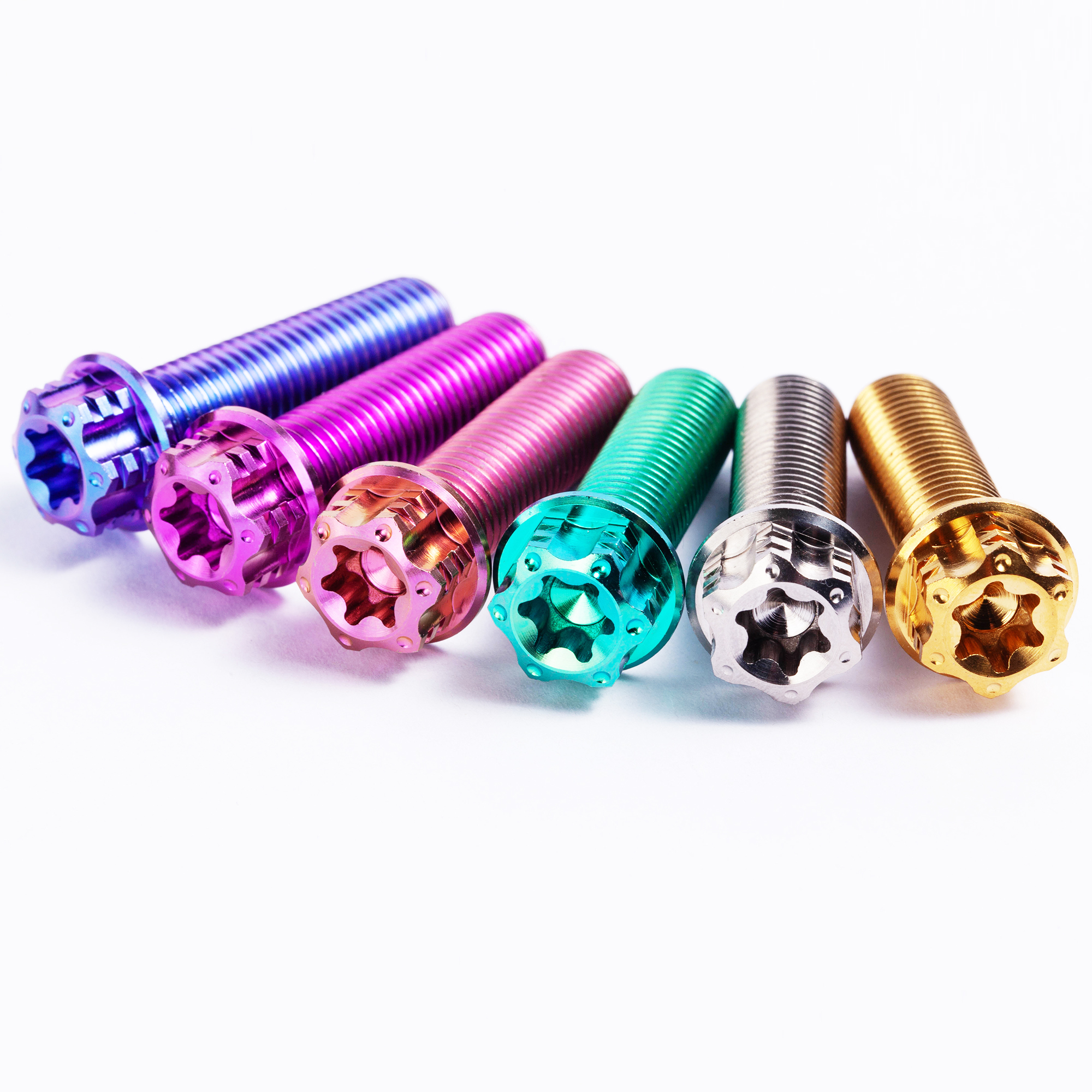
BST-TI ISO Certified Anodized Titanium Gr5 Flange Socket Bolts
M6/M10 Torx 12-point fasteners, high-tensile 10.9-grade equivalent for stem clamps, suspension linkages, and caliper mounts.
Precision cold-forged and 5-axis CNC-machined titanium hardware certified to DIN, ISO, and ASTM specifications. Specifically adapted for racing bicycles, e-mobility powertrains, and high-vibration off-road platforms.
M6/M10 Torx 12-point fasteners, high-tensile 10.9-grade equivalent for stem clamps, suspension linkages, and caliper mounts.
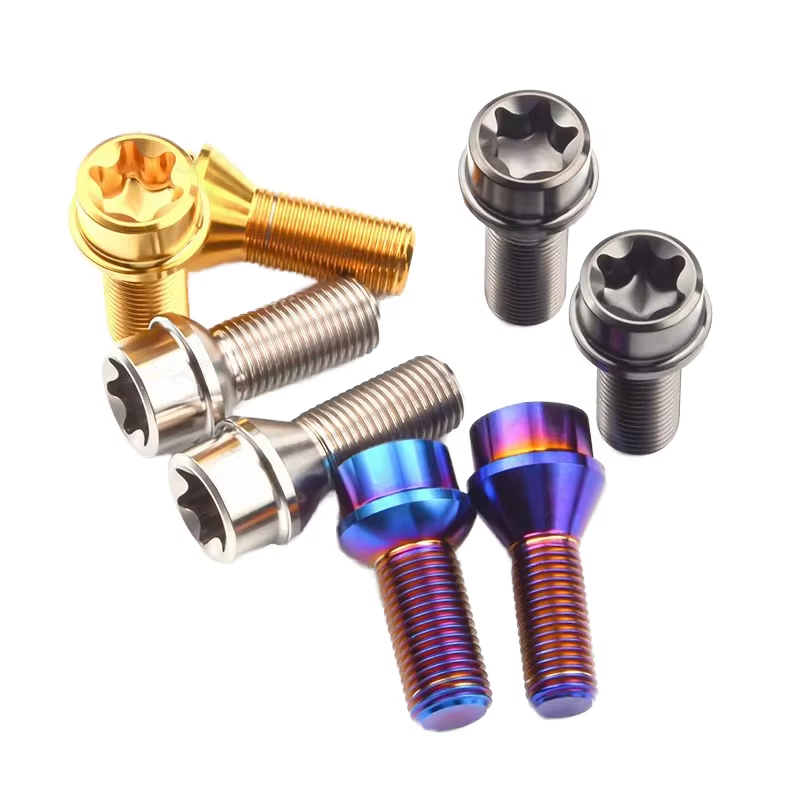
Anodized finish with precision-rolled threads; suited for wheel hubs, axle retainers, and cargo frame mounts under heavy shear loads.
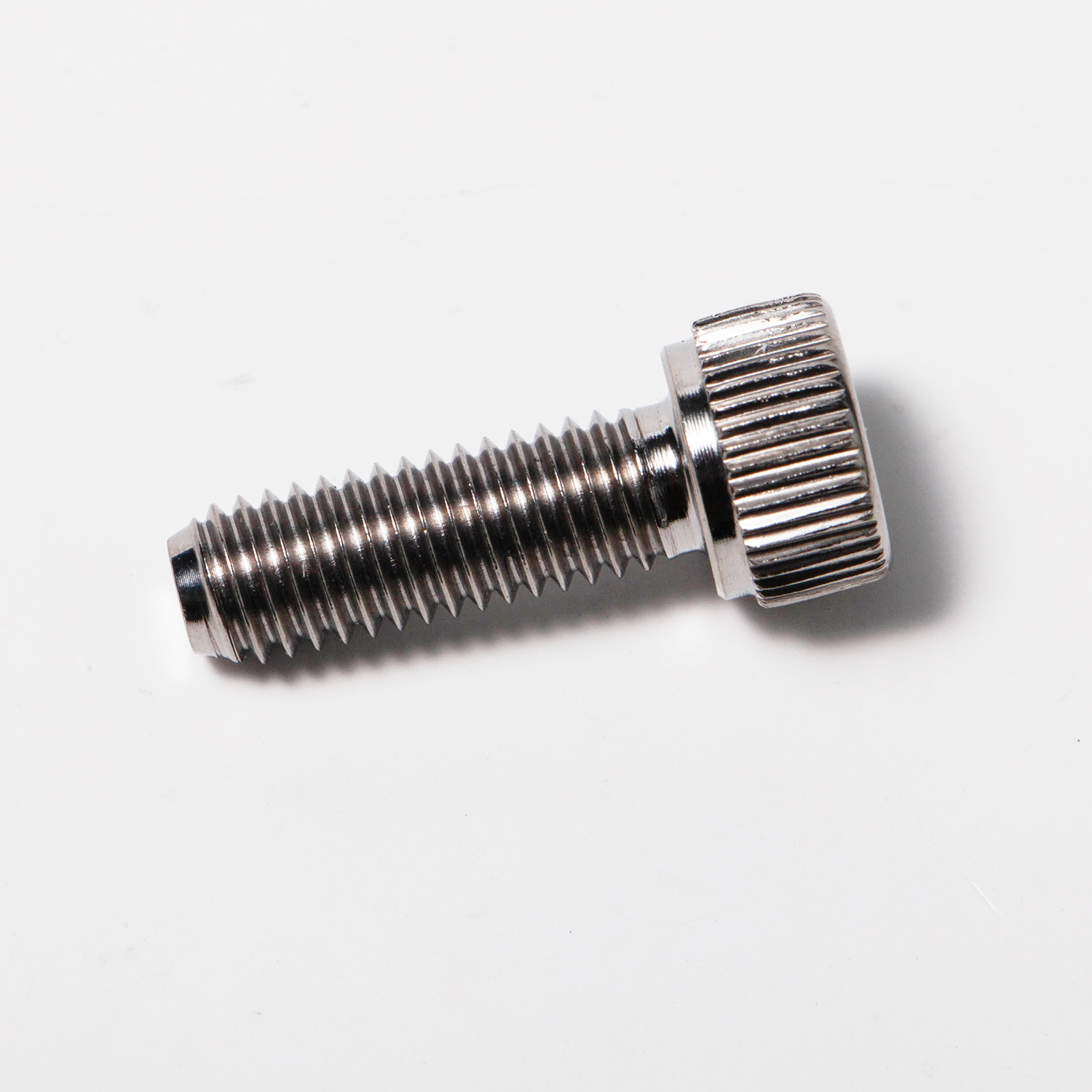
CNC machined ultra-lightweight DIN 912 screws, corrosion-resistant and fatigue-proof for bicycle stems, headsets, and derailleurs.
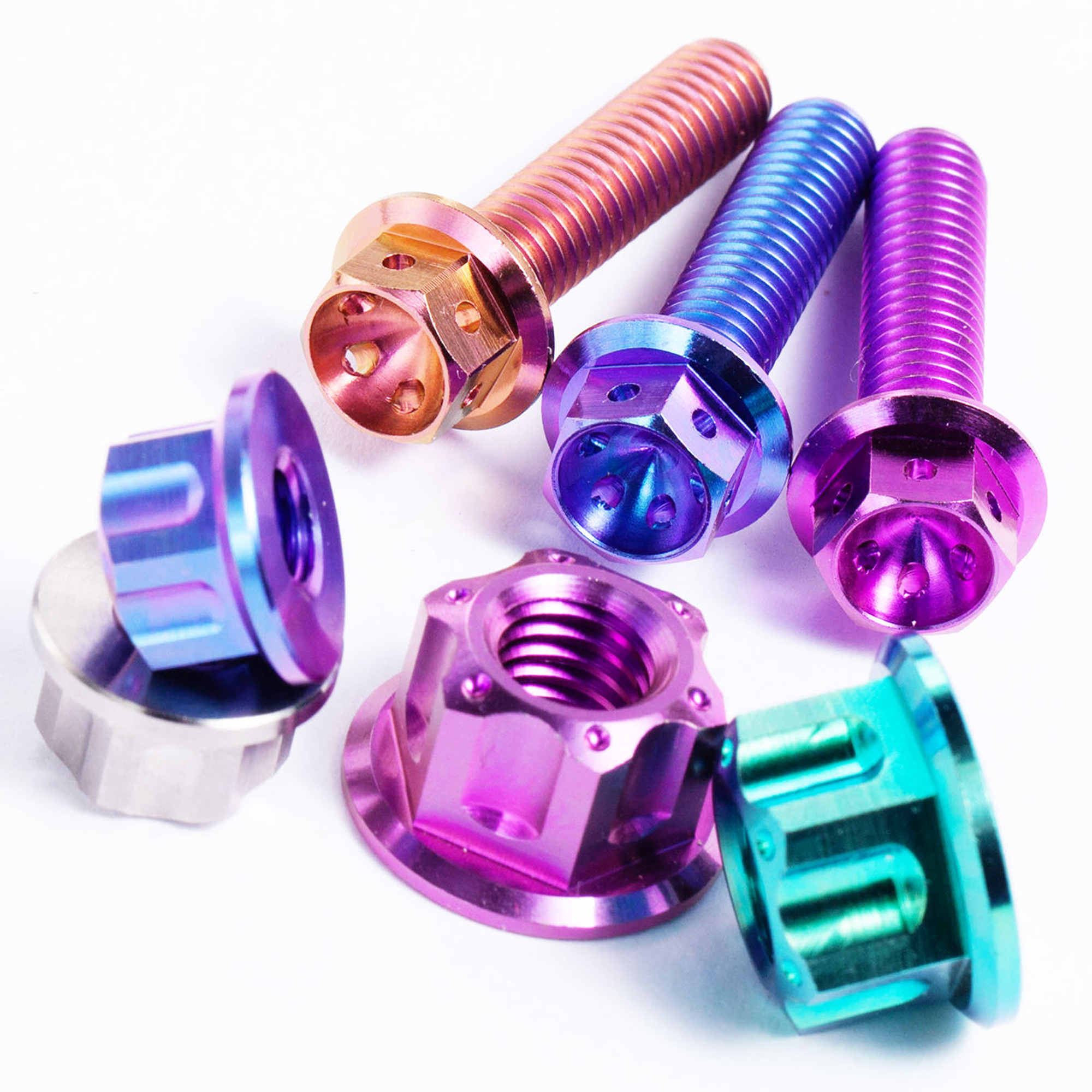
DIN6921 integrated washer-flange fasteners engineered to spread clamping stress on carbon fiber dropouts and alloy brackets.
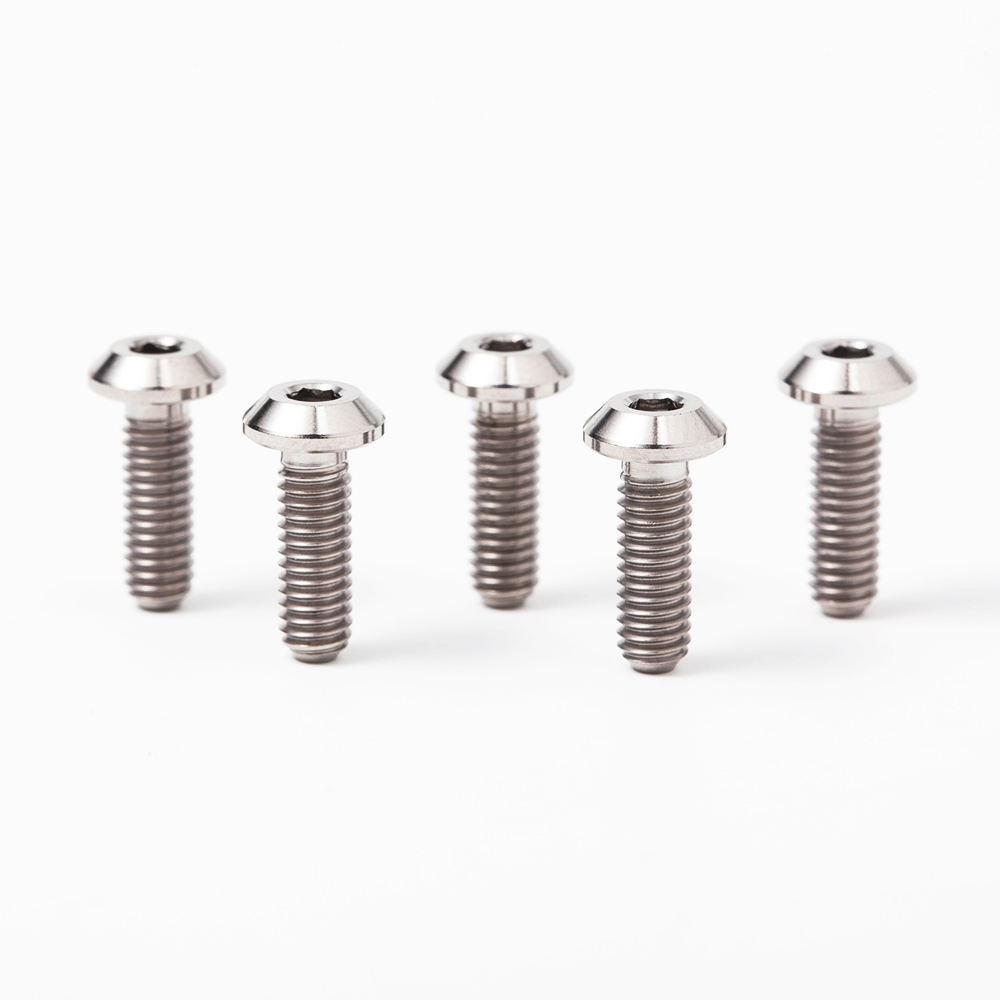
Grade 5 ASTM F136 low-profile Torx rotor fasteners, eliminating rotating unsprung mass while resisting extreme braking heat cycles.
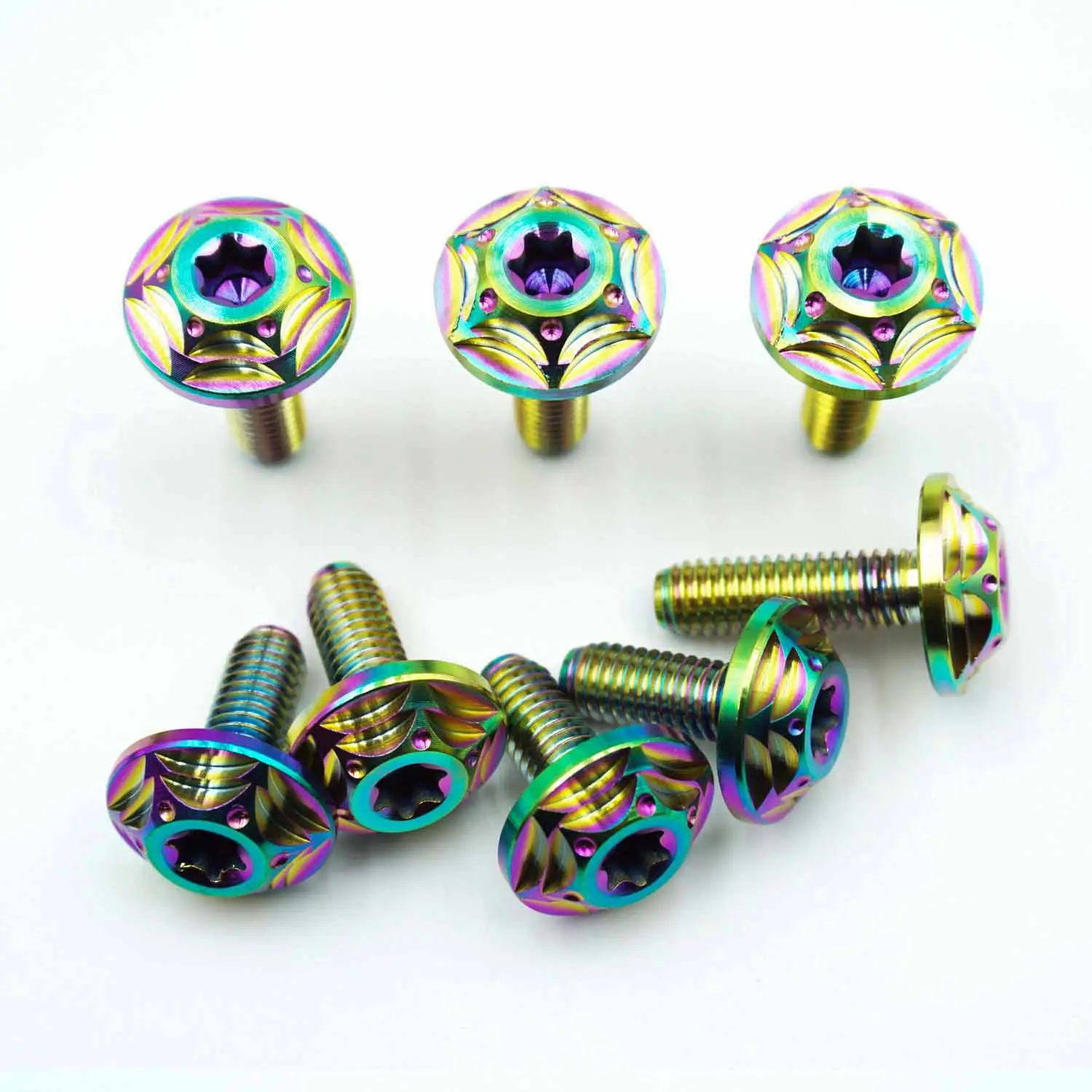
Vibrant PVD and anodized plain-finish hardware for custom bicycle rack mounting, panniers, bottle cages, and motorcycle fittings.
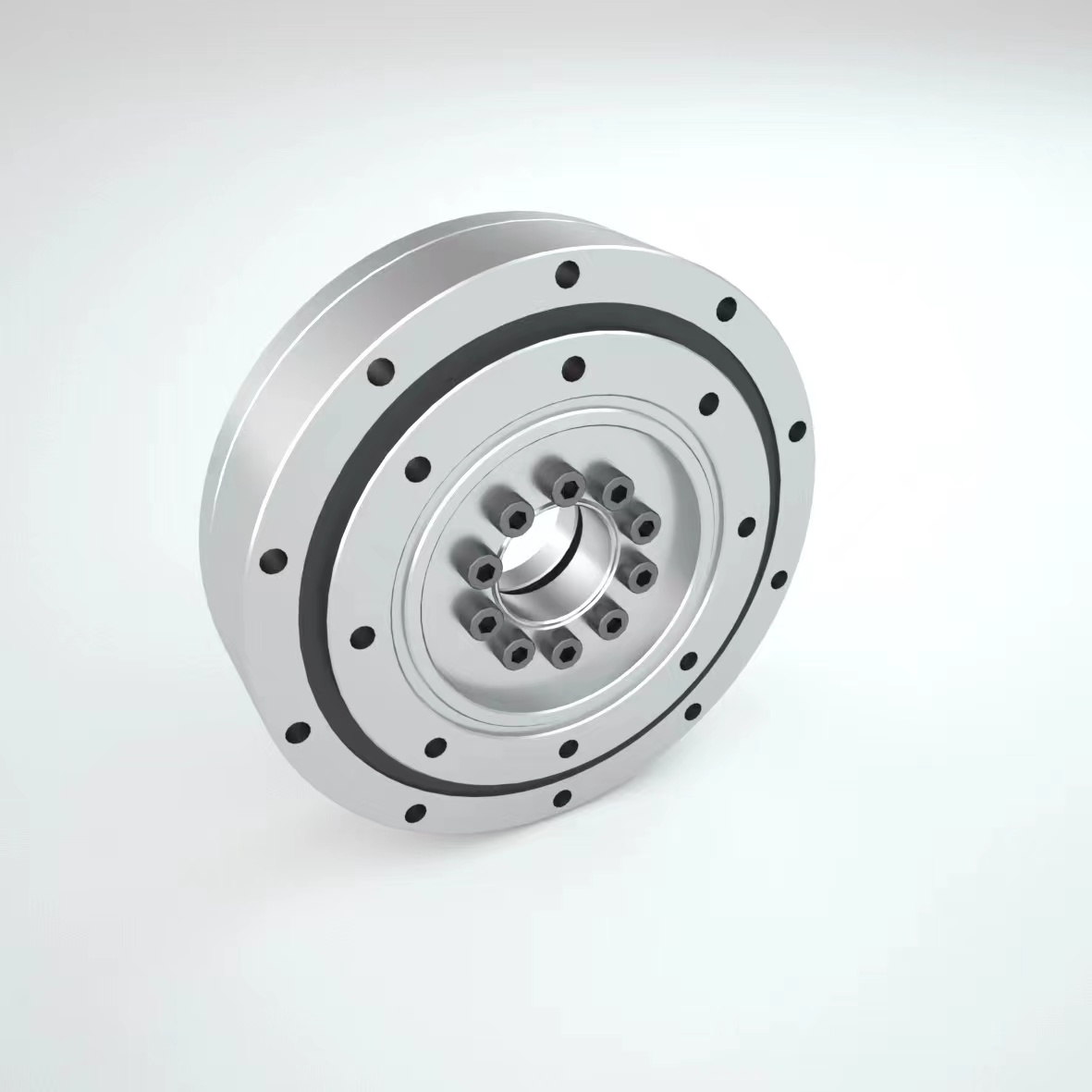
Compact wave generator reducer for high-torque mid-drive e-bikes, robotic automation, and aerospace precision actuation.
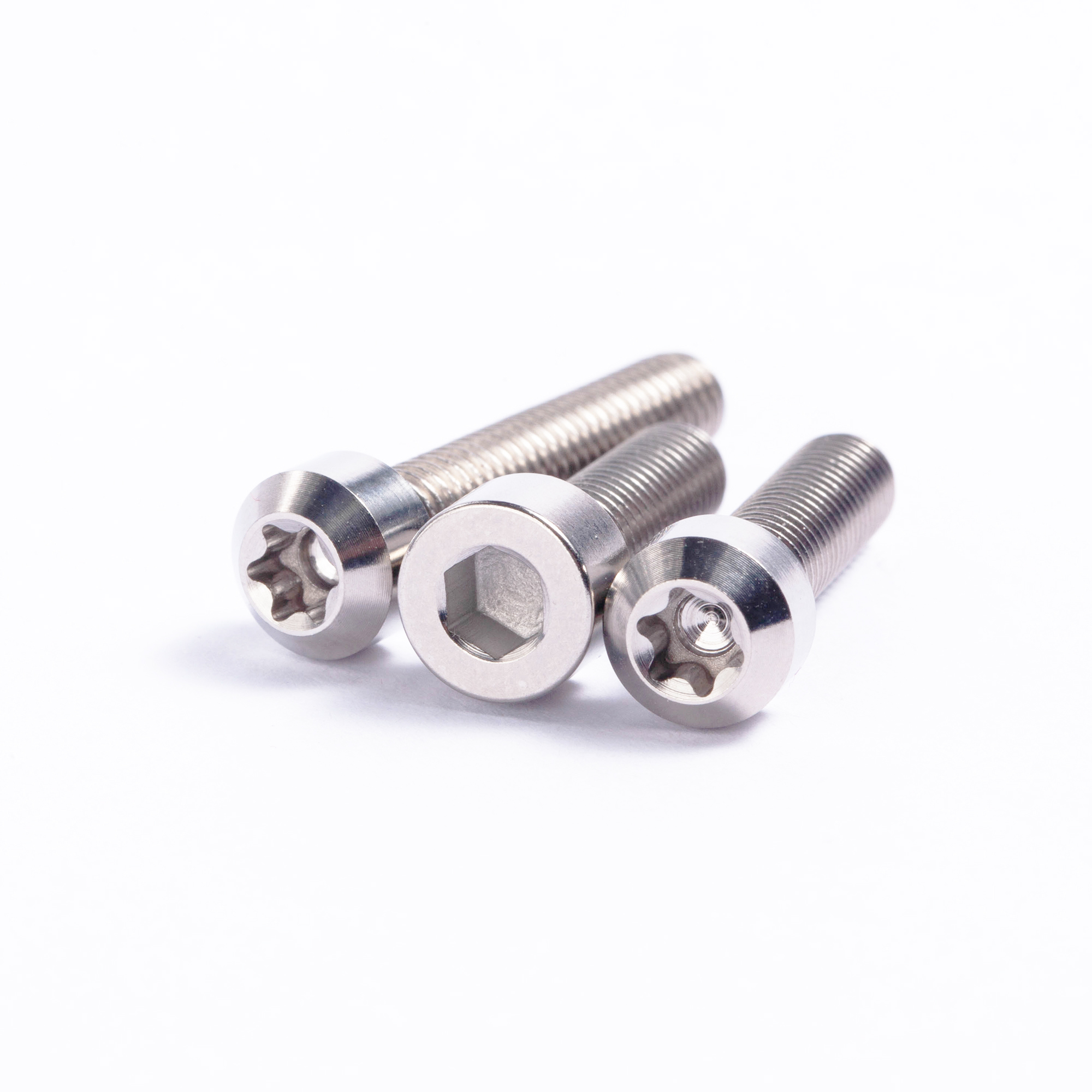
Polished 12-point M7 and M5x80 high-shear bolts designed for dual-piston calipers, downhill rigs, and motorsport disc rotors.
The Free and Sovereign State of Puebla represents one of Latin America's most demanding physical proving grounds for cycling engineering. Situated at a mean elevation of 2,135 meters (7,005 feet) above sea level in the Valley of Puebla, flanked by the active stratovolcano Popocatépetl and the volcanic peaks of Iztaccíhuatl and La Malinche (Matlalcueye), the geographical reality imposes intense thermo-mechanical stresses on bicycle frames, drivetrains, and structural fasteners.
As experienced exporters and dedicated manufacturers, Jiaxing Wexra Titanium Products Co., Ltd. supplies Tier-1 grade bicycle fasteners and CNC machined titanium solutions engineered specifically to overcome three critical mechanical challenges common in Puebla's cycling sectors: rotational inertia under extreme climbing gradients, high cyclic shear stress over historic volcanic cobblestone streets, and accelerated thermal dissipation on extended volcanic descents.
Connecting Amecameca to Cholula through an altitude pass exceeding 3,600 meters, this gravel and paved ascent requires absolute minimum unsprung weight. Every gram shed on stem clamps, rotor mounts, and thru-axles yields significant power savings.
Puebla's UNESCO World Heritage core features centuries-old basalt and volcanic stone pavers. High-frequency micro-impacts cause rapid fatigue failure and thread back-out in standard carbon steel; titanium's superior damping absorbs impact shocks.
Steep, technical descents in Cuetzalan and Zacatlán expose brake calipers to continuous friction heats surpassing 320°C. Grade 5 titanium bolts maintain 900+ MPa tensile strength without heat-soak embrittlement.
Bicycle builders and performance tuners across Puebla—from San Andrés Cholula to the industrial districts of Cuautlancingo and Angelópolis—increasingly specify aerospace-grade Ti-6Al-4V (Grade 5) over conventional 304/316 stainless steel and 7075-T6 aluminum. Titanium exhibits an elastic modulus of approximately 110 GPa, roughly half that of structural steel (210 GPa). When utilized in structural bicycle fasteners—such as handlebar stem bolts, seatpost clamps, and rear suspension pivot linkages—this lower modulus allows controlled elastic micro-deformation. Rather than transmitting abrupt road shocks directly into expensive carbon fiber weave or thin-wall chromoly tubing, titanium hardware serves as a mechanical vibration damper, significantly extending fatigue lifespan and reducing rider fatigue.
Furthermore, Puebla's proximity to active volcanic vents exposes atmospheric hardware to acidic sulfur dioxide ($SO_2$) emissions and high atmospheric moisture during the summer rainy season (temporada de lluvias). Unlike zinc-plated alloy steel, which develops galvanic red rust when contacting carbon fiber resins, titanium naturally forms a stable, instantaneous, self-healing titanium dioxide ($TiO_2$) passivation layer that remains inert against acidic volcanic ash and galvanic oxidation.
Selecting the appropriate fastener alloy requires evaluating tensile strength, density, fatigue resistance, and environmental stability. The following engineering matrix demonstrates why Grade 5 (Ti-6Al-4V) titanium delivers superior strength-to-weight performance compared with competing metals used in the cycling industry:
| Alloy Specification | Density (g/cm³) | Tensile Strength (MPa) | Yield Strength (MPa) | Corrosion Resistance | Vibration Damping Index | Ideal Cycling Application |
|---|---|---|---|---|---|---|
| Titanium Gr5 (Ti-6Al-4V) | 4.43 | 895 – 1050 | 828 | Immune / Self-healing | High (110 GPa Modulus) | Stem clamps, disc rotors, brake calipers, thru-axles |
| Titanium Gr2 (CP Alpha) | 4.51 | 345 – 480 | 275 | Immune / Passivated | Moderate (105 GPa) | Bottle cages, pannier racks, fender eyelets, mudguards |
| Stainless Steel (AISI 304) | 7.93 | 515 – 680 | 205 | Moderate (Pits in salt/acid) | Low (200 GPa Modulus) | Budget OEM hardware, low-load utility fasteners |
| Alloy Steel Class 10.9 | 7.85 | 1040 | 940 | Poor (Requires zinc/cadmium) | Very Low (Brittle in fatigue) | High-stress machinery, industrial pivots (heavy) |
| Aluminum 7075-T6 | 2.81 | 572 | 503 | Fair (Vulnerable to galvanic) | Low (72 GPa Modulus) | Chainring bolts, derailleur pulleys (low shear only) |
*Data normalized in accordance with ASTM B348, ASTM F136, and ISO 898-1 standard testing protocols. Wexra Titanium provides verified Mill Test Certificates (MTC) according to EN 10204 3.1 with every export consignment to Mexico.
In high-end road racing frames common in Cholula and Puebla's cycling clubs (such as those training for the Gran Fondo Puebla), overtightened or rigid fasteners frequently cause catastrophic delamination of carbon fiber steerers and seat tubes. The combination of our CNC machined DIN 6921 titanium flange head design and the inherent elasticity of Ti-6Al-4V creates a wider, more uniform surface pressure distribution over composite contact areas. This mitigates localized stress risers, ensuring that torque ratings (typically 5 to 6.2 Nm on four-bolt stems) achieve complete retention without pinching or cracking resin layers.
Puebla is internationally recognized as Mexico's automotive and precision manufacturing heartland, anchored by major assembly plants and a dense network of Tier-1 and Tier-2 component suppliers. In recent years, this established industrial engineering ecosystem has stimulated a dynamic surge in advanced micromobility, custom bicycle fabrication, and commercial fleet conversion across Central Mexico.
Puebla and neighboring Tlaxcala are home to an emerging class of bespoke bicycle builders who craft custom titanium, steel, and gravel frames. Sourcing direct CNC titanium dropouts, bottom bracket shells, and fasteners eliminates intermediary distributor markups.
Delivery logistics in Puebla's dense urban centers have driven the adoption of heavy-duty cargo e-bikes. These require harmonic drive reducers, high-torque motor mounting bolts, and wear-proof axle components to handle continuous commercial duty cycles.
Puebla's proximity to the Autódromo Miguel E. Abed in Amozoc fosters an engineering culture focused on ultra-precise unsprung mass reduction, driving dual demand for titanium bicycle upgrades and custom motorcycle disc fasteners.
The shift from importing packaged consumer retail bolts from North America to engaging in direct OEM B2B partnerships with certified Chinese manufacturing facilities allows Puebla distributors, bike shops, and racing teams to achieve up to 40–55% cost reductions while securing direct customization: custom laser engraving, specific anodized colorways (including Mexican flag themes, oil-slick rainbow, electric blue, and raw satin), and custom thread pitches tailored to European and Japanese bike groupsets (Shimano, SRAM, Campagnolo).
Operating under an ISO 9001:2015 Quality Management System with full RoHS and REACH environmental compliance, Jiaxing Wexra Titanium Products Co., Ltd. has specialized exclusively in the precision engineering and machining of titanium and titanium alloys since 2018. We do not process mixed metals on the same production lines, eliminating cross-contamination of cutting fluids and protecting the metallurgical purity of every batch.
Unlike trading intermediaries, Wexra controls the complete component lifecycle from certified titanium bar stock (Ti-6Al-4V Grade 5, Grade 2, and ASTM F136 medical/aerospace stock) to automated thread rolling and cleanroom finishing:
Our components are exported extensively to demanding markets including Germany, the United States, the United Kingdom, and Canada—and are now directly available to commercial importers and cycling brands throughout Puebla and Mexico.
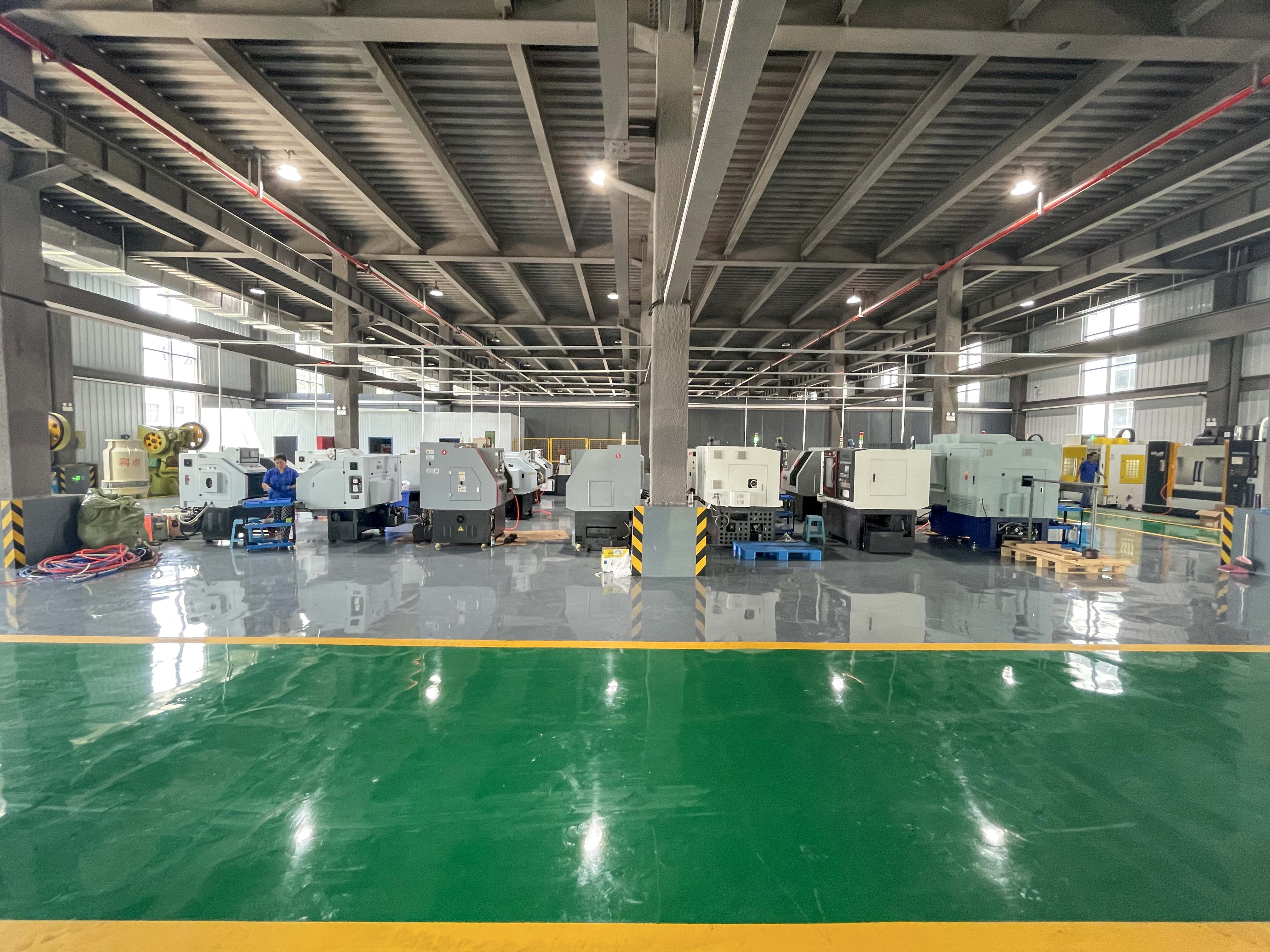
Direct answers to technical, commercial, and customs considerations when sourcing titanium components from our factory for delivery to Puebla, Mexico.
Whether you are developing an ultralight gravel racing model, upgrading boutique workshop inventory in Cholula, or manufacturing specialized e-mobility drive systems in the Puebla industrial zone, connect directly with our metallurgical engineers for technical consultation, free sample verification, and direct factory pricing.