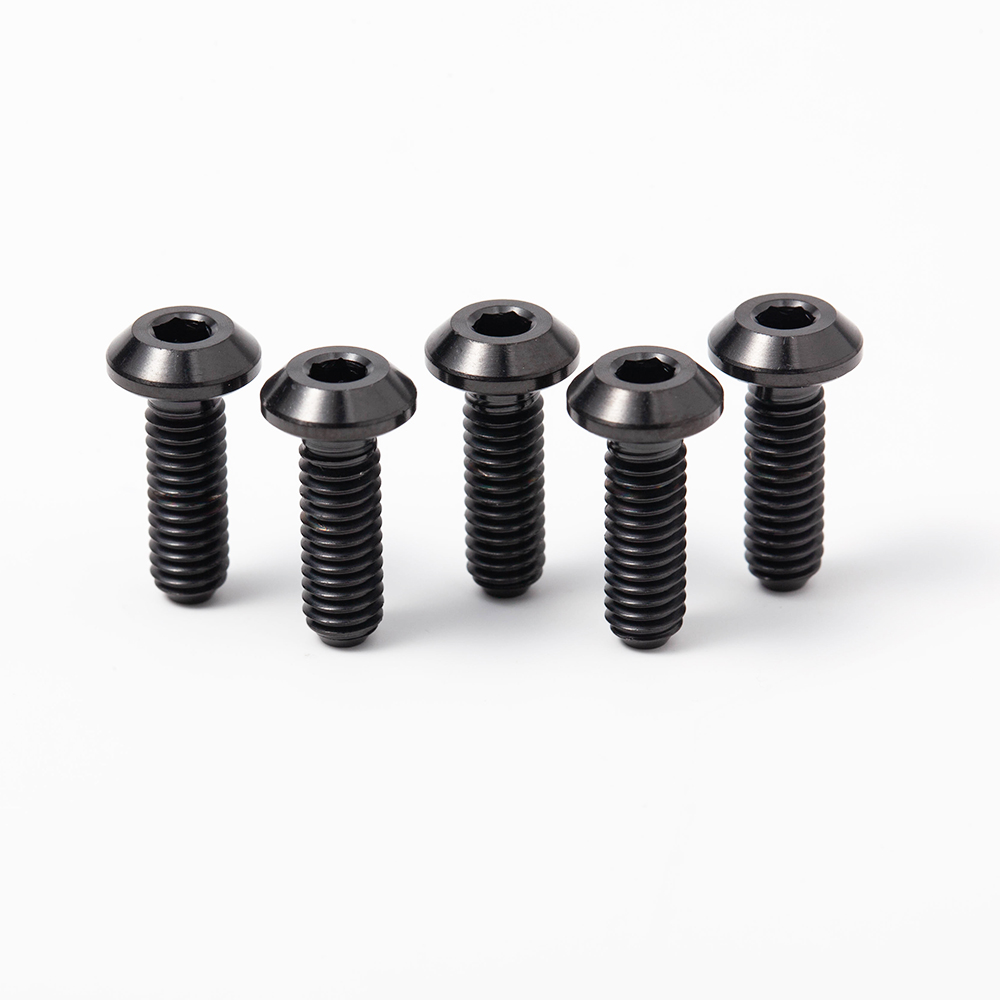
Lightweight Cycling • UNF
Explore our core product lines manufactured under rigorous ISO 9001:2015 controls. Designed with rolled threads, anti-galling geometry, and balanced strength-to-weight ratios to withstand Baltic sub-zero conditions and chemical exposure.
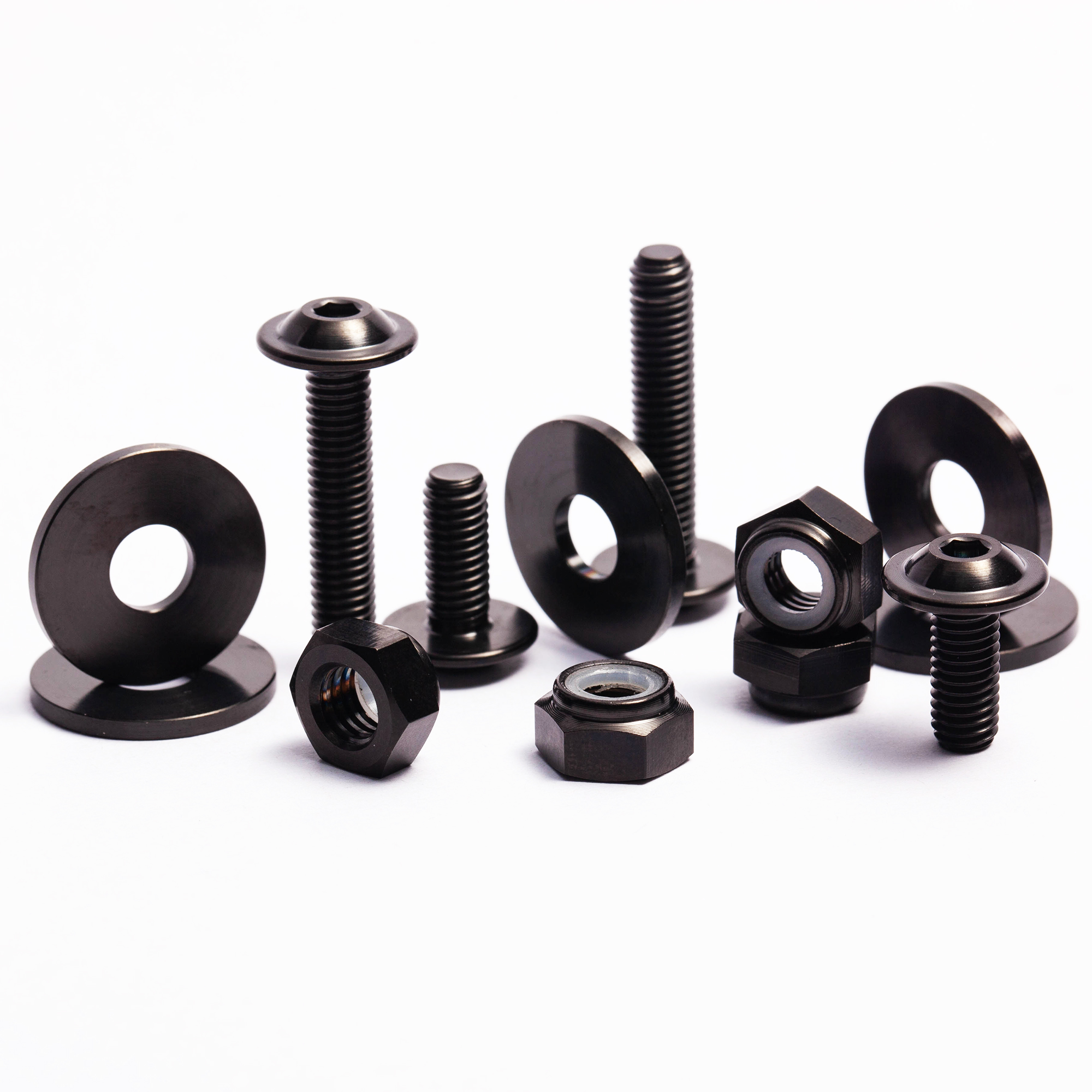
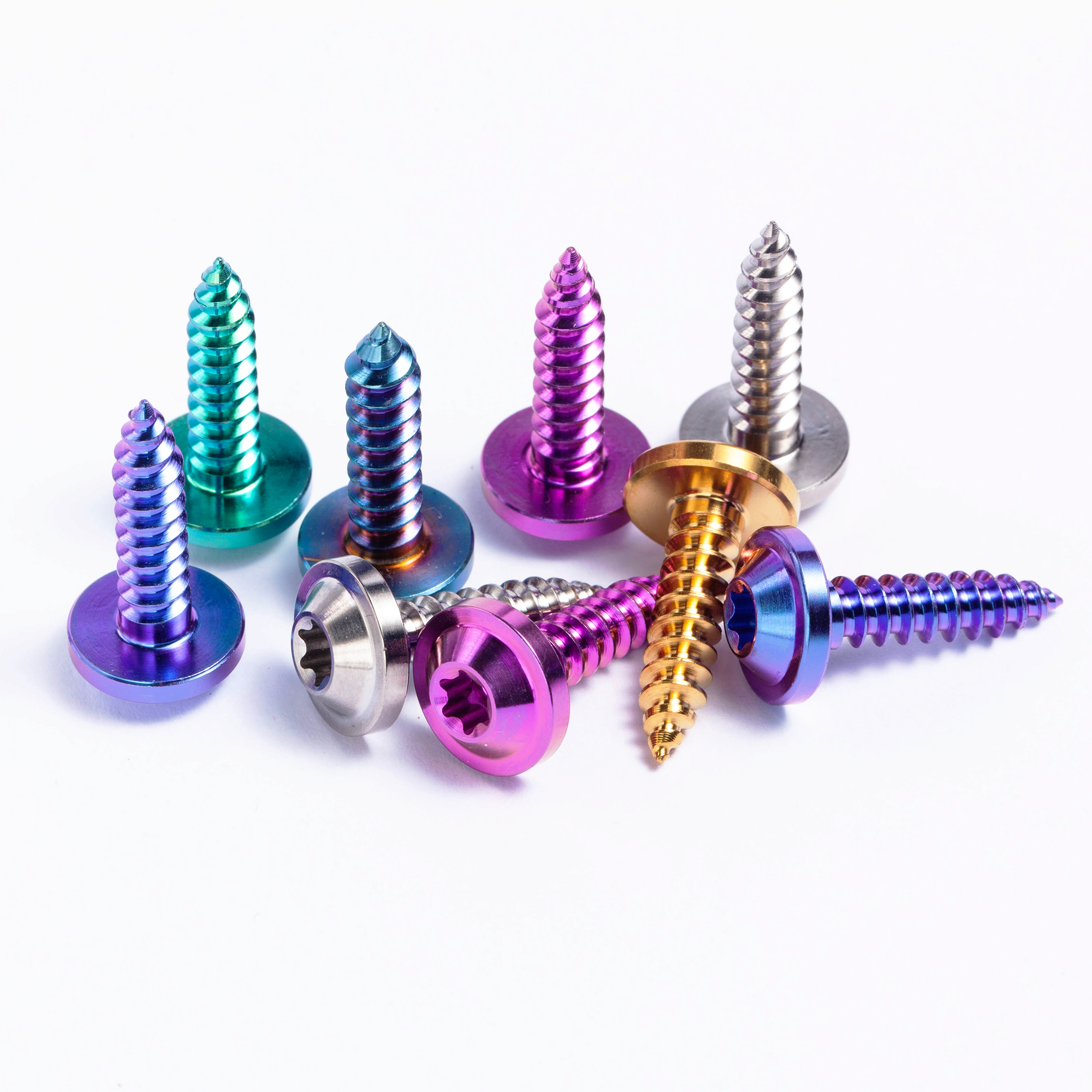
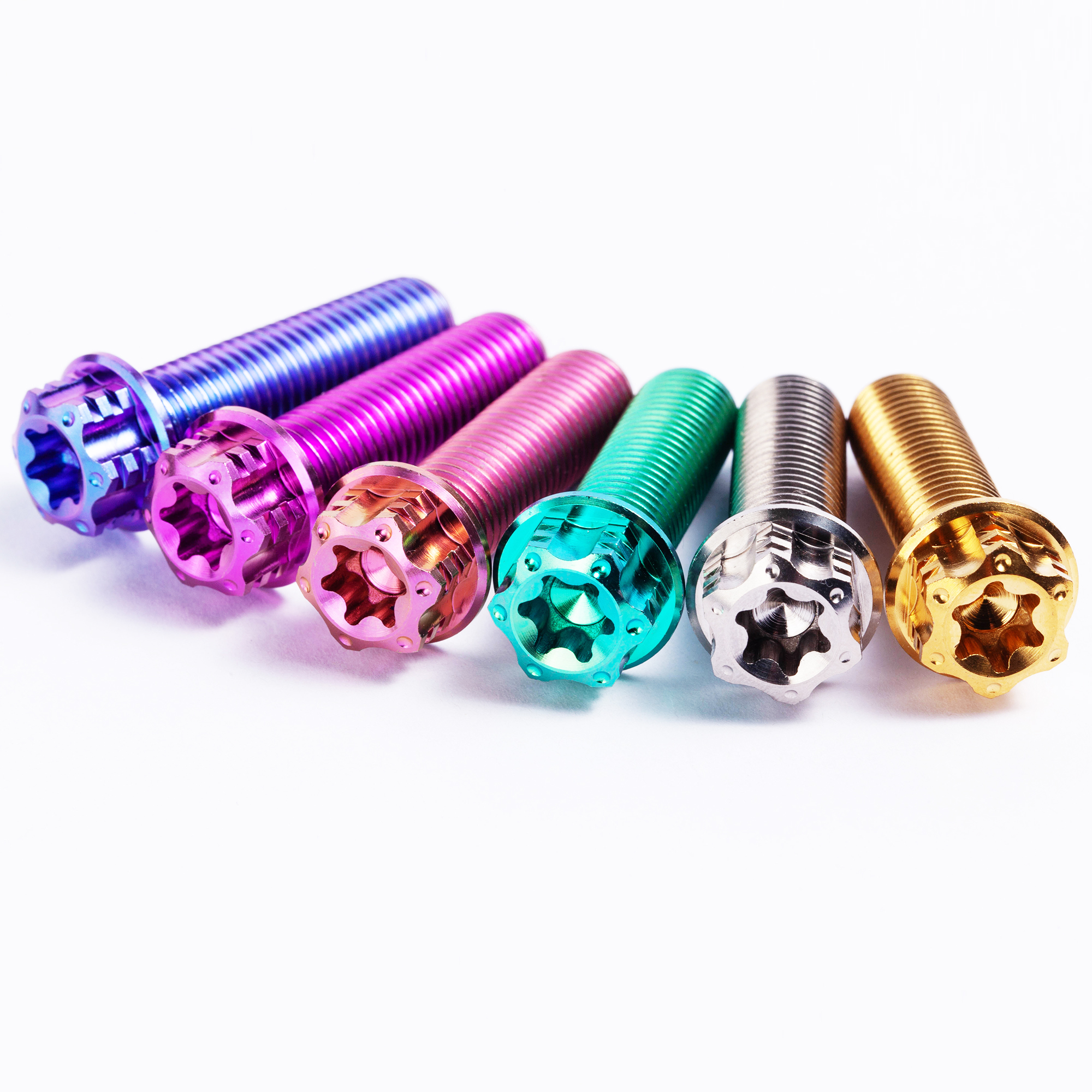
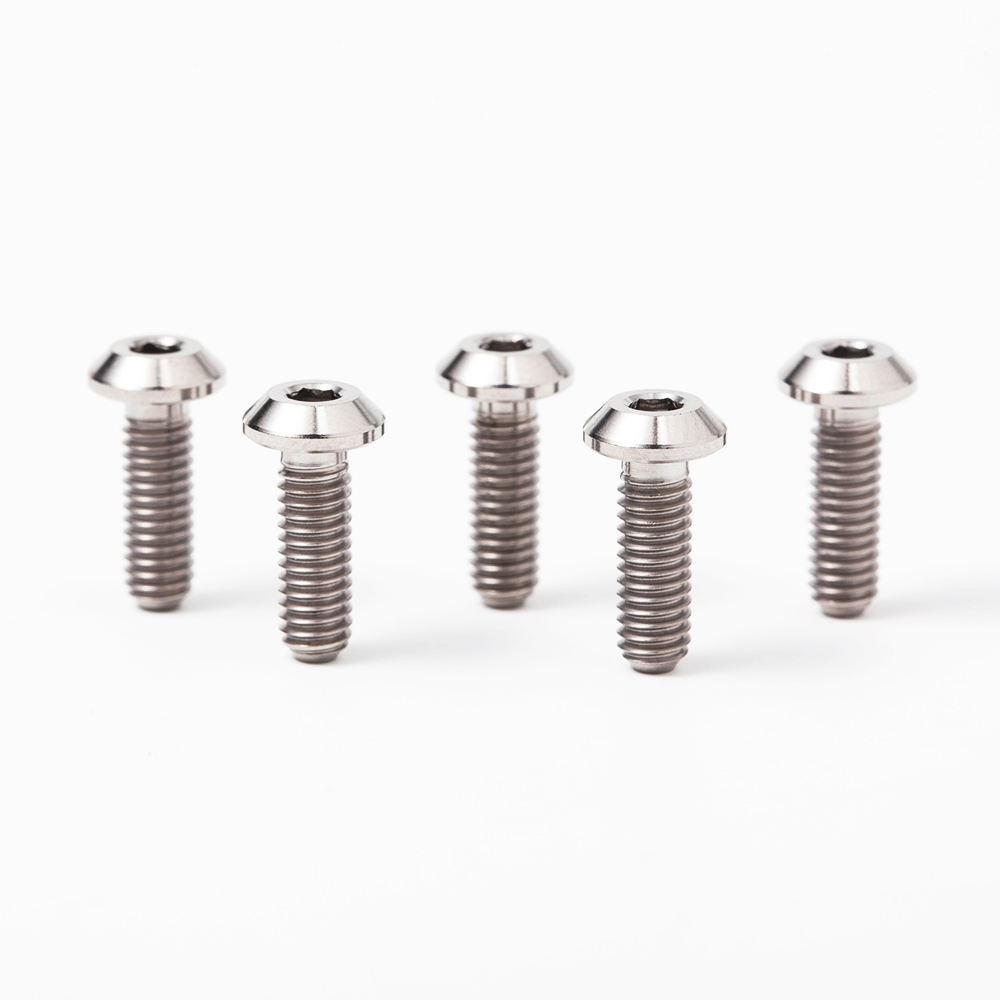
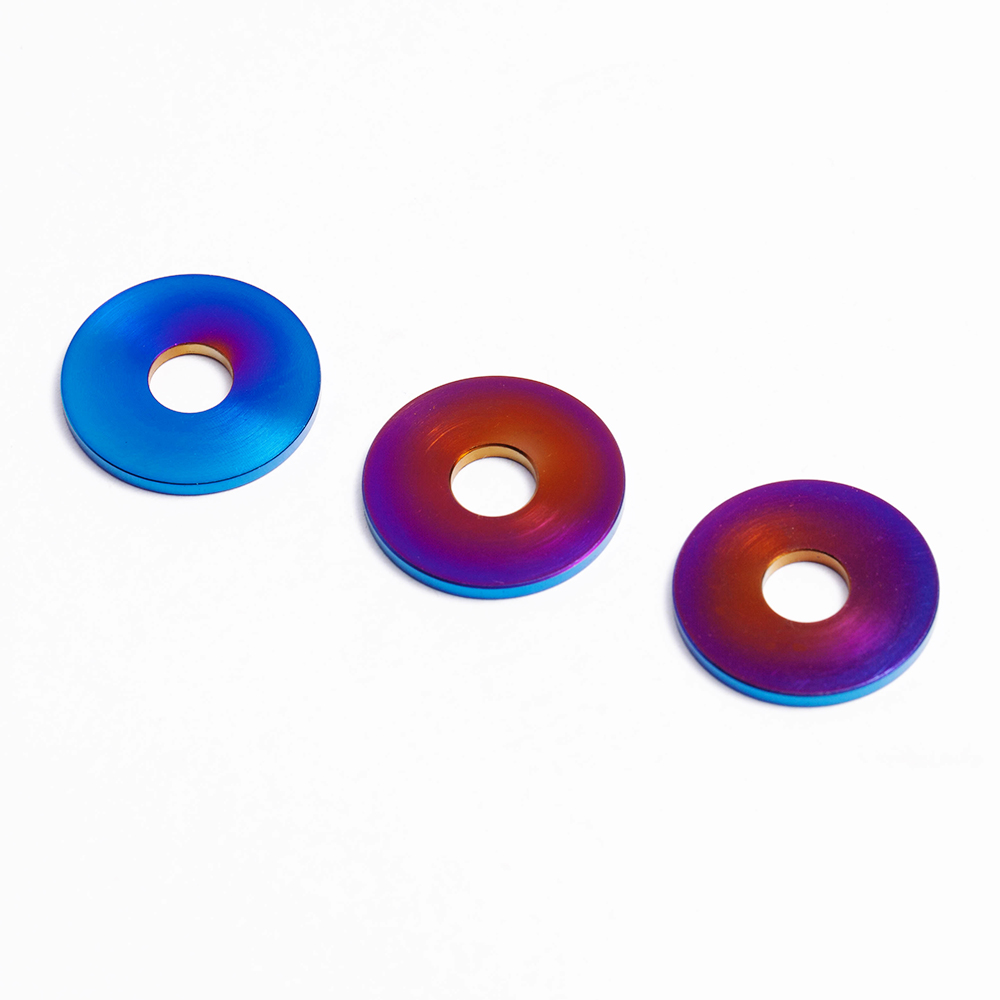
Evaluating why Estonia's advanced high-tech maritime sector, subsea autonomous devices, and cleantech manufacturers are rapidly phasing out stainless steel 316 in favor of Ti-6Al-4V titanium flange systems.
Estonia has positioned itself as the digital and automated vanguard of Northern Europe. Beyond its renowned software ecosystem, the industrial landscape in hubs like Tallinn, Tartu, and Narva is advancing exponentially in specialized manufacturing, subsea robotics (AUVs), marine monitoring instruments, autonomous electric defense platforms, and cleantech energy conversion machinery. Central to these engineering feats is the joint integrity of fasteners operating under extreme, cyclic Baltic stress.
The operational environment in the Gulf of Finland and Baltic Sea represents an aggressive electrochemical proving ground. Characterized by low-salinity brackish water saturated with dissolved oxygen, rapid winter-to-summer thermal cyclings (-30°C to +30°C), and corrosive industrial runoffs, standard grade 8.8 or 10.9 zinc-plated carbon steels face catastrophic oxidation within months. While austenitic stainless steels such as AISI 304 and AISI 316 provide adequate baseline defense against atmospheric oxidation, they remain vulnerable to chloride-induced pitting corrosion and crevice corrosion under low-oxygen tight thread gaps.
Herein lies the structural imperative for Titanium Grade 5 (Ti-6Al-4V) DIN 6923 Flange Nuts. Grade 5 titanium forms an instantaneous, passive, self-healing rutile (TiO&sub2;) ceramic oxide layer when exposed to moisture or air. This barrier imparts near-complete immunity against marine chloride attacks, prevents galvanic corrosion when paired with carbon-fiber-reinforced polymers (CFRP), and exhibits zero vulnerability to stress corrosion cracking in seawater. As Estonian drone boat builders, harbor sensor engineers, and cycling race engineers push weight thresholds down, titanium flange nuts deliver a 44% mass reduction compared to alloy steel while sustaining over 895 MPa in minimal tensile strength.
| Alloy & Standard | Yield Strength (MPa) | Tensile Strength (MPa) | Density (g/cm³) | Chloride Resistance in Baltic Sea | Galvanic Compatibility (CFRP) |
|---|---|---|---|---|---|
| Titanium Gr5 (Ti-6Al-4V) DIN 6923 | 828 | 895 - 1000 | 4.43 | Impervious / Immune | Zero Risk (Noble Potential) |
| Titanium Gr2 (Commercially Pure) | 275 - 450 | 345 - 510 | 4.51 | Impervious | Zero Risk |
| Stainless Steel A4-80 (AISI 316) | 600 | 800 | 8.00 | Moderate (Crevice Attack Risk) | Moderate Galvanic Potential |
| Alloy Steel Class 10.9 Zinc Plated | 940 | 1040 | 7.85 | Severe Corrosion Failure | Active Corrosion Node |
How mechanical engineers and systems integrators in the Baltic region utilize our titanium serrated and non-serrated flange fasteners.
Estonia's offshore autonomous underwater vehicle (AUV) developers require non-magnetic, featherweight structural hardware. Our Grade 5 DIN 6923 flange nuts provide expansive load dispersion across thin marine housings without cracking acrylic viewports or synthetic seals, resisting Baltic brackish immersion under high hydrostatic pressures.
Offshore wind installations and sensor towers around Saaremaa and Hiiumaa face aggressive wind-driven salt spray and constant cyclic vibration. Wexra's serrated titanium flange nuts bite into opposing surfaces, eliminating bolt back-off caused by vibrational harmonic loads while completely obviating rust bleeding.
Estonian automotive prototyping workshops and competitive racing teams prioritize un-sprung weight reductions. Replacing wheel hub, suspension linkage, and sprocket nuts with CNC-machined Grade 5 titanium instantly trims rotating mass while matching the shear security of 10.9 steel.
Analyzing structural shifts toward additive lightweighting, defense autonomy, and circular lifecycle requirements.
The European Union's stringent Green Deal objectives combined with Nordic lifecycle cost (LCC) calculations are transforming commercial fastener selection. In earlier procurement cycles, Estonian OEMs favored lower initial capital expenditures, opting for galvanised steel or standard A2 stainless. However, continuous field reports detailing premature maintenance downtime, maritime thread seizure, and frequent replacement overhead have made whole-lifecycle calculation the primary procurement KPI.
Secondly, the surge in Unmanned Ground Vehicles (UGVs) and Autonomous Drone Frameworks spearheaded by Estonian tech builders demands materials that provide superior strength-to-weight ratios and non-magnetic signatures. Titanium DIN 6923 flange nuts do not distort sensitive onboard magnetometer or compass sensors, solving interference issues inherent to ferrous fasteners. Wexra Titanium supports this transition by supplying tightly toleranced threads down to ±0.01 mm, manufactured with precision cold-formed or rolled threads that exhibit exceptional dynamic fatigue life.
Operating an integrated Chinese precision manufacturing facility with deep export compliance for EU directives, ISO 9001:2015 frameworks, and seamless door-to-door delivery into Tallinn.
Every shipment of Grade 2 or Grade 5 titanium flange nuts is backed by a full chemical composition and tensile inspection report (EN 10204 3.1 MTC), ensuring uncompromised metallurgical integrity with no recycled scrap dilution.
Our workshop houses multi-axis CNC Swiss lathes and dedicated thread rolling lines achieving internal tolerances to 6H. Rolled threads enhance grain flow continuity, providing 30% higher fatigue resistance compared to cut threads.
We provide full RoHS, REACH, and CE compliance documentation. Having established long-standing supply chains across Germany, the UK, and Scandinavia, we offer Estonian buyers seamless DDP air/sea logistics directly to their warehouses.
Clear answers addressing galling prevention, import customs, thread sizing, and marine application standards.
Titanium alloys possess a thin oxide film that can cause micro-frictional welding under high torque without lubrication. For Estonian offshore and robotics assembly, we recommend applying a nickel-based or copper-based anti-seize paste, molybdenum disulfide (MoS&sub2;), or requesting our specialized low-friction anodized/PVD coatings. Torque values should also be adjusted approximately 15-20% lower than corresponding 10.9 steel specs.
The integrated flange design substantially increases the bearing surface area, distributing clamping torque over thin-walled casings, carbon fiber laminates, or soft aluminium housings. This eliminates the need for separate flat washers, reduces part count on assembly lines, and guarantees that vibration-resistant serrations bite directly into the mating face.
Every batch shipped to Tallinn or surrounding counties includes an EN 10204 3.1 Inspection Certificate specifying raw ingot chemical compositions (Ti, Al, V, Fe, C, N, H, O) along with destructive mechanical testing (tensile, yield, elongation). We also provide CE, RoHS, and REACH self-declarations for frictionless EU customs clearance.
Yes. In addition to standard coarse metric sizes (M4, M5, M6, M8, M10, M12, M14, M16), our CNC lathes accommodate metric fine thread pitches (e.g., M10x1.0, M10x1.25, M12x1.25) as well as UNC/UNF threads from 2D/3D customer drawings, with non-serrated or serrated flange profiles.