Featured Titanium Forged & CNC Machined Products
Factory-direct high tensile fastening solutions produced from certified Grade 5 titanium billet. Engineered with rolled threads for extended fatigue endurance under high cyclic stress.
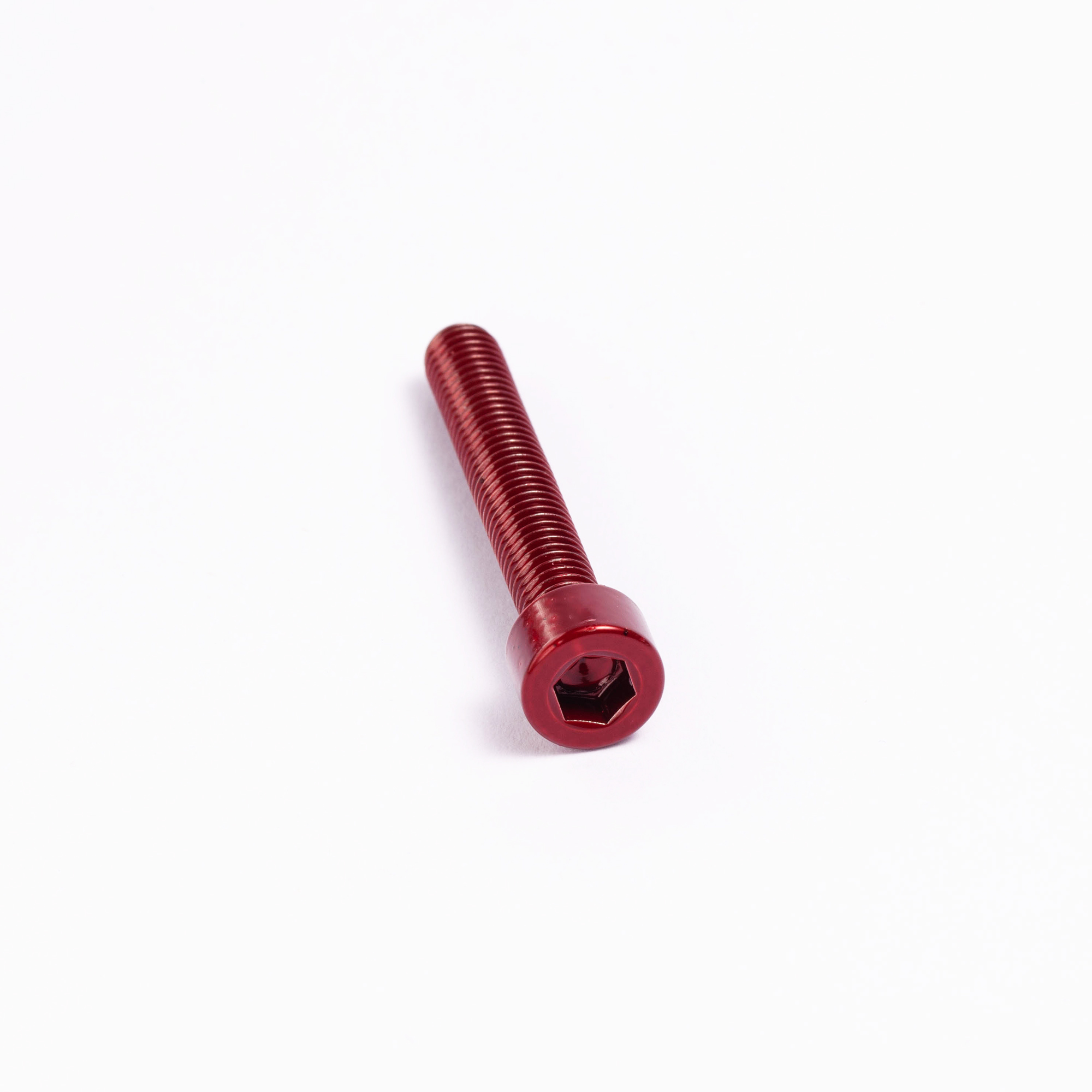
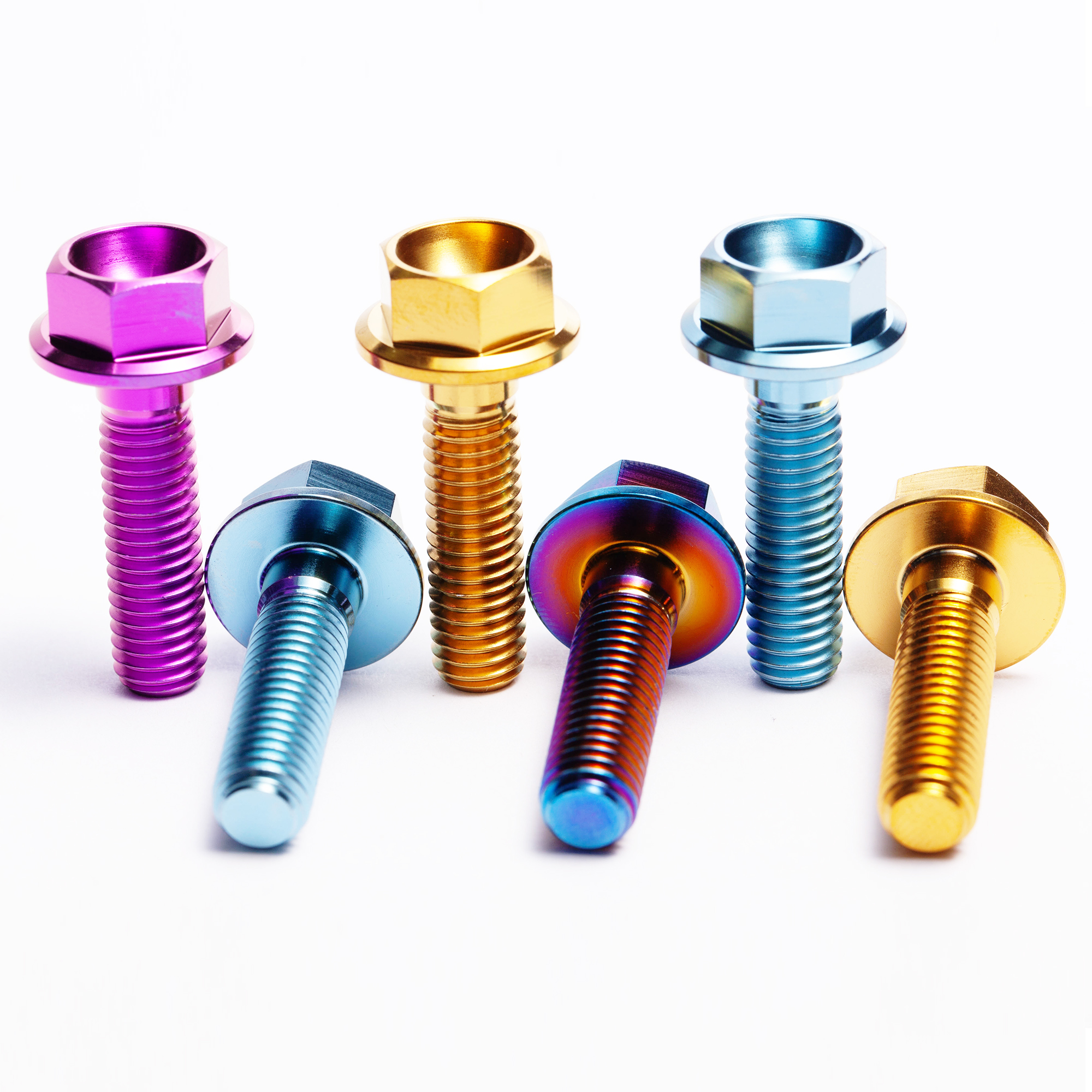
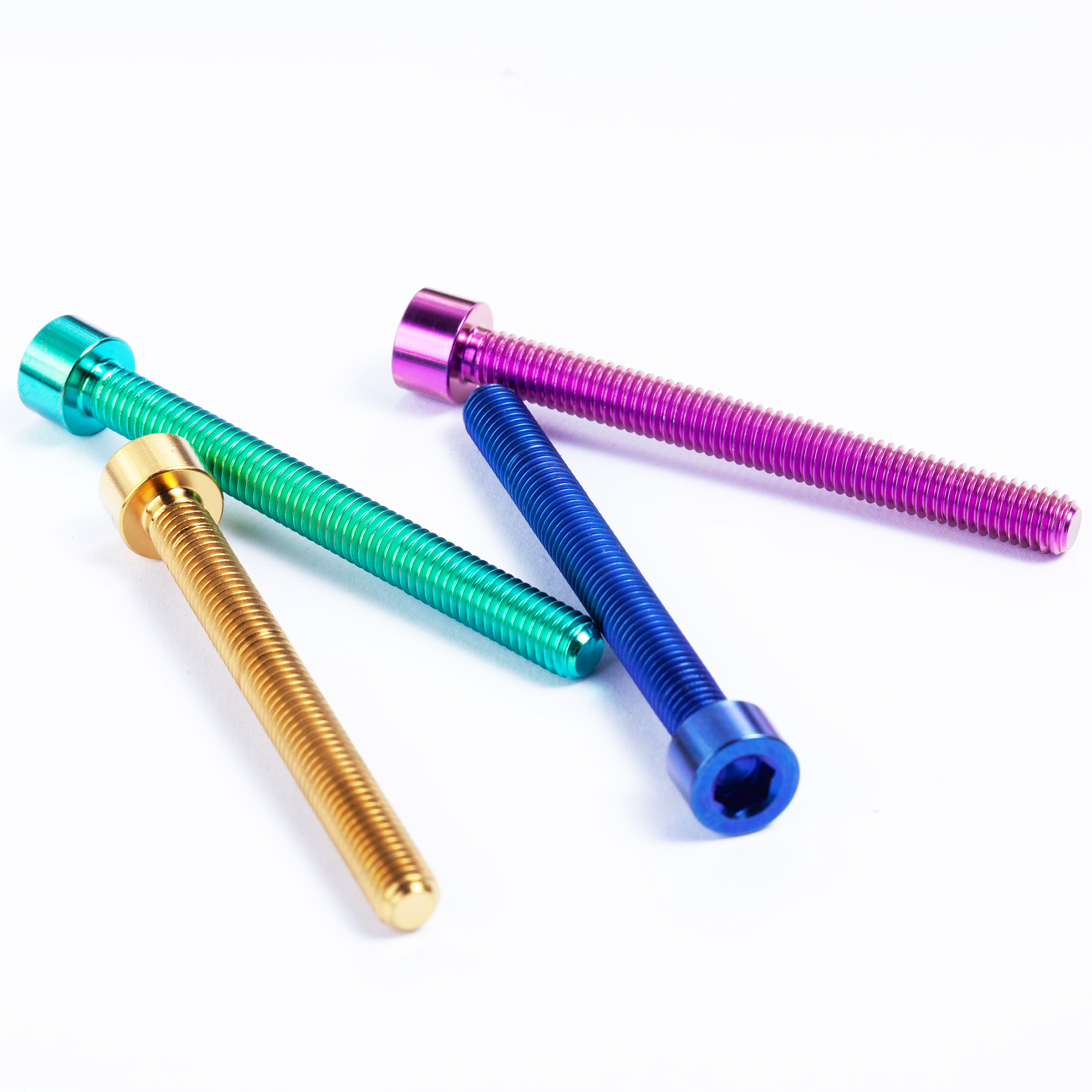
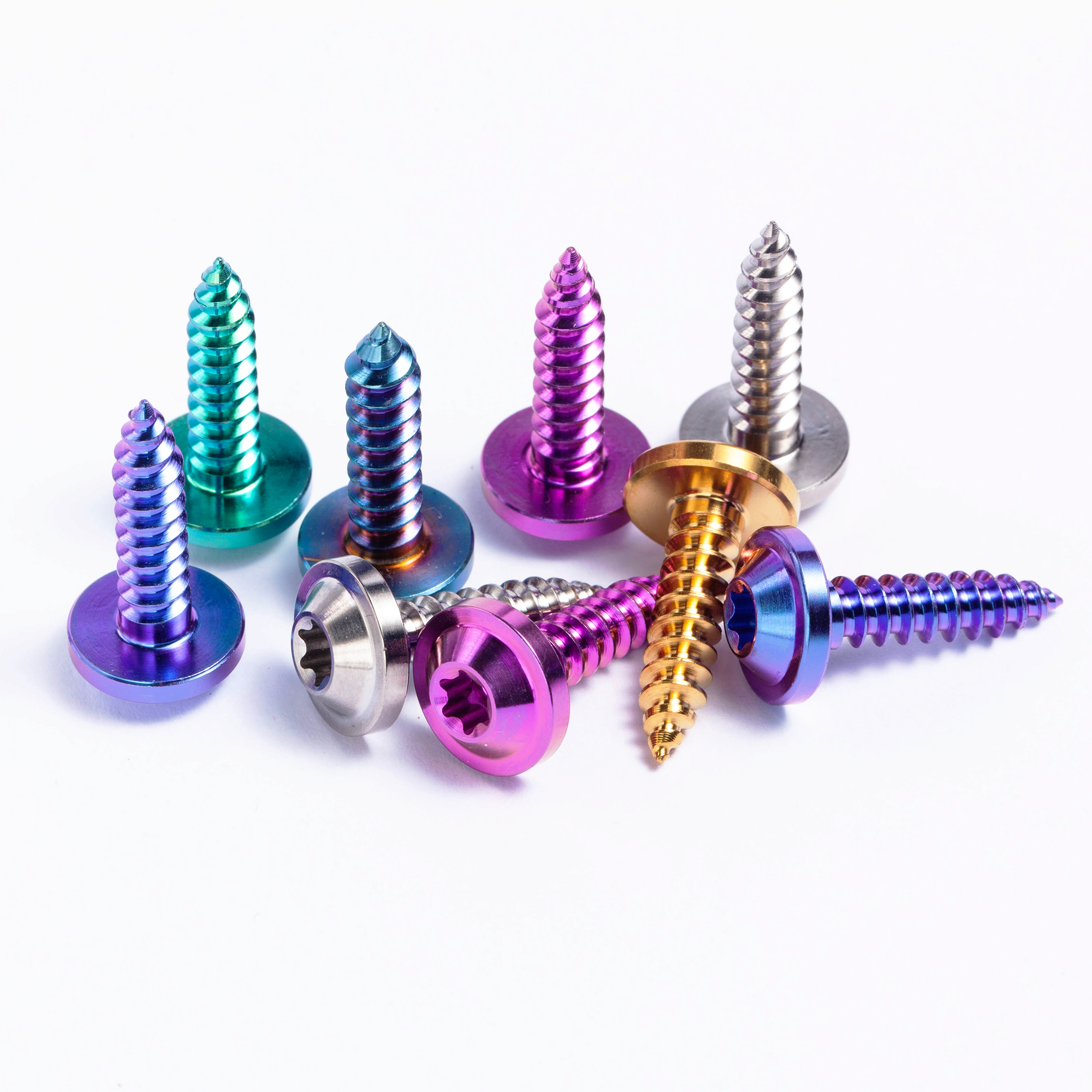
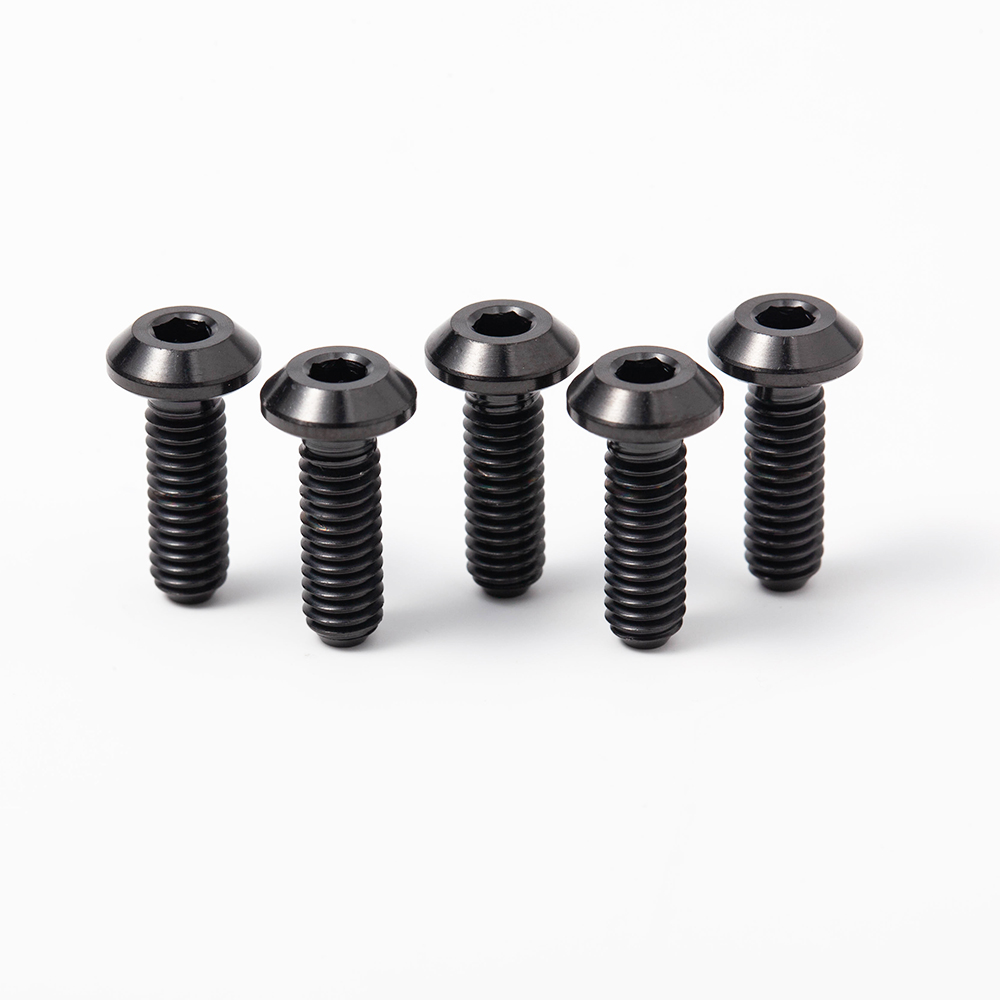
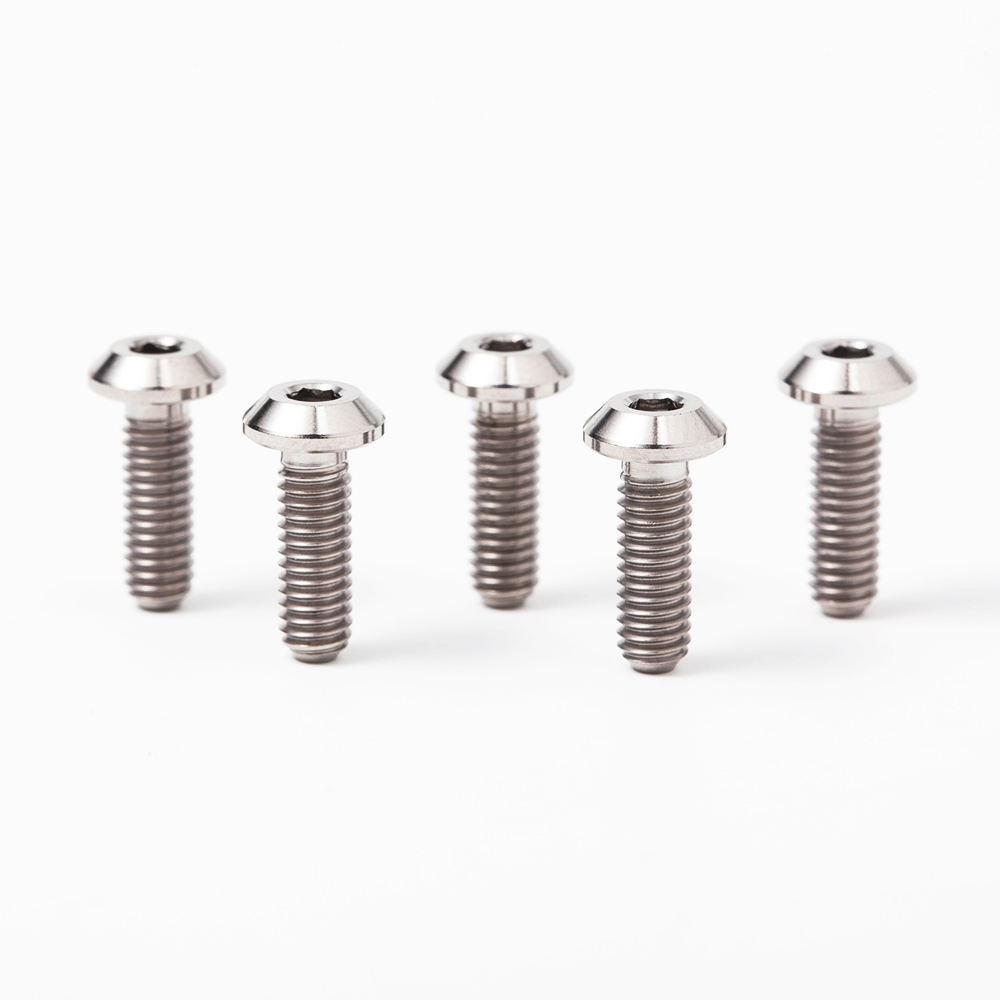
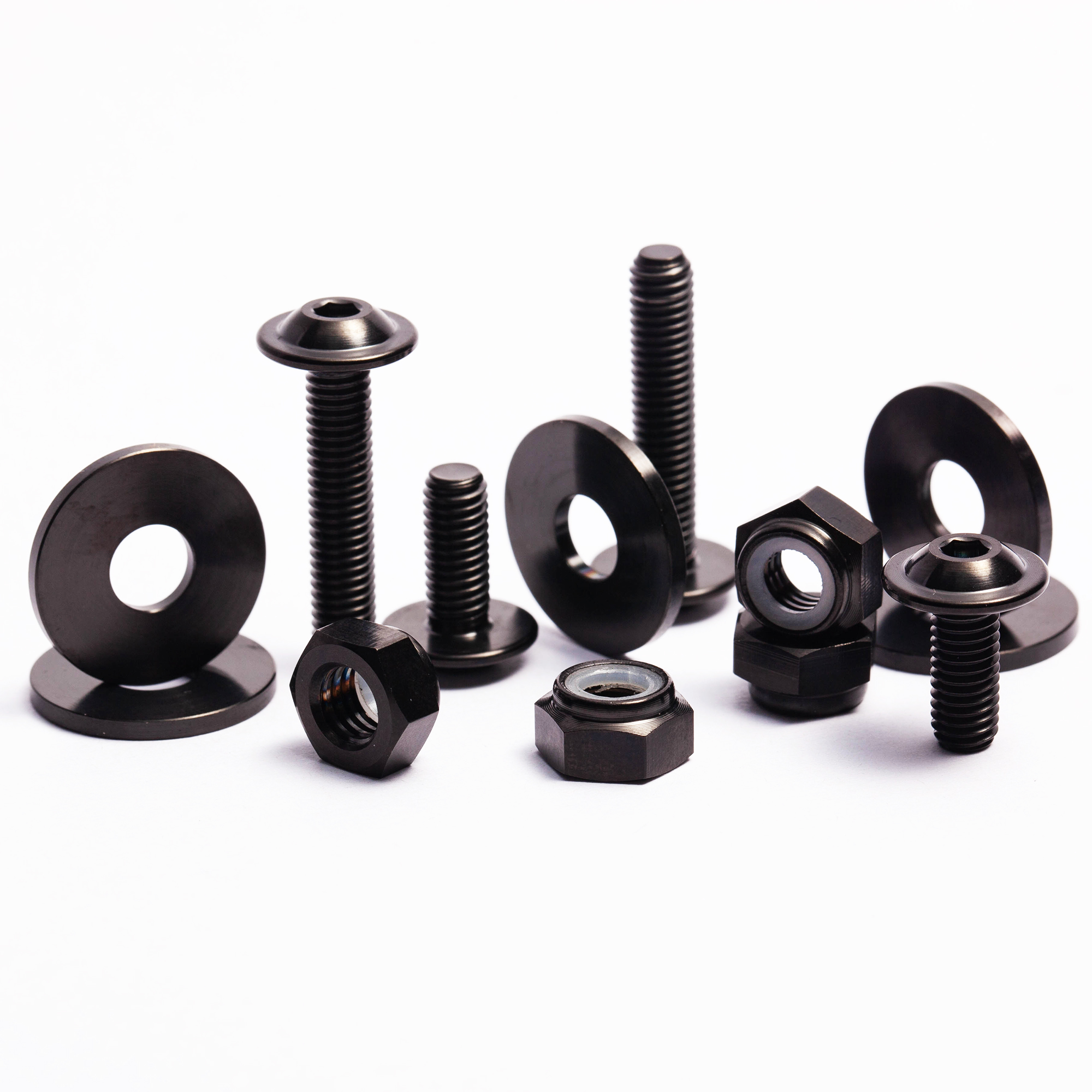
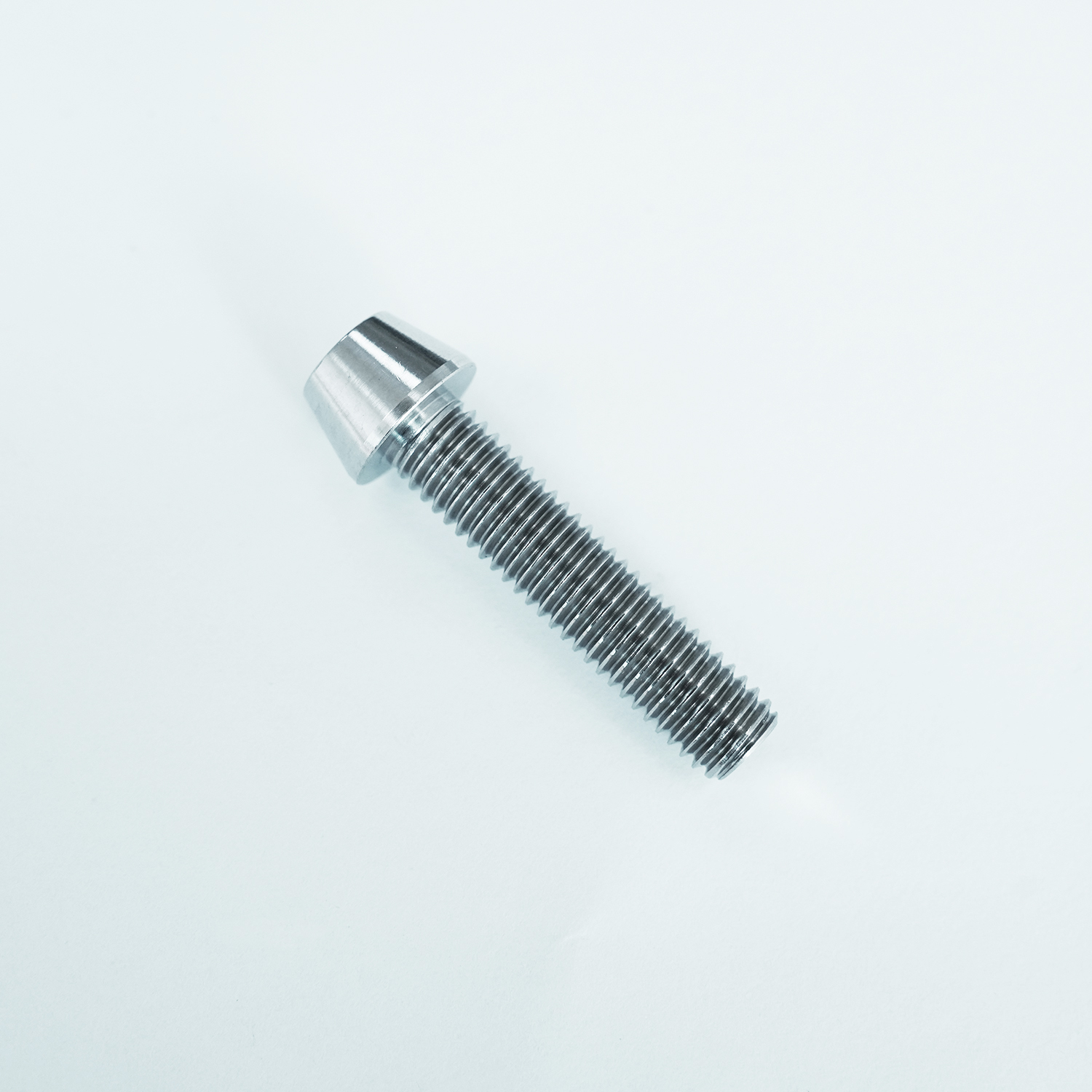
Engineering Grade 5 Forged Titanium for Erdenet's Critical Infrastructure
As one of the world's most vital copper and molybdenum ore extraction hubs, Erdenet requires mechanical hardware that can survive acidic hydrometallurgy, abrasive slurry processing, and extreme sub-zero weather down to -45°C.
Sub-Zero Cryogenic Toughness
Unlike standard carbon steels that encounter ductile-to-brittle transitions in severe Mongolian winters, closed-die forged Ti-6Al-4V Grade 5 retains impact toughness, high elongation, and notch insensitivity down to cryogenic ranges.
Acidic Slurry Resistance
In copper concentrate leaching and flotation circuits, sulfuric acid presence causes rapid pitting in structural steels. Titanium spontaneously develops an impermeable, self-healing TiO₂ passive layer that stops chemical oxidation cold.
Rotary Mill Weight Optimization
With an engineered density of 4.43 g/cm³, forged titanium mill fasteners, liner bolts, and sensor manifolds deliver structural equivalence to 10.9-grade steel at 56% the weight, reducing drive inertia and motor strain across vibrating screens.
Continuous Grain Alignment
Precision hot forging contours continuous crystal grain flows along the mechanical geometry of fastener heads and hex flanges, eliminating micro-void shear planes and enhancing high-cycle fatigue thresholds under 24/7 ore crushing vibrations.
Material Performance Benchmarking for Mining Procurement
To justify CAPEX and lifecycle ROI for industrial plant managers in Erdenet, our metallurgists provide a direct technical comparison against conventional mining structural alloys.
| Material Specification | Density (g/cm³) | Tensile Yield (MPa) | Impact Toughness at -40°C | Chloride & H₂SO₄ Resistance | Recommended Mining Application |
|---|---|---|---|---|---|
| Titanium Gr5 (Ti-6Al-4V Forged) | 4.43 | 828 - 910 | High Ductility (No DBTT) | Immune to Ambient Acid Pitting | Flotation cells, slurry valves, high-stress mill fasteners |
| Titanium Gr2 (Commercially Pure) | 4.51 | 275 - 350 | Moderate Toughness | Exceptional Passive Protection | Leaching tanks, sensor housings, fluid conduits |
| AISI 316L Stainless Steel | 8.00 | 220 - 290 | Ductile (Sub-zero Capable) | Moderate (Subject to crevice pitting) | Standard hydrometallurgical piping |
| Alloy Steel Class 10.9 (Coated) | 7.85 | 940 - 1040 | Brittle Transition Risk | Low (Rapid degradation when unsealed) | External structural chassis, dry machinery frames |
Jiaxing Wexra Titanium: Advanced Industrial Manufacturing
Operating strictly under ISO 9001:2015 quality control, our dedicated production facilities deliver end-to-end processing—from raw vacuum melted titanium bar to finished CNC turned parts.
Sub-Micron CNC Turning & Milling
Our workshop houses multiple high-speed 4-axis and 5-axis CNC machining centers delivering precision tolerances down to ±0.01 mm. Dedicated tooling geometries ensure complete surface integrity without work hardening or micro-cracking.
Complete Certification & Traceability
Every forging heat is supported by an EN 10204 3.1 Mill Test Certificate (MTC), certifying chemical stoichiometry and mechanical tension thresholds. Certified for CE, UKCA, RoHS, and REACH international compliance.
Export Logistics & Engineering Support
Exporting over 91% of our annual output across North America, Germany, the UK, and Central Asian industrial sectors, our multilingual engineering desk resolves 3D CAD/CAM reviews, DFM evaluations, and custom logistics packaging within hours.
Erdenet Industrial Trends: Transition to Titanium Metallurgy
Modernization programs throughout Orkhon Province and Erdenet Mining Corporation focus heavily on minimizing unplanned plant shutdowns, improving ESG metrics, and deploying wear-resistant alloys.
1. Decarbonization & Inertia Reduction
Reducing equipment mass by deploying lightweight Grade 5 forged hardware directly decreases mechanical torque and electrical consumption across massive vibrating screens, pump impellers, and centrifugal separators.
2. Extreme Acid Autoclave Leaching
Next-generation copper ore processing uses higher temperature and sulfuric concentration leaching routes. Titanium hardware stands as the premier economically viable alternative to expensive nickel superalloys.
3. Predictive Maintenance Cycles
By preventing corrosion-induced bolt shearing and thread seizure in mineral grinding assemblies, titanium components extend regular maintenance turnarounds from quarterly intervals to multi-year windows.
Frequently Asked Questions for Erdenet Industrial Buyers
Direct answers to the most common engineering, testing, and logistical questions raised by technical supply departments in Mongolia.
While precision CNC machining defines exact surface tolerances, hot forging aligns the internal alloy grain flow along the geometry of the component. This eliminated internal stress risers and yields substantially higher tensile fatigue limits, which is paramount for high-vibration mill mounts in Erdenet.
Unlike carbon steels that undergo catastrophic cold-embrittlement (ductile-to-brittle transition) below -20°C, Grade 5 Ti-6Al-4V features a hexagonal close-packed (HCP) / body-centered cubic (BCC) crystal lattice that maintains impact toughness and notch resistance down to cryogenic conditions.
Titanium alloys are susceptible to galling if torqued dry at high speeds. We recommend applying molybdenum disulfide (MoS₂) or anti-seize paste during assembly, utilizing precision rolled threads with hardened PVD coatings, and following our calibrated torque specifications.
Every batch shipped is accompanied by standard EN 10204 3.1 material test certificates, spectral chemical analysis, tensile testing charts, ultrasonic non-destructive testing (NDT) reports for forgings, and complete CMM dimensional inspection sheets.
Yes. We specialize in custom OEM manufacturing. We routinely produce components following DIN, ISO, ASTM, and regional industrial blueprints, reverse-engineering parts directly from 2D drawings, 3D CAD models, or physical samples provided by clients.
Standard prototypes and urgent replacement fasteners can be dispatched via air freight within 7 to 10 days. Volume production orders are shipped via regular multi-modal rail freight directly connecting Chinese logistics terminals to Ulaanbaatar and onward to Erdenet.
Engineered for Extreme Reliability in Erdenet
Connect with our senior metallurgists and manufacturing engineers today to discuss your project specifications, request material test data, or obtain factory-direct quotation tiers.
Contact Us