Featured Titanium Forged & High-Torque Precision Hardware
Direct OEM & ODM production covering forged structural linkages, harmonic drive gearboxes, and ultra-high tensile Grade 5/Grade 9 titanium fasteners engineered for Monaco's elite superyacht refits, high-performance cycling, and motorsport installations.
1. The Metallurgical Rationale: Why Forged Titanium Dominates the Monaco Engineering Ecosystem
In the concentrated coastal principality of Monaco, mechanical engineering demands exist at an operational intensity rarely found elsewhere in Europe. From the high-salinity warm-water berths of Port Hercules and Port de Fontvieille to the severe torque and vibration regimes of Circuit de Monaco, components face aggressive failure mechanisms: cyclic fatigue, micro-fretting, hydrogen embrittlement, and rapid chloride pitting. For naval architects, yacht project managers, and racing powertrain constructors operating in and around Monaco, precision hot die-forged titanium (Ti-6Al-4V Grade 5, Ti-3Al-2.5V Grade 9, and ASTM F136 ELI) represents the pinnacle of material selection.
Unlike conventional subtractive machining where parts are carved from extruded billet bar, closed-die titanium forging actively manipulates the internal grain boundaries. As titanium ingots undergo thermo-mechanical deformation within tightly governed temperature ranges (such as alpha-beta dual-phase forging between 900°C and 960°C), the crystallographic grain flow is continuously shaped along the geometric contours of the finished part. This continuous orientation eliminates microscopic end-grain exposure at critical stress concentrations—such as bolt fillets, flange transitions, and arm linkages—drastically elevating resistance to low-cycle fatigue (LCF) and cyclic shear stresses.
Microstructural Integrity: Billets vs. Castings vs. Precision Closed-Die Forgings
Cast titanium invariably suffers from dendrite segregation, micro-porosity, and coarse Widmanstätten structures that lower impact ductility in marine environments. Extruded bar machining breaks directional flow lines, leaving cross-grain weaknesses exposed to dynamic shear. In contrast, Wexra Titanium's hydraulic closed-die forging consolidates internal voids, refines equiaxed alpha grains, and optimizes beta-phase grain boundary distribution. The resulting forgings exhibit superior K1C fracture toughness and crack arrest characteristics, essential for safety-critical superyacht rigging linkages, high-performance outboard mounting brackets, and Grand Prix suspension pushrods.
| Material & Processing State | Tensile Strength (MPa) | Yield Strength (0.2%, MPa) | Fatigue Limit (10&sup7; cycles, MPa) | Density (g/cm³) | Corrosion Rate (Warm Mediterranean Seawater) |
|---|---|---|---|---|---|
| Forged Ti-6Al-4V Grade 5 (STA Condition) | 1,020 – 1,150 | 940 – 1,020 | 580 – 630 | 4.43 | < 0.0001 mm/year (Immune) |
| Machined Grade 5 Billet Bar | 895 – 930 | 828 – 870 | 460 – 500 | 4.43 | < 0.0001 mm/year (Immune) |
| Forged Grade 9 (Ti-3Al-2.5V, CWSR) | 620 – 750 | 485 – 590 | 380 – 420 | 4.48 | < 0.0001 mm/year (Immune) |
| Marine Grade 316L Stainless Steel | 520 – 620 | 220 – 290 | 240 – 270 | 7.98 | Susceptible to Crevice & Pitting Attack |
| High-Tensile 2507 Super Duplex Stainless | 750 – 1,000 | 550 – 750 | 390 – 440 | 7.80 | Moderate (Crevice risk under marine deposits) |
| Aerospace 7075-T6 Forged Aluminum | 530 – 570 | 460 – 500 | 160 – 190 | 2.81 | Severe galvanic and exfoliation risks in brine |
*Data synthesized under ASTM B381, ASTM B348, and ISO 6892-1 ambient/marine test conditions. STA: Solution Treated and Aged.
Precision Titanium Forged Applications in the Principality of Monaco
Monaco represents an elite market where technical perfection supersedes unit cost constraints. Here is how our forged titanium parts solve localized operational challenges across four core Monaco sectors.
Megayacht Architecture & Subsea Deck Hardware
Monaco's premier naval contractors at Port Hercules specify our forged Ti-6Al-4V anchor rollers, pad eyes, mast tangs, and thru-hull hydraulic manifolds. Titanium's self-healing titanium dioxide (TiO&sub2;) passivation layer is chemically impenetrable to Mediterranean salinity, eliminating the notorious crevice corrosion common in 316L stainless steel hardware.
Grand Prix Racing Dynamics & Hypercar Powertrains
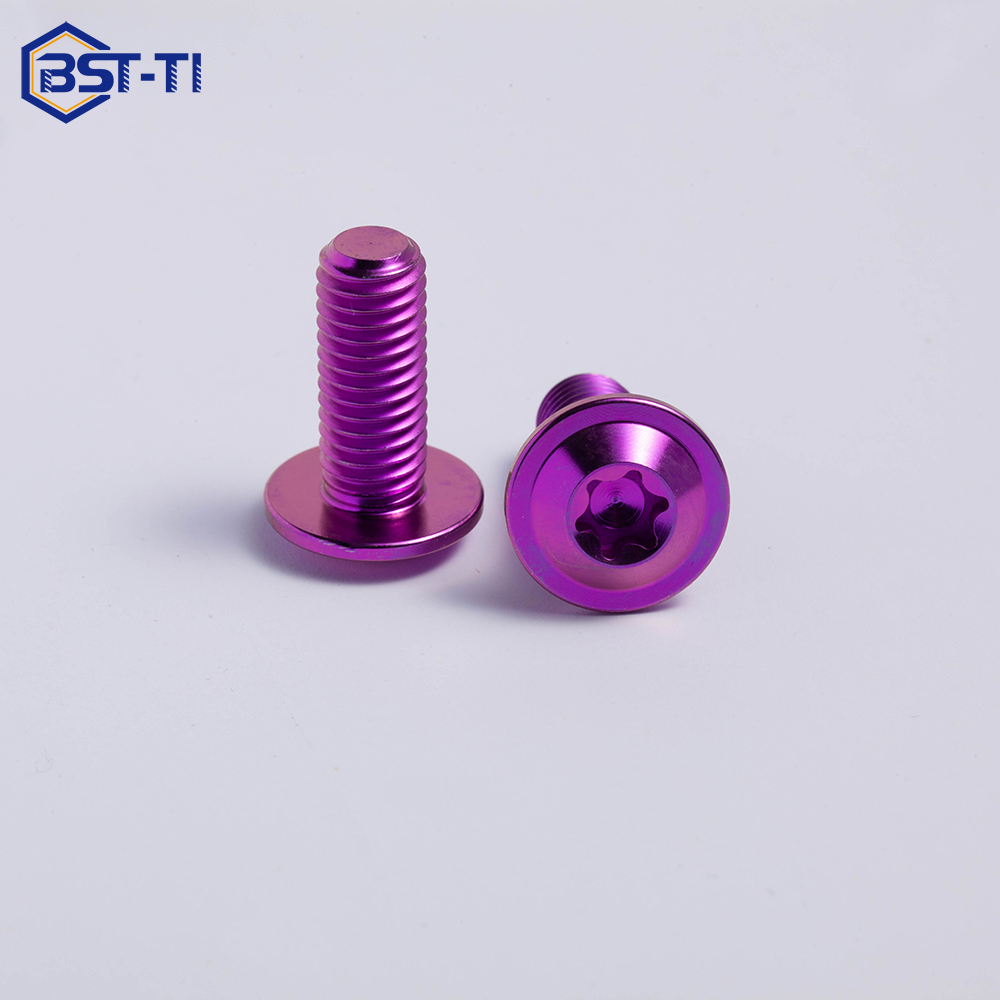
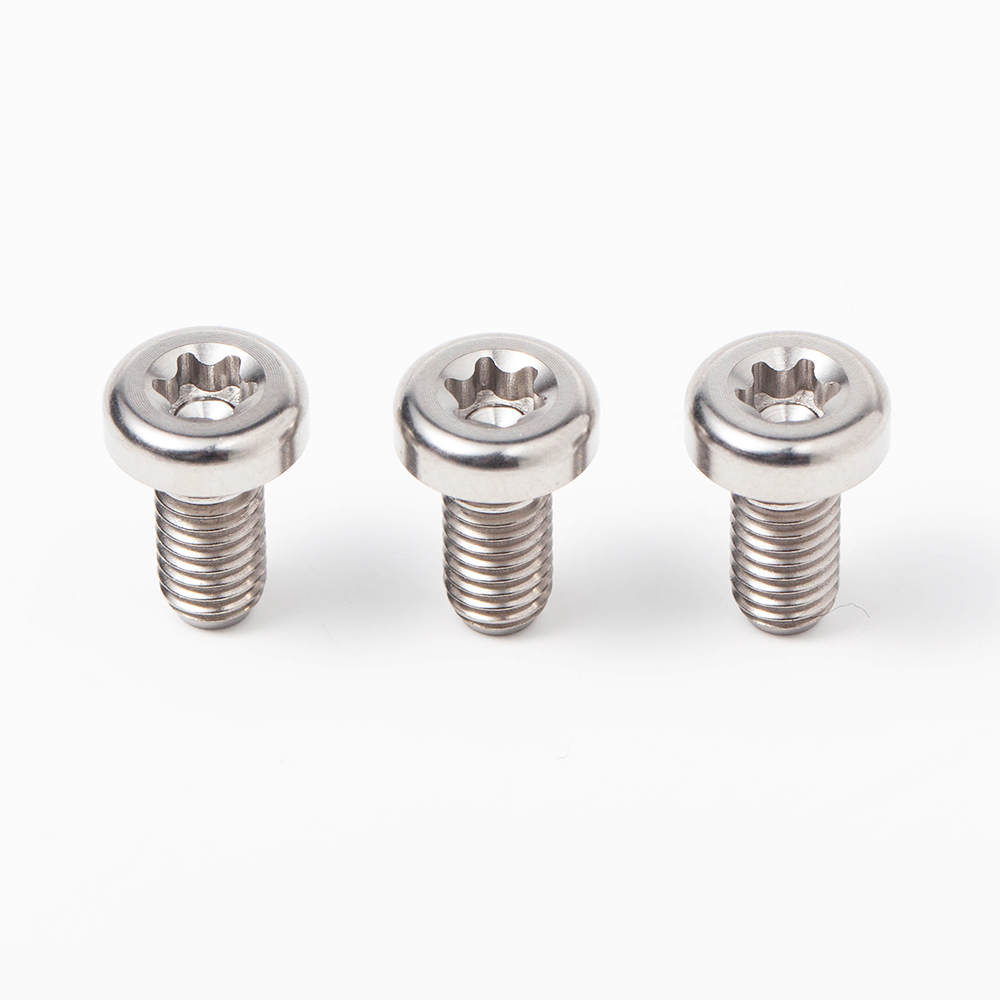
With Monaco serving as the home base for elite motorsport engineering and GT custom shops, our forged titanium connecting rods, rocker arms, and suspension uprights eliminate rotational inertia. Forged Grade 5 wheel lug hardware and disc rotor bolts withstand repeated 800°C brake rotor thermal transfer without losing clamping torque.
Pro Peloton Cycling & Ultra-Lightweight Aero Components
Monaco hosts the world's most concentrated community of UCI WorldTour professional cyclists. Our Grade 9 seamless cold-worked hydraulic tubes and forged Gr5 headset stems, brake rotor bolts, and rear sprocket bolts shed hundreds of grams of unsprung mass while surviving steep climbs up Col de la Madone.
High-Torque Subsea Robotics & Remote Actuators
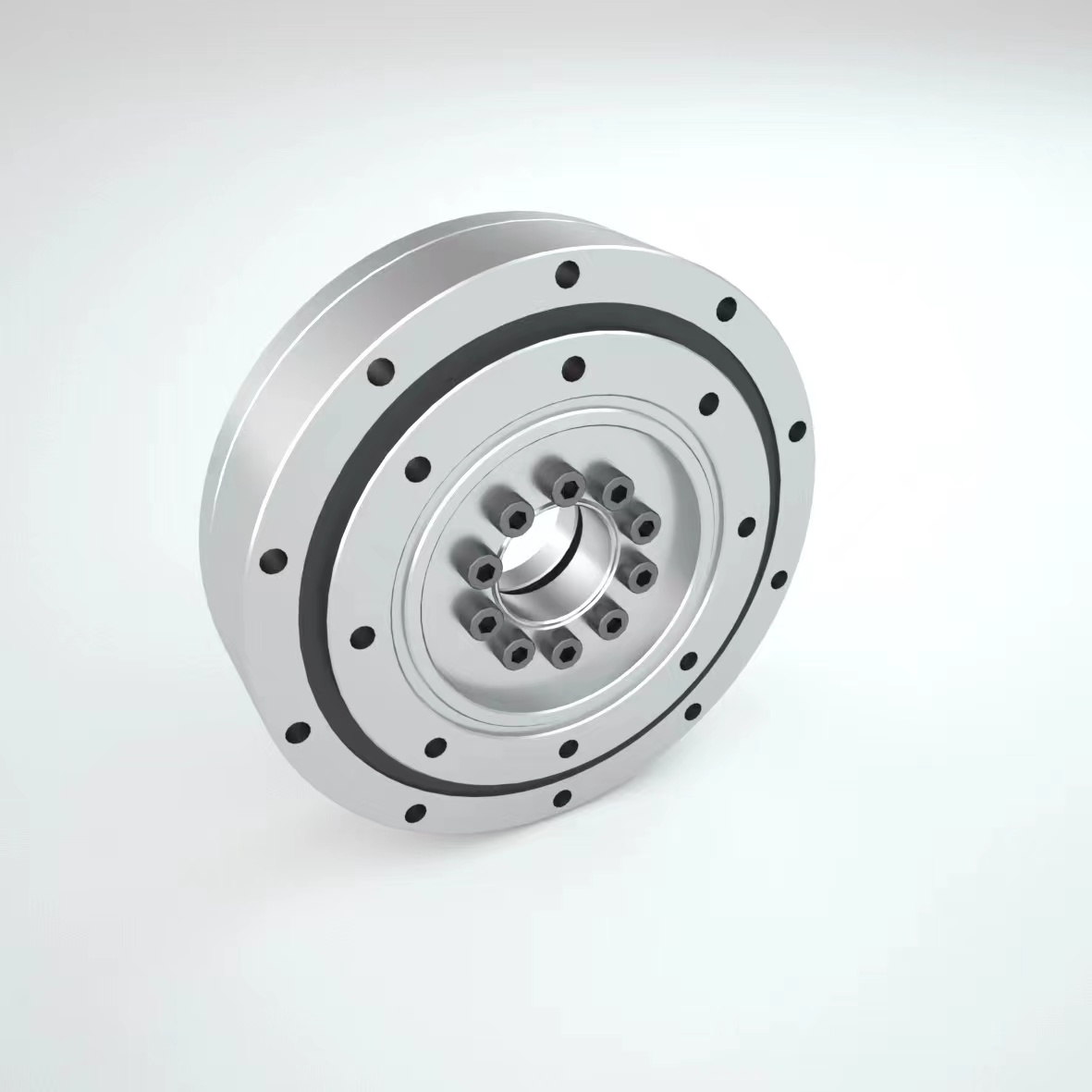
Marine research organizations, environmental seabed surveying teams, and superyacht tender cranes rely on our integrated harmonic drive gearboxes and forged wave generators. Combining extreme volumetric power density with titanium's non-magnetic signature ensures high reliability down to 3,000 meters ocean depth.
Aerospace & Elite Aviation Support in Nearby Nice/Cannes
Serving private aviation corridors adjacent to Monaco, our ISO 9001:2015 forging facility manufactures high-precision airframe bracket forgings, control rod end fittings, and jet exhaust fasteners verified via EN 10204 3.1 chemical inspection certificates and ultrasonic non-destructive testing (NDT).
Haute Horlogerie & Luxury Titanium Everyday Carry (EDC)
Monaco's ultra-luxury lifestyle sector demands biocompatibility, featherlight ergonomics, and satin anodized finishes. We fabricate forged titanium watch inner case blanks, micro-machined bezels, and bespoke titanium EDC tools that resist hypoallergenic skin reactions while maintaining a lustrous, durable finish.
2. Macro Trends Reshaping Titanium Sourcing in the Monaco Market
As the Principality of Monaco enforces stricter maritime sustainability regulations—spearheaded by the Prince Albert II of Monaco Foundation and Monaco Yacht Show environmental initiatives—engineering paradigms across the French Riviera are pivoting towards lifecycle material sustainability and decarbonization.
Trend A: The Decarbonization Mandate & Parasitic Weight Reduction in Megayachts
Superyacht naval architects are under severe regulatory pressure to reduce diesel auxiliary consumption and emissions. Every metric ton of deadweight removed from a 90-meter yacht's superstructure, radar mast, and tender davit equipment directly improves dynamic stability and lowers hydrodynamic drag. Replacing heavy stainless steel (density ~8.0 g/cm³) or brass fittings with forged Grade 5 titanium (density 4.43 g/cm³) delivers an immediate 44% reduction in structural hardware mass without requiring dimensional re-engineering, enabling naval engineers to install larger battery banks for zero-emission harbor cruising.
Trend B: Extreme Marine Hybrids & Zero-Maintenance Submerged Hardware
Routine maintenance in Monaco shipyards incurs exorbitant drydock labor costs. Stainless steel bolts immersed in seawater suffer from crevice corrosion underneath washers and bolt threads where oxygen is starved, necessitating frequent and expensive ultrasonic checks. Forged titanium, by contrast, forms a self-passivating ceramic-like oxide film within milliseconds even in low-oxygen environments. Monaco vessel managers are shifting entirely to forged titanium deck fittings and rudder pins to achieve a true "install-and-forget" 25-year service lifecycle.
Trend C: Digital Prototyping & Near-Net-Shape Forging Integration
Procurement teams in the Côte d'Azur region increasingly reject sluggish legacy casting processes with 16-week lead times. Wexra Titanium leverages finite element DEFORM simulation and closed-die near-net-shape (NNS) forging, reducing post-forge CNC cycle times by 65%. For European custom builders, this methodology delivers flight-ready, maritime-certified bespoke prototypes within 14 business days, accompanied by complete 3D CMM coordinate inspection reports.
Why Global & Monaco Buyers Partner with Wexra Titanium
Direct factory production located in Jiaxing's advanced manufacturing corridor, integrating forging presses, multi-axis CNC machining centers, and comprehensive European compliance protocols.
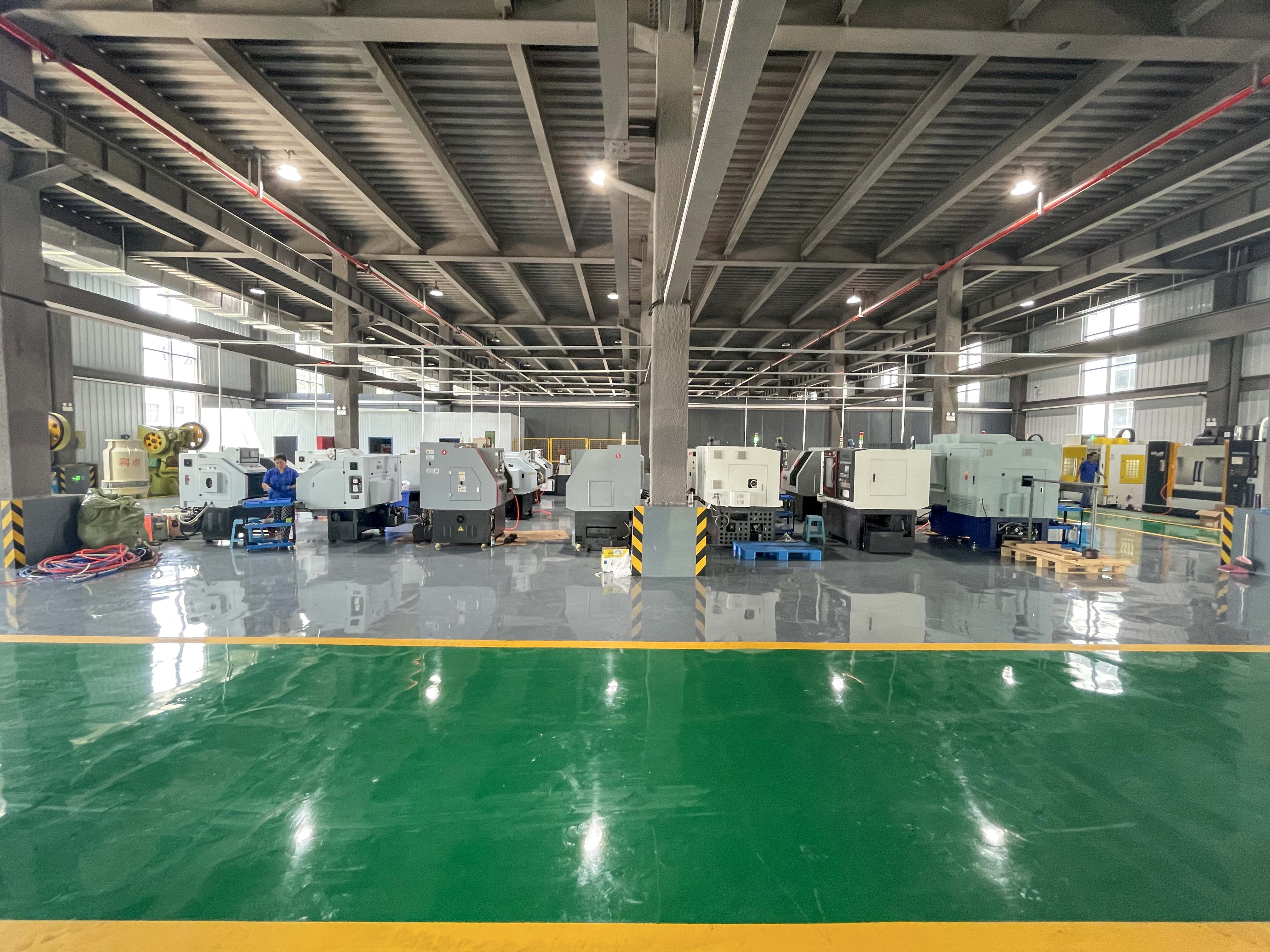
In-House Closed-Die Forging & CNC Turning
We operate dedicated friction screw forging presses, high-speed automated thread rolling machines, and 5-axis CNC machining centers capable of maintaining tolerances down to ±0.01 mm across complex titanium geometries.
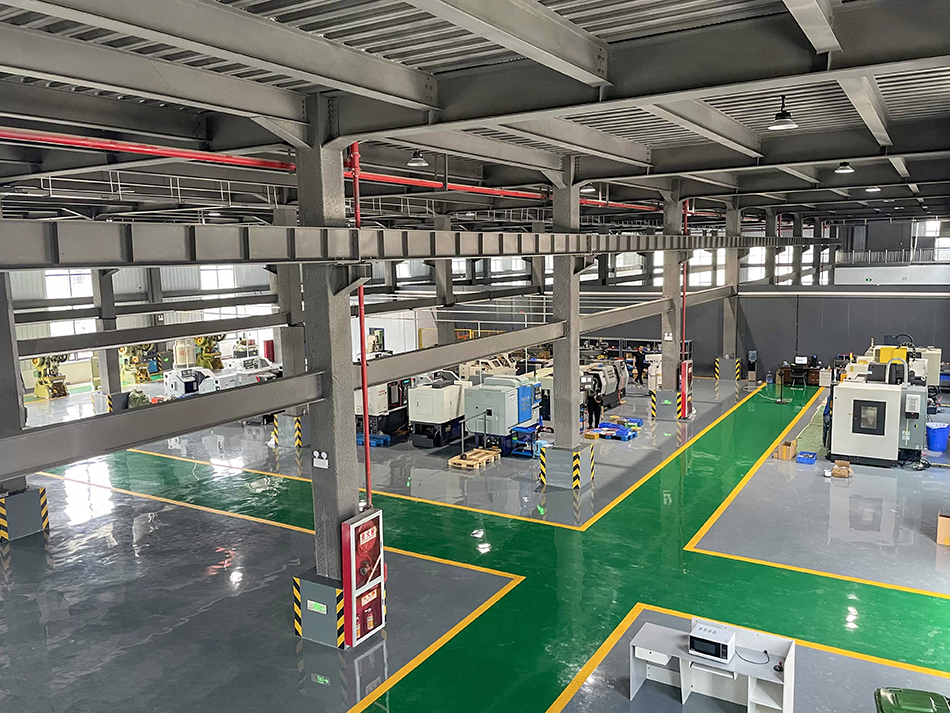
Thread Rolling for Supreme Fatigue Resistance
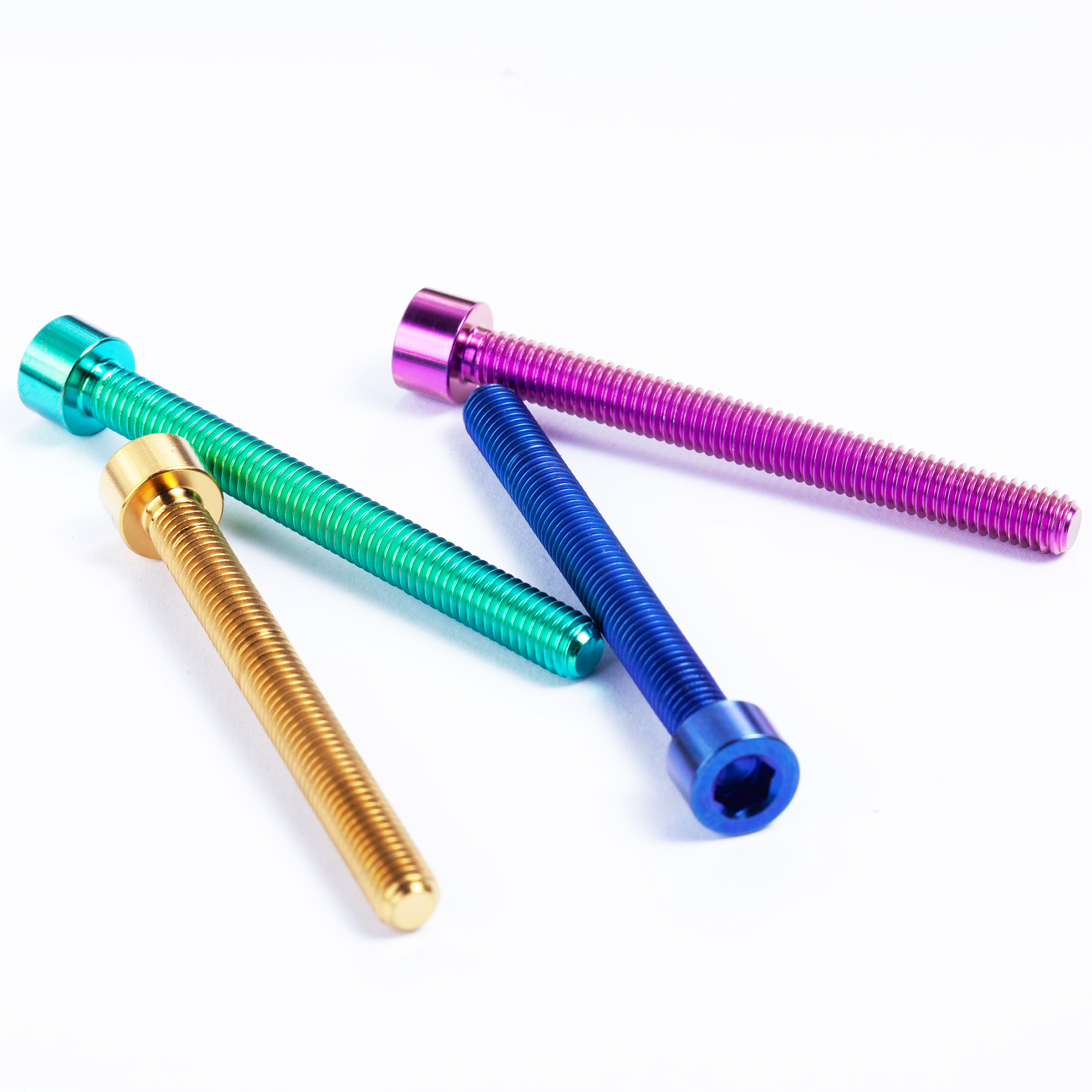
Unlike cut threads that tear internal metal fibers, our titanium fastener threads are cold- or warm-rolled under precise tonnage. This process generates beneficial compressive residual stresses on root radii, eliminating thread stripping under dynamic Monaco race conditions.
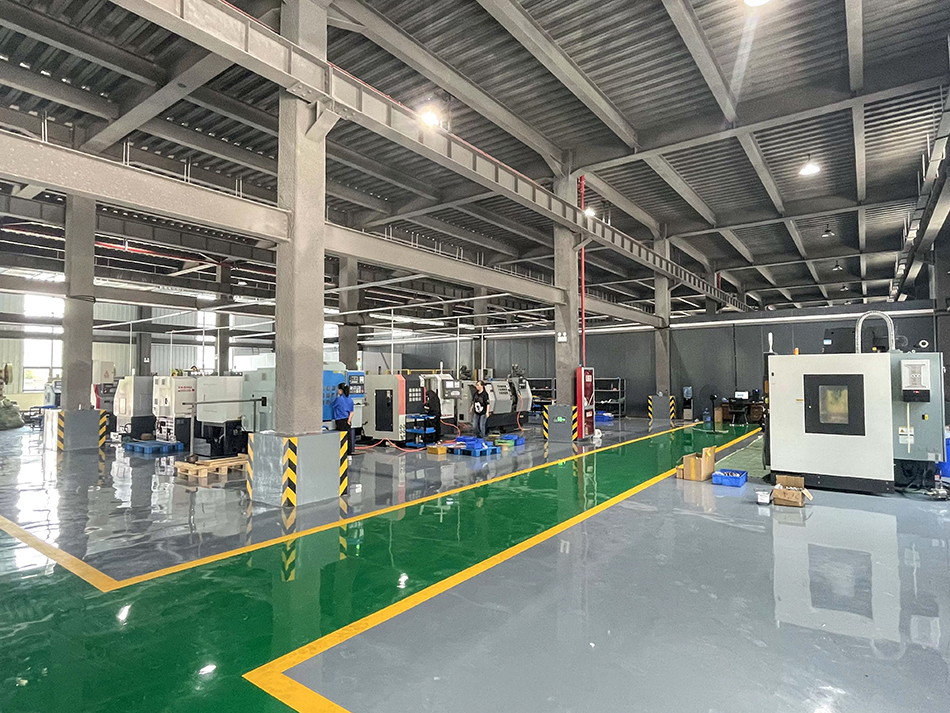
Spectrometry & Complete Chemical Traceability
Every heat batch of Grade 2, Grade 5, and Grade 9 bar stock undergoes optical emission spectrometry (OES) and interstitial gas analysis (O, N, H, C, Fe). We supply EN 10204 3.1 Mill Test Certificates (MTC) with full physical and chemical data.
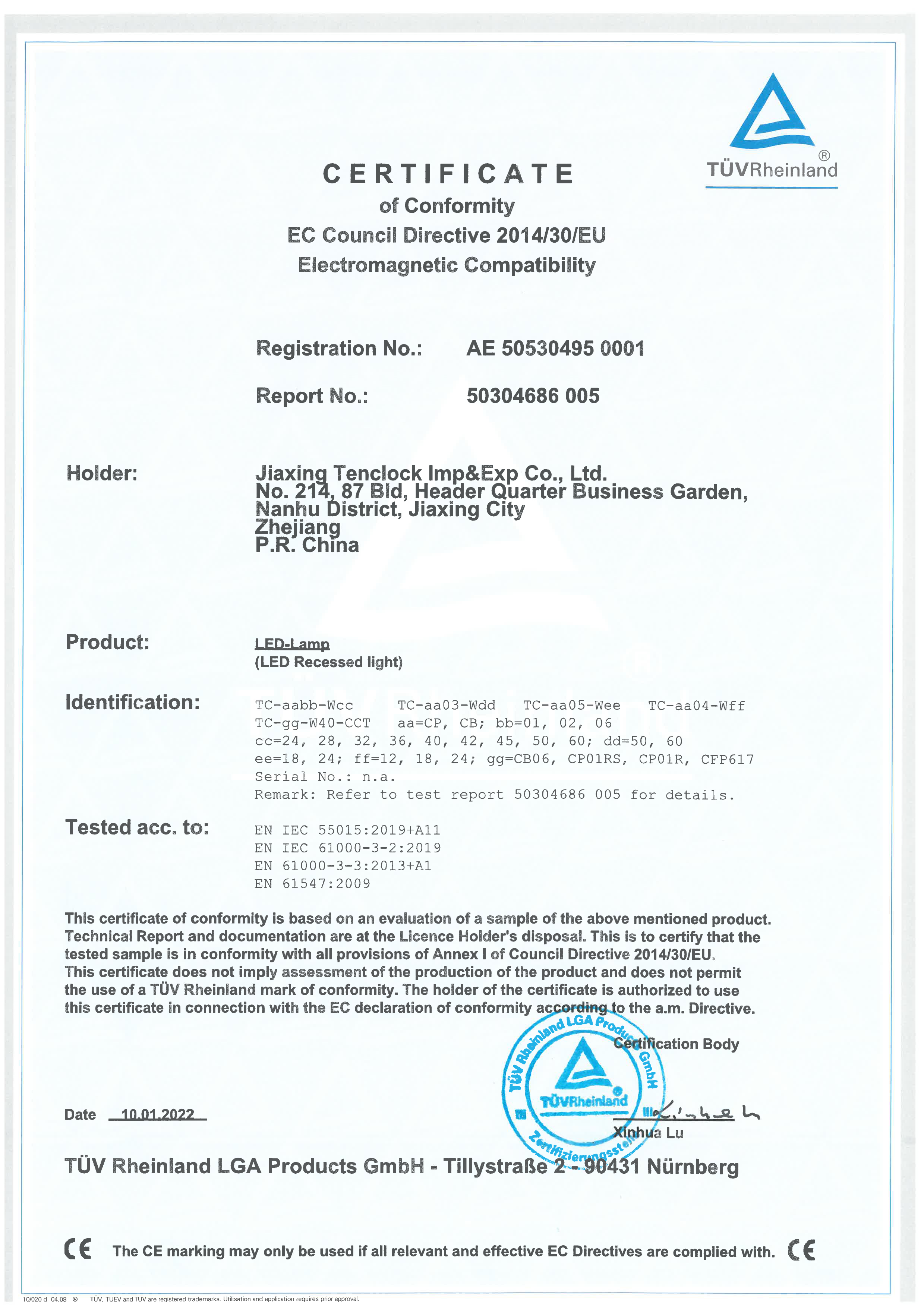
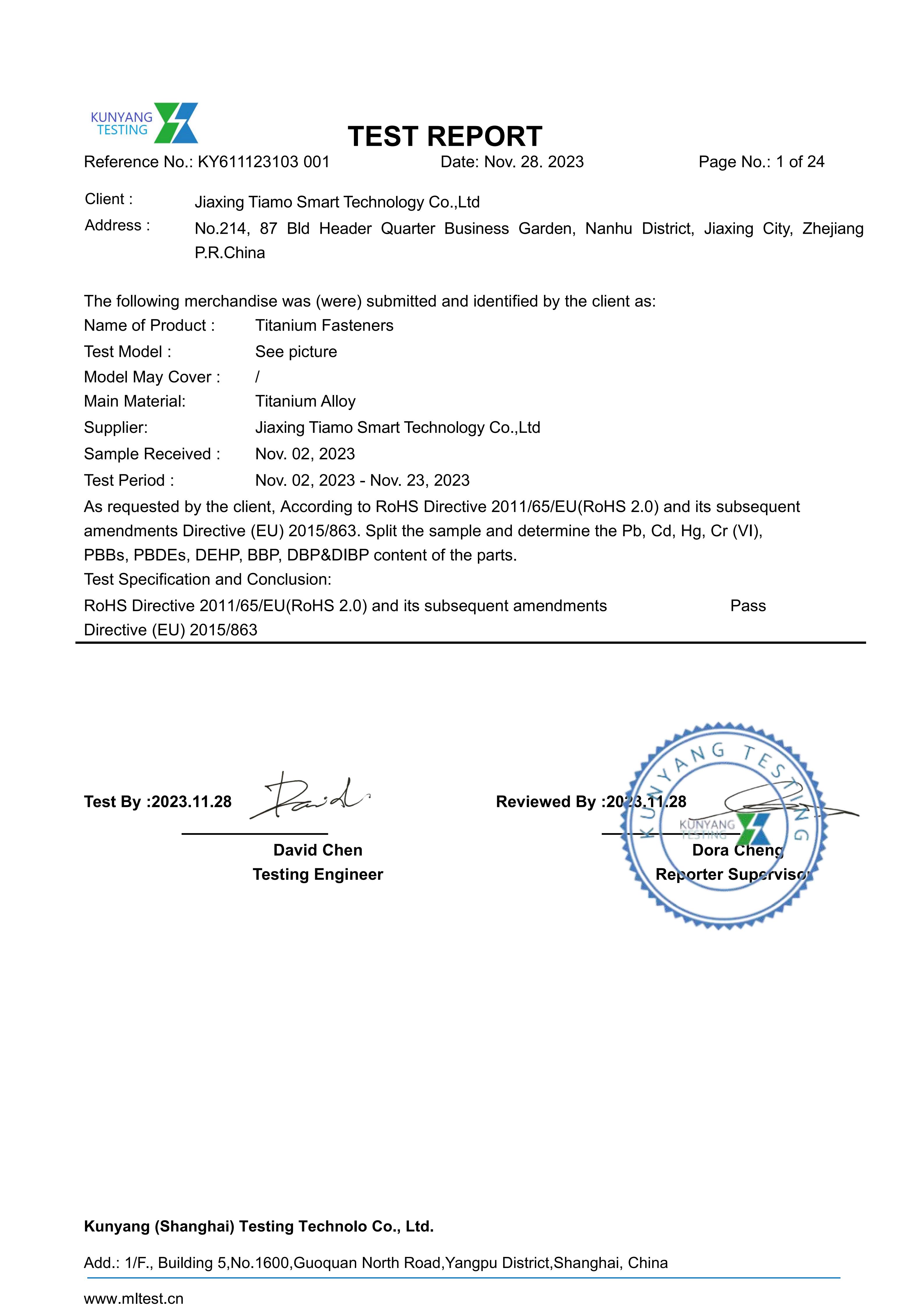
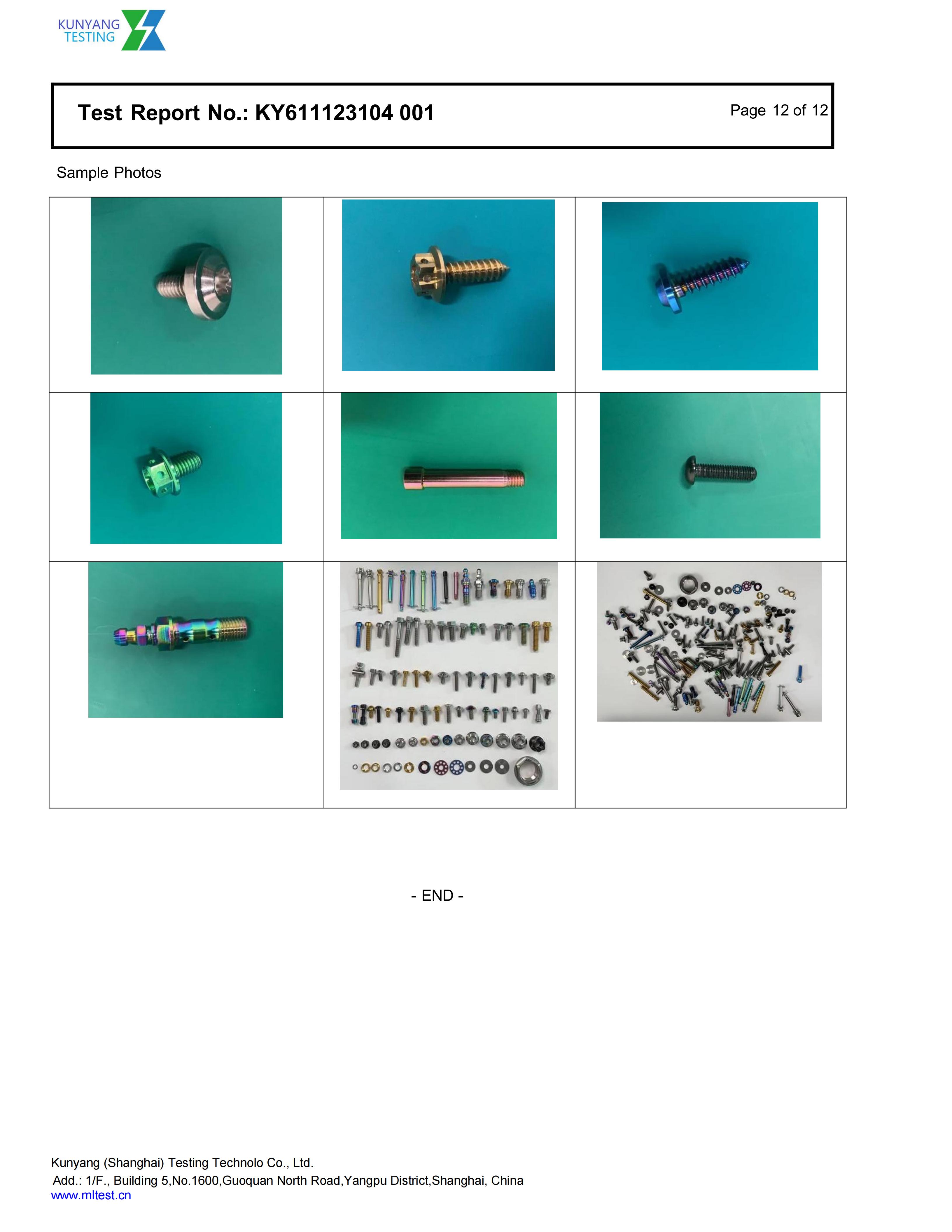
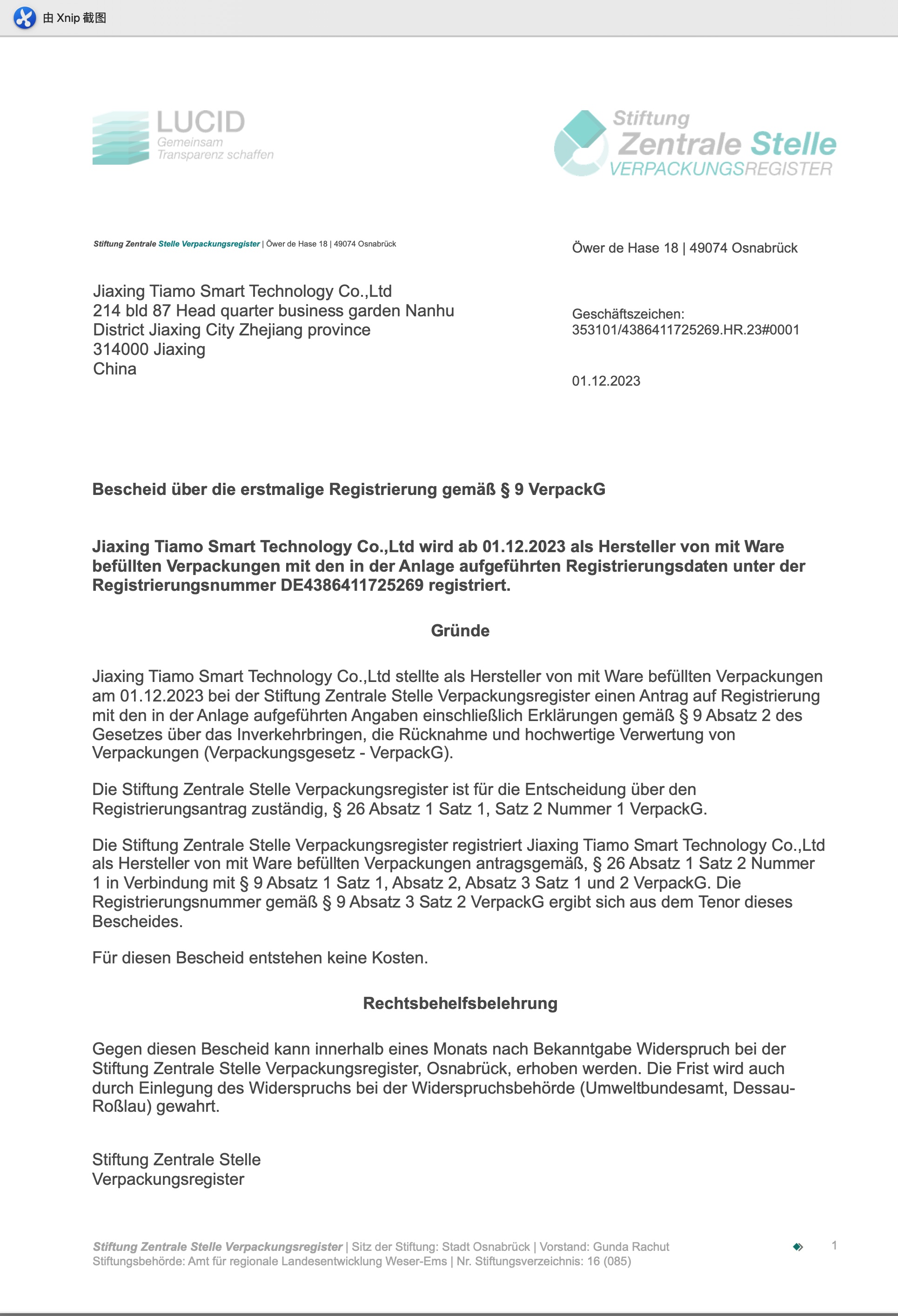
European Market Approvals & Certifications
Audited and verified against stringent international engineering, chemical safety, and packaging criteria.
Frequently Asked Questions by Monaco Sourcing Teams
Clear technical and commercial answers addressing freight logistics, alloy specification, galvanic corrosion, and custom batch sizes for project directors and supply chain managers.
This is one of titanium's greatest competitive advantages in maritime engineering. In the galvanic series, titanium and graphite/carbon fiber share almost identical open-circuit potentials in seawater (~0.00 to +0.10V vs. SCE). While aluminum or standard stainless steel suffers catastrophic galvanic oxidation when in contact with carbon fiber, forged Grade 5 titanium exhibits virtually zero galvanic potential differential. It is the premier metallic material for structural inserts, foil linkages, and rudder mounts bonded directly into carbon fiber laminates.
Titanium's passive oxide layer can rupture under intense contact pressure, leading to dry micro-welding or galling. To prevent this during Monaco shipyard or pit-lane installations, we recommend three proven industrial methods: (1) Applying an anti-seize lubricant containing MoS&sub2; (molybdenum disulfide) or high-purity copper/nickel paste; (2) Specifying our micro-arc oxidation (MAO) or specialized ceramic hard-anodizing treatment; or (3) Pairing Grade 5 forged male bolts with Grade 2 or aluminum bronze mating nuts, which provides a mismatched hardness differential that eliminates thread binding.
Yes. We specialize in agile OEM/ODM turnkey production. You can submit your 3D STEP, IGES, or SolidWorks models along with 2D technical drawings specifying GD&T limits. Our engineering department conducts preliminary DFM (Design for Manufacturability) within 24 hours. For emergency yacht repairs or racing updates, we can machine precision prototypes from billet, validate dimensional fit, and transition immediately into hydraulic closed-die tooling for batch runs.
Deliveries into the Principality of Monaco are governed under the Franco-Monegasque Customs Union, sharing customs procedures with France. We routinely ship via expedited air-courier (DHL Express, FedEx, UPS) and dedicated air freight to Nice Côte d'Azur International Airport (NCE), with transit times of 3 to 5 business days. All shipments include proper HS code classifications (such as 8108.90 for wrought titanium articles and 7318 for high-strength fasteners), commercial invoices, packaging declarations, and EN 10204 3.1 mill inspection certificates for frictionless clearance.
Every production lot is documented under our certified ISO 9001:2015 management system. Upon dispatch, buyers receive an exhaustive Quality Dossier containing: (1) Complete Raw Material MTC indicating melt origin and chemical breakdown; (2) Mechanical tensile, yield, and elongation test records; (3) 100% thread-pitch and go/no-go gauge inspection reports; (4) Coordinate Measuring Machine (CMM) dimensional verification; and (5) RoHS/REACH SVHC non-containment compliance declarations.
Accelerate Your Engineering with Monaco-Ready Forged Titanium
Whether you are engineering a custom 120-meter yacht mast assembly, reducing unsprung mass for a Grand Prix team, or developing subsea robotic actuators, our metallurgical engineers are ready to analyze your technical drawings and provide a competitive manufacturing quotation.
Send an Inquiry