Engineered Titanium Components & Assembly Systems
Explore our certified range of high-performance titanium alloy fasteners, precision wave reducers, and customized hardware engineered to withstand severe marine and aggressive chemical environments across Latvia.
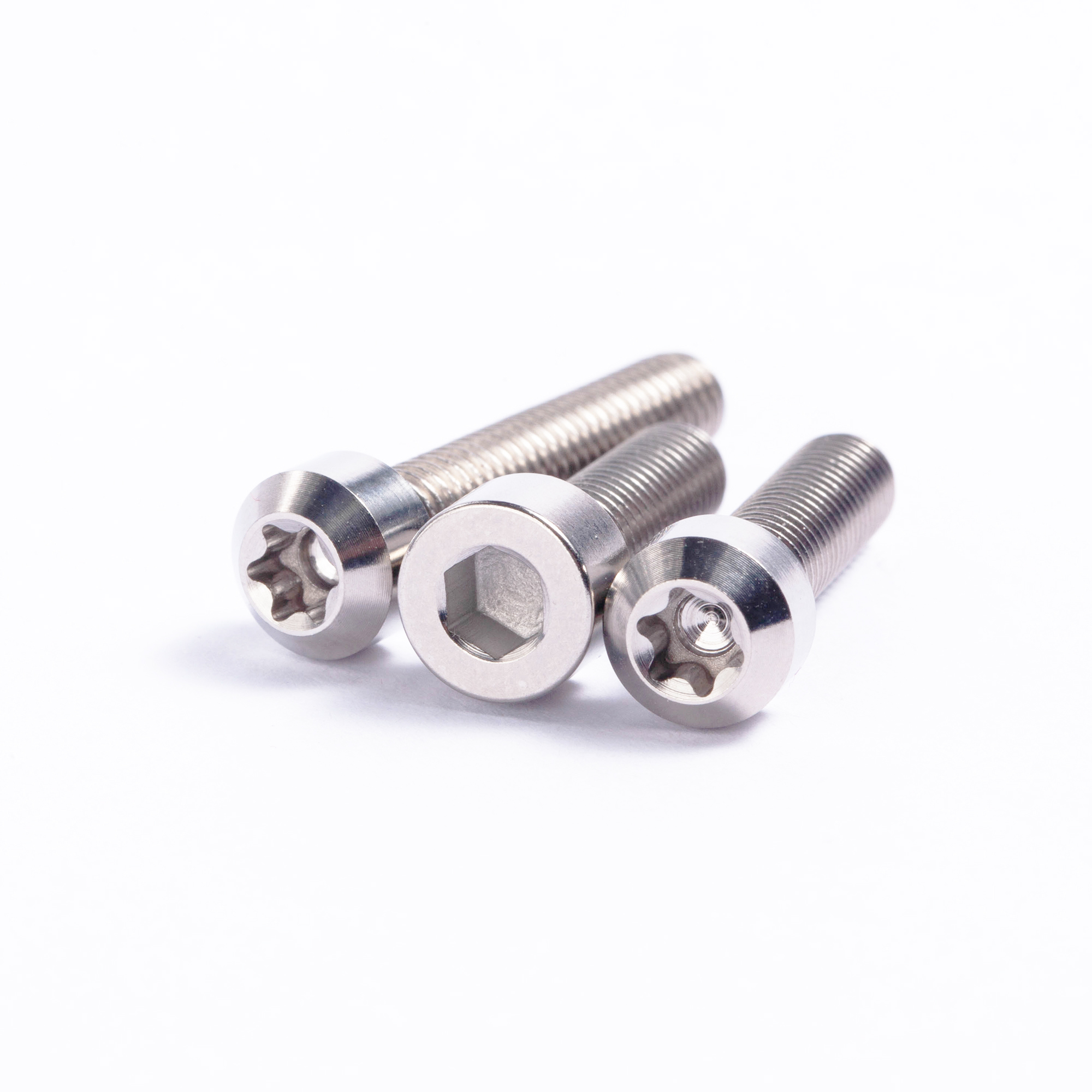
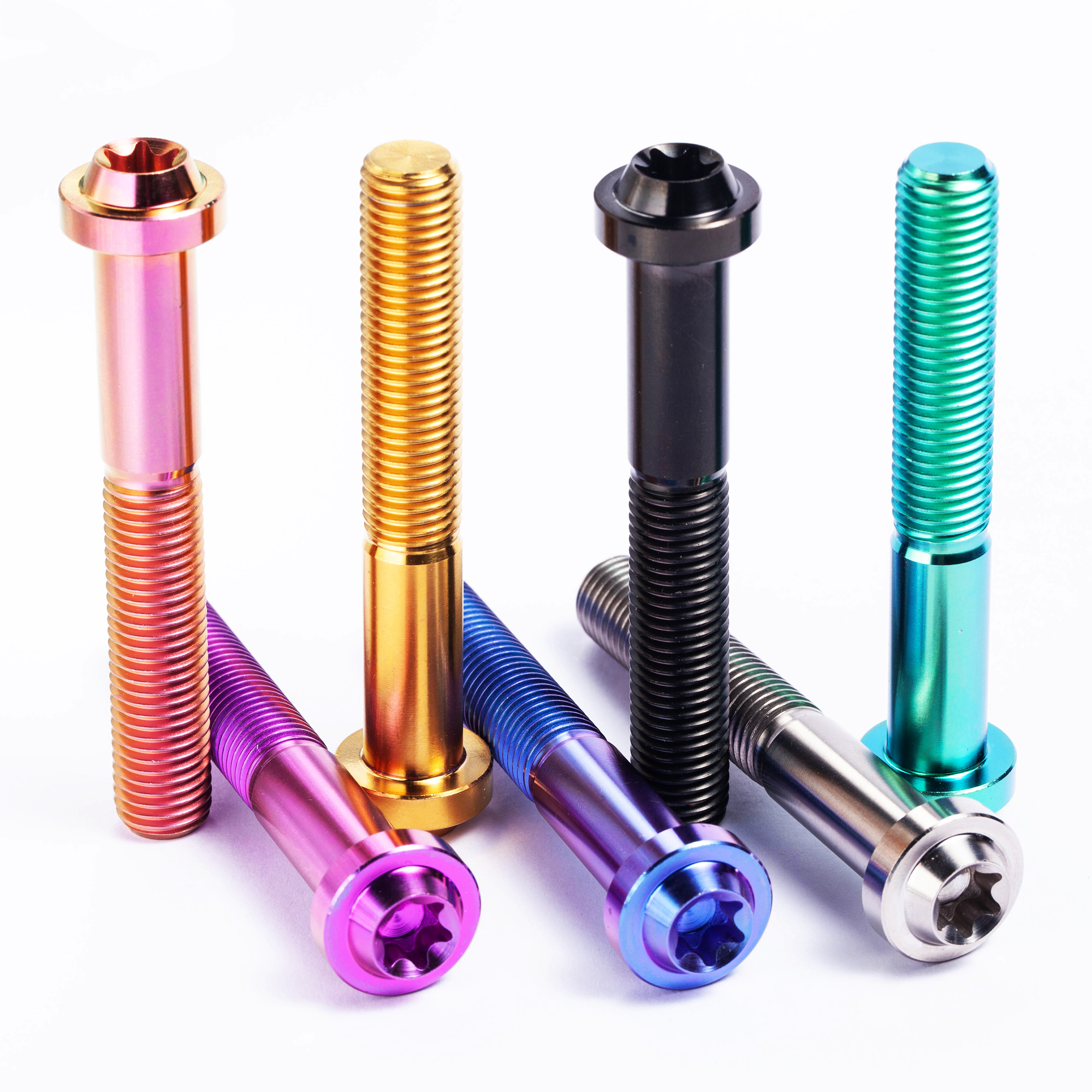
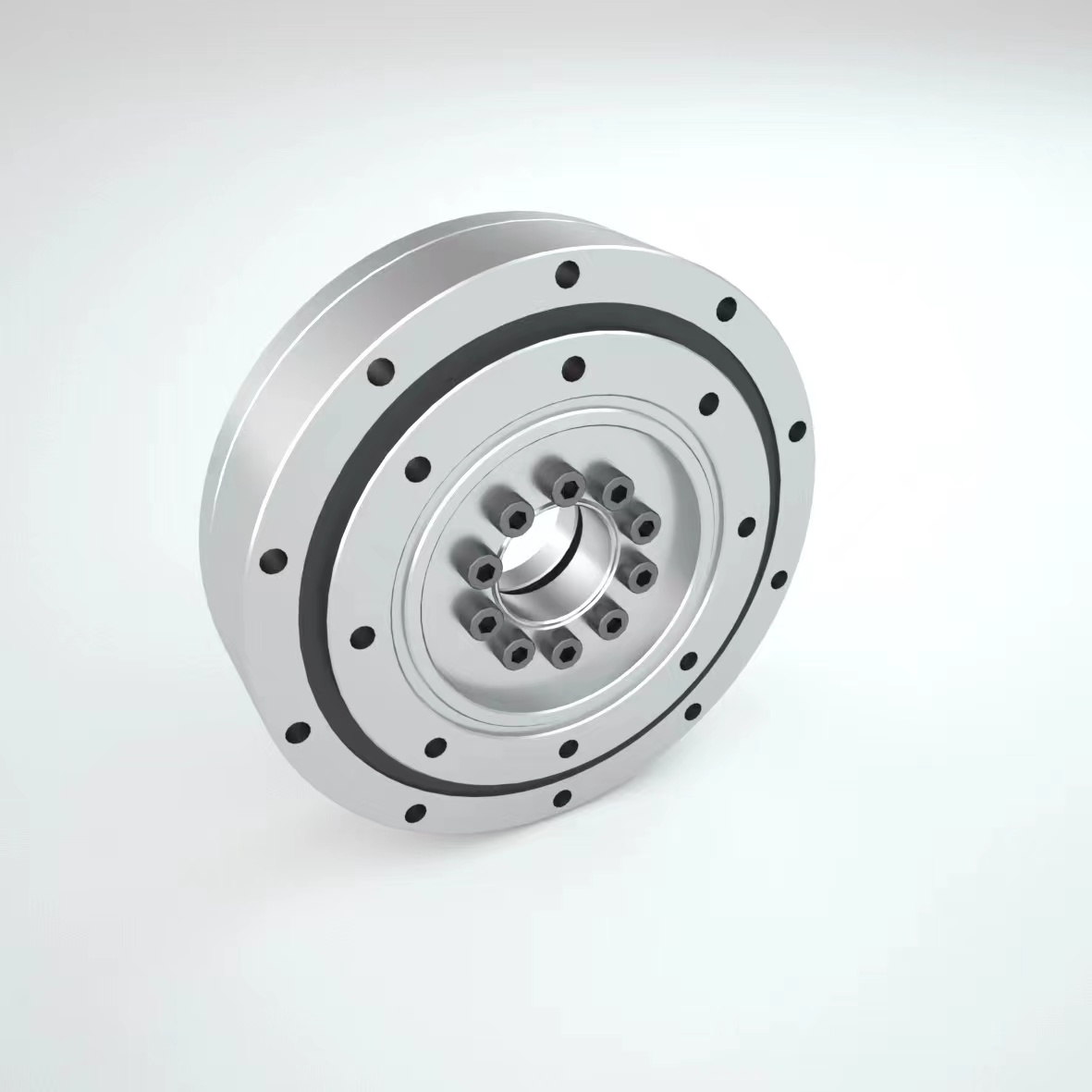
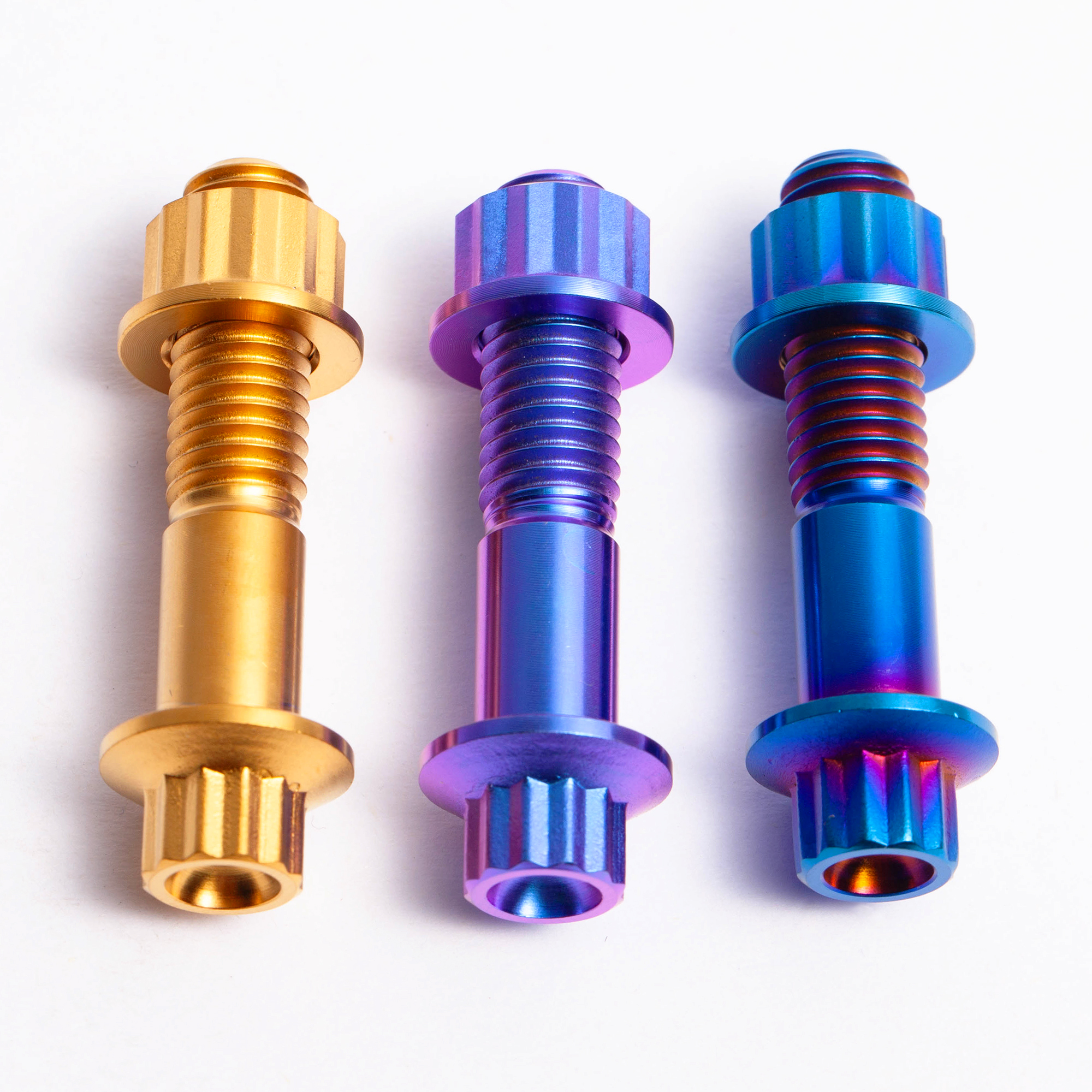
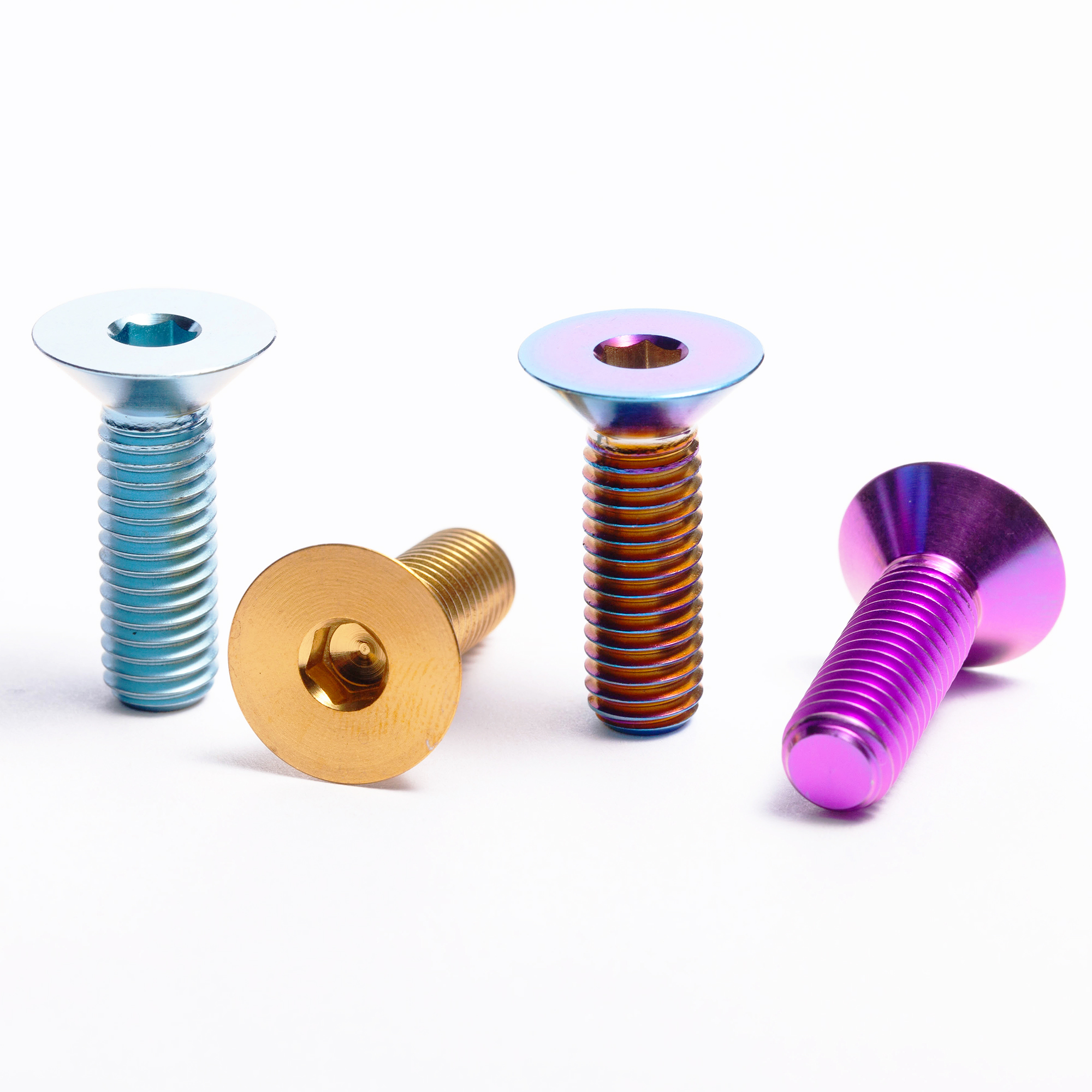
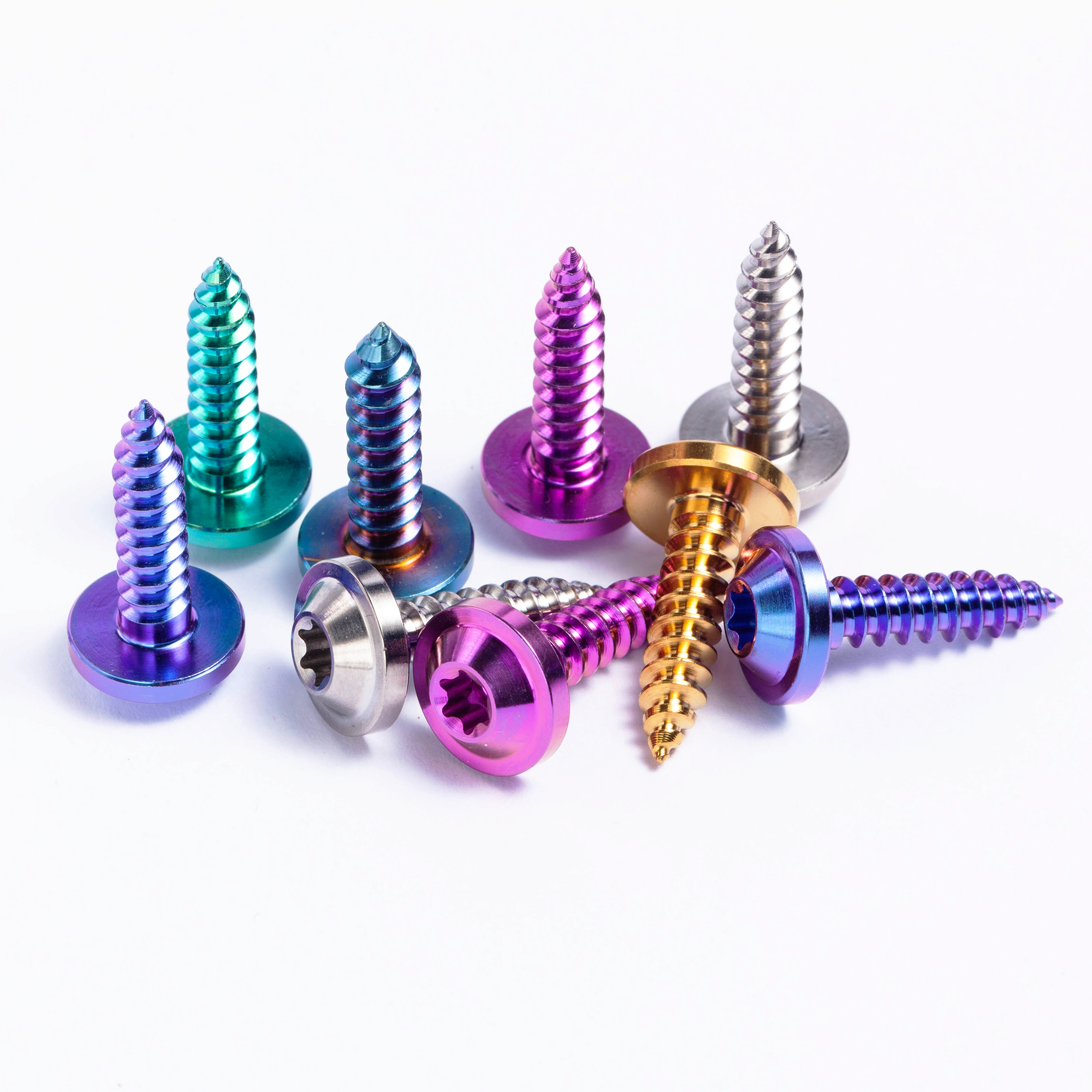
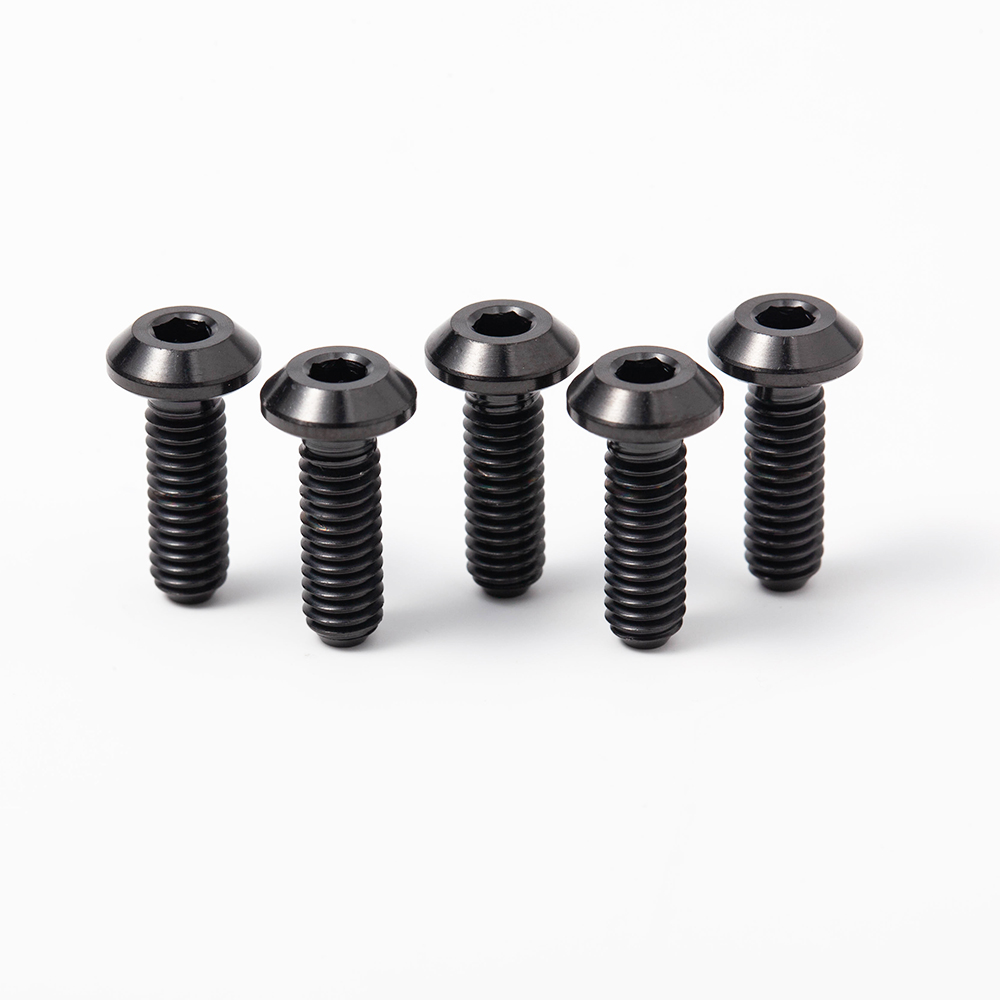
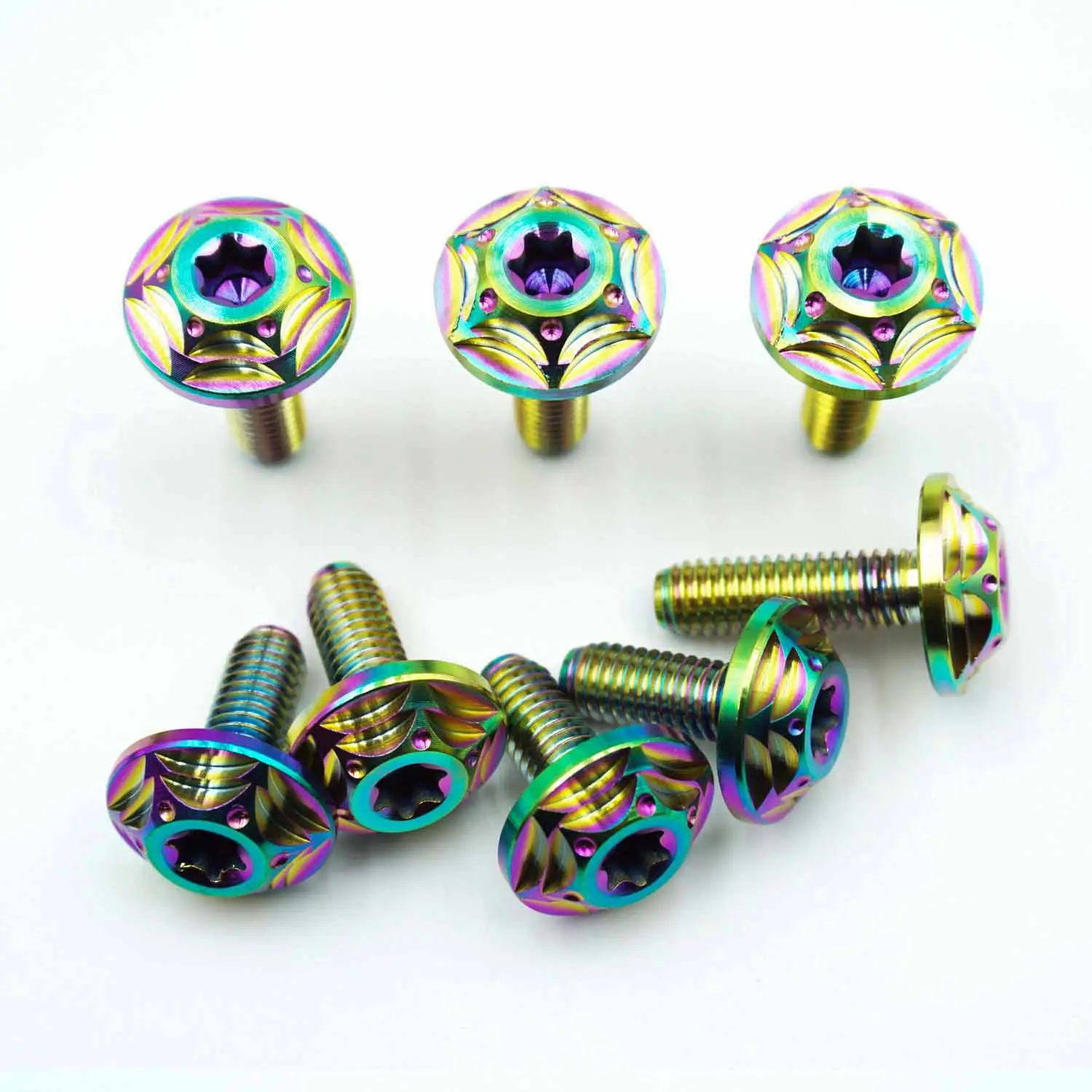
Comprehensive Engineering Analysis: The Strategic Role of Titanium in Latvia's Industrial Thermal Ecosystem
Latvia sits at a vital geopolitical and logistic crossroads within the Baltic Rim. Its commercial focus spans marine transit corridors along the Gulf of Riga, modern chemical hubs in Olaine, district heating across Riga, and expanding food and beverage processing clusters in Jelgava and Valmiera. Operating heat exchange systems in the Baltic environment requires rigorous attention to aggressive atmospheric, thermal, and chemical stress profiles.
Industrial thermal transfer hardware installed along Latvia's maritime boundary regularly battles cold Baltic seawater, brackish estuarine discharge from the Daugava River, and harsh sub-zero winter temperatures. Conventional copper-nickel alloys and standard AISI 304/316 austenitic stainless steels succumb to pitting and crevice corrosion under cyclic thermal stress, heightened chloride concentrations, and galvanic exposure. Titanium, especially Commercially Pure Grade 2 (ASTM B265 / B338) and Alpha-Beta Grade 5 (Ti-6Al-4V, ASTM B348), forms an inert, self-repairing titanium dioxide (TiO2) rutile film upon contact with oxygen. This thin passivation layer delivers complete immunity to ambient chlorides, microbiologically induced corrosion (MIC), and cavitation erosion, guaranteeing uninterrupted heat transfer throughout extended operational lifecycles.
As Latvia synchronizes its energy architecture with the European Green Deal and accelerates industrial decarbonization, plant operators demand heat exchange units with minimized fouling coefficients and minimal maintenance downtime. Jiaxing Wexra Titanium Products Co., Ltd. supplies high-purity titanium raw materials, seamless heat exchanger tubing, custom CNC-machined tube-sheet assemblies, and corrosion-proof structural tie-rods that satisfy these stringent operational criteria.
Local Application Scenarios in Latvia: Where Titanium Heat Transfer Drives Maximum ROI
Baltic Marine & Shipbuilding
The ice-free ports of Ventspils, Liepāja, and Riga host active ship repair yards and cargo terminals. Titanium plate-and-frame and shell-and-tube exchangers serve as main engine jacket water coolers and marine scrubbers, resisting brackish sea-river water mixing without corrosion failure.
Chemical & Pharmaceutical Plants
Latvia's specialty chemicals and pharmaceutical hubs in Olaine handle aggressive organic solvents, active pharmaceutical ingredients (APIs), and acidic reagents. Gr2/Gr7 titanium exchangers guarantee zero product contamination and survive low-pH reaction cycles.
Geothermal & District Energy
Municipal heating providers in Riga and Vidzeme utilize deep geothermal extraction and industrial flue gas condensing economizers. Titanium tubes prevent scaling and pitting from dissolved hydrogen sulfide (H2S) and acidic Baltic condensates.
Comparative Technical Matrix: Titanium vs. Common Industrial Alloys in Baltic Conditions
Material selection for Baltic thermal facilities must balance mechanical yield, mass reduction, thermodynamic stability, and long-term operating costs. The table below outlines empirical performance benchmarks for specifying heat exchanger envelopes and their accompanying fasteners:
| Alloy Specification | Yield Strength (MPa) | Density (g/cm³) | Resistance to Baltic Seawater Pitting | Thermal Conductivity (W/m·K) | Primary Industrial Role in Latvia |
|---|---|---|---|---|---|
| Titanium Grade 2 (CP) | ≥ 275 - 345 | 4.51 | Immune (PREN > 40 eq.) | 21.6 | Plate heat exchanger plates, welded tubing, condenser tubes |
| Titanium Grade 5 (Ti-6Al-4V) | ≥ 828 - 895 | 4.43 | Immune to general & stress cracking | 6.7 | Structural tie-bars, high-pressure flanges, vibration-proof fasteners |
| Super Duplex (UNS S32750) | ≥ 550 | 7.80 | High (Susceptible in static crevices) | 15.0 | Heavy offshore pressure vessels, process line manifolds |
| Stainless Steel 316L | ≥ 220 | 7.98 | Poor (High risk of pitting > 25°C) | 16.3 | Low-temperature inland closed-loop domestic plumbing |
| Copper-Nickel (CuNi 90/10) | ≥ 105 | 8.90 | Moderate (Erodes at flow > 2.5 m/s) | 45.0 | Traditional shipboard engine coolers (phased out for titanium) |
Titanium Grade 2 delivers lower thermal conductivity than copper alloys, yet its structural integrity permits engineers to design tubes with ultra-thin walls (0.5 mm to 0.7 mm). Coupled with exceptional surface tension properties that resist biological fouling, titanium units achieve equal or superior overall heat transfer coefficients (U-values) compared to thick-walled copper or duplex steel setups.
Emerging Industrial & Decarbonization Trends in Latvia
Latvia's manufacturing sector is transforming rapidly, pushed by EU decarbonization directives and structural shifts toward energy autonomy:
Flue Gas Heat Recovery
Latvia leads Northern Europe in biomass-fueled district heating. Modernizing combined heat and power (CHP) installations requires condensing flue-gas scrubbers. Highly acidic condensates loaded with sulfur and nitrous traces quickly destroy steel units, making Titanium Gr2 and Gr7 tube-banks the engineering benchmark for long-term heat recovery.
Recirculating Aquaculture Systems (RAS)
Cold-water commercial aquaculture around the Kurzeme coast uses Recirculating Aquaculture Systems (RAS). Heating and cooling sensitive seawater loops demands non-toxic, chemically inert heat exchangers. Pure titanium prevents copper and nickel ion leakage that could harm aquatic life, satisfying stringent biosecurity laws.
Green Hydrogen & Power-to-X
With massive wind development planned for the Gulf of Riga, green hydrogen and synthetic fuel plants are advancing through feasibility phases. PEM and alkaline electrolyzers generate high heat loads and handle acidic or caustic electrolytes, relying on titanium heat exchangers for dependable heat balance.
Why Partner with Wexra Titanium: Global Manufacturing Precision
Jiaxing Wexra Titanium Products Co., Ltd. delivers world-class titanium engineering directly to commercial buyers and technical contractors across Latvia. Our operations provide unmatched manufacturing depth and quality assurance:
Every titanium billet, sheet, and seamless tube originates from premium sponge titanium. We supply full 3.1 Mill Test Certificates (MTC) documenting chemical composition and mechanical properties.
Our workshop houses high-speed 4-axis and 5-axis CNC machining centers, automated thread-rolling lines, and high-precision laser profiling units capable of maintaining tight tolerances down to ±0.01 mm.
Our facility runs under an audited ISO 9001:2015 management system. Every order undergoes automated optical inspection, thread-gauge calibration, and comprehensive metallurgical testing before dispatch.
We comply fully with European industrial requirements, providing RoHS, REACH, CE, and German EPR compliance documentation to streamline customs clearance across the Baltic region.
Frequently Asked Questions: Sourcing Titanium Heat Transfer Hardware in Latvia
Why is Titanium Grade 2 preferred over Grade 5 for heat exchanger plates and tubes?
Commercially Pure Grade 2 titanium offers exceptional formability, high elongation, and superior weldability, making it ideal for deep drawing into corrugated heat exchanger plates and drawing into seamless thin-walled tubes. Grade 5 (Ti-6Al-4V) features double the tensile strength but is significantly stiffer, making it optimal for high-load structural fasteners, tie-bolts, and high-pressure inlet manifolds rather than formed heat transfer surfaces.
How does Wexra prevent galling in titanium bolt assemblies under cyclic vibration?
Titanium alloys can gall during rapid thread engagement due to friction. Wexra solves this through precision thread rolling (which creates continuous grain lines and work-hardened surfaces), tight tolerance control, and protective anodizing or micro-arc oxidation treatments. We also advise engineering teams on proper molybdenum disulfide and nickel-based anti-seize lubricants for Baltic installations.
What documentation accompanies titanium shipments to Riga, Ventspils, or Liepāja?
Every shipment includes an EN 10204 3.1 inspection certificate confirming chemical composition and mechanical tensile and yield metrics. We also supply dimensional inspection logs, surface roughness reports, and RoHS/REACH declarations to ensure smooth customs processing into Latvia and the wider EU single market.
Can Wexra fabricate custom titanium tube sheets and flanged connectors from 2D/3D models?
Yes. Our engineering division works directly from CAD/CAM models (.STEP, .IGES, .DWG, .PDF). We manufacture custom titanium tube sheets, baffles, sensor sleeves, and specialized high-pressure hardware, from single prototypes to repeatable mass-production batches.
Build Resilient, Corrosion-Free Thermal Systems for Latvia
Whether you are designing a seawater-cooled marine heat exchanger, upgrading district heating recovery, or sourcing certified Gr2/Gr5 titanium fasteners, our engineering team is ready to deliver competitive pricing, full technical verification, and prompt global shipping.
Inquire Now