Automotive Hub
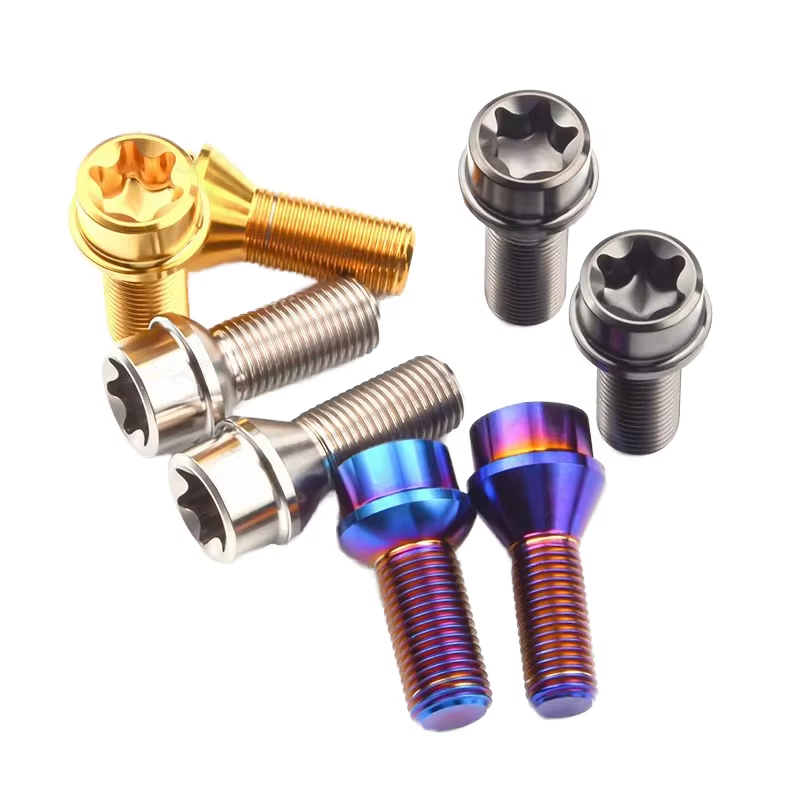
Titanium Gr5 Hex Flange Wheel Lug Bolts
M6 to M12 aerospace-grade forged flanged wheel lug studs engineered to withstand rotational shear and harsh de-icing chemicals.
Engineered from certified Ti-6Al-4V bar stock to replace failure-prone structural hardware under demanding vibrational, dynamic, and hyper-saline loads.
M6 to M12 aerospace-grade forged flanged wheel lug studs engineered to withstand rotational shear and harsh de-icing chemicals.
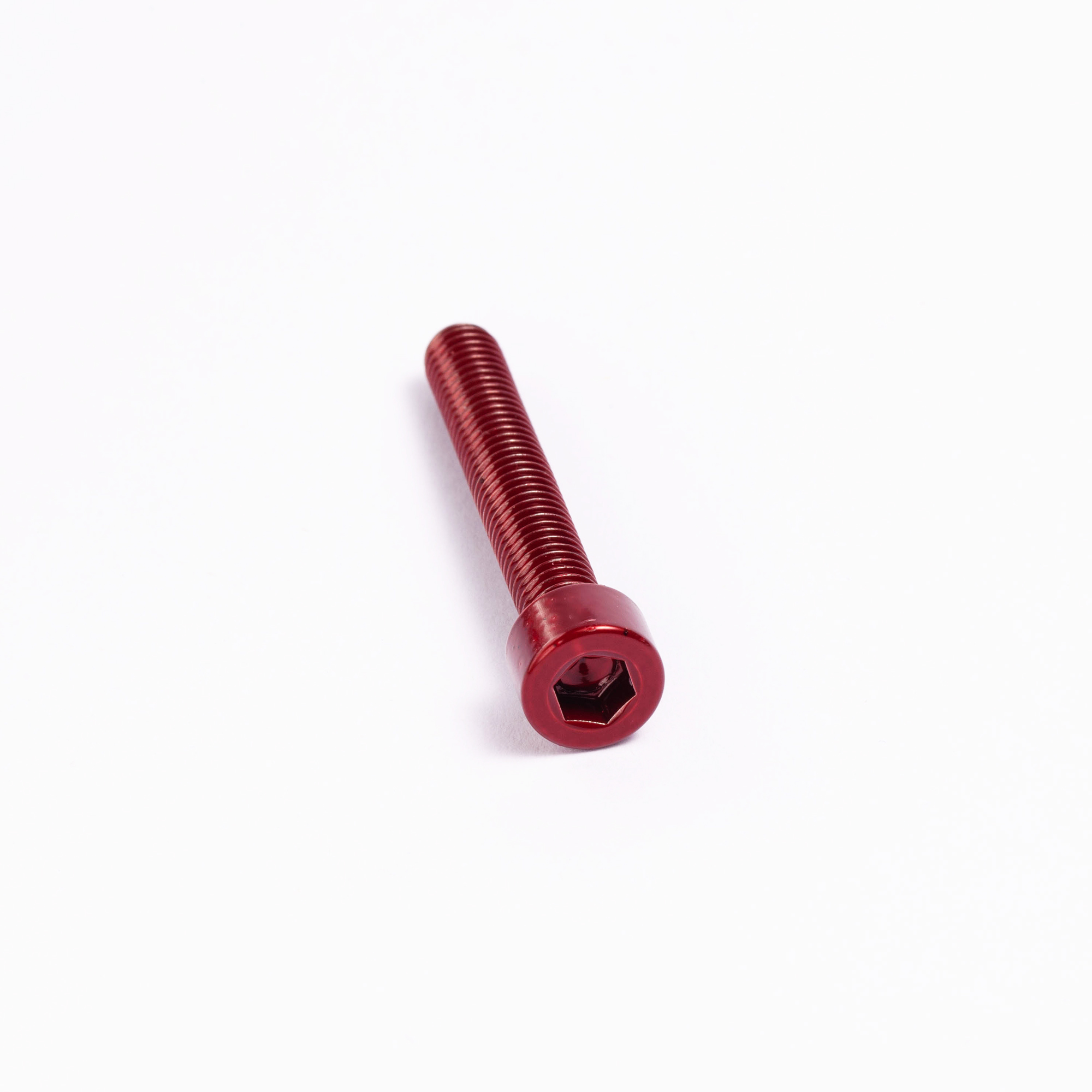
High-tensile Grade 5 socket hardware designed specifically for heavy-duty braking calipers, offering thermal barrier properties.
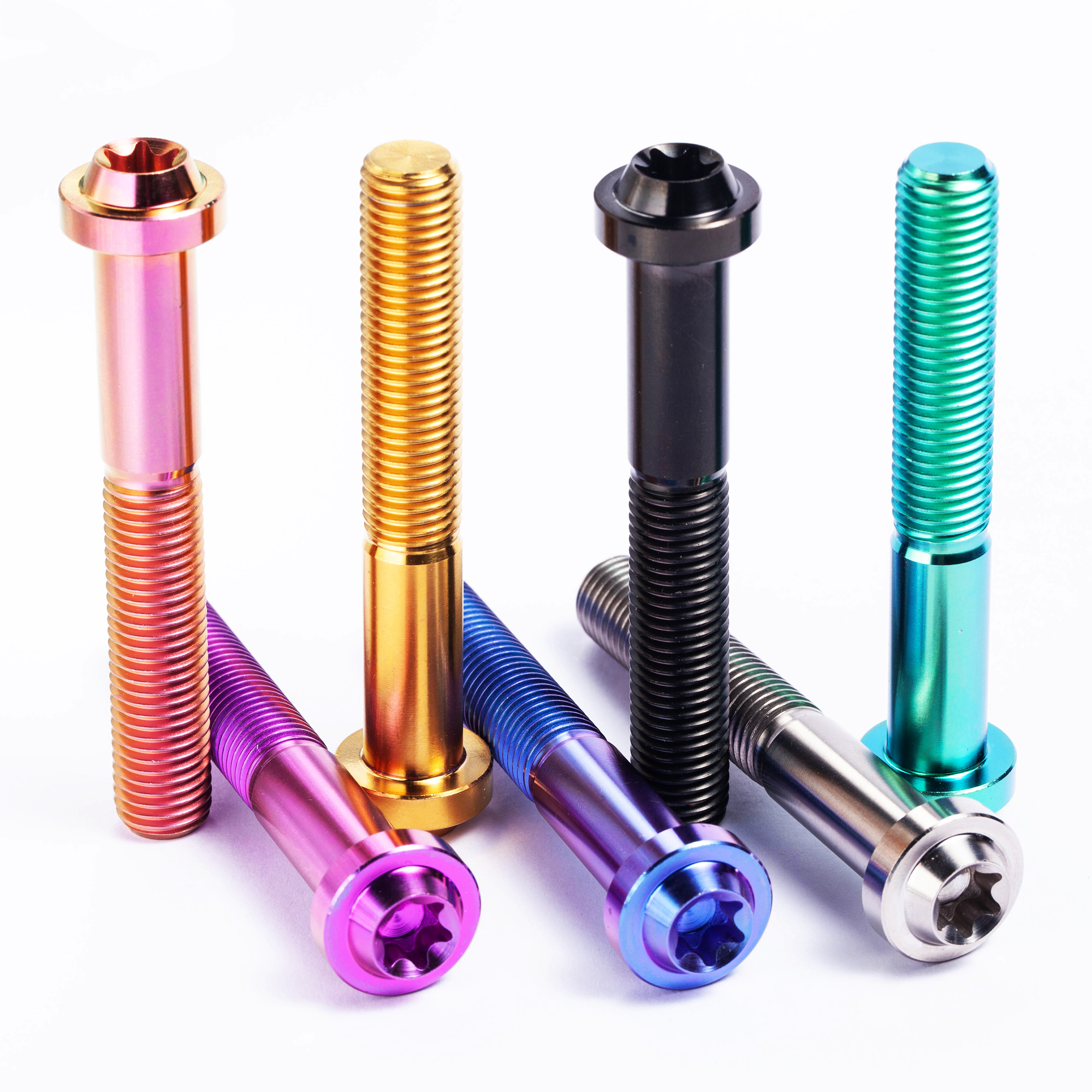
M2-M8 precision industrial socket head cap screws suited for mechanical interfaces subject to sustained cyclic vibration.
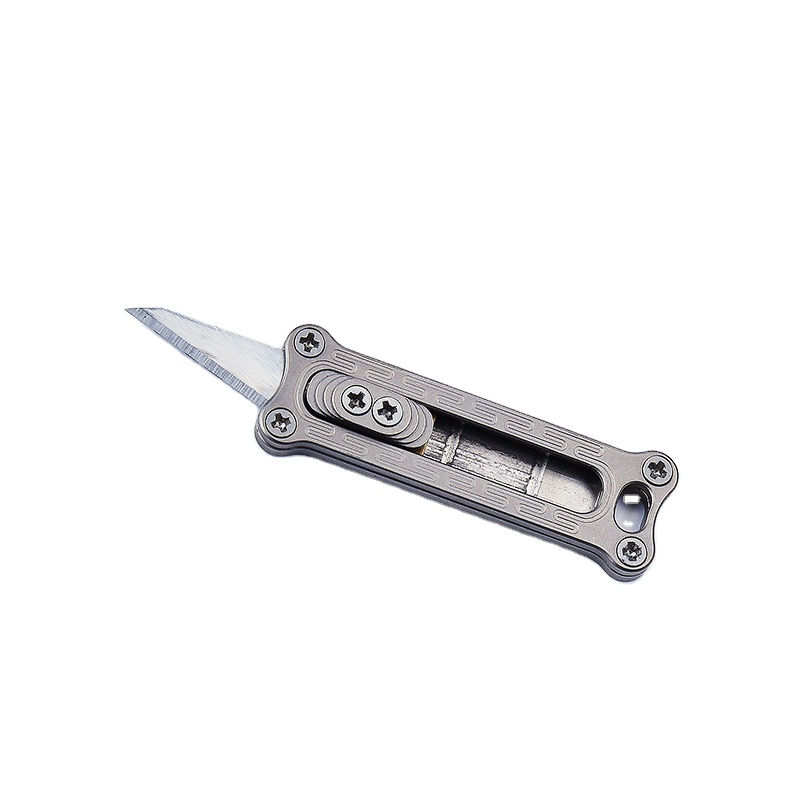
Ruggedized non-magnetic EDC titanium apparatus built for marine crew technicians and harsh-weather field inspections.
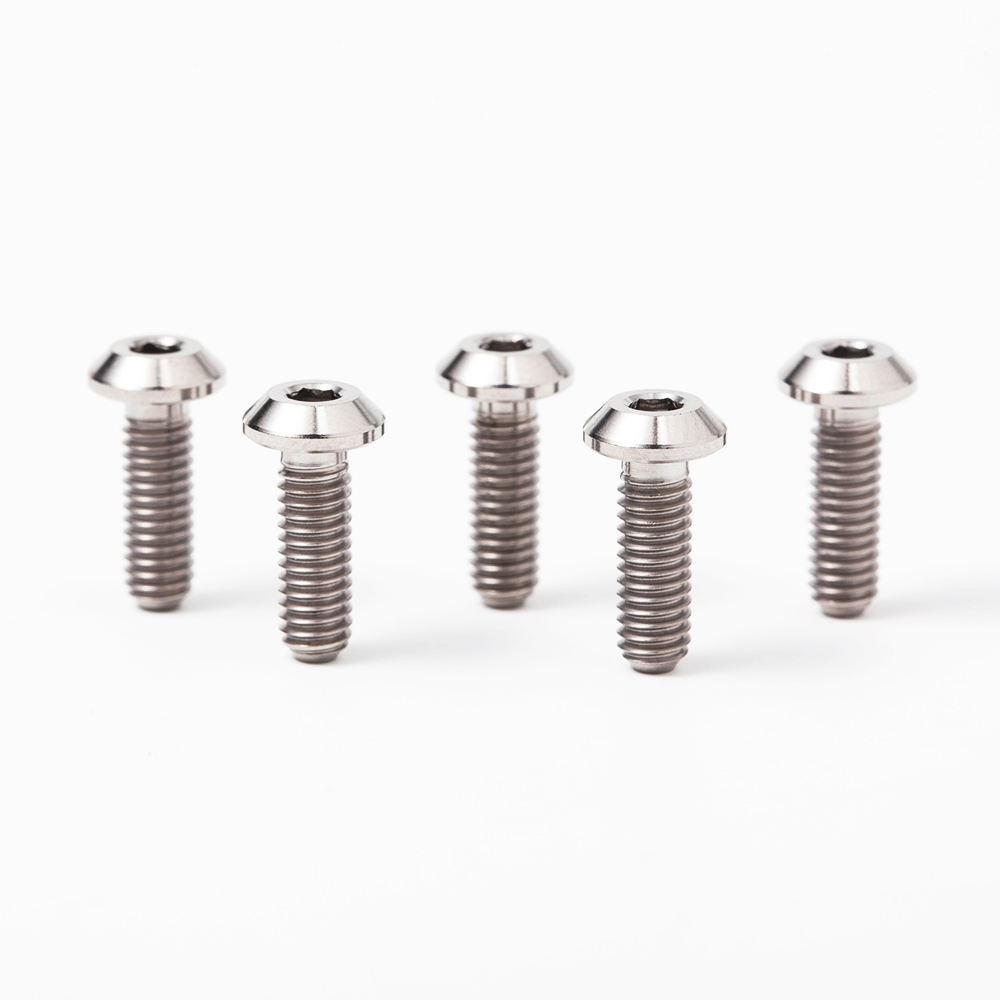
Low-profile torx drive disc brake screws resistant to thread galling and coastal chloride stress corrosion cracking.
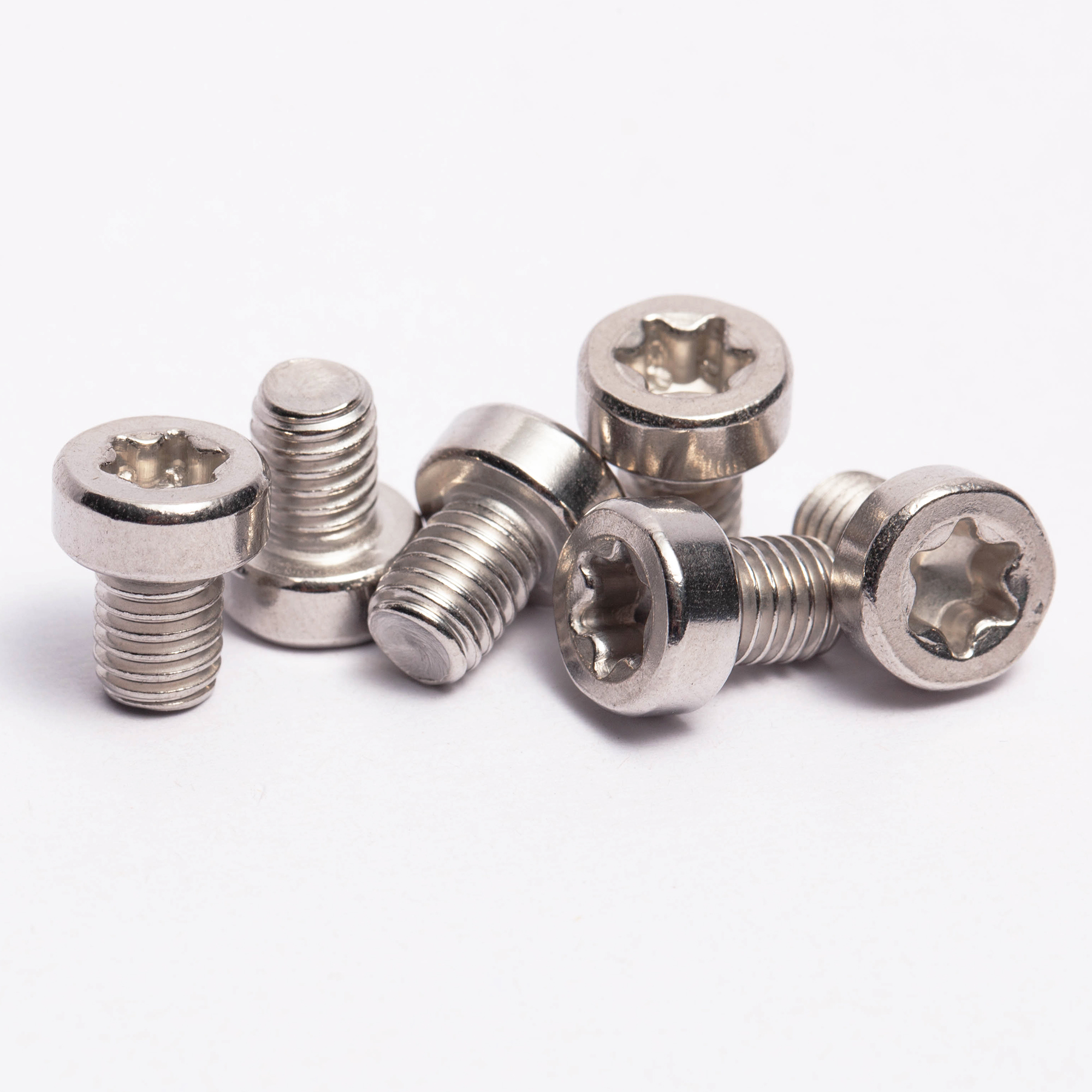
Precision-stepped fastener designs with electrolytic barrier anodizing for motorsport hubs and offshore test fixtures.
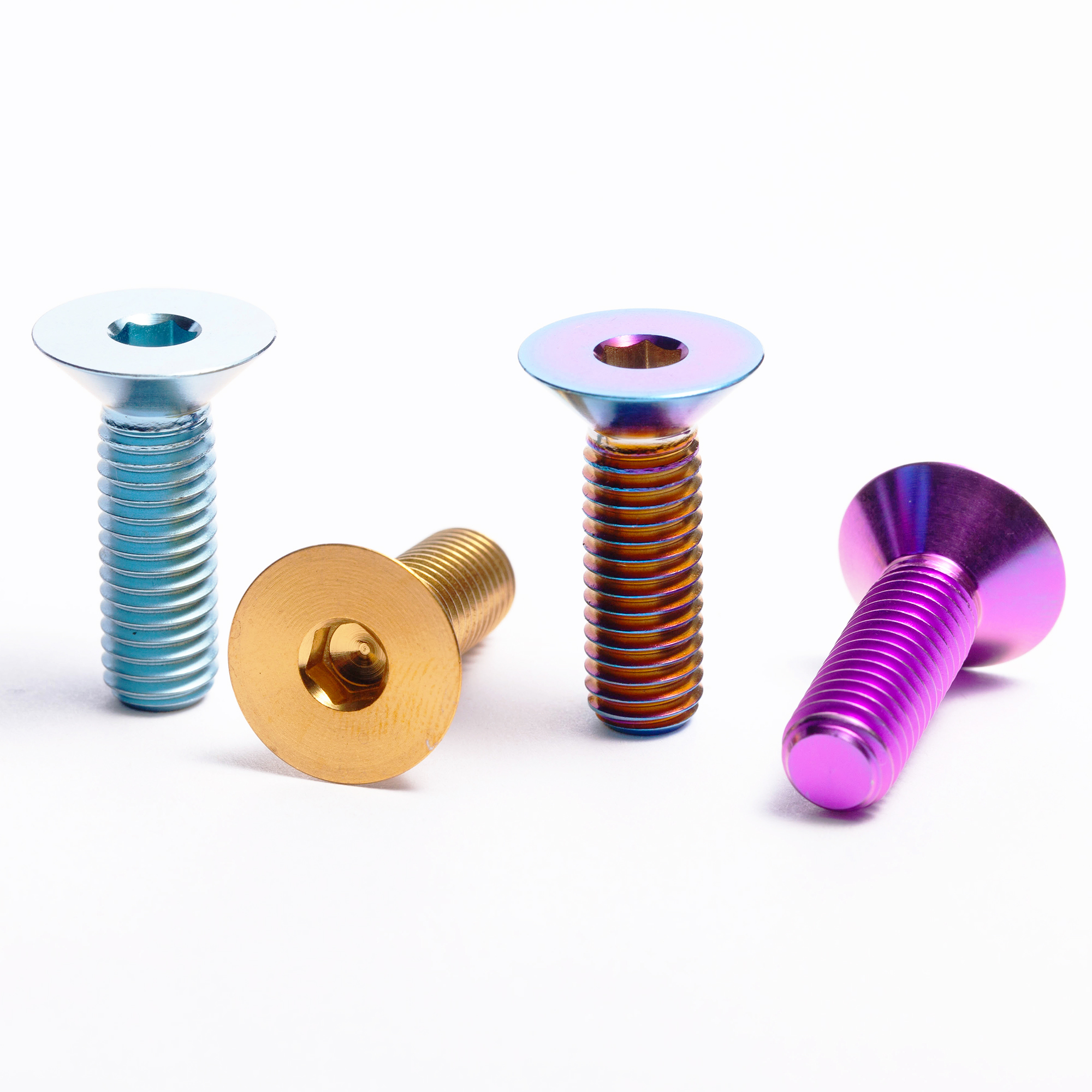
Rolled-thread hardware delivering superior shear yield under continuous thermal cycling and multi-axis vibrational stresses.
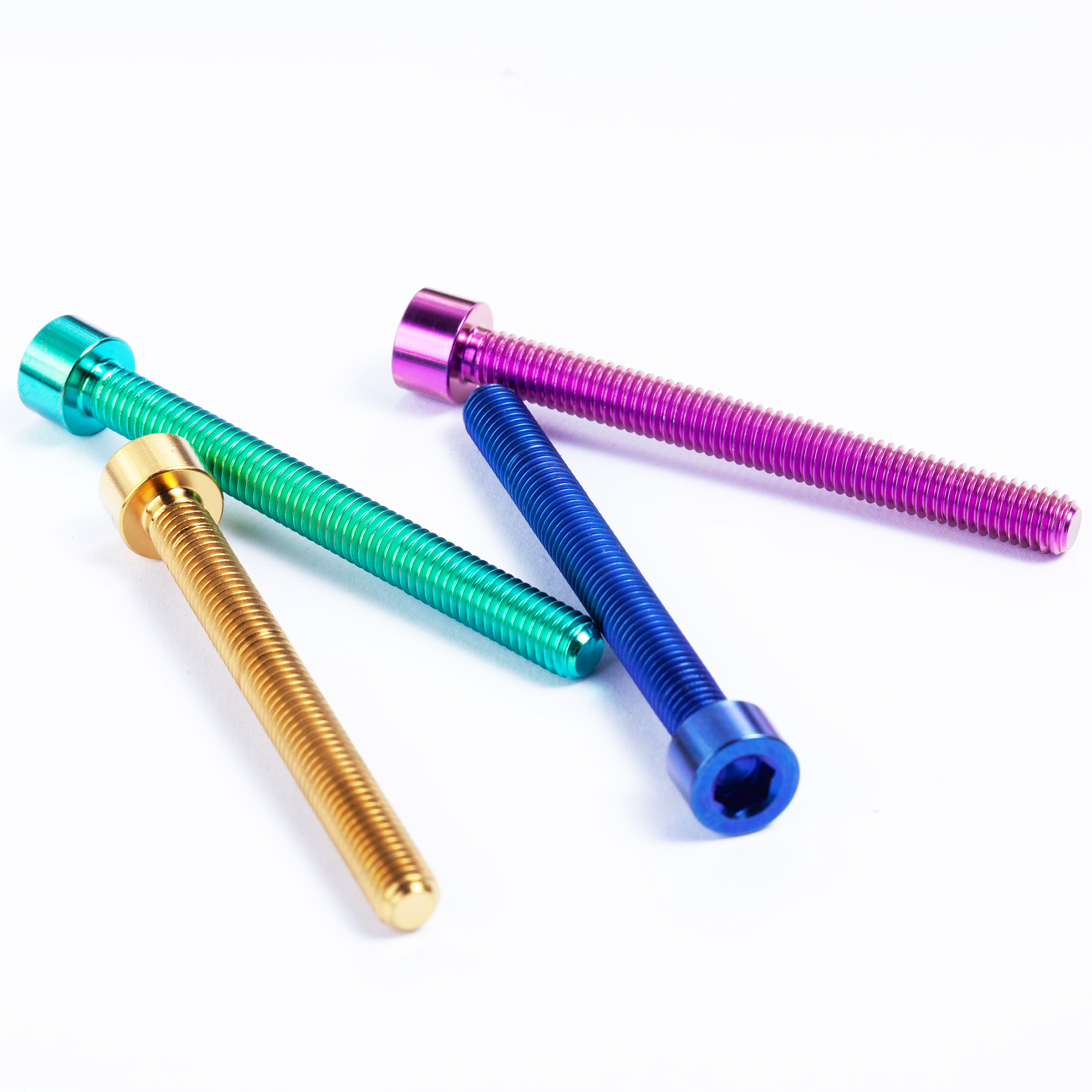
CNC-machined dome profile studs designed for dynamic retention, eliminating structural hydrogen embrittlement.
Addressing structural failure vectors caused by high atmospheric chlorides, galvanic disparity, and sub-zero shock loading in the Greater Stavanger industrial corridor.
In coastal industrial zones like Stavanger, Tananger, and Forus, standard Grade 10.9 or 12.9 carbon steel wheel studs and lug bolts endure relentless degradation. Marine salt aerosol, coupled with calcium chloride (CaCl₂) de-icing solutions sprayed throughout western Norway's winter transit arteries (such as the E39 corridor), initiates micro-pitting in plated ferrous fasteners. Over repeated thermal cycles from friction braking, these pits evolve into stress concentration points, accelerating Hydrogen-Induced Stress Corrosion Cracking (HSCC).
By transitioning critical hub-to-wheel assemblies to Titanium Grade 5 (Ti-6Al-4V, Werkstoff 3.7165 / UNS R56400), operators deploy a material that instantaneously forms an impenetrable, self-healing rutile (TiO₂) passive oxide film. With a zero corrosion rate in ambient seawater and total resistance to pitting potentials up to +1.8V, our cold-worked and rolled-thread titanium wheel studs eliminate unexpected wheel-off incidents caused by thread necking and rust-jacking.
Heavy transport trailers, self-propelled modular transporters (SPMTs), and terminal tractors operating around the Port of Stavanger and Dusavik base. Elimination of seized lug nuts during urgent logistics mobilizations.
With Rogaland's high penetration of commercial battery electric vehicles (BEVs), reducing unsprung rotating mass yields measurable recovery in regenerative braking efficiency and decreases wheel hub rotational inertia.
Endurance rallying and performance platforms confronting the freeze-thaw extremes of the Ryfylke highlands. Ti-6Al-4V maintains high fracture toughness (K_IC > 55 MPa·m^½) without ductile-to-brittle transition down to -50°C.
Calculated structural parameters validating the replacement of conventional automotive steel with precision cold-formed and rolled-thread titanium fasteners.
| Property / Characteristic | Ti-6Al-4V (Grade 5) Annealed | High-Strength Steel (Class 10.9) | Marine Stainless (316L) | Aircraft Aluminum (7075-T6) |
|---|---|---|---|---|
| Density (ρ) | 4.43 g/cm³ (44% Lighter) | 7.85 g/cm³ | 8.00 g/cm³ | 2.81 g/cm³ |
| Ultimate Tensile Strength (σ_uts) | 950 - 1050 MPa | 1000 - 1040 MPa | 580 - 680 MPa | 570 MPa |
| Yield Strength (0.2% Offset) | 880 - 920 MPa | 900 - 940 MPa | 220 - 290 MPa | 505 MPa |
| Specific Strength (σ_uts / ρ) | 225 kN·m/kg (High Efficiency) | 132 kN·m/kg | 75 kN·m/kg | 202 kN·m/kg |
| Fatigue Limit (>10^7 cycles) | 510 MPa | 420 MPa | 240 MPa | 160 MPa |
| Marine Atmospheric Pitting Rate | 0.00 mm / decade | Severe (Requires zinc/cadmium) | Susceptible to crevice corrosion | Prone to exfoliation corrosion |
| Thermal Expansion (α) | 8.6 × 10^-6 / °C | 11.7 × 10^-6 / °C | 16.0 × 10^-6 / °C | 23.4 × 10^-6 / °C |
How the energy capital of Norway is redefining industrial and fleet asset lifecycles through exotic alloy deployment.
Historically dominated by oil and gas supply chains, procurement engineers in the Rogaland province are acutely familiar with NORSOK standards and marine metallurgical specifications. This deep regional competency has trickled down into commercial logistics, municipal emergency vehicles, and performance automotive sectors across western Norway.
Fleet directors in Stavanger increasingly prioritize fasteners that eliminate maintenance downtime. Traditional steel studs require recurrent re-torquing, mechanical wire brushing, anti-corrosion spray applications, and periodic premature replacement due to rust binding. By adopting cold-forged and precision-machined Grade 5 Titanium Wheel Studs, workshop managers calculate an amortization of initial acquisition costs within 18 months, achieved purely through eliminated maintenance hours and reduced hub wear.
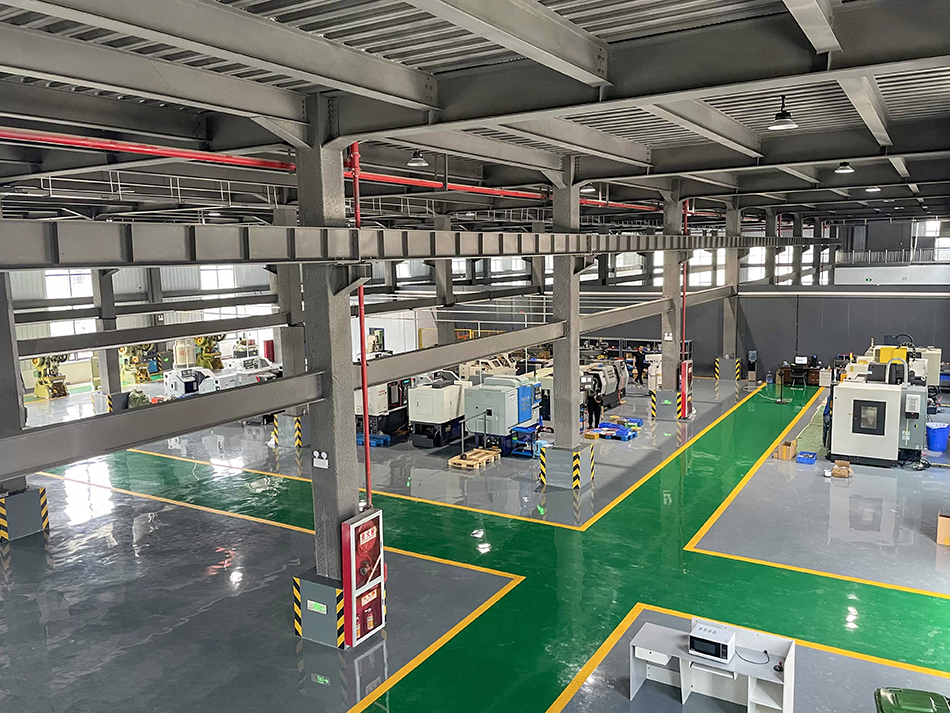
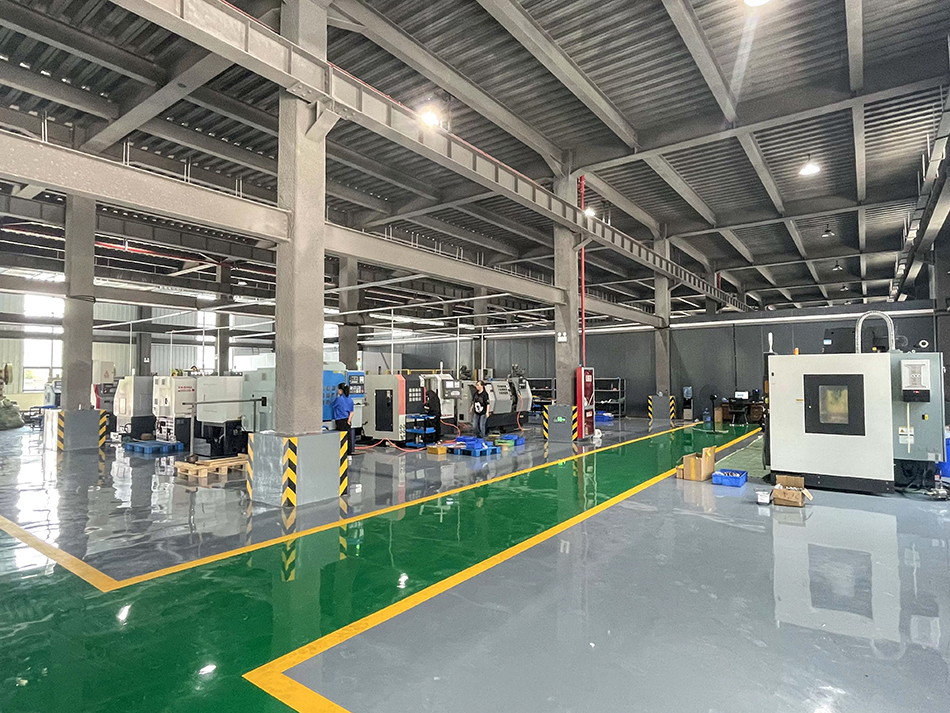
Proprietary CNC engineering, comprehensive raw material traceability, and direct manufacturing authority from Jiaxing to the European Atlantic rim.
Every titanium stud batch is cross-referenced with a complete EN 10204 3.1 Mill Test Certificate (MTC), establishing chemical composition and mechanical compliance.
Rather than cut machining threads, our studs utilize continuous thread rolling under precise hydraulic tonnage, ensuring grain lines remain unbroken for elevated shear and fatigue resistance.
Complete custom design flexibility. Send your 2D CAD drawings, 3D STEP models, or physical samples for customized knurl diameters, thread lengths, and shoulder profiles.
Streamlined logistics routes serving Norwegian commercial importers. Fully compliant with EU RoHS and REACH environmental guidelines with complete customs documentation.
In-depth technical answers addressing installation mechanics, thermal expansion, torque specs, and galvanic isolation.
Consult with our engineering department to configure wheel studs, lug bolts, and custom-turned fasteners tailored precisely for the Norwegian climate.