Featured Titanium Forged & CNC Machined Components
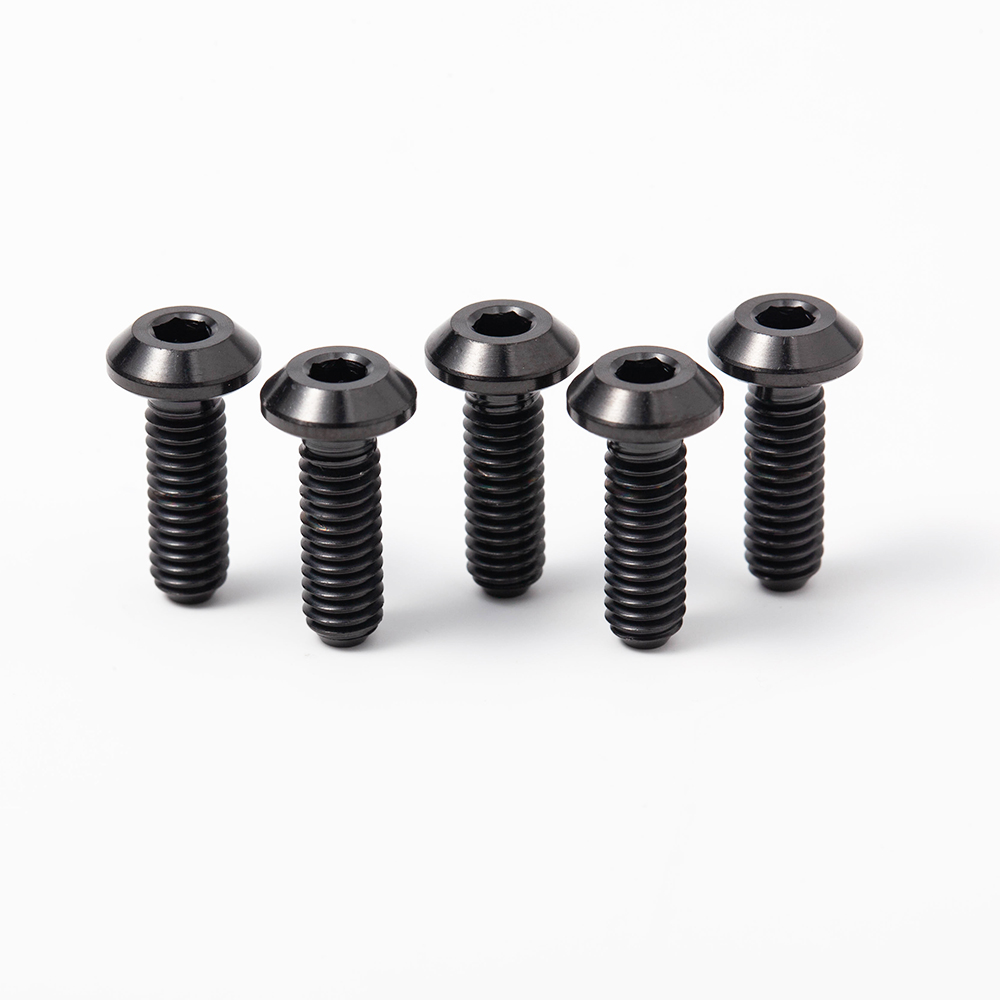
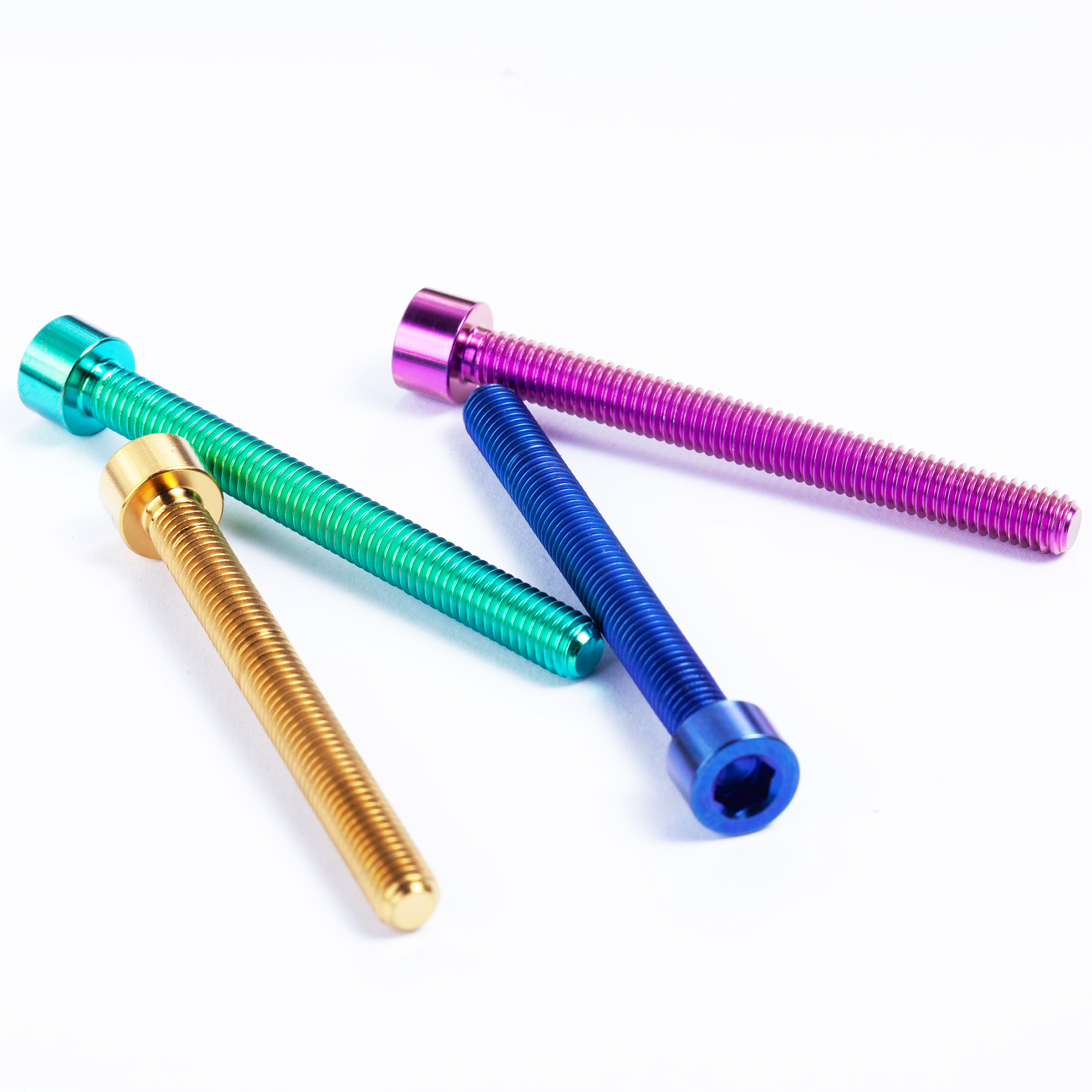
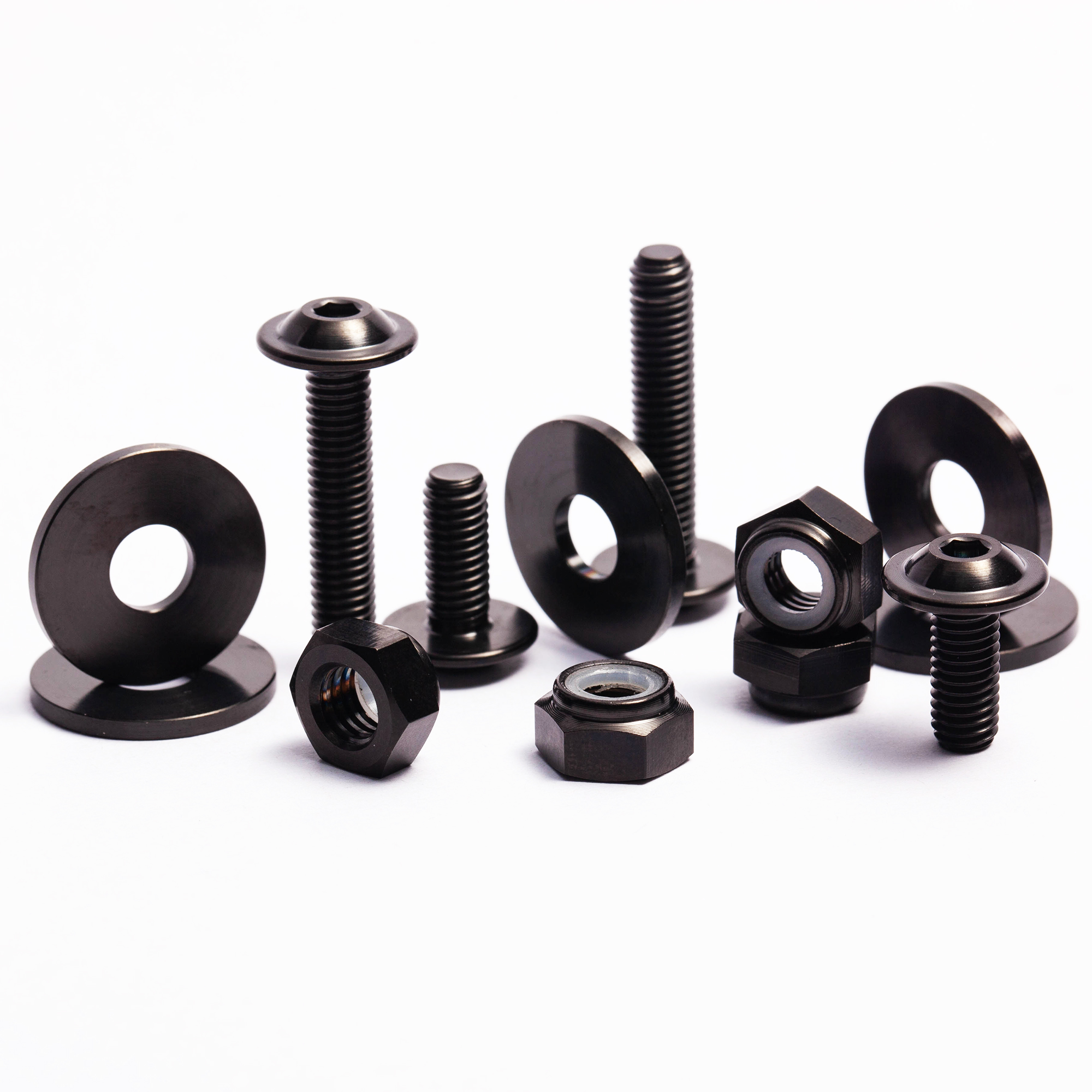
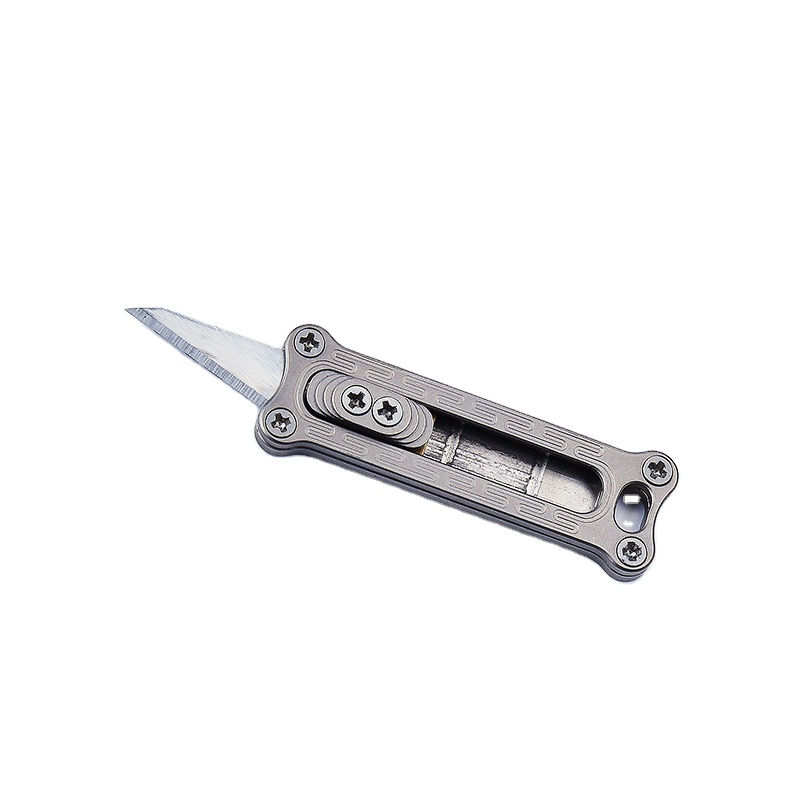
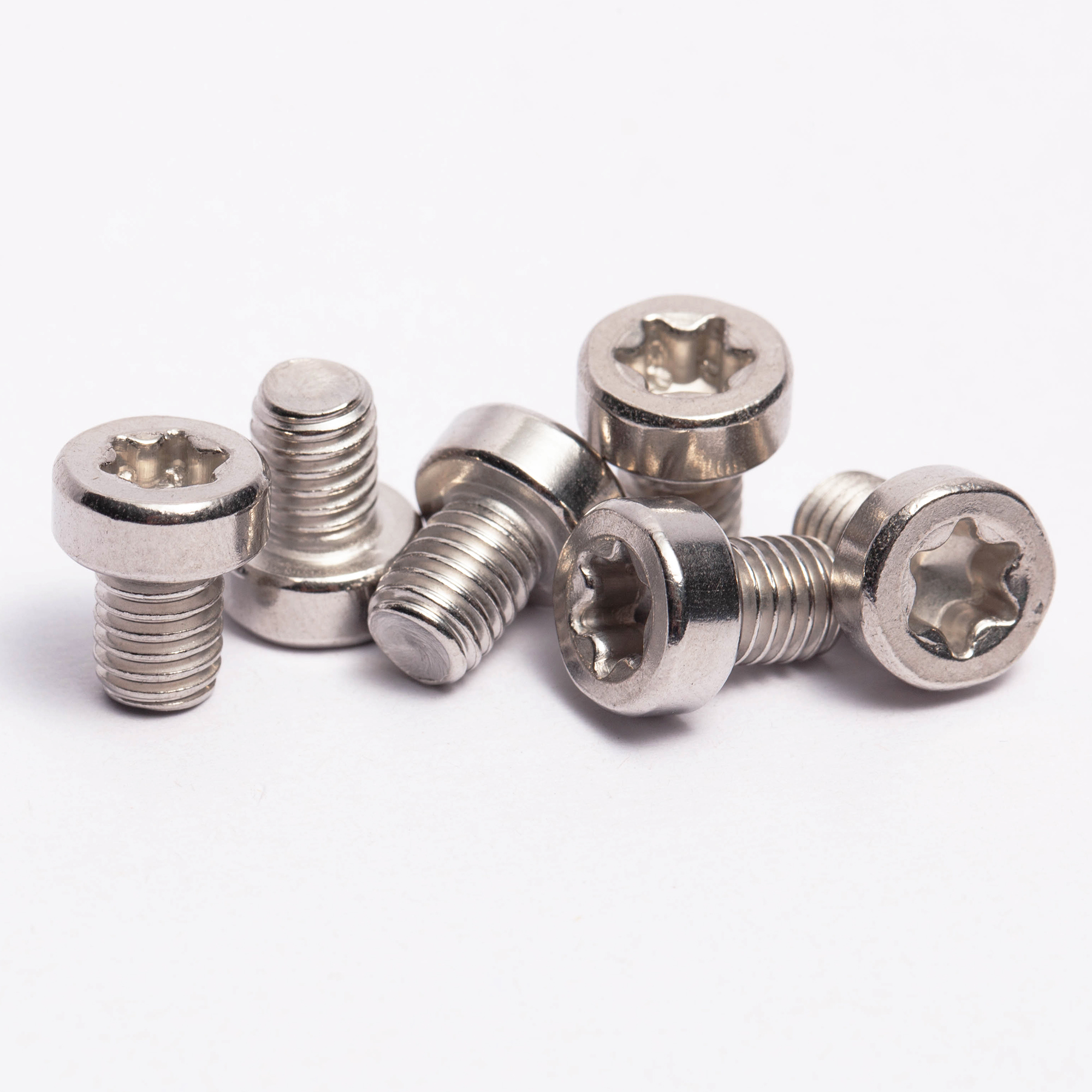
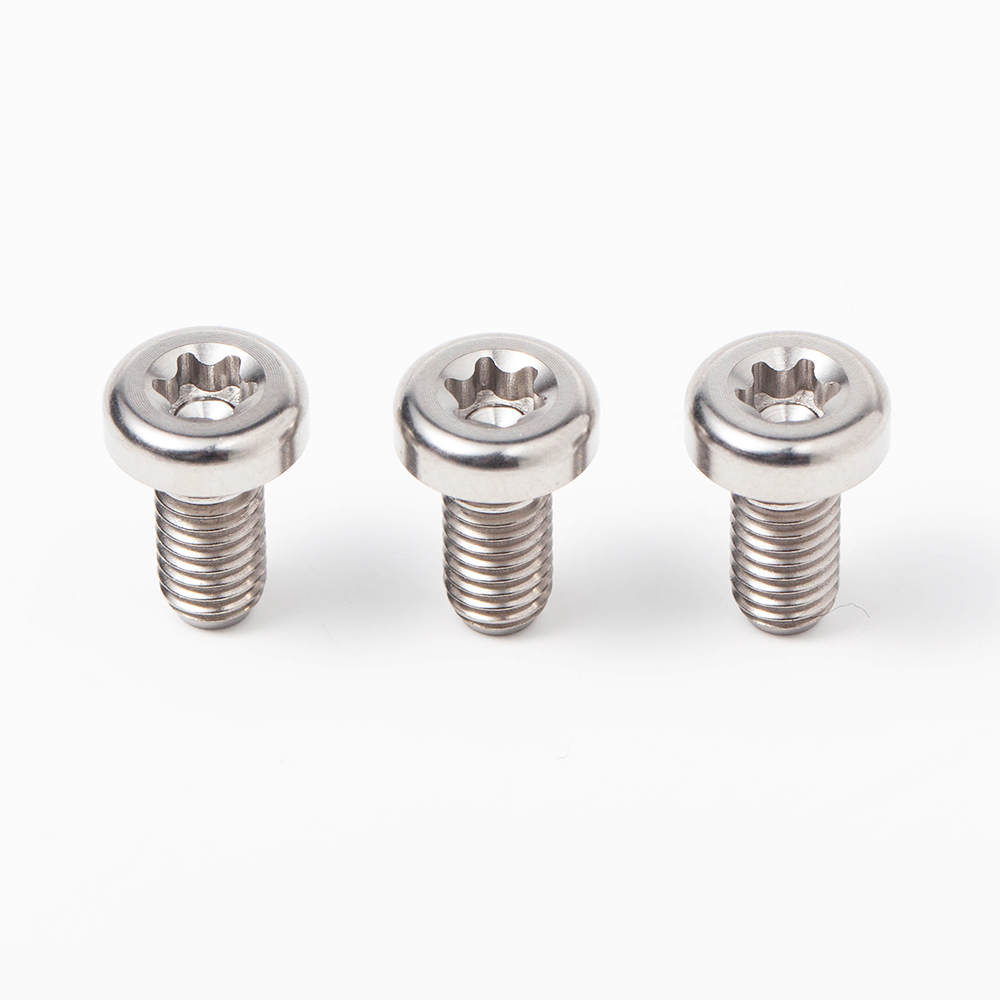
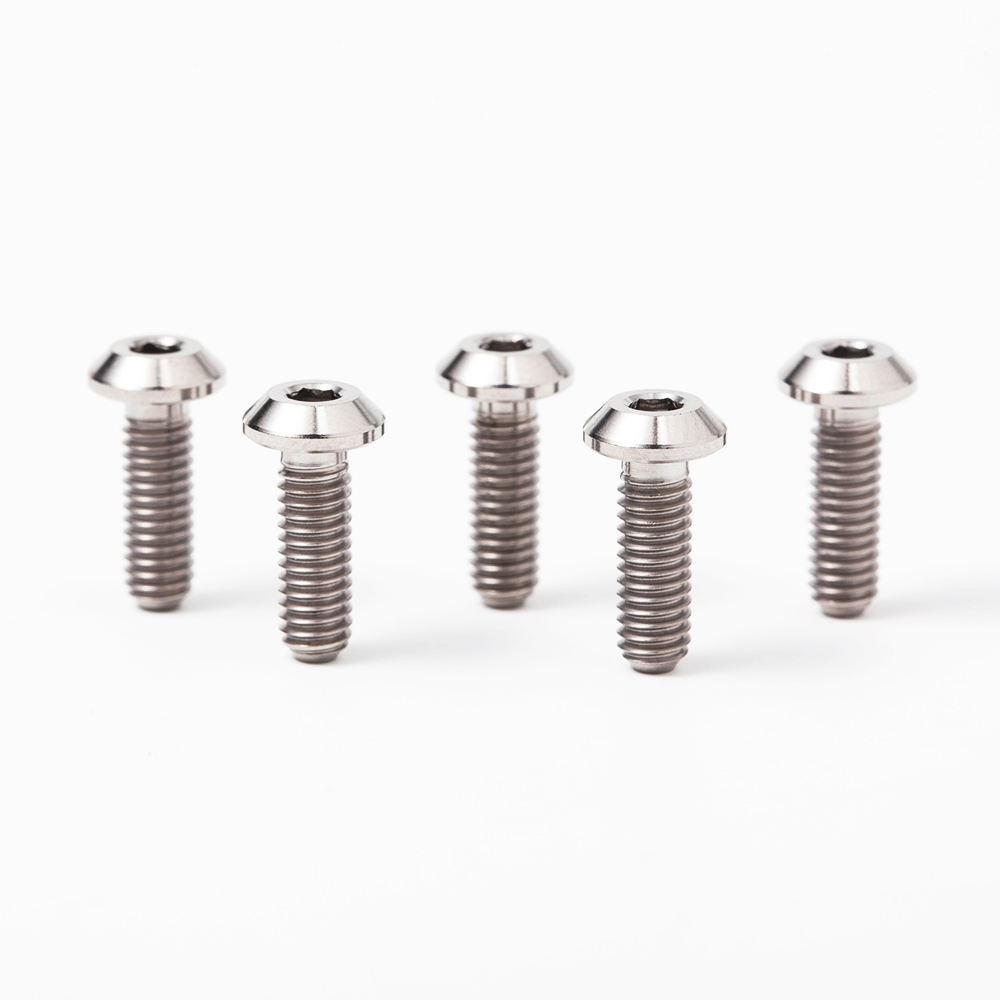
Exacting components engineered from aerospace Grade 5 (Ti-6Al-4V) and Grade 9 (Ti-3Al-2.5V) titanium alloys. Delivering unmatched weight-to-strength ratios, fatigue resistance, and dimensional repeatability for Tokyo's critical engineering sectors.
Localized Application Scenarios in Tokyo's Industrial Hubs
From the precision engineering workshops of Ota City (Ota-ku) to the advanced aerospace laboratories along the Keihin Industrial Corridor, titanium forged components meet strict Japanese industrial criteria.
Next-Gen Tokyo Cobotics & Harmonic Transmissions
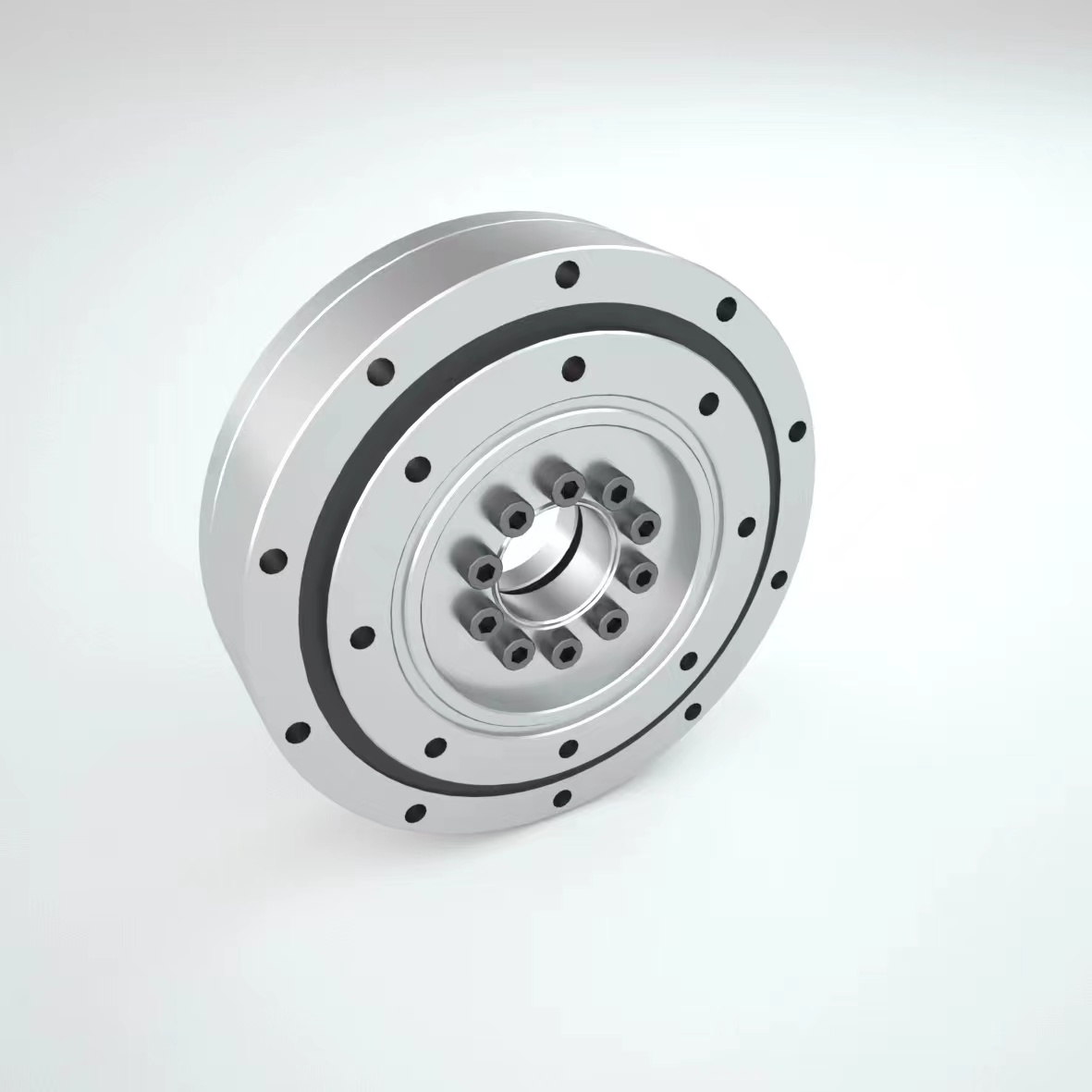
Tokyo stands as the global epicentre for industrial automation, collaborative robotics (cobots), and surgical tele-manipulators. Harmonic drive wave generators and articulated arm couplings forged from Ti-6Al-4V dramatically lower moment of inertia while maintaining fatigue survival past 10^7 cycles. Forging continuous grain structures eliminates the micro-porosities that trigger micro-vibration in high-payload semiconductor wafer handling systems built across Kanagawa and northern Tokyo research zones.
Aerospace & Satellite Small-Sat Clusters (JAXA Tier-2)
The aerospace startup corridor across Tokyo Bay requires custom closed-die titanium bracketry, propulsion valve housings, and lightweight structural fasteners. By replacing precipitation-hardened steels with forged Grade 5 and ELI Grade 23 titanium, sub-orbital craft and LEO microsatellites reduce deadweight while maintaining cryogenic yield integrity down to -196°C. Wexra supplies near-net-shape forged billets that reduce expensive 5-axis roughing operations by up to 60%.
High-End Automotive R&D & Performance Motorsport
Tokyo's metropolitan outskirts host top motorsport engineering firms and supercar prototype tuning houses. Grade 5 forged wheel studs, connecting rods, and exhaust flange bolts endure high-revving thermal cycles exceeding 600°C without creep deformation or galling. Wexra’s specialized PVD and anodized surface conversion technologies prevent thread seizing during rapid trackside wheel changes at Fuji Speedway or Mobility Resort Motegi.
Titanium Forging Metallurgy: Grain Flow Alignment vs. Billet CNC
Why precision forging remains the gold standard for high-integrity structural components across Tokyo's Tier-1 industrial buyers.
In high-load mechanical design, selecting between isothermal closed-die forging and subtractive solid bar machining is not merely an economic decision—it is a critical mechanical fatigue consideration. When solid titanium bar stock (e.g., standard ASTM B348 Gr5) is turned on a CNC lathe, the unidirectional metallurgical grain lines running through the drawn rod are severed along the contour of thread roots, flanges, and internal radii. These cut grain boundaries expose micro-notches that serve as primary initiation sites for cyclic fatigue cracks under dynamic shear.
At Wexra Titanium, our closed-die precision hot-forging process operates within closely controlled temperature zones (typically within the alpha-beta transus range between 880°C and 940°C for Ti-6Al-4V). Under hydraulic tonnage, the internal lamellar grain structure bends continuously to follow the external contours of the component head, flange, and shank transition zones. This continuous grain boundary flow yields:
| Performance Parameter | Wexra Precision Hot Forged (Gr5) | Standard CNC Turned Billet (Gr5) | Austenitic Stainless (SUS304 / 316) | Alloy Steel (SCM435 / Gr 10.9) |
|---|---|---|---|---|
| Internal Grain Structure | Continuous Flow Contoured | Severed / Interrupted | Continuous or Drawn | Directional Cold-Headed |
| Tensile Strength (Rm) | 950 – 1050 MPa | 895 – 920 MPa | 520 – 680 MPa | 1040 MPa |
| Density & Weight Efficiency | 4.43 g/cm³ (45% lighter) | 4.43 g/cm³ | 7.93 g/cm³ | 7.85 g/cm³ |
| Fatigue Limit (10^7 cycles) | 520 – 580 MPa | 380 – 420 MPa | 240 MPa | 450 MPa |
| Corrosion Resistance (JIS Z 2371) | > 1,000 hrs Salt Fog (Immune) | Immune | Pitting susceptible in Cl- | Requires Zinc/Nickel Plating |
By preventing grain interruption at high-stress transitions (such as bolt head-to-shank undercuts or harmonic drive gear teeth roots), forged titanium parts deliver a 30% to 38% increase in endurance limit over machined billets. Following forging, secondary multi-axis CNC finishing brings critical mating surfaces to ±0.01 mm precision, creating an optimal synergy of core metallurgical toughness and surface accuracy.
Technological & Sourcing Trends Shaping Tokyo's Titanium Market
Key market transitions observed among Japanese procurement departments, precision design engineers, and regional supply chain directors.
Electrification & Ultra-Lightweighting Mandates
Japanese automotive OEMs and Tier-1 driveline suppliers in the Kanto region are shifting away from heavy alloy steels toward structural Grade 5 titanium forgings. In electric vehicle (EV) powertrains, reducing un-sprung rotational mass by just 1 kilogram at the hub and rotor level provides exponential efficiency gains in battery consumption and suspension damping response, driving demand for precision titanium fasteners and hollow flange shafts.
Harmonization of JIS H 4600 and Global ASTM Specs
Historically, domestic Japanese projects relied on JIS H 4600 / JIS H 4650 titanium standards. However, as Tokyo-based robotics and aerospace designers build systems for export to North America and the EU, supply chains demand certified dual-standard materials. Components must simultaneously verify compliance with JIS Class 60/60E (Ti-6Al-4V) alongside ASTM B381 (forgings), ASTM B348 (bars), and AMS 4928 aerospace specs—complete with full 3.1 chemical composition analysis.
Direct-from-Factory Resilient Supply Chains
Prolonged logistics disruptions and currency fluctuations have prompted Japanese procurement teams to bypass multi-layer domestic trading houses (shosha). Tokyo engineering teams now partner directly with dedicated titanium manufacturing facilities like Wexra. This direct technical model shortens rapid prototyping lead times from 14 weeks to under 15 working days, while unlocking full OEM/ODM drawing revisions and localized DFM support.
Why Tokyo Engineering Leaders Rely on Wexra Titanium
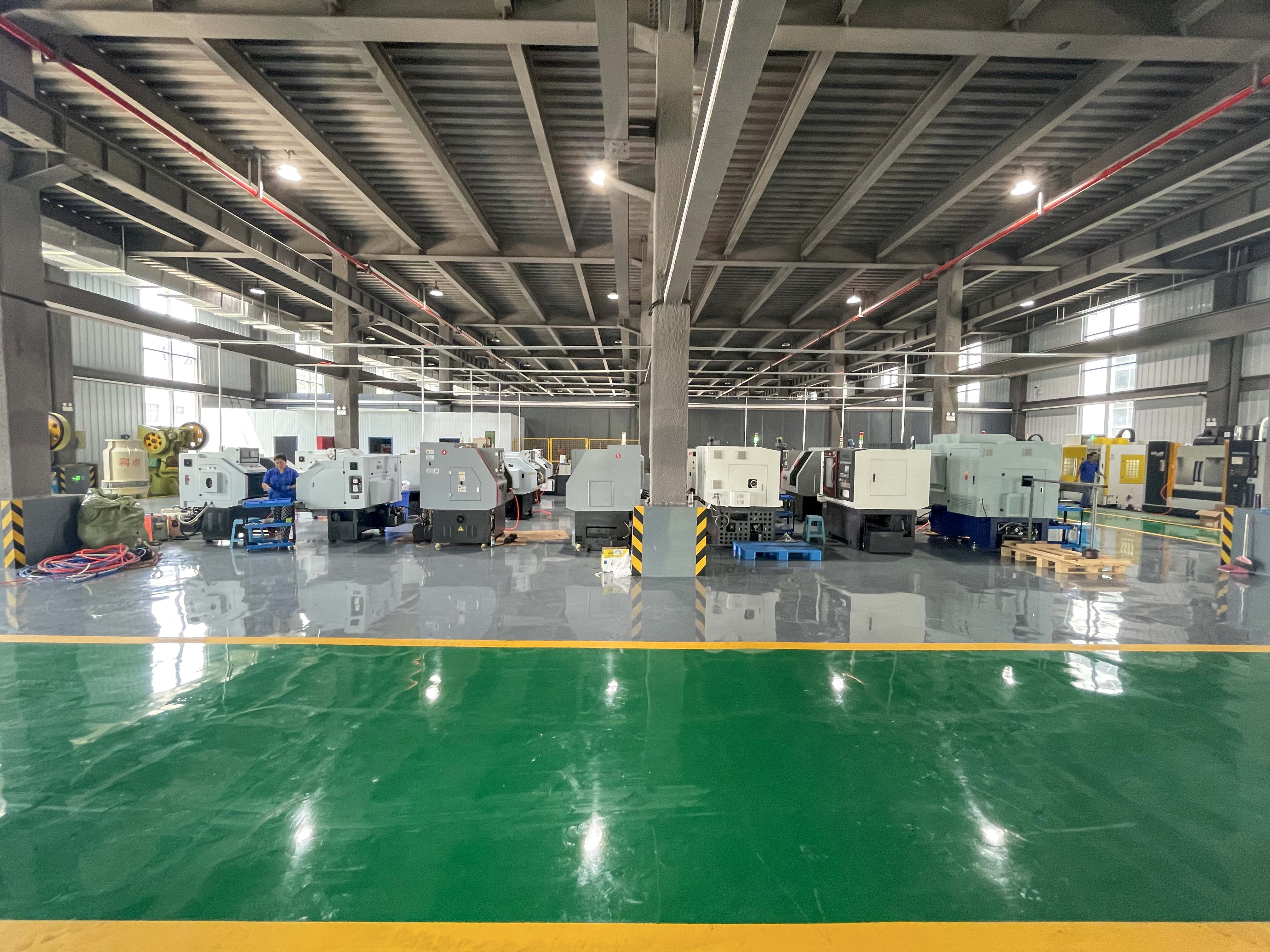
Jiaxing Wexra Titanium Products Co., Ltd. has specialized exclusively in titanium metallurgical fabrication since 2018. Backed by modern closed-die forging presses, multi-axis CNC turn-mill centers, and precision thread-rolling infrastructure, we provide end-to-end production control from ingot verification to surface passivation.
We operate in strict conformance with our certified ISO 9001:2015 Quality Management System, upholding RoHS and REACH environmental compliance across every lot shipped to demanding industrial hubs in Japan, North America, and Europe.
Frequently Asked Questions for Tokyo Procurement Managers
Addressing the real-world engineering, metallurgical, and cross-border import questions Tokyo buyers ask when sourcing titanium forgings.
Connect with Our Engineering Metallurgists Today
Whether you need custom forged wave generator housings for Tokyo robotics prototypes or volume Grade 5 performance fasteners, our engineering team is ready to analyze your drawings and supply chain requirements.