Featured Titanium Socket Fasteners
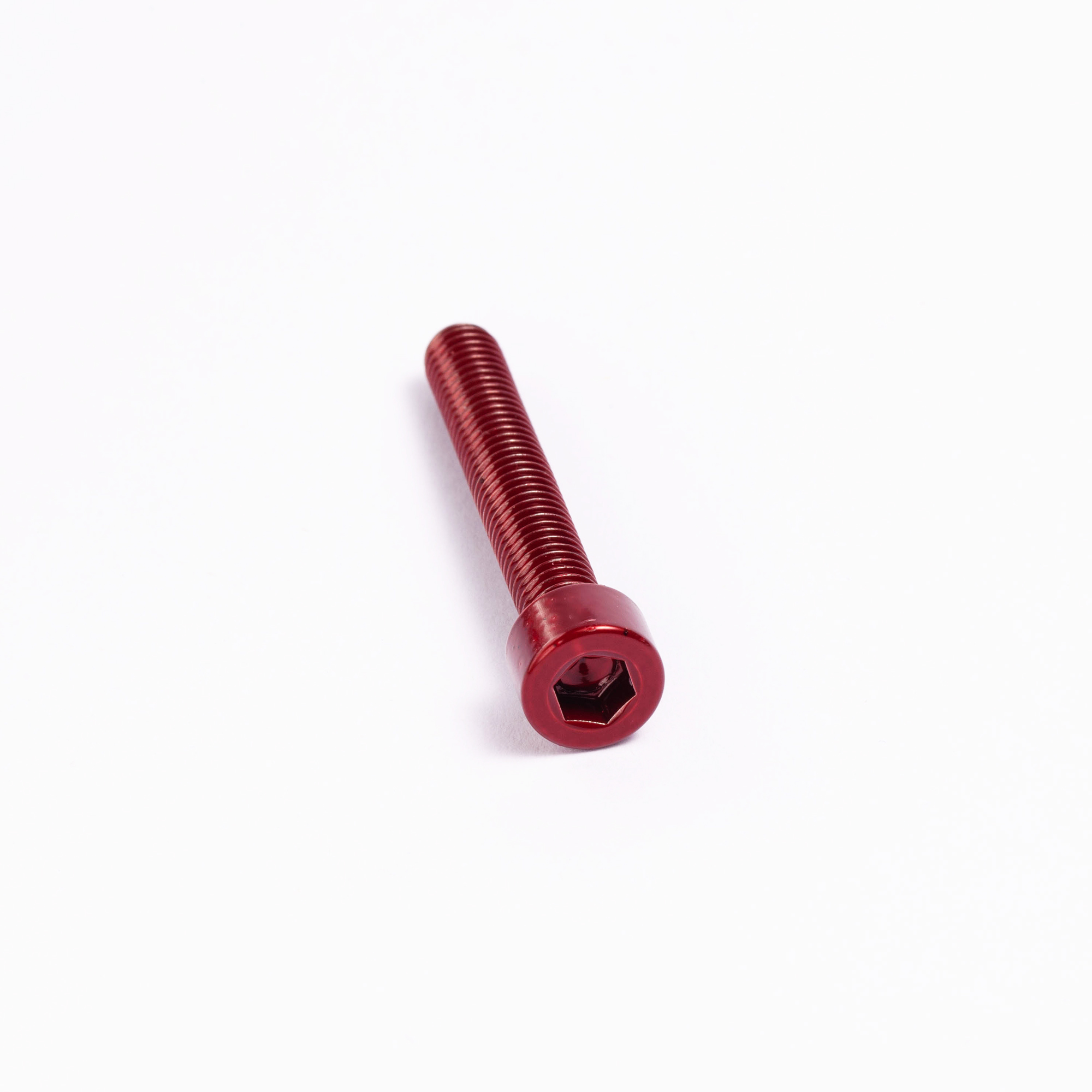
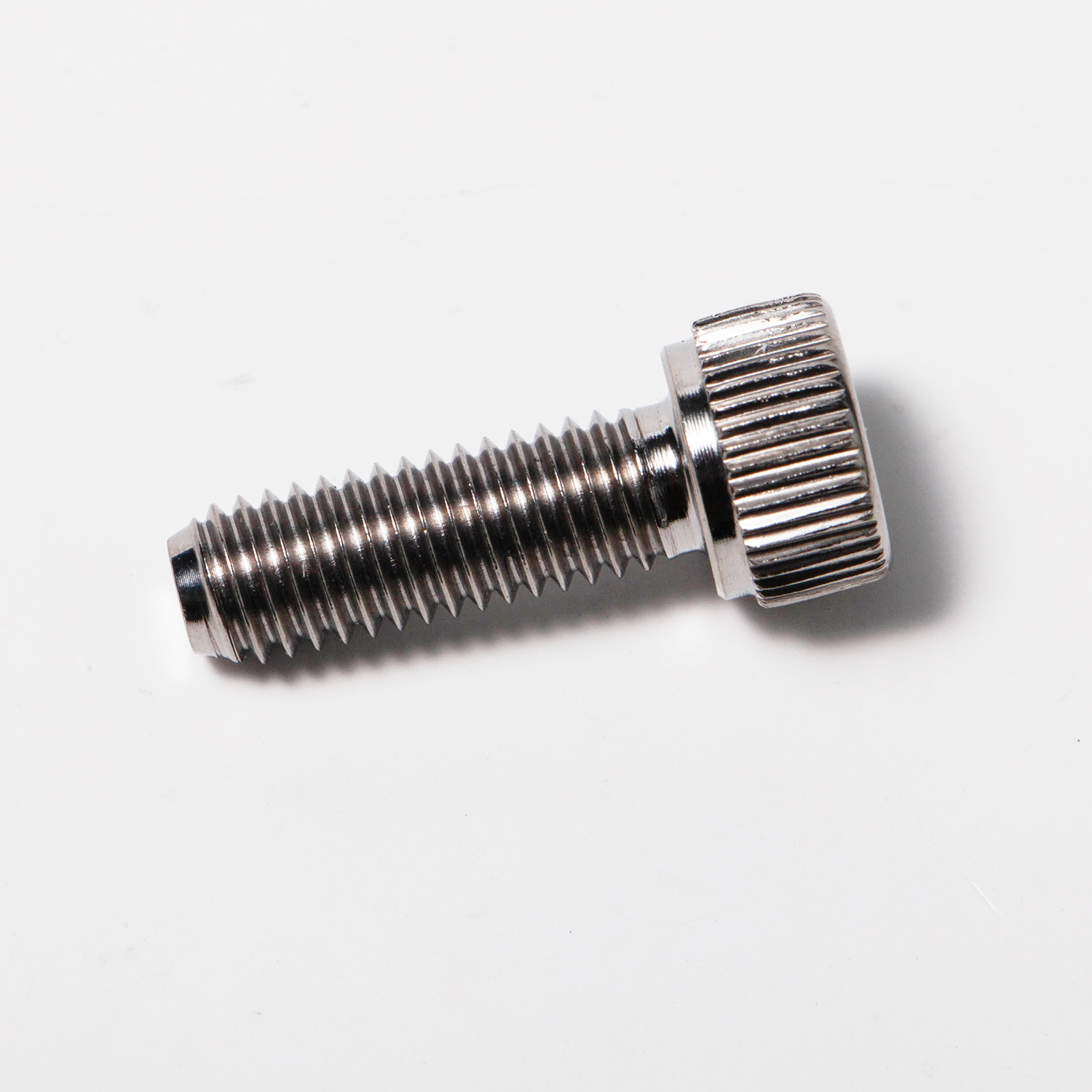
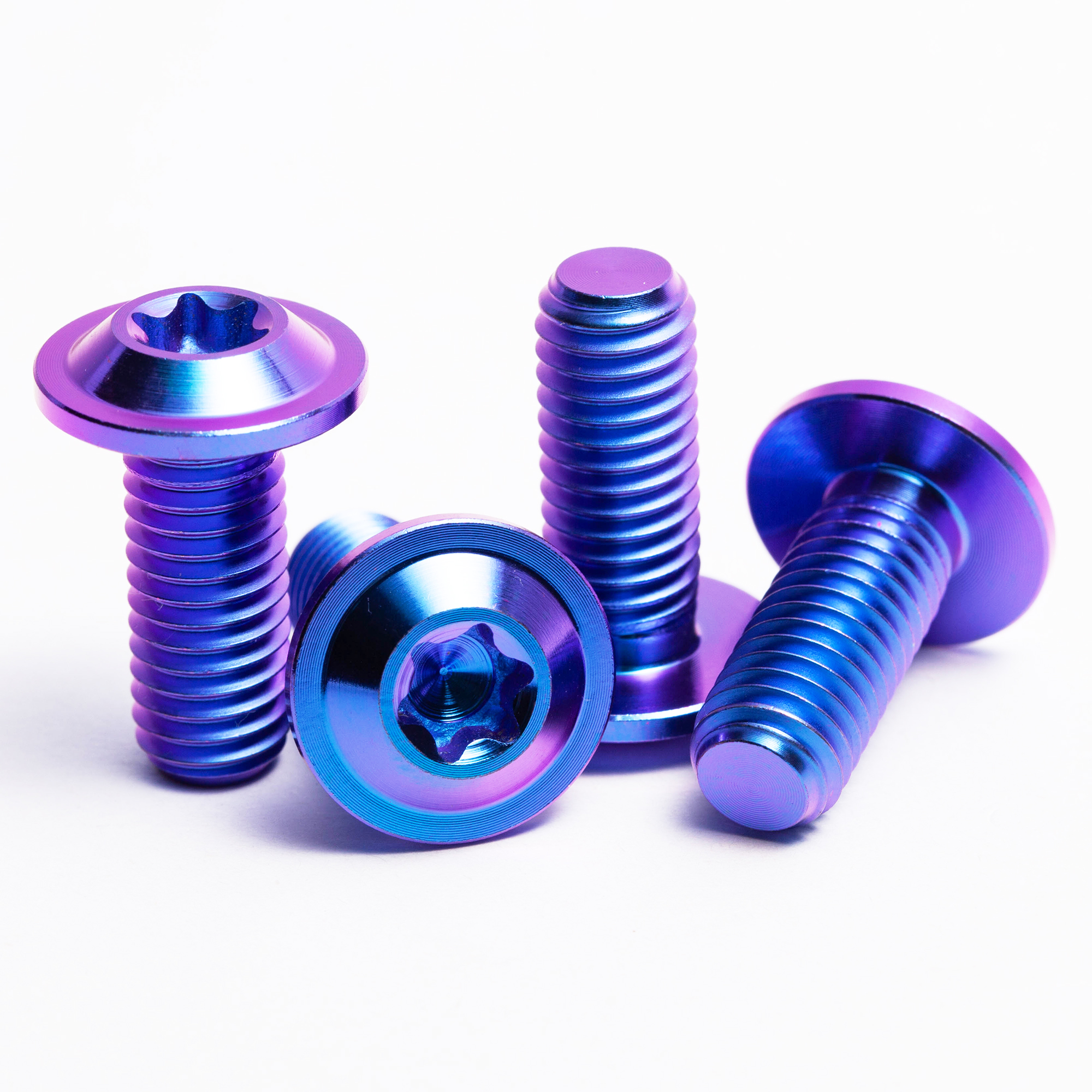
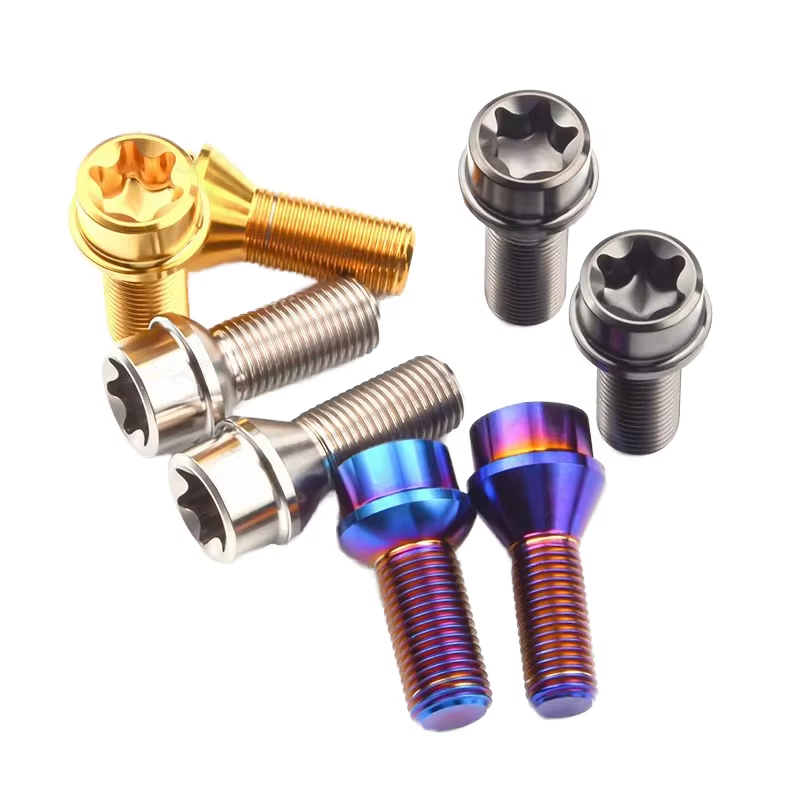
CNC machined, corrosion-resistant titanium hardware designed for high-stress bicycle, motorcycle, automotive, and industrial applications.
Technical Whitepaper: Engineering Superiority of Titanium Socket Screws
An in-depth metallurgical analysis of Grade 5 (Ti-6Al-4V) vs. Grade 2 Commercially Pure Titanium socket head fasteners for OEM design engineers and procurement directors.
In modern high-performance engineering—spanning aerospace structural assemblies, motorsport drivetrain components, professional marine hardware, and premium cycling components—fastener material selection dictates the operational limits of mechanical assemblies. Titanium socket screws, specifically those engineered with socket head cap (ISO 4762 / DIN 912), button head (ISO 7380), and countersunk head (DIN 7991) geometries, represent the optimal convergence of high specific strength, extreme corrosion resistance, and dynamic fatigue endurance.
Metallurgical Breakdown: Grade 5 (Ti-6Al-4V) vs. Grade 2 (CP Titanium)
Understanding the microstructural phase transformations between alpha-beta titanium alloys and commercially pure titanium is paramount when selecting fasteners for load-bearing versus non-load-bearing applications:
- Grade 5 Titanium (Ti-6Al-4V / UNS R56400 / Werkstoff 3.7165): An alpha-beta alloy containing 6% Aluminum (alpha stabilizer) and 4% Vanadium (beta stabilizer). In its annealed condition, Grade 5 delivers a minimum yield strength of 828 MPa and an ultimate tensile strength exceeding 895 to 950 MPa. It matches or exceeds Grade 8.8 and 10.9 high-tensile steel fasteners while offering a 44% reduction in structural mass (density of 4.43 g/cm³ compared to steel's 7.85 g/cm³).
- Grade 2 Titanium (CP Titanium / UNS R50400 / Werkstoff 3.7035): Unalloyed commercially pure titanium possessing an alpha crystal structure. Yielding an ultimate tensile strength around 345 to 480 MPa, Grade 2 is non-magnetic and highly ductile, offering virtually unattackable immunity to chloride pitting, wet chlorine, oxidizing media, and marine salt spray environments. It is primary choice for chemical processing equipment, marine exhaust systems, and corrosion-critical non-structural hardware.
| Mechanical / Physical Property | Grade 5 Titanium (Ti-6Al-4V) | Grade 2 Titanium (CP) | 316 Stainless Steel | Class 10.9 Alloy Steel |
|---|---|---|---|---|
| Density (g/cm³) | 4.43 | 4.51 | 8.00 | 7.85 |
| Ultimate Tensile Strength (MPa) | 950 | 345 - 480 | 620 | 1,040 |
| Yield Strength 0.2% Proof (MPa) | 880 | 275 | 290 | 940 |
| Modulus of Elasticity (GPa) | 114 | 105 | 193 | 210 |
| Strength-to-Weight Ratio (kN·m/kg) | 214 | 76.5 | 77.5 | 132.5 |
| PREN Corrosion Rating | Immune to Marine Cl- | Immune to Marine Cl- | 23.0 - 25.0 | Poor (Requires Coating) |
Fatigue Resistance and Thread Rolling Dynamics
A critical technical distinction in factory manufacturing processes is thread cut versus rolled threads. Machine-cut threads create sharp micro-notches at the root radius, serving as stress concentration points that dramatically lower cyclic fatigue limits under high-vibration loads (such as automotive wheel hubs or motorcycle brake disc rotors). At Jiaxing Wexra Titanium Products Co., Ltd. / BST-TI, our titanium socket screws are manufactured utilizing cold-roll thread forging process. Thread rolling re-aligns the grain flow lines of the titanium alloy parallel to the screw thread contour, imparting compressive residual stresses that increase fatigue life by over 300% compared to conventional cut threads.
Thread Galling Prevention & Surface Tribology
Titanium possesses a protective passive oxide film ($TiO_2$) that spontaneously regenerates when exposed to oxygen. However, under high torque during tightening without proper lubrication, the oxide film can shear under friction, resulting in metal-to-metal galling (fretting corrosion). To mitigate thread seizure during assembly, our factory applies advanced surface engineering options including Anodizing (Color & Hard Anodized Layer), PVD (Physical Vapor Deposition) Coatings, and Micro-Arc Oxidation (MAO). Utilizing anti-seize pastes (such as copper-based or molybdenum disulfide lubricants) during torque application guarantees stable clamping force friction factors ($K \approx 0.15 - 0.18$).
Factory Advantages & Precision Capabilities
Why leading Tier-1 suppliers and international OEMs choose Jiaxing Wexra Titanium Products Co., Ltd. as their core titanium fastener manufacturing partner.
ISO 9001:2015 Quality Infrastructure
Our Jiaxing facility operates under a rigorous ISO 9001:2015 quality management system. Every production batch is backed by Material Test Certificates (MTC EN 10204 3.1) and full spectrographic composition reports.
Advanced CNC Machining & Forging
Equipped with 5-axis Japanese CNC turning centers and automatic multi-station hot/cold heading machines, achieving tight dimensional tolerances down to ±0.01 mm for complex socket head geometries.
Custom OEM/ODM Engineering Support
We turn 2D CAD prints, 3D STP files, or physical samples into finished titanium components. Custom pitch, hollow dome heads, laser etching, and tailored UNF/UNC threads are handled in-house.
In-House Anodizing & Finish Variety
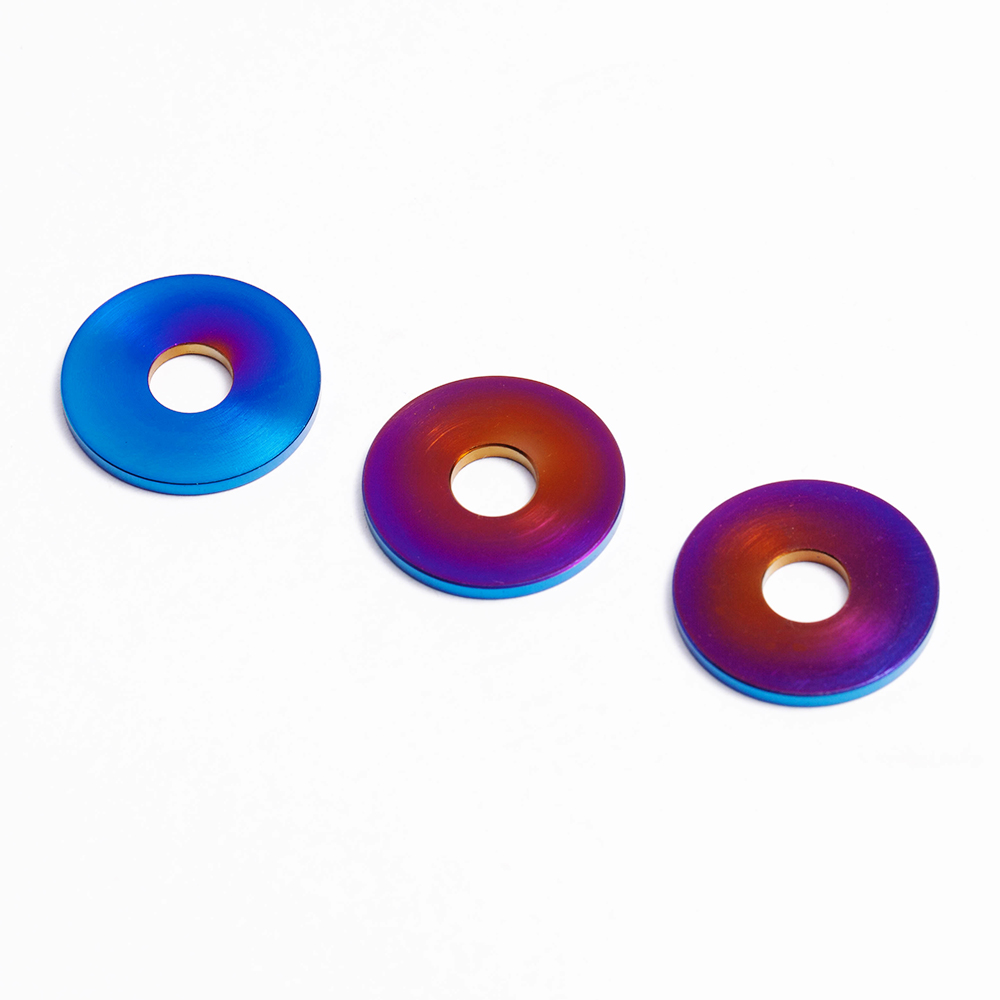
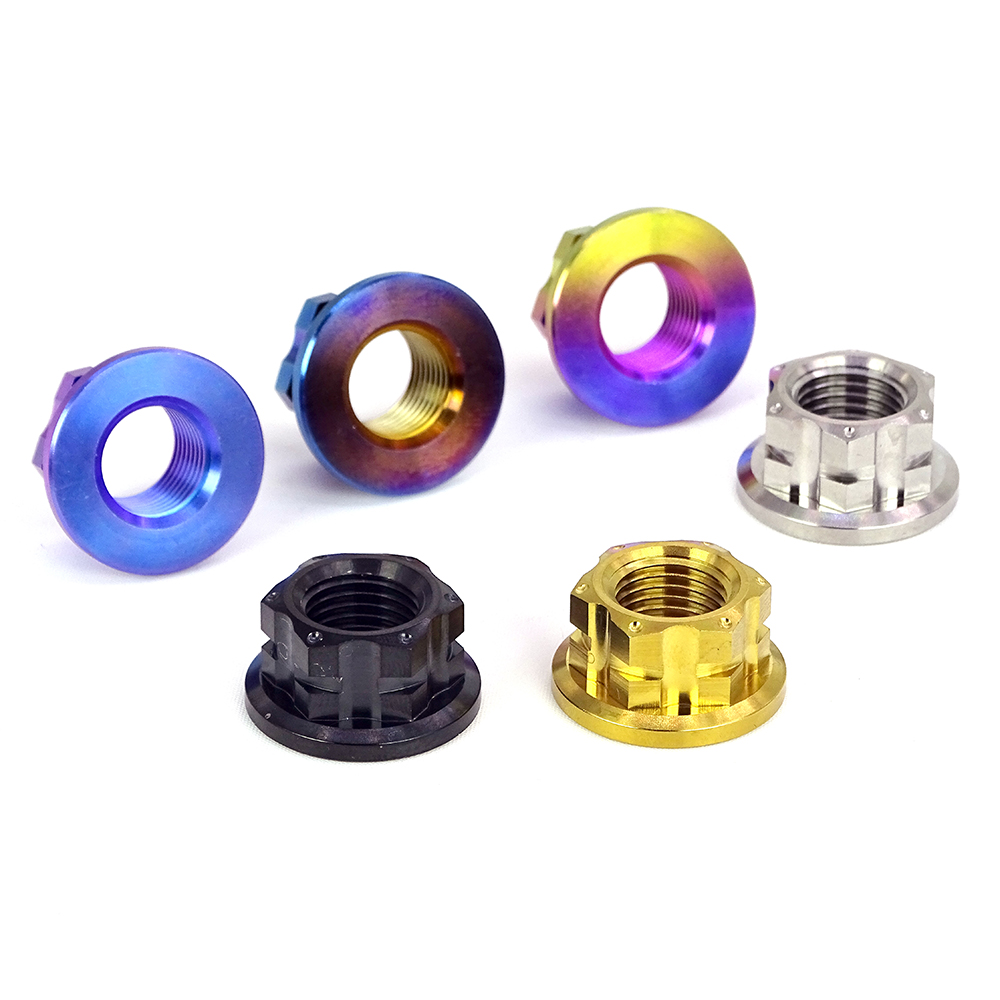
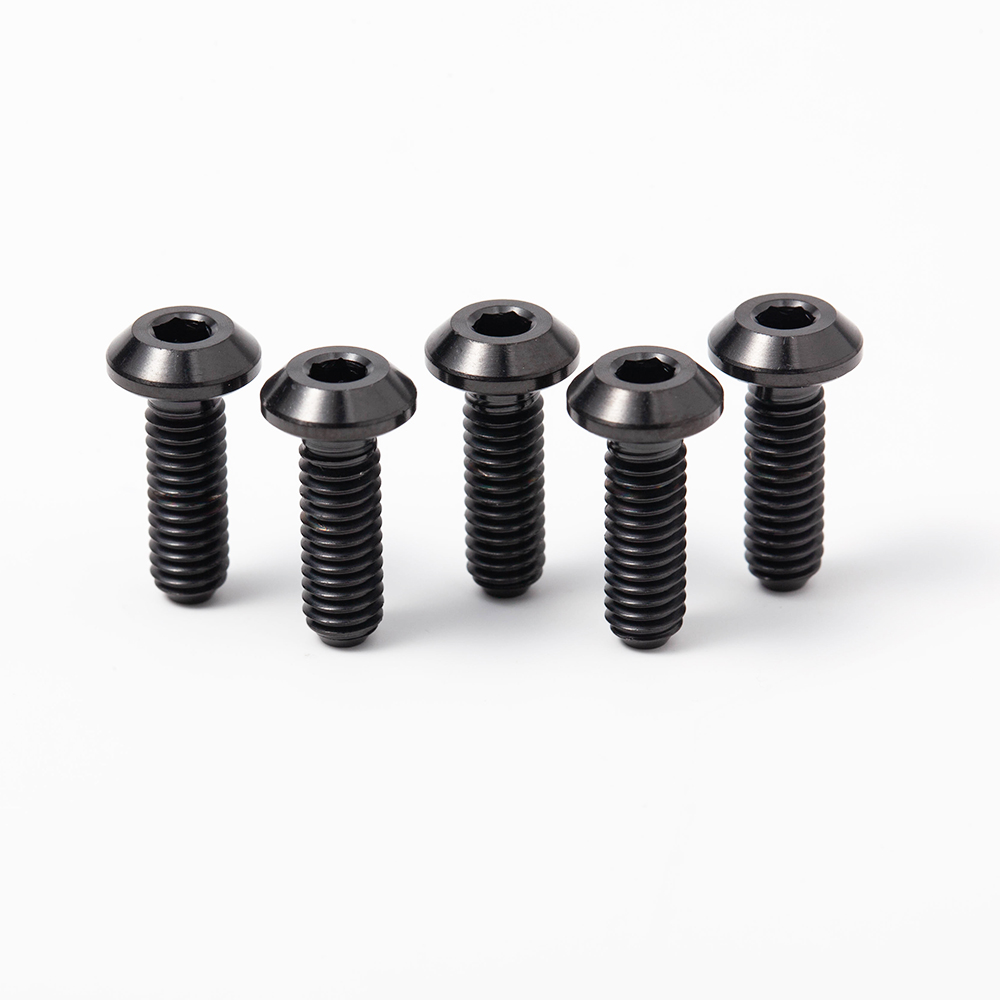
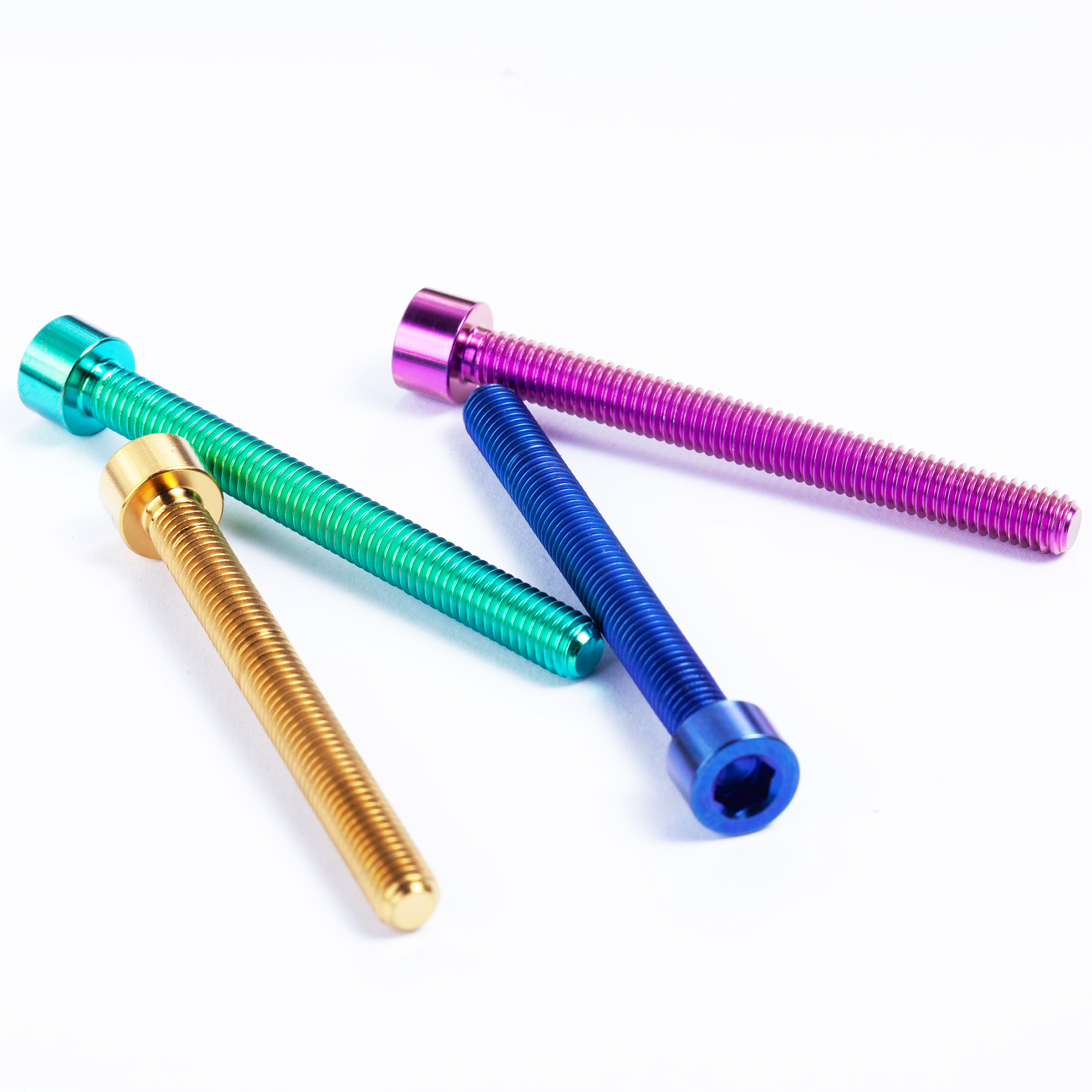
Automated anodizing lines deliver vibrant, fade-resistant color options (burnt blue, gold, purple, green, rainbow, raw polished, black PVD) without altering thread pitch dimensions or torque specs.
Global Export & Compliance
Exporting over 90% of production to top tier buyers in the United States, Germany, United Kingdom, and Canada. Fully compliant with RoHS, REACH chemical safety, and EPR packaging regulations.
Rapid Prototyping & Flexible MOQ
From low-volume prototype validation batches to high-volume OEM assembly runs, our streamlined supply chain reduces lead times down to 7–14 days for custom socket screw projects.
Product Development & Technical Trends
Key design innovations shaping the next generation of titanium alloy socket fasteners.
As industrial automation, electric vehicles (EVs), unmanned aerial vehicles (UAVs), and ultra-lightweight sports hardware demand higher energy efficiency, the global market for titanium socket fasteners is undergoing significant technical evolution:
1. Hollow-Dome Weight Optimization (Weight-Saving Geometries)
Engineers are moving beyond standard DIN 912 solid head profiles. Modern high-end titanium socket head cap screws feature internal CNC pocketing, bored-out shanks, and tapered dome heads. This removes non-critical material near the neutral axis of the screw head, delivering an additional 12% to 18% weight reduction without compromising axial clamping force or hex key drive engagement depth.
2. Torx Plus (6-Lobe Extra) & Internal Drive Innovation
While traditional internal hexagon (Allen) sockets remain the global standard, high-torque industrial applications are rapidly adopting 6-lobe Torx and Torx-Plus drives. Torx drives convert drive angle forces from a $60^\circ$ contact angle (hex) to nearly $90^\circ$, eliminating radial cam-out forces and preventing socket stripping during repeated high-torque pneumatic installation.
3. PVD Vapor Deposition and Micro-Arc Oxidation (MAO)
Classic electrochemical anodizing remains popular for aesthetic coloring, but aerospace and racing teams are adopting Titanium Nitride (TiN), Titanium Carbonitride (TiCN), and DLC (Diamond-Like Carbon) coatings applied via Physical Vapor Deposition (PVD). DLC coatings increase surface hardness to over 2,000 HV (Vickers Hardness), lowering the friction coefficient to under 0.1 and providing scratch resistance for extreme outdoor environments.
4. Integration with Additive Manufacturing (3D Printing Hardware)
With the rise of Direct Metal Laser Sintering (DMLS) in aerospace, titanium socket screws are increasingly designed to mate directly with 3D-printed titanium structures. Matching thermal expansion coefficients ($\alpha = 8.6 \times 10^{-6} / K$) between fastener and substrate prevents joint relaxation caused by thermal cycling in high-temperature engine compartments.
Future Procurement Trends for Global Buyers
Strategic sourcing insights for procurement officers navigating raw material volatility and global supply chain shifts.
Strategic purchasing managers sourcing titanium fasteners from China must adapt to evolving trade dynamics, carbon reporting directives, and quality audit standards:
Near-Term & Long-Term Supply Chain Shifts
- Digital Material Passports & Complete Traceability: EU and North American buyers require raw titanium sponge traceability back to the primary melt furnace. Suppliers providing MTC 3.1 documentation with chemical heat numbers, ultrasonic defect testing records, and tensile test charts win long-term contract allocations.
- ESG & Low-Carbon Titanium Smelting: Titanium sponge reduction is energy-intensive. Tier-1 buyers favor manufacturing plants using recycled scrap titanium (vacuum arc remelting - VAR) and renewable-energy powered machining facilities to meet corporate scope-3 carbon reduction targets.
- Consolidated OEM Vendor Programs: Rather than sourcing blank bolts and outsourcing third-party anodizing or thread-locking patches, procurement departments are consolidating contracts with integrated factories like Wexra Titanium that handle hot forging, CNC turning, color anodizing, and nylon patch pre-application under one roof.
Frequently Asked Questions (FAQ)
Technical and logistics answers for procurement engineers and B2B buyers.
How do I determine whether my application requires Grade 2 or Grade 5 titanium socket screws?
Select Grade 5 (Ti-6Al-4V) if the bolt is subject to high structural load, dynamic shear, or high tensile fatigue (e.g., brake caliper mountings, handlebar stems, wheel lug bolts, or engine mounts). Grade 5 offers ~950 MPa tensile strength. Select Grade 2 if your primary requirement is extreme chemical/seawater corrosion resistance, non-magnetic properties, or lower cost in low-stress decorative hardware.
What is the recommended installation torque for titanium socket cap screws?
Grade 5 titanium screws should typically be torqued to approximately 80%–85% of the torque values used for Grade 10.9 steel bolts of equivalent thread diameter, always utilizing copper anti-seize paste or molybdenum grease on threads. For example, a dry M6 Grade 5 titanium bolt is generally tightened to 9.5–10.5 Nm, whereas lubricated threads require 8.0–8.5 Nm to achieve target clamp load.
Does titanium anodizing affect thread tolerances or dimensional pitch?
No. Titanium anodizing is an electrochemical process that controlled-grows the natural transparent titanium oxide ($TiO_2$) surface layer to interfere with light wavelengths and create visible spectrum colors (blue, gold, purple, rainbow). Unlike aluminum anodizing (which adds 10–25 microns of coating thickness), titanium anodizing creates oxide layers under 0.2 microns (200 nm), having zero measurable impact on thread pitch gauge fit (6g / 6H compliance).
Can Jiaxing Wexra Titanium manufacture custom non-standard socket screw dimensions?
Yes. We specialize in custom OEM manufacturing. We produce custom thread pitches (UNF, UNC, Fine Metric Pitch), non-standard shank lengths, hollow head designs, drill holes for safety lock-wire, and custom head shapes according to your CAD drawings or physical samples.
What quality certification documents accompany B2B export shipments?
Every order can be supplied with EN 10204 3.1 Material Test Certificates (MTC) stating exact chemical element compositions (Al, V, Fe, C, N, H, O, Ti balance) and mechanical testing yield/tensile metrics, along with RoHS and REACH compliance certificates and dimensional optical inspection reports.
Ready to Request a Wholesale Quote or Custom Prototype?
Send us your technical drawings, required titanium grade specifications, finish preference, and estimated order quantity. Our engineering team responds within 8 business hours with DFM advice and factory-direct pricing.