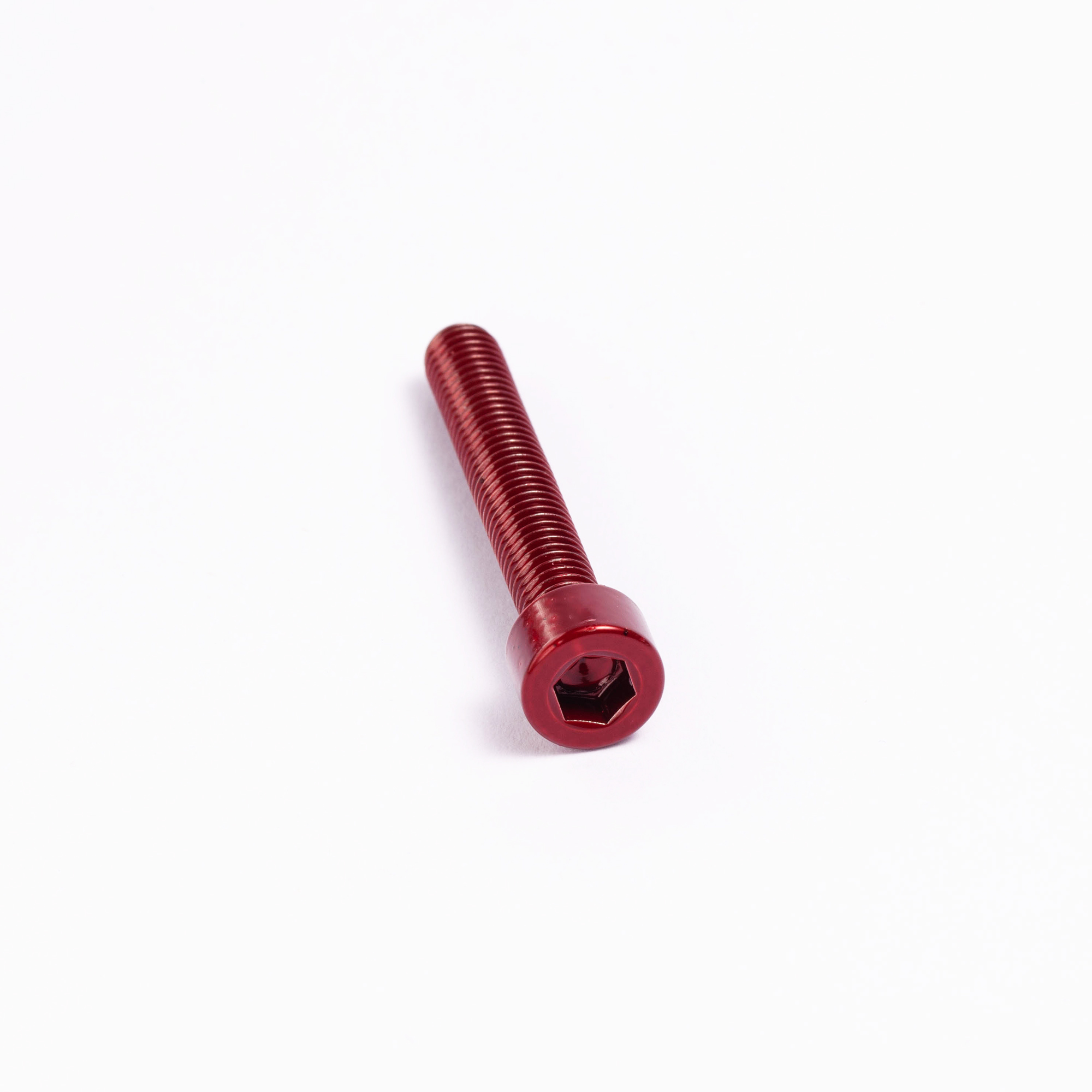
Precision Catalog Selection
High-Performance Titanium Hardware & Specialized Assemblies
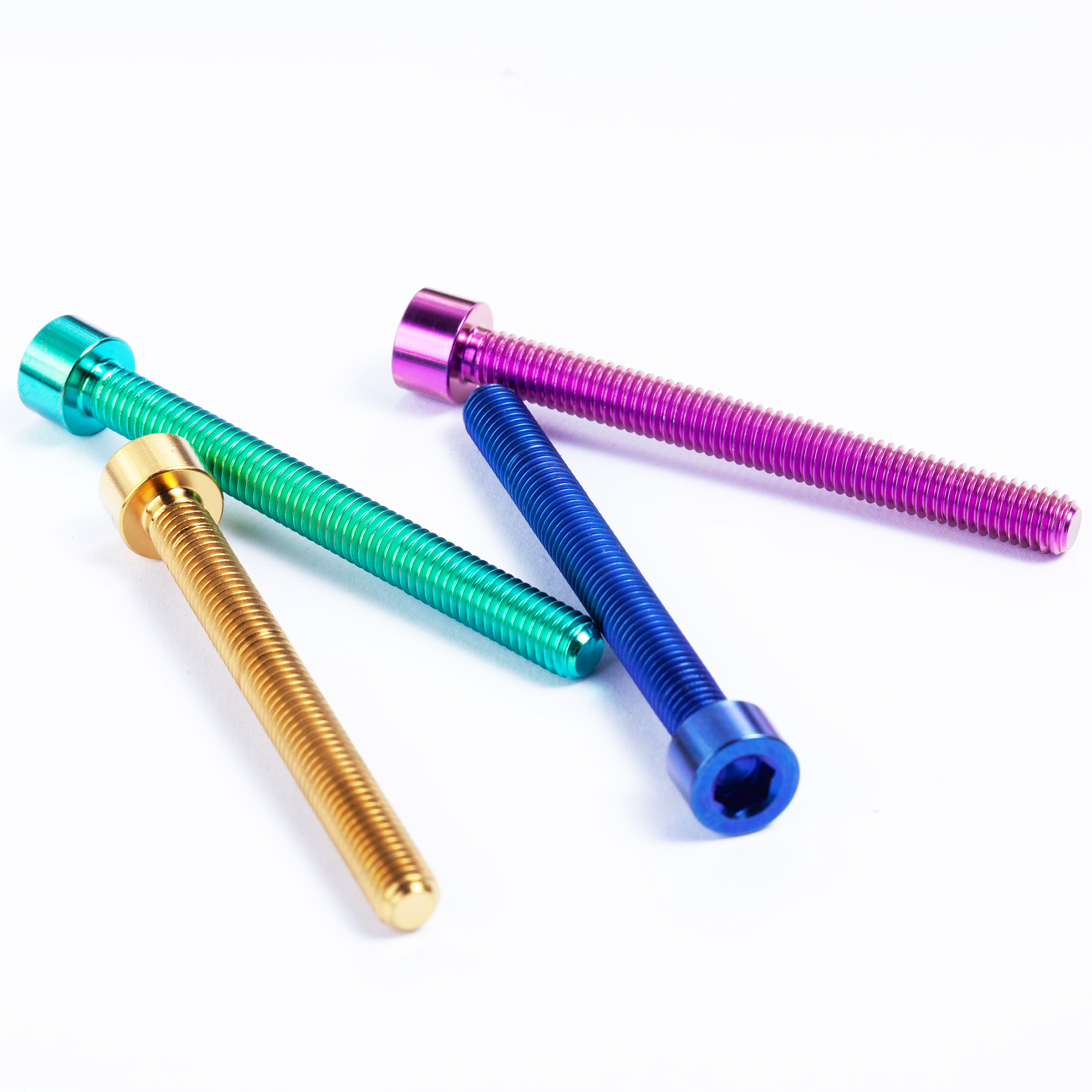
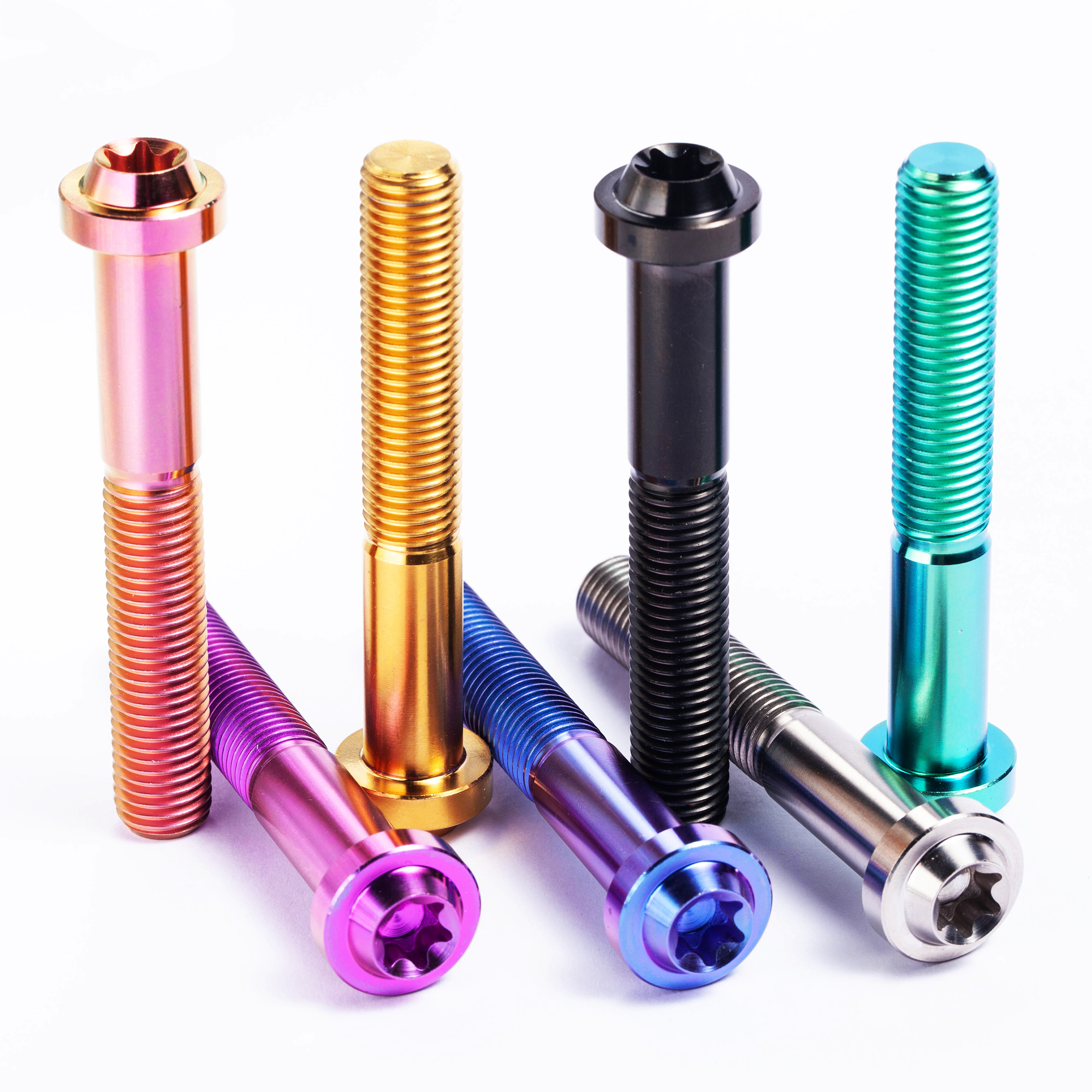
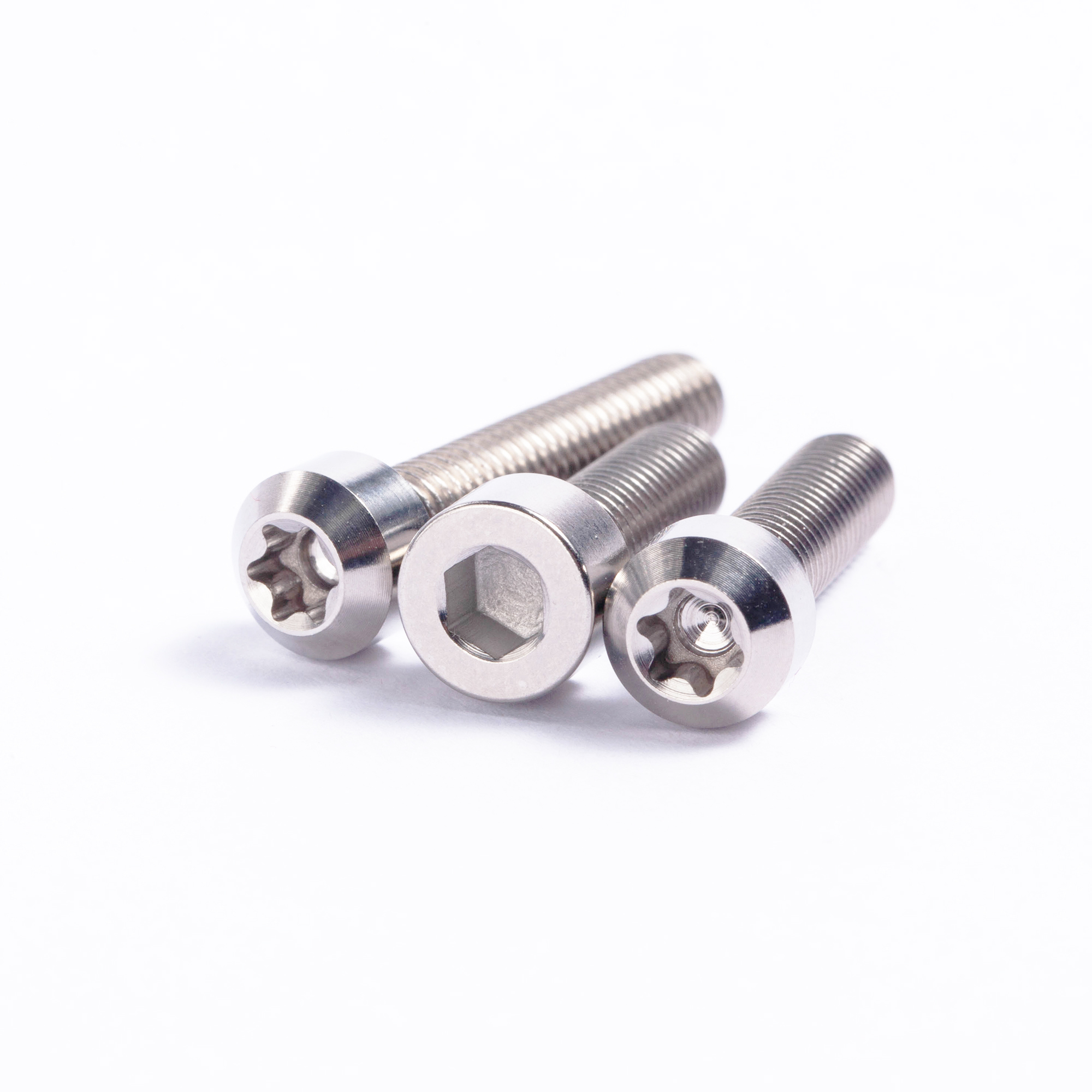
Engineered to exact DIN/ISO specifications with certified raw materials (Ti-6Al-4V Grade 5 & Grade 2 CP), tailored for precision instruments, motorsport systems, and robotic gearboxes.
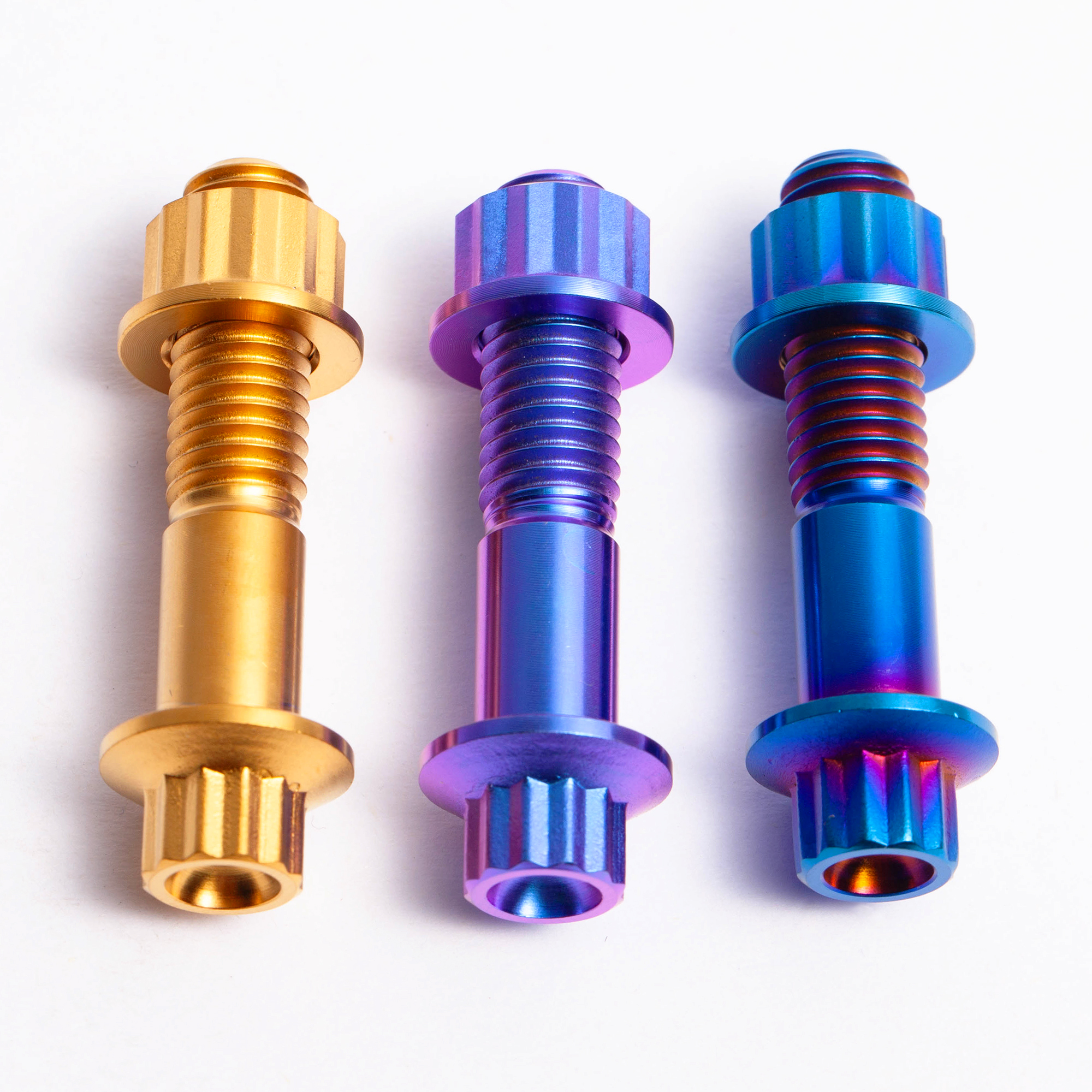
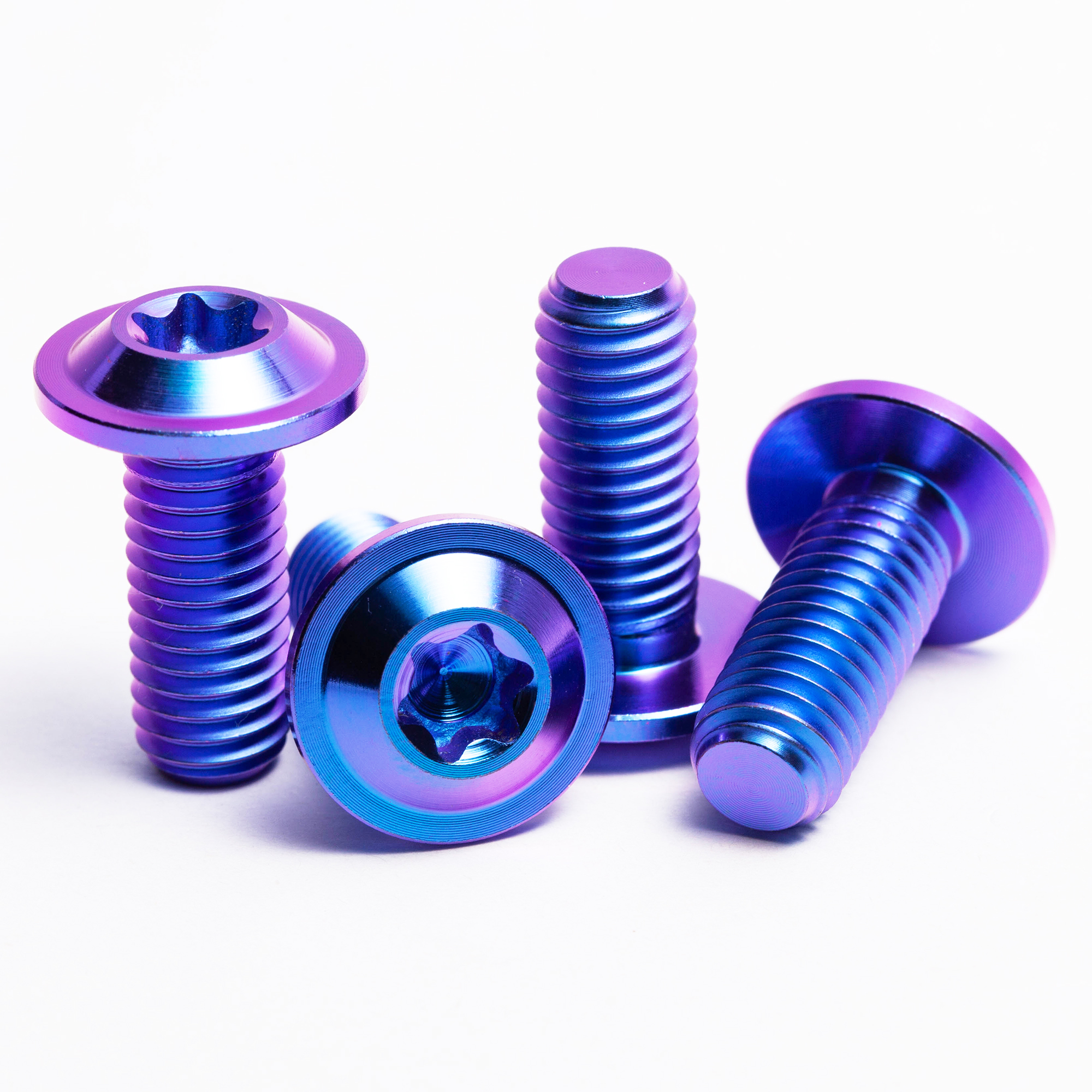
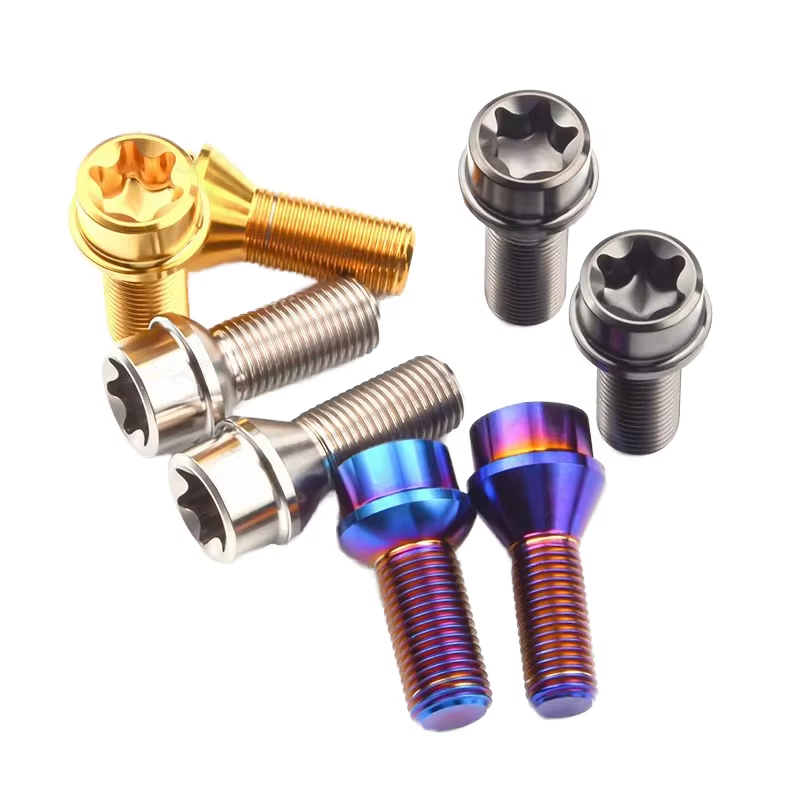
Engineering Whitepaper Analysis
Comparative Mechanics: Grade 5 & Grade 2 Titanium vs. High-Tensile Steels
A rigorous metallurgical comparison designed for Bern’s precision toolmakers, watchmaking automation engineers, and medical instrumentation designers seeking to optimize tensile efficiency and inertia.
| Alloy Grade & Standard | Yield Strength (Rp0.2 MPa) | Tensile Strength (Rm MPa) | Density (g/cm³) | Elastic Modulus (GPa) | Fatigue Endurance Limit | Thermal Expansion (×10⁻⁶/K) | Bern Precision Suitability |
|---|---|---|---|---|---|---|---|
| Titanium Gr5 (Ti-6Al-4V) DIN 976 | 828 min | 895 – 1000 | 4.43 | 114 | 510 MPa (10⁷ cycles) | 8.6 | Critical Mechanical Load |
| Titanium Gr2 (ASTM B348 CP) | 275 – 350 | 345 – 480 | 4.51 | 105 | 240 MPa (10⁷ cycles) | 8.6 | Chemical & Cryogenic |
| Stainless Steel 1.4404 (316L) | 220 – 250 | 520 – 680 | 8.00 | 193 | 260 MPa (10⁷ cycles) | 16.0 | Standard Laboratory |
| High-Tensile Alloy Steel (Class 10.9) | 940 min | 1040 – 1200 | 7.85 | 210 | 420 MPa (10⁷ cycles) | 11.5 | Heavy Automotive Only |
*All mechanical metrics are verified under room temperature via calibrated tensile testing under ISO 6892-1 protocols. Material Test Certificates (MTC EN 10204 3.1) accompany every production lot dispatched to Bern and Switzerland.
Industrial Integration
Localized Applications Across the Canton of Bern
From the medical tech clusters in the Bernese Mittelland to the high-precision aerospace and horological automation workshops of the Bernese Jura, our titanium threaded rods resolve critical physical constraints.
MedTech Cleanroom Assemblies
Bern is renowned for surgical device innovation and orthopedic laboratory research. Titanium Grade 5 and Grade 2 threaded rods deliver biocompatibility (ISO 10993 compliant), complete passivity to human tissue, and non-magnetic immunity essential inside MRI diagnostics and sterilizable robotic staging fixtures.
Micro-Automation & Watchmaking Tooling
Within the precision corridor spanning Biel/Bienne and the Jura mountain district, high-speed pick-and-place robotics and electro-erosion jigs demand minimal inertia. Titanium full-thread studs offer a 44% mass reduction compared to steel, dampening vibration and eliminating thermal distortion under sustained automated cycles.
Aerospace & Alpine Environmental Sensors
Instruments installed across Alpine meteorological research stations and regional aerospace testing labs confront radical thermal fluctuations and de-icing chemicals. Our rolled-thread titanium rods prevent stress-corrosion cracking and withstand harsh atmospheric salt mist without protective plating degradations.
Strategic Development
Advanced Manufacturing Trends Driving Titanium in Bern
Market trajectories in Switzerland prioritize energy efficiency, decarbonization, and extreme miniaturization across tier-one machine building.
Kinetic Energy Optimization
Swiss robotics designers in Burgdorf and Thun are systematically stripping rotating and reciprocating mass to comply with strict Swiss energy efficiency ratings, positioning titanium fasteners at the center of mechanical optimization.
Additive-Subtractive Hybrid Assemblies
The rapid adoption of titanium 3D metal printing across Bernese laboratories necessitates post-machined, rolled-thread coupling studs that guarantee uniform preload distribution without causing galvanic micro-corrosion.
Aggressive Chemical Processing
Specialty chemical facilities and analytical chromatography manufacturers throughout Western Switzerland are abandoning 316L stainless steel due to chloride pitting, transitioning into unalloyed Grade 2 continuous threaded tie-rods.
Extreme Cryogenic Instrumentation
Advanced physics laboratories affiliated with the University of Bern rely on Grade 5 titanium rods for cryogenic structural supports due to titanium’s remarkable ductility retention at temperatures dipping below -196°C.
Precision Manufacturing Advantage
Jiaxing Wexra Titanium Products Co., Ltd.
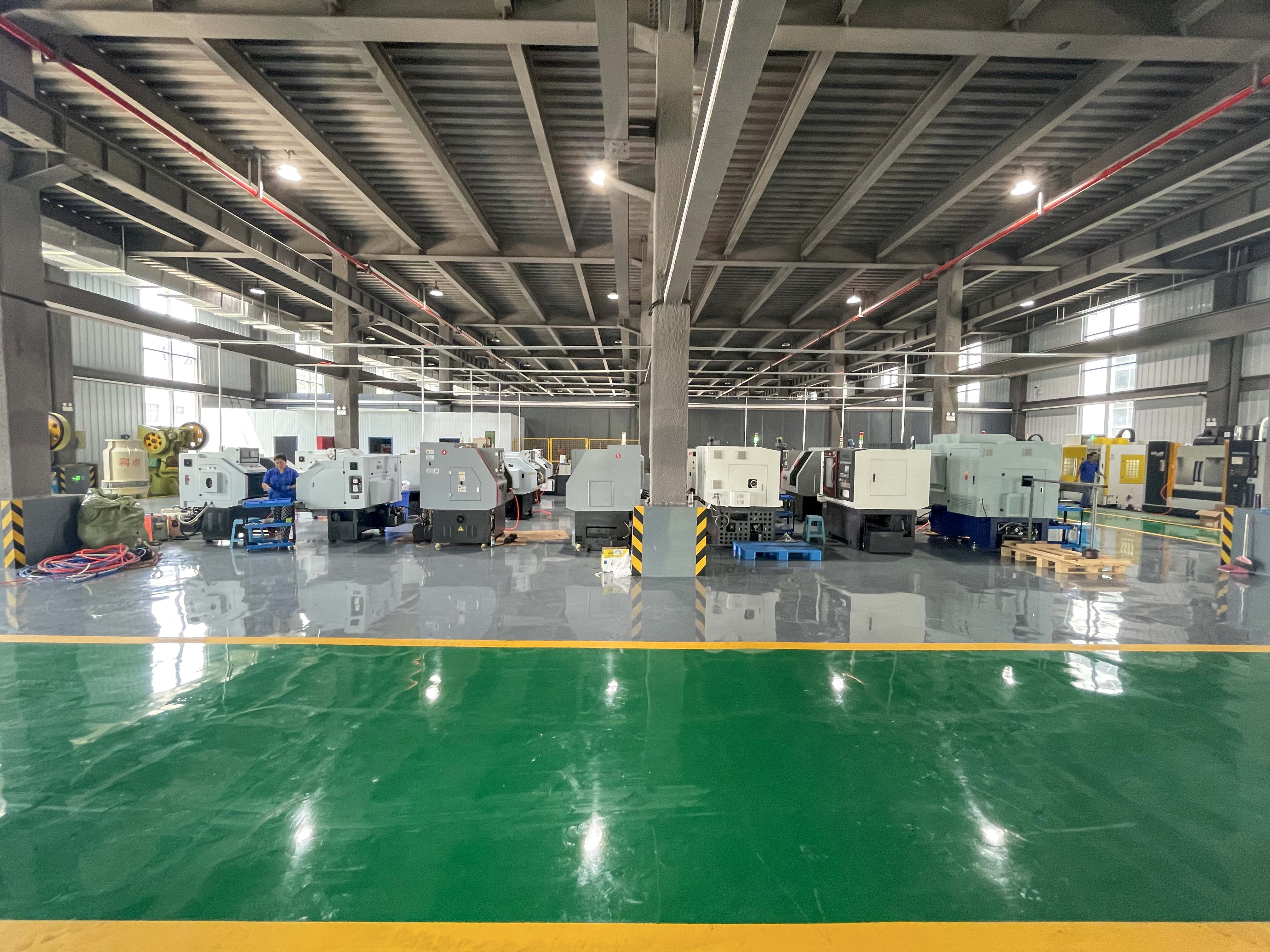
Operating since 2018 with a 100% focus on titanium metallurgy, we bridge tier-one manufacturing capacity with Swiss-grade quality expectations. Spanning over 1,000 m² of specialized production area, our in-house CNC machining centers and cold-rolling thread infrastructure guarantee absolute dimensional repeatability.
-
Cold-Rolled Grain Alignment: Continuous thread forming that maintains structural grain continuity, delivering 30% higher fatigue resistance compared to cut threads.
-
Micro-Tolerances down to ±0.01 mm: Rigorous 6g/6h thread gauging ensuring frictionless integration with Swiss automation brackets and tapped chambers.
-
End-to-End European Compliance: Comprehensive documentation package including EN 10204 3.1 MTC, RoHS, REACH, and EPR packaging conformity.
Procurement Intelligence
Frequently Asked Questions: Sourcing Titanium Rods for Bern
Direct answers addressing metallurgical validation, thread anti-seize protocols, customs clearances, and Swiss logistics.
What distinguishes cut threads from rolled threads on your DIN 975/DIN 976 titanium rods?
We utilize cold-thread rolling rather than single-point cut turning for our standardized and custom titanium rods. Cold rolling plastically deforms the titanium bar, compressing the crystalline grain structure along the thread contours. This eliminates micro-fissures and sharp notch stress concentrators, providing a 25% to 35% improvement in dynamic fatigue strength and a smoother thread flank surface that reduces galling risks during high-torque assembly in Swiss machinery.
How do we prevent galling (cold-welding) when mating titanium threaded rods with titanium nuts?
Titanium’s spontaneous titanium dioxide (TiO₂) protective oxide film can break down under high friction contact, leading to galling. For cleanroom or medical installations in Bern, we recommend our specialized micro-arc oxidation, anodized finishes, or MoS₂ dry-film lubricants. For mechanical assemblies, pairing Grade 5 rods with Grade 2 nuts or applying high-grade anti-seize paste (such as nickel or copper-based lubricant paste) ensures consistent preload and galling-free disassembly.
What material inspection documentation is supplied to satisfy Swiss quality audits?
Every batch dispatched to Switzerland is accompanied by an inspection certificate according to EN 10204 Type 3.1. This includes full chemical ingot spectroscopy (verifying Al, V, Fe, C, N, H, and O PPM content), mechanical yield and tensile test results, elongation percentage, and optical comparator dimensional reports ensuring conformity to DIN 975/DIN 976 tolerances.
What are the lead times and logistical terms for delivering industrial batches to Bern?
Standard metric threaded rods (M3 to M24 in lengths of 100mm, 250mm, 500mm, and 1000mm) are held in raw stock or semi-finished inventories, shipping within 3 to 7 business days. Custom CNC turned ends or bespoke pitch profiles typically ship in 12 to 18 business days. We offer air express (DHL/FedEx/Swiss Post direct) reaching Bern-Belp or Zurich-Airport within 3-5 transit days with complete Swiss customs clearance documentation (Incoterms DAP/DDP upon request).
Accelerate Your Engineering Project in Bern
Consult directly with our titanium metallurgists and CNC manufacturing specialists. From single-meter prototype rods to high-volume recurring industrial contracts, Wexra delivers certified accuracy and metallurgical traceability.