±0.01 mm
CNC Machining Tolerance
895+ MPa
Gr5 Tensile Strength
44% Less
Unsprung Mass vs Steel
ISO 9001
Certified Quality System
Precision Portfolio
Featured Titanium Fasteners & Kinematic Linkage Hardware
Tested in demanding industrial environments, our precision-machined titanium hardware delivers superior shear strength, zero galvanic rusting, and structural weight reduction for advanced suspension systems in the Kansai industrial corridor.
⚙Technical Whitepaper: Metallurgy and Unsprung Mass Optimization
When selecting suspension components for high-frequency damping, precision shock linkage, and dynamic wishbone assemblies, reducing unsprung mass is the single most effective intervention for mechanical responsiveness. In road vehicle kinematics, high-speed rail, and advanced servo-actuated robotics, mass located outboard of the suspension springs directly influences tire compliance, contact patch consistency, and high-frequency resonance dampening.
As an established exporter serving Japan's industrial design hubs, Jiaxing Wexra Titanium Products Co., Ltd. delivers cold-rolled and CNC-machined Grade 5 (Ti-6Al-4V) components designed to withstand severe shear loads, alternating stress amplitudes, and continuous thermal cycling. With a yield strength exceeding 825 MPa and an ultimate tensile threshold around 895 to 1000 MPa, our Gr5 titanium delivers the structural modulus of class 10.9 alloy steel while shedding 44% of the dead weight.
Kinematic Principle: Reducing unsprung suspension mass by 1.0 kg via titanium hub studs, damper retaining hardware, and bell-crank pivots equates dynamically to a 4.0 kg to 6.0 kg reduction in sprung chassis weight during lateral transient maneuvers and rough-surface rebound phases.
Furthermore, standard structural steels installed in suspension geometries endure galvanic degradation when exposed to road de-icing salts, acidic rainfall, and humid atmospheric cycles common to Japan. Wexra's fully inert Grade 5 and Grade 2 titanium fasteners naturally form a stable, self-passivating titanium dioxide (TiO2) microscopic film. This impervious barrier guarantees indefinite immunity against pitting, stress corrosion cracking (SCC), and environmental degradation.
Mechanical Verification
Material Specification Benchmark for Suspension Engineers
Comparative structural thresholds across ASTM B348 Grade 5 Titanium, Commercially Pure Grade 2, and common automotive suspension steels.
| Mechanical Characteristic | Titanium Ti-6Al-4V (Gr5) | Commercially Pure Ti (Gr2) | Austenitic SS 304 | Alloy Steel Class 10.9 |
|---|---|---|---|---|
| Density (ρ) | 4.43 g/cm³ | 4.51 g/cm³ | 7.93 g/cm³ | 7.85 g/cm³ |
| Tensile Strength (Ultimate) | 895 - 1050 MPa | 345 - 480 MPa | 515 - 700 MPa | 1040 MPa |
| Yield Strength (0.2% Offset) | 828 MPa | 275 MPa | 205 MPa | 940 MPa |
| Specific Strength (Yield / Density) | 187 kN·m/kg | 61 kN·m/kg | 26 kN·m/kg | 120 kN·m/kg |
| Fatigue Endurance Ratio | 0.50 – 0.60 | 0.45 – 0.50 | 0.35 – 0.40 | 0.40 – 0.45 |
| Atmospheric & Chloride Immunity | Permanent (TiO2 film) | Permanent (TiO2 film) | Moderate (Pitting risk) | Requires sacrificial coating |
| Magnetic Permeability | Non-Magnetic (μ ≈ 1.00005) | Non-Magnetic | Slightly magnetic when worked | Ferromagnetic |
Regional Applications
Engineering Deployments in the Kyoto & Kansai Ecosystem
Kyoto represents a unique fusion of precision mechatronics, historical craftsmanship, high-performance cycling culture, and pioneering clean-energy vehicle development.
🚴Pro-Tour Cycling & Keirin Racing
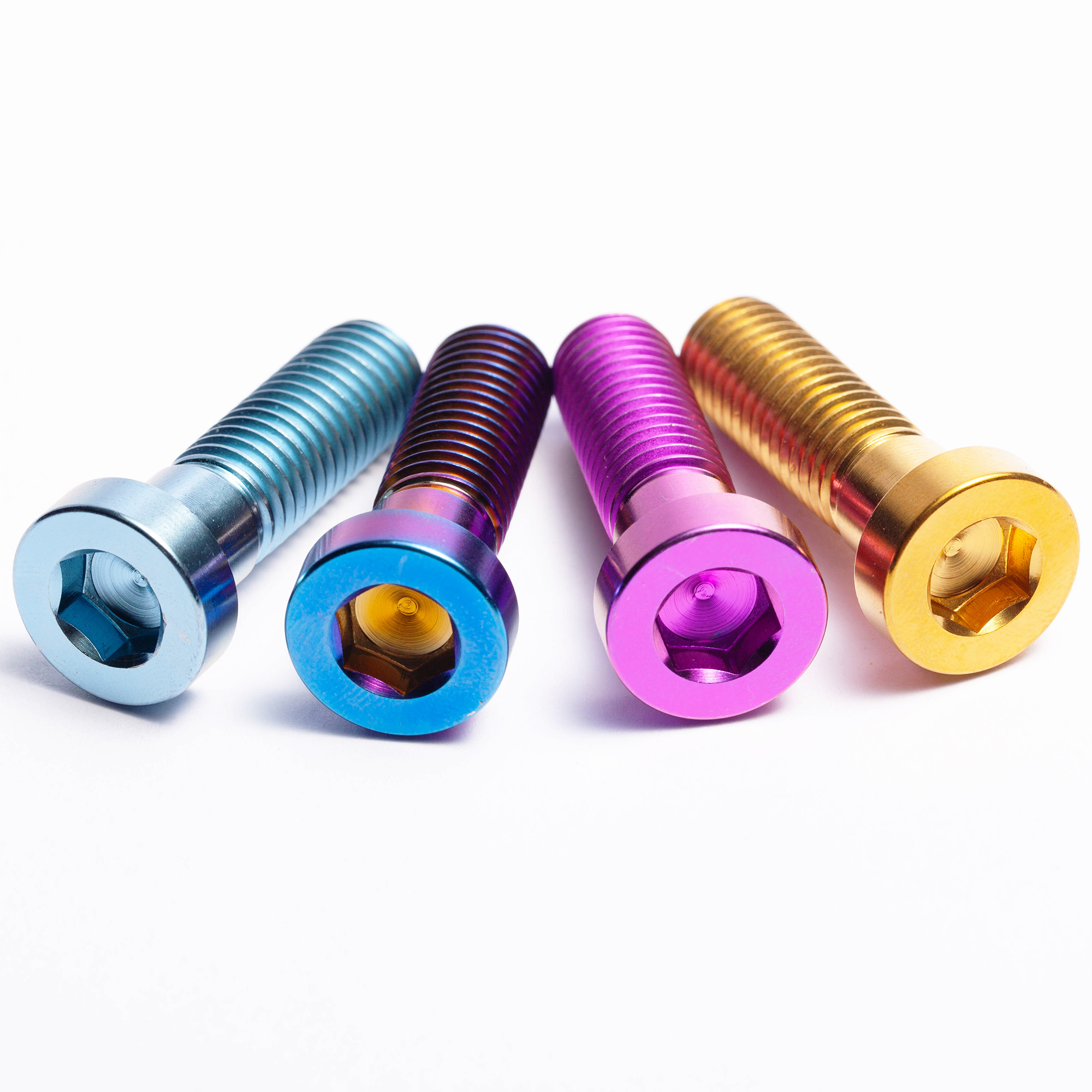
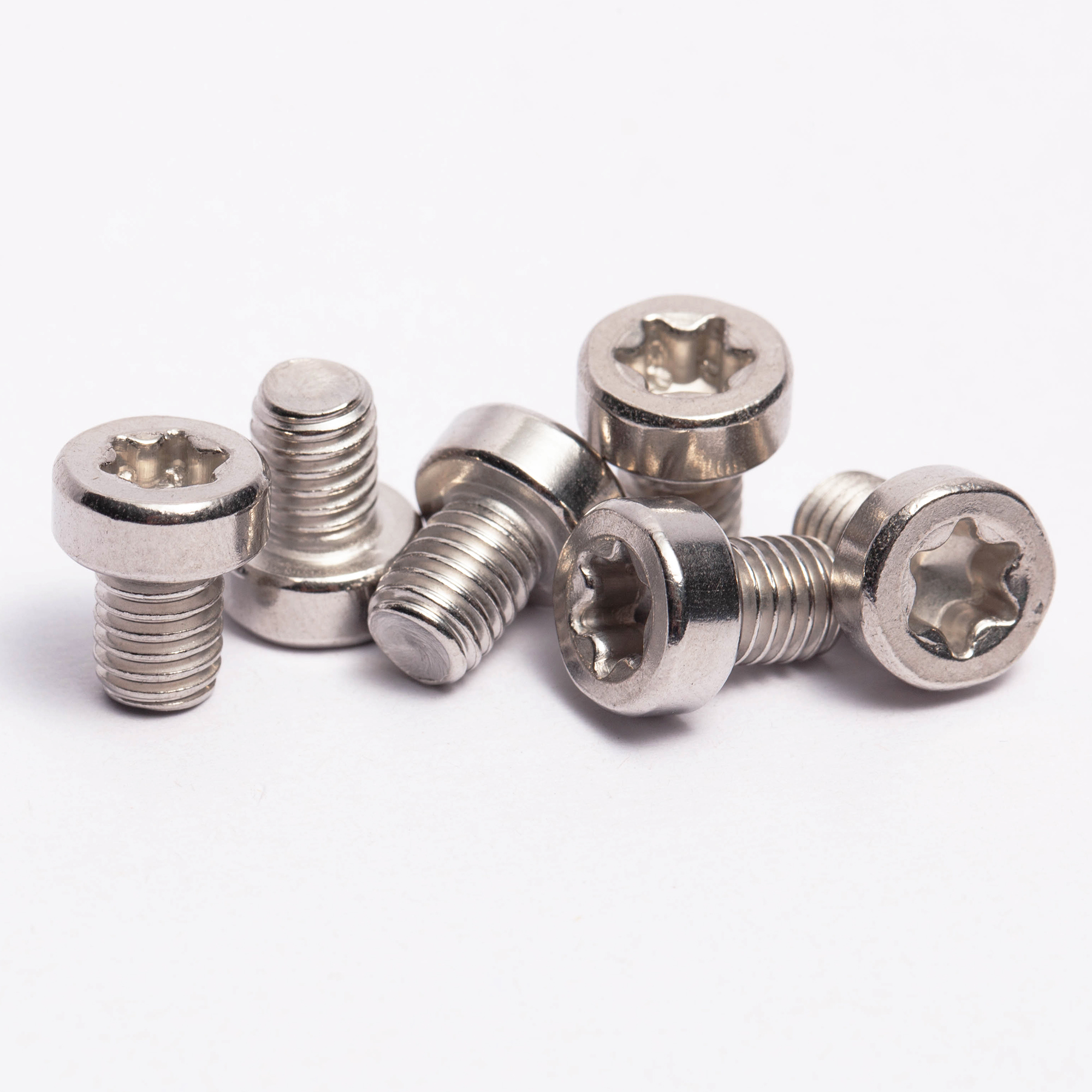
Kyoto's mountainous geography (Kitayama and Higashiyama) fuels a massive performance cycling community alongside elite track cycling programs. Our Gr5 low-head DIN 6912 bolts and countersunk sprocket fasteners eliminate critical rotating grams in wheel hubs, suspension forks, and bottom bracket linkages without risking fatigue failures under violent sprint wattages.
⚙Precision Robotics & Harmonic Drives
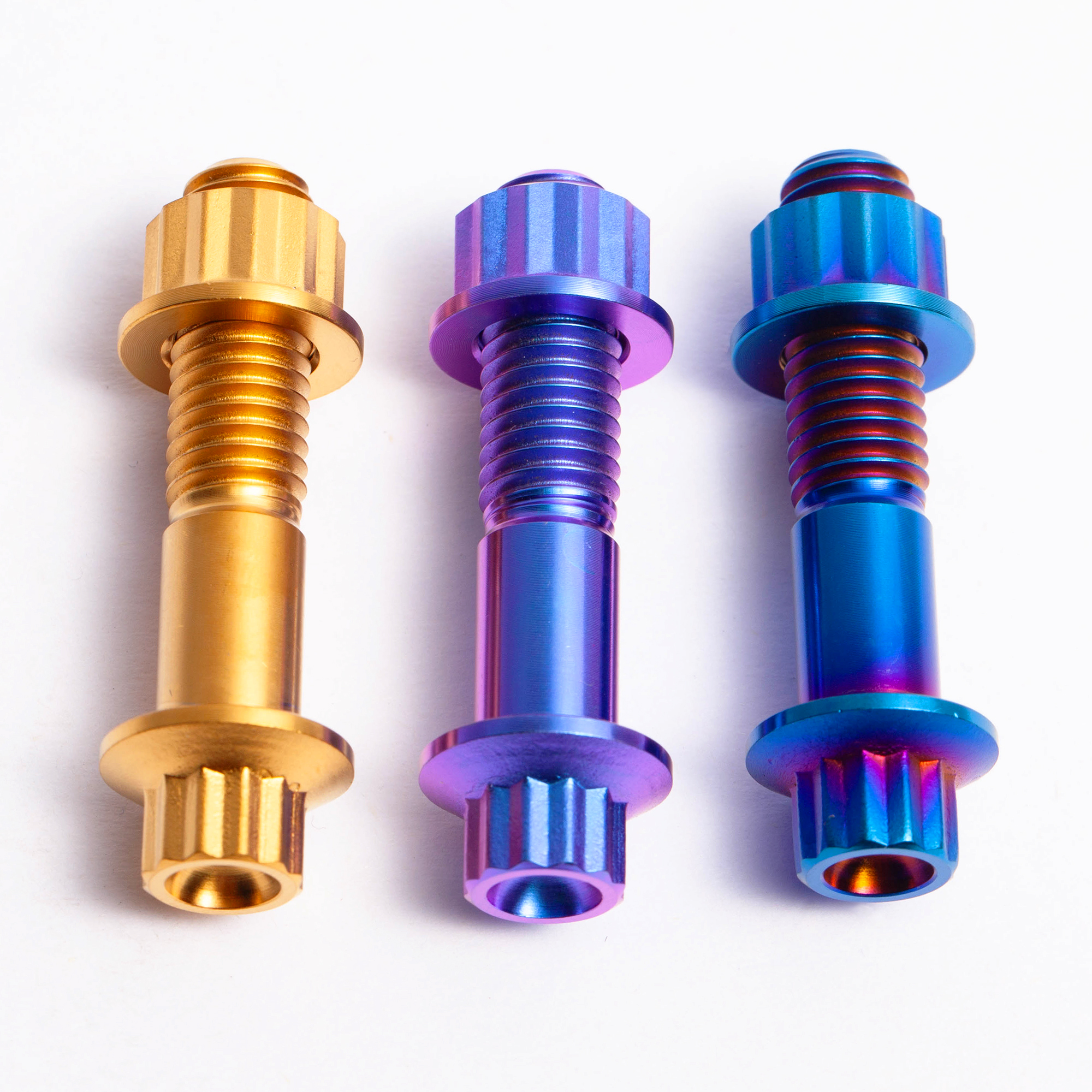
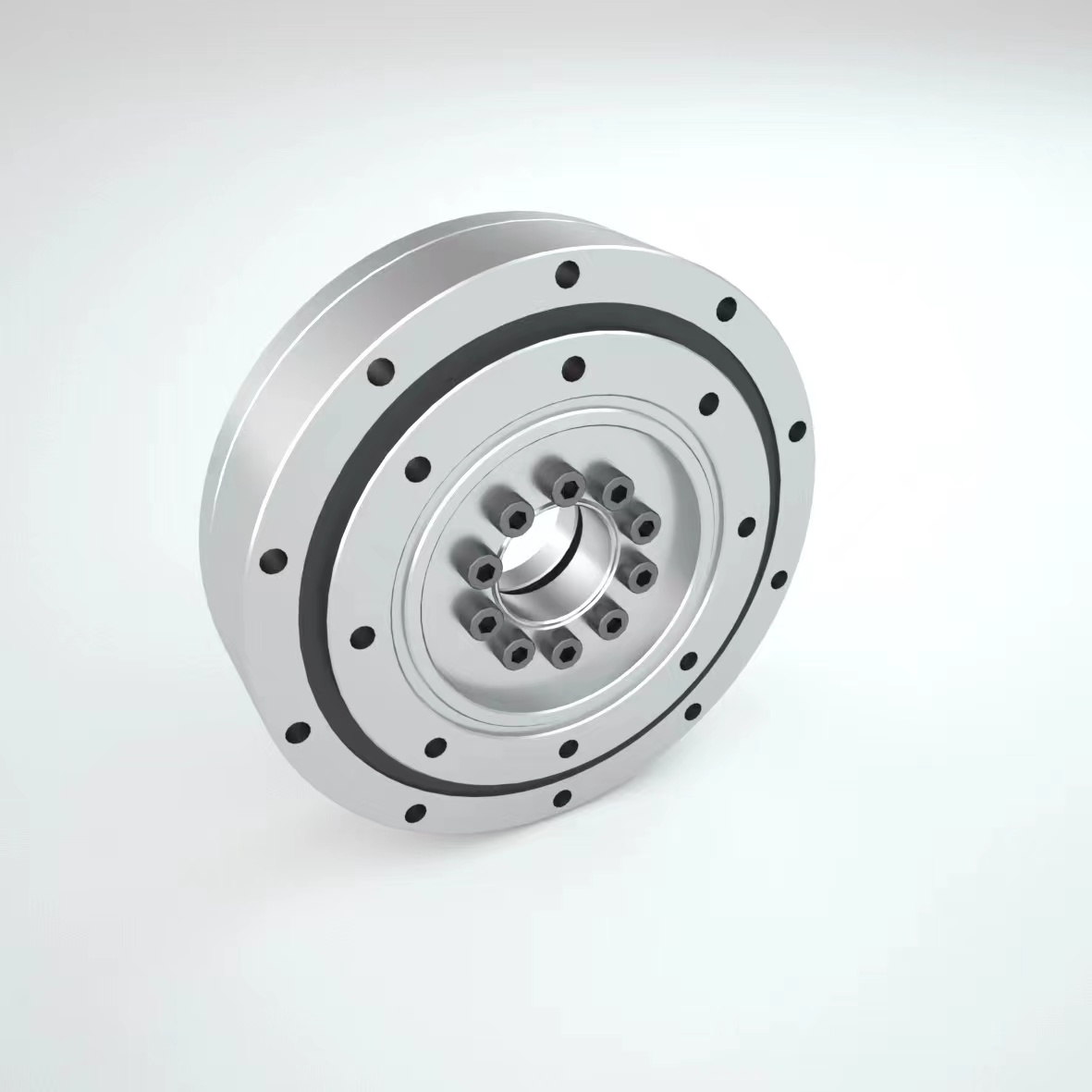
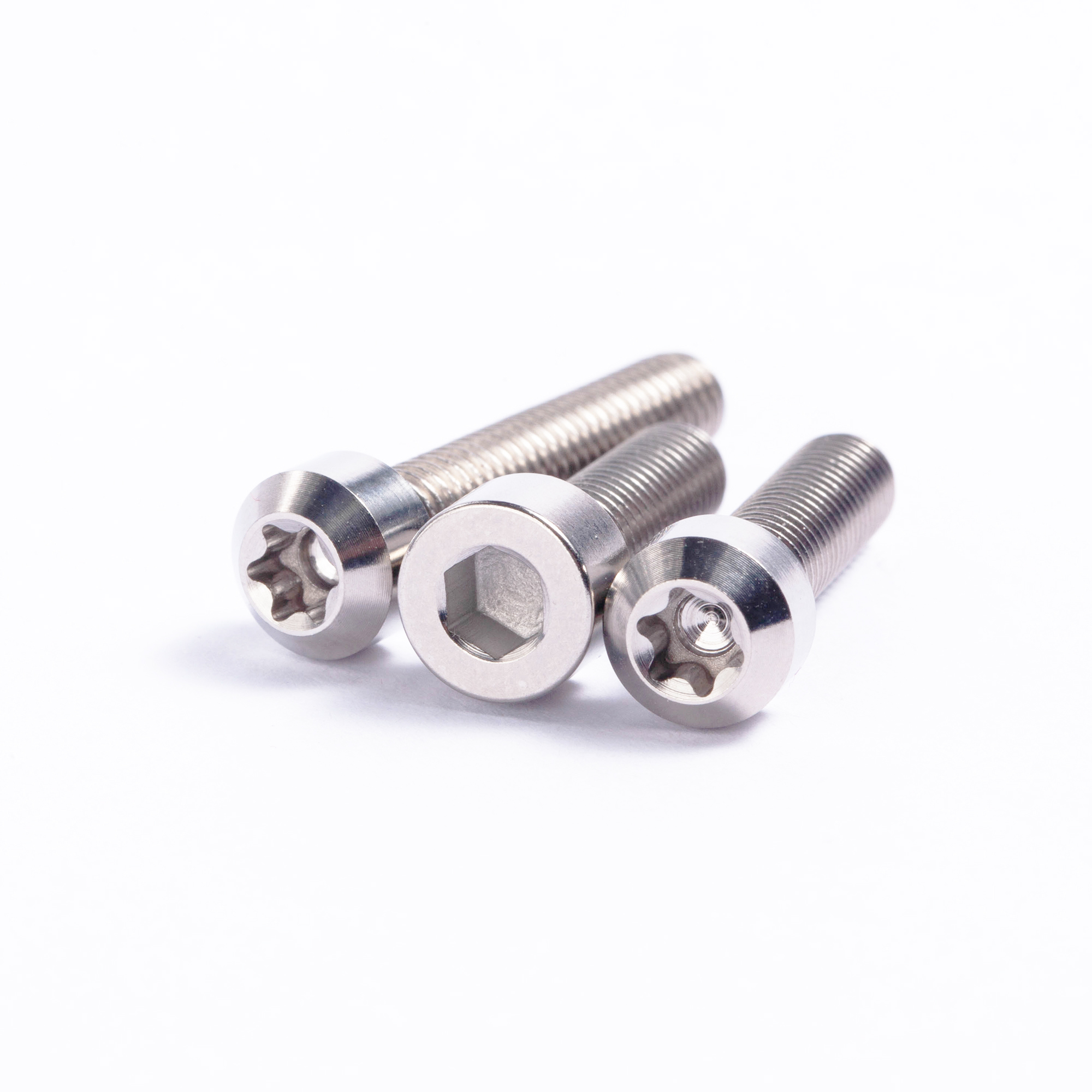
Home to world-class robotics research and sensor production facilities, Kyoto's industrial automation sector requires zero-backlash, lightweight kinematic links. Our INNOTECH DRIVE harmonic wave generators and customized step Torx hardware provide the non-magnetic, thermal expansion-matched attributes vital for articulated robotic arms and dynamic suspension pods.
🏁Kansai Superbike & Track Builds
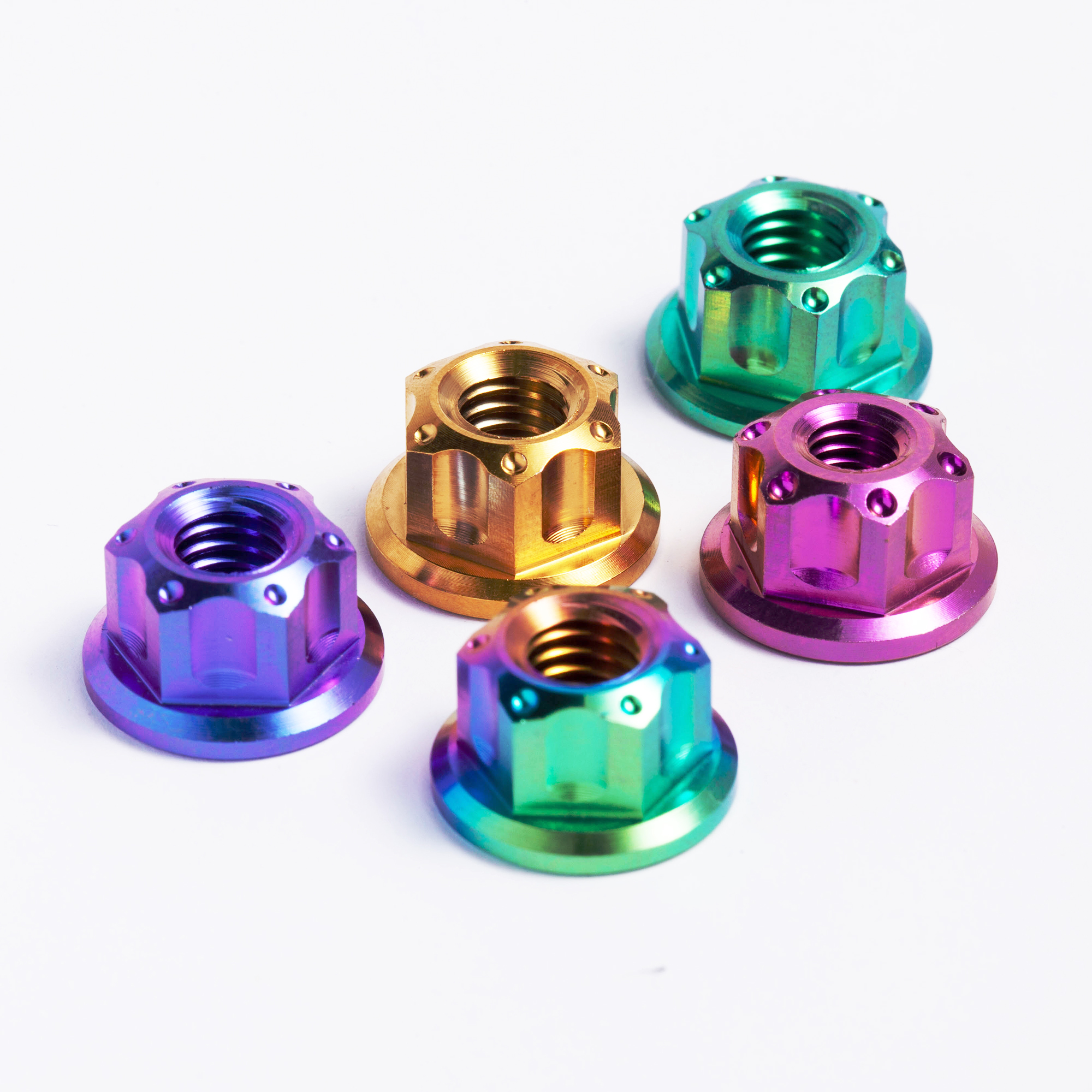
With close proximity to renowned race circuits like Suzuka and Central Circuit, custom motorsport workshops across Kyoto rely on Wexra's Gr5 flanged lock nuts, caliper hardware, and double stud fasteners. These components resist intense heat transfer from ceramic brake assemblies while lowering unsprung wheel inertia during aggressive apex cornering.
Future Forecasting
Market Evolution: Lightweighting Trends in Kyoto (2025–2030)
Strategic engineering vectors driving titanium procurement across Japan's advanced manufacturing corridor.
⚡
EV Powertrain Range Optimization
With Japan accelerating battery electric vehicle (BEV) and hydrogen fuel cell vehicle (FCEV) rollouts, heavy battery packs place unprecedented stress on suspension struts and trailing arms. Design teams are shifting away from plain steel to Grade 5 titanium links to counter curb-weight inflation and meet stringent range efficiency benchmarks.
🖊
Autonomous AGV Micro-Suspensions
Kyoto's automated logistics centers and semiconductor cleanrooms demand micro-suspension arrays for Automated Guided Vehicles (AGVs). These systems operate 24/7 and mandate zero particle flaking, non-magnetic properties, and frictionless damping—attributes uniquely fulfilled by anodized, rolled-thread titanium fasteners.
🌿
Life-Cycle Decarbonization
Japanese procurement protocols increasingly factor Total Cost of Ownership (TCO) and Scope 3 lifecycle sustainability into vendor evaluations. Titanium's indefinite service life eliminates recurring replacement cycles, sacrificial anti-rust re-coatings, and early mechanical scrap, aligning with Kyoto's global environmental leadership.
🏢Enterprise Advantages: Why Global Tier-1 Buyers Source From Wexra
Founded in 2018 in Jiaxing, Zhejiang, Jiaxing Wexra Titanium Products Co., Ltd. has developed into a dedicated specialist manufacturer handling commercially pure Grade 2 and alloy Grade 5 (Ti-6Al-4V) components. Unlike generalist hardware suppliers who handle titanium as an occasional side-line, 100% of our production plant, tooling geometry, coolant chemistry, and inspection equipment are engineered exclusively for the unique properties of titanium alloys.
Rolled Threading Integrity
Rather than single-point cutting which tears titanium's grain structure, Wexra applies hydraulic thread rolling. This continuous grain-flow method improves bolt fatigue limit by 30% to 40%, safeguarding critical suspension pinch-bolts.
End-to-End Traceability
Operated under ISO 9001:2015 management systems, every export batch includes full chemical composition spectrum analysis, mechanical tensile yield test reports (MTC according to EN 10204 3.1), and RoHS/REACH compliance paperwork.
Advanced Surface Aesthetics
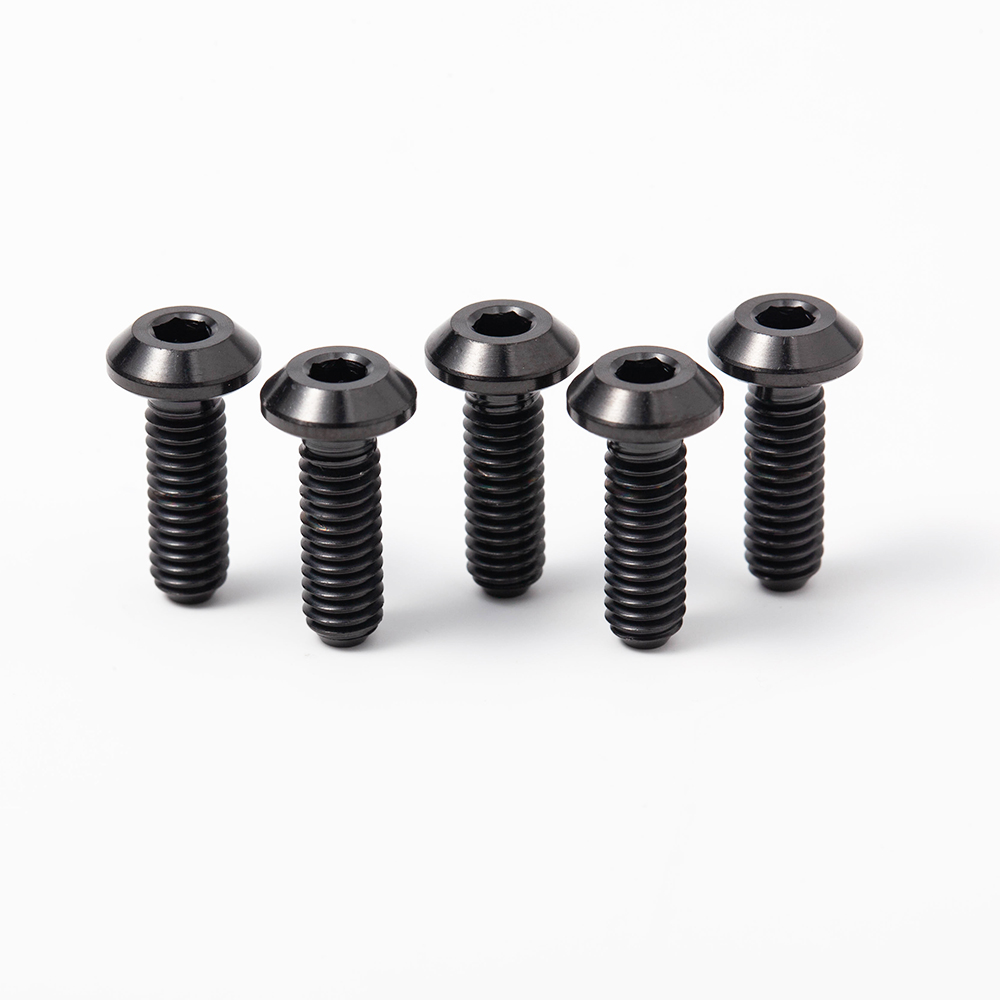
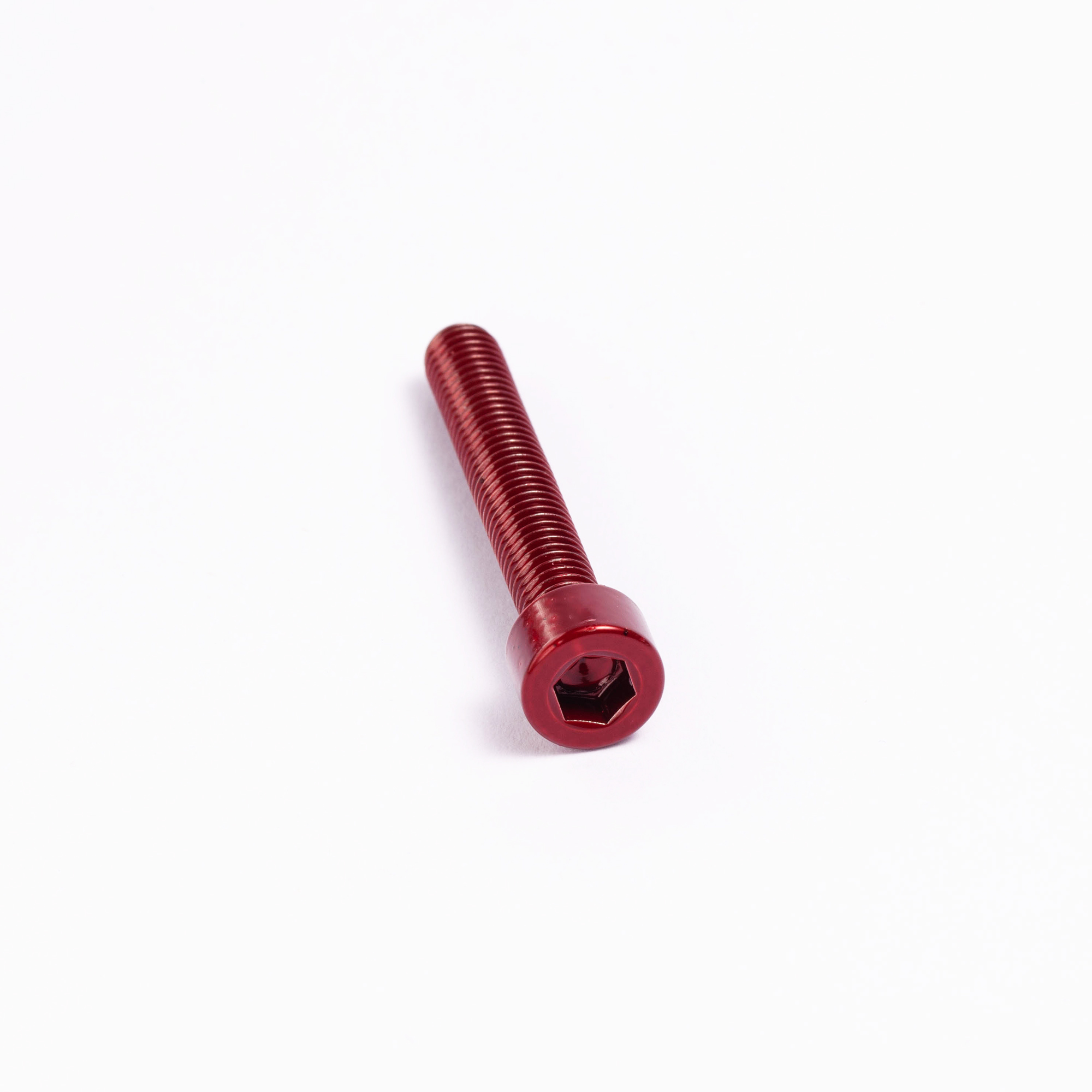
Our micro-arc oxidation and precision anodization bays generate vivid violet, burnt blue, gold, and stealth-black finishes. Crucially, these color layers are structural oxide conversions that add virtually zero dimensional buildup to thread clearances.
Backed by multi-axis CNC turn-mill centers, precision optical projection sorting, and seasoned engineers responsive within 8 hours, we supply premier clients across North America, Germany, the UK, and key industrial clusters throughout Japan.
Procurement Clarity
Frequently Asked Questions: Sourcing Titanium Suspension Parts
Direct technical answers addressing the operational, metallurgical, and import questions frequently raised by Japanese engineering leads.
?Why must Grade 5 (Ti-6Al-4V) be specified for suspension instead of Grade 2?
Grade 2 is unalloyed commercially pure titanium with a yield strength of roughly 275 MPa, which is insufficient for the dynamic shear forces, torque loads, and cyclic bending experienced by suspension struts, control arms, and brake caliper mounts. Grade 5 offers heat-treated mechanical strength surpassing 895 MPa, matching the clamping capacity of high-tensile steel bolts while reducing mass by 44%.
?How does Wexra resolve titanium thread galling in high-torque suspension assemblies?
Galling (cold welding) happens when two titanium threads or titanium-against-aluminum friction surfaces lack lubrication under high contact pressure. We provide tight root radii through high-pressure thread rolling, recommend proprietary anti-seize pastes (copper or MoS2-based), and offer specialized PVD anti-friction coatings that maintain stable friction coefficients during rapid impact wrench assembly.
?Can Wexra manufacture bespoke suspension hardware directly from JIS or CAD drawings?
Yes. We specialize in OEM and ODM bespoke manufacturing. Japanese clients regularly supply STEP, IGES, or 2D CAD files conforming to JIS or ISO standards. Our engineering team conducts full Design for Manufacturability (DFM) reviews to ensure tooling clearances and thread-relief radiuses are optimized for titanium bar turning before machining prototypes.
?What export and customs compliance documentation is provided for shipments to Japan?
Every export parcel routed to Kansai International Airport (KIX) or the Port of Osaka comes accompanied by EN 10204 Type 3.1 Material Test Certificates (verifying Ti, Al, V, Fe, and O percentages), CMM coordinate dimensional inspection logs, packing lists with barcode tracking, and RoHS/REACH declaration statements.
Ready to Re-Engineer Your Suspension Assemblies?
Whether you need standard DIN 6912 socket caps, high-shear flanged lock nuts, or complete custom-machined wishbone linkage pins, consult directly with Wexra's technical team today.
Contact Us